Embark on an adventure through Kenya’s most iconic national parks: Tsavo, Masai Mara, and Amboseli. These legendary landscapes offer unique experiences for wildlife enthusiasts and thrill-seekers alike. With dramatic scenery and diverse ecosystems, each park promises unforgettable encounters with Africa’s “Big Five” and the natural world.
Tsavo National Park Unveiled
Delve into the vast expanse of Tsavo National Park, one of Kenya’s largest national parks, known for its diverse wildlife and striking landscapes. Explore Tsavo East and West’s unique features, including the Yatta Plateau, Lugard Falls, and the renowned maneless lions. Discover Tsavo’s fascinating history, its importance in conservation, and its role in the Kenya-Uganda railway’s history.
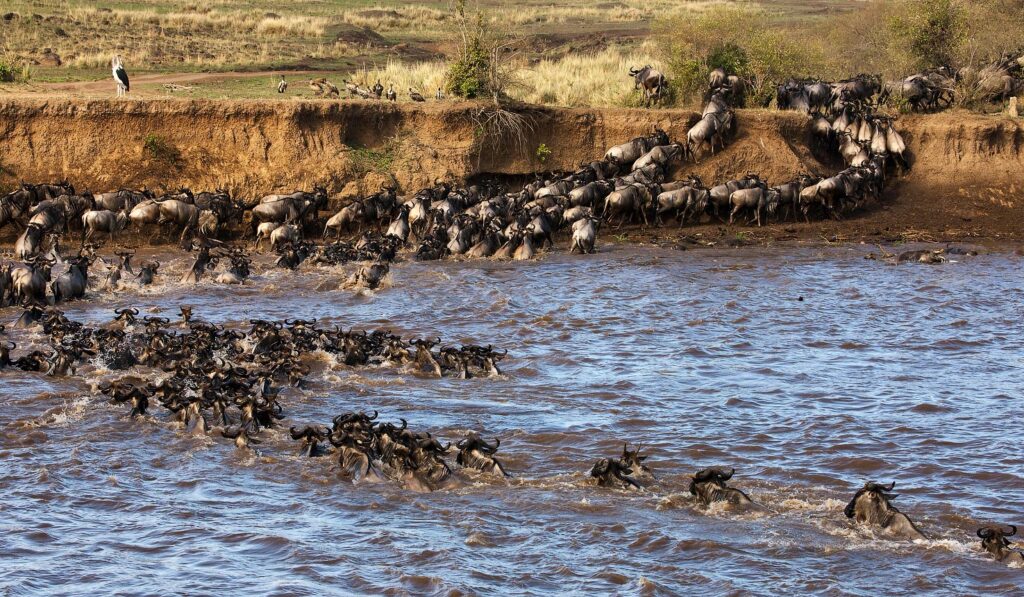
Learn about the scenic Masai Mara National Park, renowned for the Great Migration, where millions of wildebeests and zebras traverse its plains annually. Understand the ecosystem’s role in the broader Mara-Serengeti region. Discuss its cultural significance as the home of the Maasai people and the various conservation efforts to preserve its natural beauty.
Majesty of Masai Mara
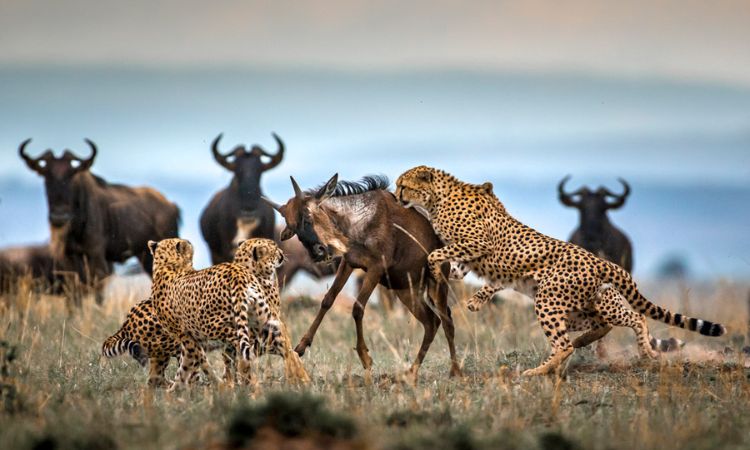
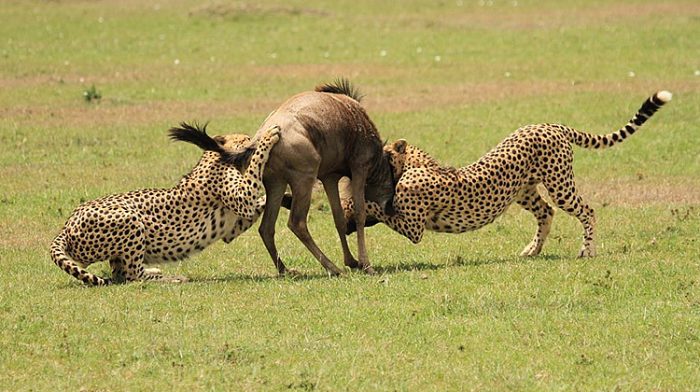
Majesty of Masai Mara National Park is unrivaled when it comes to showcasing the sheer scale and drama of African wildlife. The heart of the Mara beats strongest with the Great Migration, a spectacle so grand it paints an indelible mark on the canvas of the African wilderness. This annual journey sees over two million wildebeests and zebras traverse its plains, in a relentless pursuit of rain-ripened grass, under the watchful eyes of predators. This phenomenon is not just a testament to the Mara’s fecundity but also highlights its critical role in the broader Mara-Serengeti ecosystem, underscoring the seamless ecological interplay across national borders.
Beyond its geographical and ecological significance, the Mara is steeped in cultural heritage as the ancestral land of the Maasai people. These semi-nomadic pastoralists live in harmony with the land and the wild, embodying a unique symbiosis that has sustained for centuries. The Maasai’s deep-rooted traditions and vibrant culture add a rich cultural tapestry to the Mara’s natural wonders.
Conservation efforts in the park are manifold, aiming to safeguard this natural heritage. Initiatives include anti-poaching units, community engagement programs, and sustainable tourism practices. These efforts are crucial in preserving the Mara’s biodiversity and ensuring that its beauty remains for future generations to marvel.
As we transition from the vast expanses of Tsavo and the majestic scenes of the Mara, we now look forward to uncovering the wonders of Amboseli National Park. Here, the awe-inspiring views of Mount Kilimanjaro provide a breathtaking backdrop for some of Africa’s most iconic wildlife spectacles, including the towering elephants and vibrant birdlife that call Amboseli home.
Discovering Amboseli
Discovering Amboseli National Park, famed for stunning views of Mount Kilimanjaro. Explore Amboseli’s swamps, its fascinating elephant herds observed by renown researchers like Cynthia Moss, and its birdlife. Unearth stories of local Maasai culture and how the park integrates traditional practices with modern conservation.
Adventure Activities Await
Adventure seekers venturing into the wilds of Kenya have a plethora of adrenaline-pumping activities at their disposal across the iconic landscapes of Tsavo National Park, Masai Mara National Park, and Amboseli National Park. Adventure activities across these parks are designed not just for thrill but also to deepen the understanding and appreciation of Africa’s unique ecosystems while ensuring the safety of both visitors and wildlife.
Thrilling game drives at dawn or dusk offer unparalleled opportunities to witness the rich wildlife, from the majestic lions of the Masai Mara to the elusive leopards of Tsavo. These excursions are expertly guided to provide guests with insightful details about the animals’ habits and the challenges they face.
In Masai Mara, the adventure ascends to new heights with balloon safaris. Drifting silently over the vast savannah at sunrise, visitors can watch the wilderness wake up beneath them. This bird’s-eye view provides a unique perspective on the scale and beauty of the Mara’s landscapes and herds.
Guided nature walks in Tsavo offer a more intimate immersion into the wild. Accompanied by expert guides, adventurers can tread carefully through the bush, learning about the smaller flora and fauna that contribute to the ecosystem’s balance. Similarly, Amboseli’s viewing platforms offer breathtaking vistas of African elephants against the backdrop of Mount Kilimanjaro, providing a serene yet exhilarating experience.
These experiences are carefully curated to ensure minimal impact on the natural environment, demonstrating a commitment to conservation that aligns with the vision for sustainable tourism explored in the following chapters. Building on the foundation of respect for wildlife and local cultures established in Amboseli, these adventure activities encourage a deeper connection to and appreciation for Kenya’s natural heritage, paving the way for future conservation efforts and responsible tourism practices.
Preservation and Responsible Tourism
In striking a balance between tourism and conservation, Kenya’s premier national parks—Tsavo National Park, Masai Mara National Park, and Amboseli National Park—are leading examples of how tourism can coexist with wildlife conservation. This relationship, albeit complex, hinges on sustainable practices that ensure the parks’ ecological integrity and the well-being of surrounding communities.
Kenya’s approach to conservation tourism involves empowering local communities as guardians of their natural heritage. By involving communities in wildlife conservation, Kenya has seen a shift towards a more sustainable model of wildlife tourism, where locals benefit from the preservation of these ecosystems. Employment opportunities, from guiding to hospitality, provide economic incentives for local communities to protect wildlife and their habitats.
Another cornerstone of Kenya’s conservation efforts is strict regulation of tourist activities to minimize impact on wildlife and habitats. This includes controlling the number of visitors to prevent overcrowding, which can stress animals and damage habitats. Guided tours, for example, are limited in size and scope to ensure that wildlife is observed without interference, promoting a respectful and minimally intrusive visitor experience.
Educational programs aimed at tourists play an essential role in conservation. These initiatives teach visitors about the fragility of ecosystems and the critical role each species plays within them. By understanding their direct impact, tourists are more likely to engage in responsible behavior, such as adhering to park rules, minimizing waste, and supporting conservation projects.
Kenya’s conservation strategy also includes partnerships with non-governmental organizations (NGOs) and international bodies to fund and implement projects aimed at habitat restoration, anti-poaching efforts, and wildlife research. These collaborative efforts harness a global support network, contributing to the sustainability of Kenya’s majestic landscapes and diverse fauna.
In essence, the intricate balance of tourism and conservation in Tsavo, Masai Mara, and Amboseli hinges on a deep commitment to preserving natural beauty and biodiversity for future generations. These efforts ensure that Kenya’s national parks remain vibrant ecosystems teeming with life, where adventure awaits, and conservation is the guiding principle.
Conclusions
Kenya’s national parks of Tsavo, Masai Mara, and Amboseli provide the ultimate adventure holiday. From breathtaking landscapes to thrilling wildlife encounters, these parks offer a chance to connect with nature. Their preservation and sustainable tourism ensure future generations will continue to experience Africa’s vibrant wildlife and diverse cultures.