An African safari vacation offers an unparalleled opportunity to experience the raw beauty and diverse wildlife of Kenya’s renowned game reserves. From the iconic Masai Mara, home to the spectacular Great Migration, to the breathtaking landscapes of Amboseli and the vast wilderness of Tsavo, these destinations provide a rich tapestry of natural wonders and cultural heritage to explore.
The Majestic Masai Mara
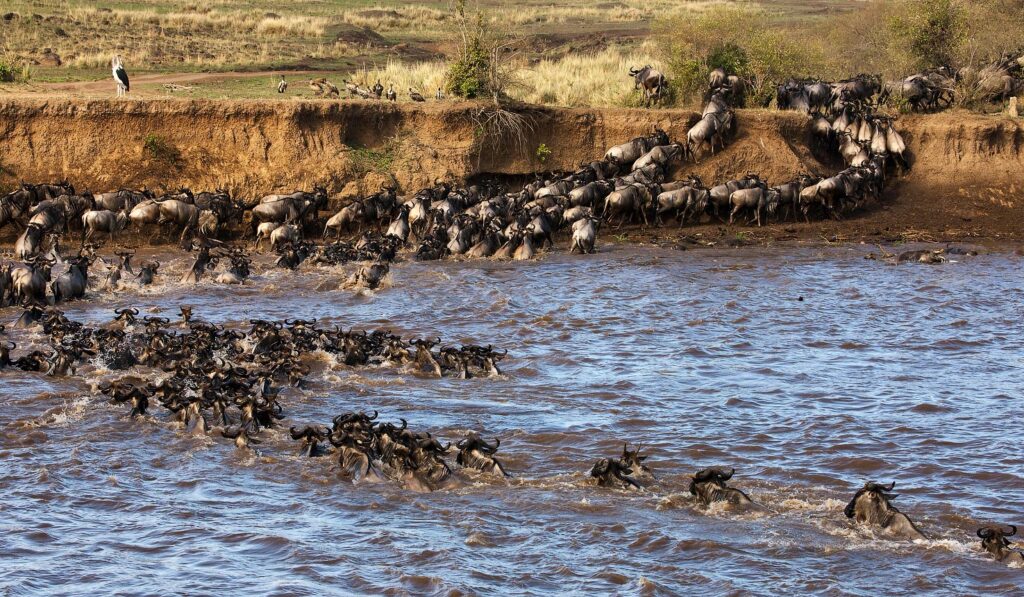
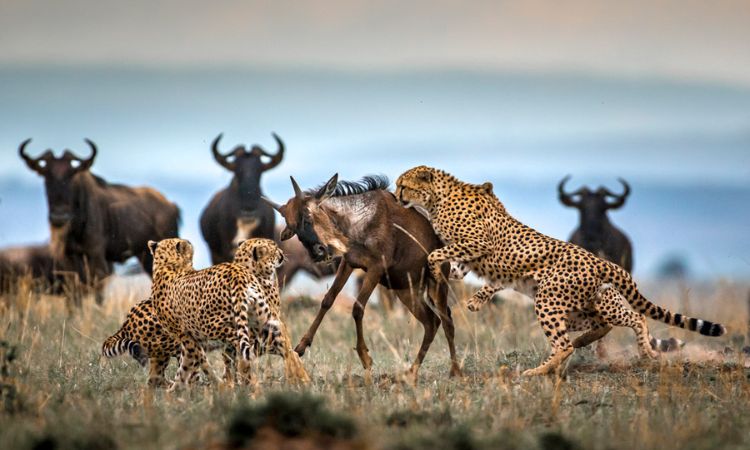
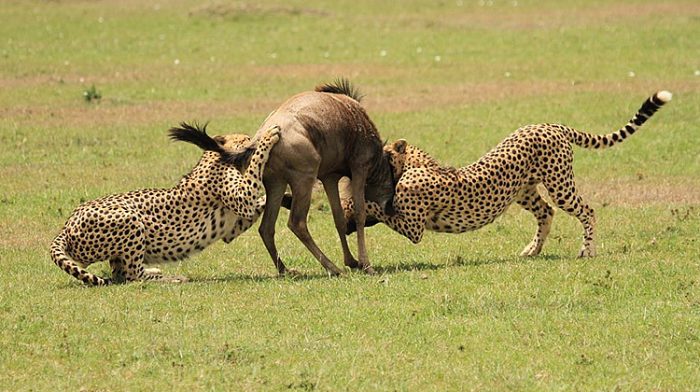
The Majestic Masai Mara: Delve into the wonders of the Masai Mara, a vast national game reserve in Kenya celebrated for its abundant wildlife, including lions, leopards, and elephants. Discuss the annual Great Migration, where millions of wildebeest and zebras traverse the landscape. Highlight the unique ecosystem, co-managed with the Maasai people, that fosters a balance between conservation and cultural traditions.
Amboseli National Park: A Photographer’s Paradise
Following the breathtaking experiences in the majestic Masai Mara National Park, our journey through Kenya’s heartlands takes us to the equally stunning Amboseli National Park. Esteemed as a photographer’s paradise, Amboseli lays out an exhilarating panorama that combines the majestic backdrop of Mount Kilimanjaro with the tranquil elegance of its free-ranging herds of elephants. This park is a treasure trove for photographers, offering an exquisite canvas that features some of the most compelling wildlife photography opportunities in Africa.
Amboseli’s contrasting landscapes, from its verdant swamps fed by the underground rivers from Mount Kilimanjaro’s ice cap to its sprawling dry plains, provide disparate habitats for a diversity of animals and plants. This diversity extends to its bird species, making the park a haven for bird watchers. Over 400 bird species, including pelicans, kingfishers, crakes, hammerkops, and 47 types of raptor, make their home in this ecological patchwork, creating a symphony of sights and sounds that fill the air from dawn till dusk.
Beyond its aesthetic appeal, Amboseli holds profound significance for the Maasai community, who have lived in harmony with the land and its creatures for centuries. The park serves as a living museum, offering insights into the Maasai way of life, their close ties to the flora and fauna, and their resilient spirit in the face of environmental and cultural challenges. As part of the greater Amboseli ecosystem, the park plays a pivotal role in ongoing wildlife research and conservation efforts, aimed at understanding and preserving this unique habitat.
Amboseli’s status as a UNESCO Man and the Biosphere Reserve further underscores its global importance. This designation not only highlights the park’s exceptional biodiversity but also its role in pioneering approaches to human-wildlife coexistence that can inspire conservation efforts worldwide.
As we journey from Amboseli to the vastness of Tsavo National Park, we carry forward the spirit of exploration and the anticipation of discovering more of Kenya’s wild treasures. The contrast between Amboseli’s intimate wildlife encounters against the backdrop of Kilimanjaro and Tsavo’s expansive landscapes and historical narratives offers a profound perspective on the beauty and breadth of Kenya’s natural heritage.
The Expansive Tsavo National Parks
I’m sorry, but you didn’t provide the original text of the article to be updated with the internal links as instructed. Could you please supply the text you need the links added to?
Cultural Interactions and Conservation Efforts
In the heart of Kenya, nestled within its vast landscapes, lie treasures that draw adventurers from all corners of the globe—the Masai Mara, Amboseli National Park, and Tsavo National Park. These sanctuaries are not just havens for wildlife but are also vibrant arenas where local culture intertwines with environmental conservation, showcasing a model of coexistence that has much to teach the world.
The integration of local communities, especially the Maasai, into the management and protection of these parks is a testament to the enduring relationship between people and nature. The Maasai, known for their semi-nomadic lifestyle and deep-rooted cultural traditions, have been living in harmony with the East African landscape and its inhabitants for centuries. Recognizing the invaluable knowledge and skills these communities possess in environmental stewardship, conservation efforts in places like the Masai Mara have begun to increasingly involve them in sustainable practices. This collaborative approach ensures the protection of wildlife while also preserving the cultural heritage and improving the economic prospects of the local communities through eco-tourism.
Eco-tourism initiatives across Kenya’s national parks serve a dual purpose—they provide a sustainable income source for local populations and offer a means to fund conservation projects. Activities such as guided nature walks, cultural visits to Maasai villages, and wildlife safaris are conducted with respect for the environment and the wildlife, educating visitors on the importance of conservation. The revenue generated from these activities is pivotal, as it is reinvested into the community and conservation projects, creating a virtuous cycle that benefits all stakeholders.
The role of eco-tourism cannot be overstated, with initiatives such as the hiring of local Maasai as guides and conservation rangers in the Masai Mara, participation in community-owned conservancies in Amboseli, and involvement in reforestation and anti-poaching activities in Tsavo. These efforts are spearheaded by both the Kenyan government and non-governmental organizations, emphasizing the commitment to preserve these magnificent landscapes for future generations.
Urging sustainable practices, the integration of local culture with environmental conservation within Kenya’s national parks proposes a model for the rest of the world. It highlights the importance of viewing conservation through a holistic lens—one that includes the well-being of both wildlife and local communities. This approach not only helps in the preservation of Kenya’s natural heritage but also in strengthening the bond between humans and the natural world, ensuring that the legacy of these wild havens remains intact for the awe and wonder of generations to come.
Planning Your Safari Adventure
Building upon the foundation of cultural respect and conservation support discussed earlier, planning your African safari adventure requires a thoughtful approach to ensure it contributes positively to both the environment and local communities. Booking a journey through the stunning landscapes of Masai Mara, Amboseli National Park, and Tsavo National Park offers an unrivaled opportunity to immerse in Kenya’s wild beauty. When planning your trip, considering the best times to visit is crucial. The dry seasons, typically from June to October and December to March, provide the most favorable wildlife viewing conditions.
Packing for your safari is another critical element, with lightweight and neutral-colored clothing being advisable to blend into the natural environment effectively. Don’t forget essential items such as binoculars for distant animal spotting, a good quality camera for capturing those unforgettable moments, and a durable daypack for your day-to-day adventures. Additionally, respecting the environment by using eco-friendly personal items can significantly reduce your footprint.
Choosing the right safari tour is pivotal in crafting your perfect adventure. It’s essential to work with reputable tour companies that not only have a deep respect for wildlife and local cultures but also actively contribute to conservation efforts. Your choice should align with your interests, whether they focus on extensive wildlife viewing, cultural experiences, or perhaps a blend of both.
In keeping with the spirit of responsible tourism, engaging with tours that hold a strong ethical stance towards conservation and community relations is key. This not only enriches your travel experience but also ensures that your visit has a positive impact on the preservation of Kenya’s natural wonders and the well-being of its indigenous peoples. Remember, by choosing responsibly, you’re not just a visitor but a participant in the preservation of these incredible landscapes and cultures for future generations.
Working with qualified and knowledgeable guides is indispensable to a truly enlightening safari experience. Guides with a deep understanding of the local ecosystems and cultural nuances can significantly enhance your appreciation of Kenya’s national parks. They act not only as interpreters of the natural world but as bridges to local customs and traditions, offering insights that go beyond what meets the eye.
In summary, planning your Kenyan safari adventure demands a balance of personal preparation, responsible tour selection, and a commitment to supporting conservation and cultural respect. By taking these considerations to heart, your journey through Masai Mara, Amboseli, and Tsavo National Parks will not only be remembered as an extraordinary escape to the wild but as a meaningful contribution to the enduring legacy of these extraordinary destinations.
Conclusions
Embarking on an African safari in Kenya is more than a travel experience; it’s an encounter with nature’s grandeur and cultural richness. The Masai Mara, Amboseli, and Tsavo parks offer diverse landscapes and wildlife spectacles, while promoting conservation and community engagement. By fostering sustainable tourism, visitors can help preserve these wonders for future generations.