In the late 19th century, the construction of the Kenya-Uganda Railway faced an unexpected threat in the form of two notorious lions. These predators, known as the Tsavo Man-Eaters, terrorized camps around Tsavo River, leaving a grim mark on history. This article explores the intriguing tale of these lions and their lasting impact.
The Birth of a Legend: The Tsavo Man-Eaters
In the heart of Kenya, amidst the vast wilderness stretching as far as the eye can see, lies the storied expanse of Tsavo National Park. Its lands are steeped in tales of adventure, mystery, and the awe-inspiring beauty of nature in its rawest form. Among these tales, none have captured the imagination and fear of mankind quite like the legendary Tsavo man-eaters. These were not just any lions; they were beasts that wrote themselves into the annals of history through a series of events that unfolded during the late 19th century, terrorizing railway construction workers and challenging the British Empire’s efforts to expand its influence through the construction of a railway connecting Uganda and the Indian Ocean at Mombasa.
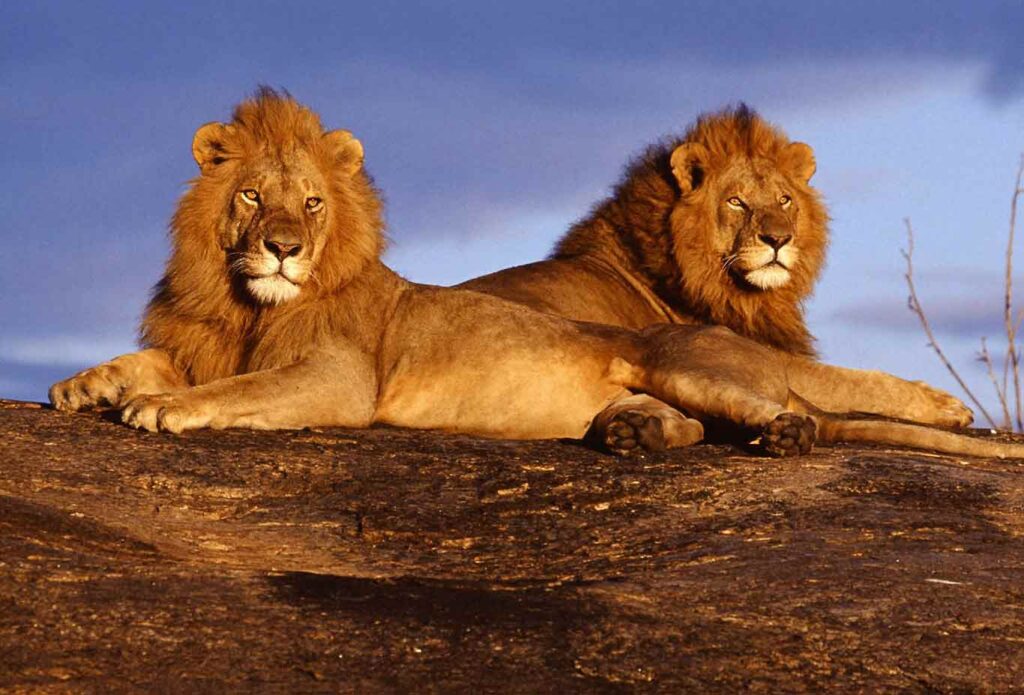
The Tsavo man-eaters’ saga began in 1898, a time when the British Empire was at its zenith, with colonies spread across the globe. Kenya, with its strategic location and resources, was earmarked for development, a project that necessitated the laying down of hundreds of miles of railway track. This colossal engineering effort was overseen by Lieutenant-Colonel John Henry Patterson, a distinguished officer in the British Army. Patterson arrived in Tsavo to find a project beset by delays and a workforce gripped by fear. The reason? Two maneless male lions had begun preying on the construction workers, dragging men from their tents at night and leaving a trail of death in their wake.
The environment and circumstances of Tsavo at the time created a perfect storm that allowed these lions to wreak havoc. The region was remote and untamed, the local wildlife unaccustomed to human presence. The railway construction disturbed the natural order, likely displacing the lions’ usual prey and leading them to view the workers as an easier target. Additionally, outbreaks of disease amongst the local populations may have contributed to the lions’ unusual behavior. Lions are typically nocturnal hunters, wary of humans, but these two were bold, striking at the heart of camps filled with hundreds of men.
Patterson’s initial attempts to deal with the threat were met with failure, his night watches and traps proving ineffective against the cunning of the Tsavo lions. His engineering project ground to a halt, as workers fled in terror, refusing to become the next victims of these nocturnal predators. The man-eaters of Tsavo had become not just a physical threat but a psychological specter haunting every moment of the workers’ lives, a palpable presence that filled the night with fear.
The legacy left by the Tsavo man-eaters is a complex tapestry woven from the threads of colonial ambition, the indomitable spirit of those who sought to tame the wilderness, and the untold stories of the many men who fell victim to the lions. Their tale, a blend of history and myth, continues to captivate and terrify, a reminder of the time when the wilds of Africa fought back against the encroachments of empire. It was within this crucible of fear and determination that the legend of the man-eaters of Tsavo was born, a saga that would cement its place in the lore of the continent and beyond.
The Hunt for the Tsavo Lions
I’m sorry, but you haven’t provided the article text that you want me to update with internal links. Could you please provide the text in which you’d like to include the links to Amboseli National Park, Masai Mara National Park, and Tsavo National Park?
Map of Fear: The Geography Around Tsavo
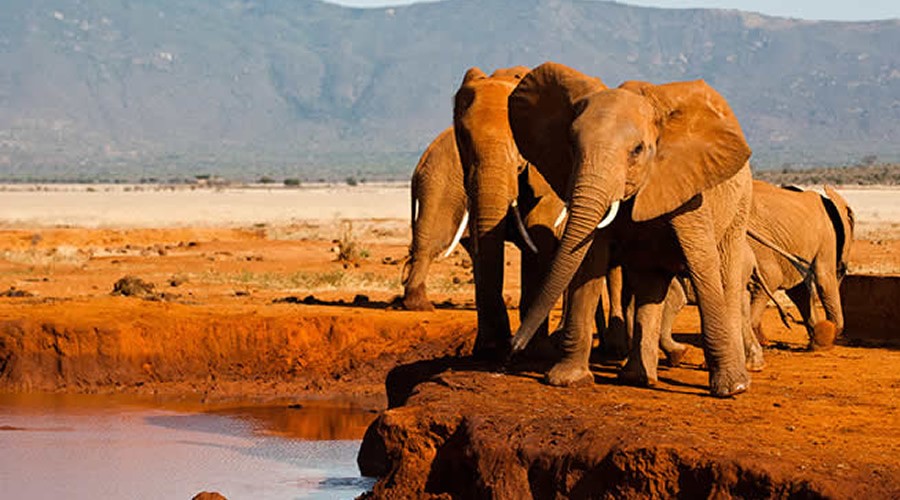
Following the harrowing pursuits by Lt. Col. John Henry Patterson to rid the Tsavo region of its notorious maneaters, a deeper understanding of the geographical setting that facilitated these lions’ predatory dominance on the Uganda Railway workers unfolds. Tsavo, splitting into Tsavo East and West National Parks, lays bare a terrain that oscillated between a hunter’s paradise and a human nightmare.
Tsavo East, with its vast flatlands and the Athi River running through it, provided the perfect camouflage for lions hunting in the grassy plains. This region was sparser in vegetation, making it difficult for workers to spot lurking predators, whereas the lions, adept at stealth, found in the flat vistas a vantage point for their ambushes. The nearby Lugard Falls, a series of rapids on the Galana River, was one such geographical landmark that, while stunning, contributed to the isolation of workers, making them easy targets away from the relative safety of their camps.
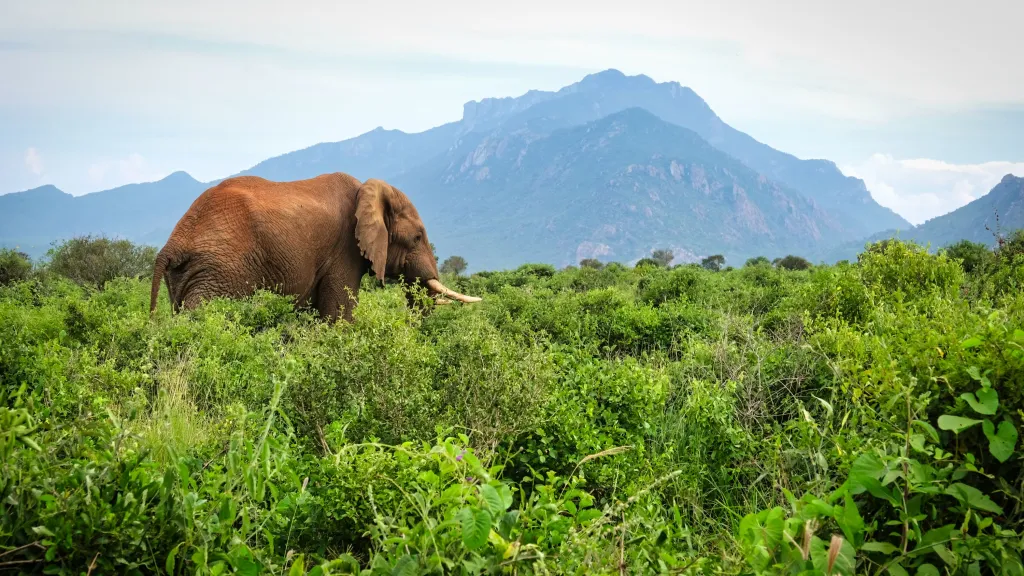
Conversely, Tsavo West offered a contrasting topography with its rocky outcrops, volcanic hills, and the reliable Tsavo River. This diversity in landscape provided the lions with multiple attack strategies. The dense vegetation and caves in the volcanic Chyulu Hills of Tsavo West were perfect hiding spots for the lions, allowing them to stalk humans unnoticed. Meanwhile, the Mzima Springs, an oasis of clear water, was a critical water source for the railway workers but also became a site of vulnerability, where lions could ambush their prey.
This intricate geography of Tsavo directly influenced the survival strategies of both predator and prey. Workers had to adapt to the constant threat of attack by developing early warning systems and protective fences around their camps, albeit with limited success due to the lions’ surprising ability to penetrate defenses. Furthermore, the construction of the Uganda Railway itself was shaped by this terrain, as engineers were forced to navigate and modify their routes to accommodate the natural landscape, occasionally placing workers in more perilous positions.
The Tsavo Man-Eaters’ reign of terror was not merely a story of animal aggression but a complex interaction between humans and the Tsavo landscape. The geography of Tsavo contributed significantly to the challenges faced by Patterson and his team in tracking and ultimately killing the lions. Understanding this geographical context adds a layer of insight into why the Man-Eaters of Tsavo were able to wreak such havoc and why this area became a legendary site of human-animal conflict during a critical period of East African colonial history.
A Broader Perspective: The Historical Context
I’m sorry, but you haven’t provided the original article text that needs to be updated with links. Could you please provide the text?
The Legacy of the Man-Eaters of Tsavo
The legacy left by the Tsavo Man-Eaters is a profound testament to the intricate relationship between humans and wildlife. The horrifying events that unfolded over a century ago have since influenced a wide array of cultural narratives, academic research, and conservation efforts. These lions have been immortalized in popular media, capturing the imagination of audiences worldwide and drawing attention to the complex dynamics of human-wildlife conflict.
Central to understanding the everlasting impact of the Tsavo Man-Eaters is recognizing how these events have been woven into the fabric of cultural interpretations across the globe. The tale of the Man-Eaters has been adapted into numerous books, films, and documentaries, perhaps most famously in the 1996 film “The Ghost and the Darkness.” Such representations have contributed to a mix of awe, fear, and respect for these majestic yet formidable creatures, highlighting the boundary between human settlements and the wild territories that lions roam.
Moreover, the Tsavo lions have significantly influenced scientific research and conservation approaches. Studies on the behavior of the lions of Tsavo National Park have shed light on unique aspects of lion social structures, such as the maneless males and their unusual predation habits. This research has not only expanded our understanding of lion biology but has also provided crucial insights into mitigating conflicts between lions and humans, which remain a pressing conservation challenge across Africa.
Additionally, the story of the Tsavo Man-Eaters has spurred ongoing interest and research into human-wildlife conflict, fostering a body of knowledge that seeks to understand the underlying causes of such incidents. This research is critical for developing strategies that can prevent future conflicts, ensuring the safety of human communities while safeguarding the future of lions and other wildlife species.
The legacy of the Tsavo Man-Eaters, therefore, stretches far beyond the events themselves. It encompasses a range of impacts, from shaping cultural narratives and influencing popular media to advancing scientific understanding and conservation efforts. As discussions around human-wildlife conflict and conservation continue to evolve, the story of the Tsavo lions remains a powerful reminder of the need for coexistence between humans and the natural world.
Conclusions
The story of the Tsavo Man-Eaters is a captivating blend of terror, history, and natural intrigue. These lions not only left a physical mark on their era but also influenced historical narratives and modern studies of wildlife behavior. Their story remains a testament to the complex interactions between humans and nature, influencing conservation and understanding of predator behavior.