In the heart of Kenya’s vast Tsavo National Park roam the majestic Red Elephants, a unique population renowned for their striking red hue. This article delves into the intriguing phenomenon of these elephants, examining the forces behind their distinct coloration and their crucial role in the ecosystem.
The Mystique of Tsavo National Park
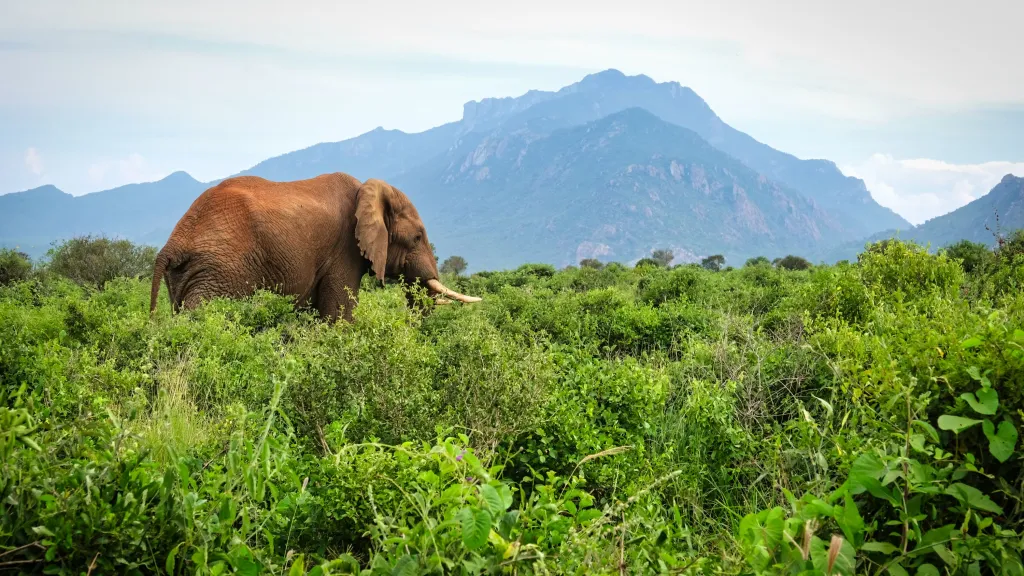
Nestled in the heart of Kenya, Tsavo National Park stands as one of the country’s largest and most iconic national parks. This vast expanse of African wilderness is renowned for its unique geographical features, including the sprawling savannahs that stretch as far as the eye can see, and significant landmarks like the Yatta Plateau, the world’s longest lava flow. Tsavo’s rich history and formation story contribute to its ecological diversity, providing a haven for numerous species of wildlife. Among these species, the park’s famous elephant population stands out, not only for their impressive numbers but also for their distinctive red coloration. These elephants are an integral part of the ecosystem, shaping the landscape and playing a crucial role in the park’s natural heritage.
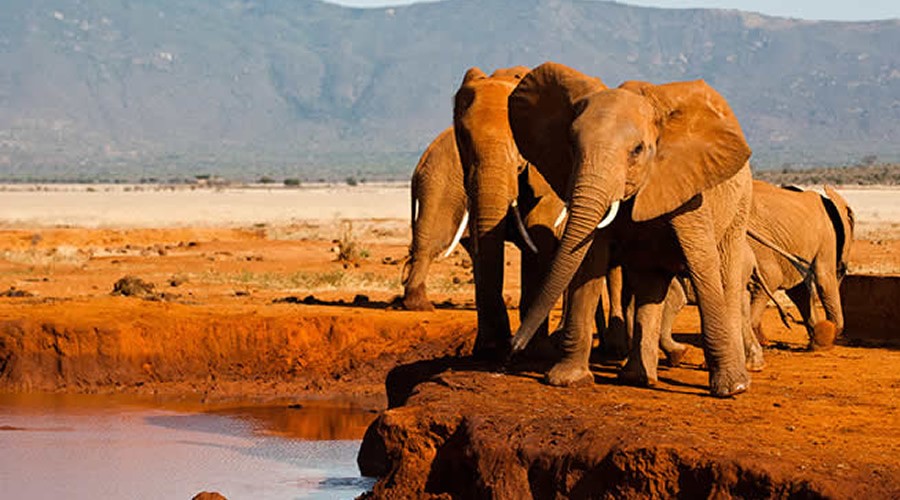
Understanding the Red Elephant Phenomenon explores the peculiar characteristics of the elephants residing in Tsavo National Park. These majestic creatures possess a natural adaptation that grants them their unique red appearance. The red earth of Tsavo is rich in iron oxide, and these elephants regularly bathe in the dust, covering their skin with the park’s distinctive red soil. This practice serves multiple purposes: it acts as a natural sunscreen, protecting the elephants’ skin from harsh sun rays, and it also creates a barrier against parasites and insects, providing relief from bites. This behavior highlights the elephants’ complex relationship with their environment, showcasing how evolutionary pressures and environmental factors have shaped these animals to thrive in their specific habitat. The adaptive benefits of their red dust baths are a testament to the dynamic and interconnected nature of ecosystems in Tsavo.
Understanding the Red Elephant Phenomenon
The distinctive red appearance of the elephants in Tsavo National Park is one of the most striking natural phenomena observed in the Kenyan wild. This unique characteristic is not a result of genetic anomaly or breed-specific trait but is instead a consequence of the elephants’ interaction with their environment. The red soil abundant across Tsavo’s savannah, composed largely of iron oxide, adheres to the elephants’ skin, resulting in their notable red hue.
Elephants in Tsavo are often seen dust-bathing, a behavior where they throw the vivid red earth over themselves using their trunks. This practice serves a multitude of purposes, the foremost being protection against the harsh African sun. The layer of soil acts as a natural sunscreen, shielding the elephants’ sensitive skin from UV rays. Additionally, the dust-bathing ritual plays a critical role in parasite control, as the fine particles of soil help dislodge and prevent the settlement of ticks and other skin-burrowing insects.
The adaptiveness of this behavior is significant, showcasing the elephants’ evolution in direct response to their environment. In habitats where such red soil is not present, elephants would not have the same red appearance, indicating a unique evolutionary path for the Tsavo elephant population. This evolutionary trait reveals a deep-rooted connection between the species and their habitat, highlighting the intricate balance of nature within Tsavo National Park.
Moreover, the practice of dust-bathing reflects an important aspect of elephant social behavior, often seen as a communal activity that strengthens social bonds within herds. This behavior underscores the complex social structures of elephant herds, where practices are not only crucial for individual wellbeing but also serve to reinforce group cohesion and identity.
The red elephants of Tsavo, therefore, are a prime example of how environmental factors can shape the physical attributes and behaviors of wildlife, serving as a testament to the adaptability and resilience of nature. Their red appearance is not just a curiosity but a symbolic reminder of the evolutionary and environmental synergy that defines the natural world.
Ecological and Cultural Significance
In the heart of Tsavo National Park, the red elephants stand as towering testaments to the unique ecological dynamics of this landscape. These behemoths are not only visually striking but also play a pivotal role as ‘ecosystem engineers,’ shaping their environment in profound ways that support a multitude of other species. By knocking down trees and uprooting shrubs, they create clearings that stimulate the growth of new vegetation, serving as a boon for different herbivorous animals. Their well-trodden paths become conduits for water, helping to spread essential nutrients across the landscape, thereby fostering biodiversity. Elephants also act as seed dispersers, consuming various fruits and depositing the seeds in distant areas through their droppings, thus aiding in the proliferation of flora.
Beyond their ecological contributions, these elephants hold significant cultural value for the local communities surrounding Tsavo. Traditionally revered and featured prominently in local lore and ceremonies, elephants symbolize strength, wisdom, and longevity. However, this reverence is juxtaposed against the challenges posed by human-elephant interactions, particularly in areas where elephant habitats overlap with human settlements, leading to crop raiding and other conflicts.
In the realm of tourism, the red elephants of Tsavo are a monumental draw, attracting visitors from across the globe to Tsavo National Park. This influx of tourists contributes significantly to the local and national economy, funding conservation projects and providing employment opportunities. Yet, the impact of tourism is a double-edged sword; while it brings awareness and financial resources, it also necessitates careful management to prevent habitat degradation and ensure that the wildlife and local communities do not bear the brunt of excessive human intrusion.
In essence, the red elephants of Tsavo are more than just a curiosity or a spectacular sight for tourists; they are integral to the ecological integrity and social fabric of the region. Their presence and continued survival are central to the health of the ecosystem and the prosperity of local communities, underscoring the need for concerted conservation efforts. As we look forward to the subsequent discussion on the challenges facing Tsavo’s elephants, it’s imperative to recognize and address the delicate balance between conserving these majestic creatures and managing the demands of tourism and human encroachment.
Challenges Facing Tsavo’s Red Elephants
The majestic red elephants of Tsavo National Park face multifaceted challenges that threaten their survival. The primary threat is poaching, driven by the high value placed on ivory in illegal markets. Despite international bans and increased patrolling, poachers still find ways to kill these gentle giants for their tusks, causing a significant reduction in their population. Moreover, habitat loss is a pressing issue. As human populations expand, the elephants’ natural habitats are being converted into farmland, settlements, and infrastructure. This encroachment not only limits the space available for the elephants to roam but also leads to conflicts between humans and wildlife. Elephants often wander into human settlements searching for food, leading to destruction of crops and property, which can result in retaliatory killings of these magnificent creatures.
Efforts to protect Tsavo’s red elephants are being spearheaded by a combination of government initiatives and non-governmental conservation groups. These include anti-poaching patrols, the creation of wildlife corridors to connect fragmented habitats, and community-based projects aimed at fostering coexistence between humans and elephants. To counteract the impacts of poaching, initiatives such as deploying trained sniffer dogs and aerial surveillance have been implemented to enhance early detection of poaching activities. Conservation teams are also working diligently to rehabilitate and release injured or orphaned elephants back into the wild, providing a glimmer of hope for the future of these iconic animals.
Yet, the challenges persist. Ensuring the long-term protection of Tsavo’s elephants requires continuous investment in anti-poaching measures and habitat conservation. It also necessitates innovative approaches to mitigate human-elephant conflicts, such as deploying beehive fences, which use elephants’ natural aversion to bees to deter them from entering farmland. The success of these conservation strategies hinges on cooperation between the Kenyan government, local communities, and international partners. Promoting ecotourism and educating the global community about the importance of elephant conservation are essential to garnering the support needed to secure the future of Tsavo’s red elephants.
Looking forward, the upcoming chapter on the future prospects for Tsavo’s giants delves into the measures needed to fortify the protection of these elephants, ensuring their habitat is preserved and expanded. It explores the potential for sustainable tourism and international cooperation to play pivotal roles in supporting conservation efforts, aiming for a scenario where Tsavo’s elephants can thrive free from the threats of poaching, habitat loss, and human-wildlife conflict.
Future Prospects for Tsavo’s Giants
Building on the foundation laid out for addressing the immediate threats to Tsavo’s red elephants, the future prospects hinge significantly on a comprehensive, multifaceted strategy focused on enhancing protection and ensuring the sustainable management of their habitat. The crux of bolstering the conservation efforts for Tsavo’s giants involves a blend of advancing anti-poaching capabilities, habitat restoration, community engagement, and fostering global partnerships.
Key to these efforts is the innovation in surveillance and anti-poaching techniques. Leveraging technology such as drones, motion sensors, and satellite tracking can provide real-time data critical for the rapid response to poaching activities. Furthermore, bolstering the capabilities of rangers through training and providing them with necessary equipment will enhance their effectiveness in safeguarding the elephants.
Habitat protection and restoration are crucial for the sustainability of the red elephants’ population. Initiatives aimed at reforestation and the creation of corridors between Tsavo National Park and adjacent protected areas can mitigate the risk of habitat fragmentation. Promoting land use practices that are compatible with elephant conservation outside protected areas will also reduce human-elephant conflicts.
Community engagement and the development of livelihood alternatives for people living in proximity to Tsavo are vital components of a long-term conservation strategy. Empowering local communities through education and involvement in conservation activities can transform them into stewards of wildlife. Economic incentives through community-based conservation projects can further align their interests with the preservation of elephants.
Moreover, sustainable tourism presents a significant opportunity for Tsavo. By developing and promoting responsible tourism that respects the natural habitat of the red elephants and benefits local communities, Tsavo can secure a steady stream of revenue to fund conservation efforts. Ensuring that tourists understand the importance of conservation and the unique nature of Tsavo’s elephants can foster a global cohort of advocates for their protection.
International cooperation is another pillar for the future well-being of Tsavo’s elephants. Building partnerships with global conservation entities, securing international funding, and participating in global forums can amplify the efforts to protect these majestic creatures. Sharing knowledge and best practices with conservationists working in other parts of the world can provide new insights and approaches to conservation challenges unique to Tsavo.
In conclusion, the future of Tsavo’s red elephants is not solely reliant on the efforts within the park’s boundaries but is interwoven with national policies, international cooperation, and the global community’s commitment to wildlife conservation. With concerted efforts focused on innovative conservation strategies, community engagement, sustainable tourism, and global partnerships, the prospect for Tsavo’s red giants remains hopeful. Ensuring their survival is not only a testament to our commitment to preserving biodiversity but also to maintaining the ecological balance that benefits humanity as a whole.
Conclusions
The red elephants of Tsavo are not only a striking natural wonder but also a crucial component of their ecosystem. Understanding their unique adaptation and the challenges they face underscores the importance of continued conservation efforts. By safeguarding these magnificent creatures, we preserve a vital part of our natural heritage and reaffirm our commitment to biodiversity.