Embark on the adventure of a lifetime with a safari in the renowned Masai Mara National Reserve in Kenya. Home to Africa’s Big Five and the magnificent Great Migration, the Masai Mara offers an unparalleled opportunity to experience the wild heart of Africa. This guide explores what makes a safari here so extraordinary and unforgettable.
The Maasai Mara Ecosystem
The expansive Masai Mara National Park ecosystem, a pivotal segment of the larger Mara-Serengeti ecosystem stretches across Kenya and Tanzania. This intricate geography, highlighted by the Mara River and sweeping open grasslands, thrives within a semi-arid climate dotted with seasonal riverlets, playing a crucial role in supporting a vast array of wildlife populations. Amid these natural wonders, the land also sustains the Maasai people, upholding a delicate balance of human and animal interactions within this vibrant wilderness.
Segueing into the realm of one of the natural wonders of the world, The Great Migration embodies an epic journey, uniting over 1.5 million wildebeest, zebras, and antelopes in their traverse across the Mara River back to the Masai Mara from the Serengeti. This extraordinary event lures predators, including lions and crocodiles, into dramatic displays of nature’s raw beauty and brutality. Understanding the timing, the monumental challenges faced, and the pivotal life-and-death struggles that define this remarkable event, offers insight into the prime viewing periods for travelers to witness this spectacle firsthand.
The adjoining ecosystems, including Amboseli National Park and Tsavo National Park, enrich the narrative of Kenya’s diverse landscapes and wildlife. Each park, with its unique attributes, contributes to the broader understanding and appreciation of Kenya’s natural heritage, promising adventures that linger in memory far beyond the safari.
The Great Migration
Building on the rich tapestry of the Masai Mara National Park, the phenomenon of the Great Migration represents one of the most spectacular natural wonders of the world. It’s a story of resilience, survival, and the unyielding forces of nature that drive over 1.5 million wildebeest, alongside hundreds of thousands of zebras and antelopes, on an epic journey across the Mara River from the Serengeti in Tanzania to the Masai Mara in Kenya. This awe-inspiring event attracts a host of predators, including lions, hyenas, and the formidable crocodiles lurking in the waters of the Mara River, setting the stage for dramatic encounters and the eternal struggle for survival.
The timing of the Great Migration sees these vast herds on the move in a continuous cycle through the year, seeking fresh grazing and water. The most dramatic scenes unfold from July to October, when the animals face the treacherous crossing of the Mara River. The challenges they face are manifold, ranging from strong currents and steep banks to the ever-present threat of predators. This period offers travelers the best opportunity to witness nature’s grand spectacle, where the cycle of life and death unfolds in the rawest form.
Understanding the arduous journey these animals undertake adds a poignant perspective to the safari adventure. The migration is not merely a movement; it’s a significant driver of the Mara-Serengeti ecosystem’s health and vitality, influencing the distribution of predators and the grazing patterns of herbivores throughout the region. It’s a vivid reminder of nature’s intricate interconnectedness and the delicate balance that sustains this wildlife paradise.
For travelers aiming to experience the Great Migration, planning is key. The sheer scale of the herds and the unpredictability of their movements due to weather patterns dictate the necessity for expert guidance. Local guides possess an intimate understanding of the migration’s dynamics, ensuring that visitors are positioned in the heart of the action, all while respecting the delicate balance of this ecosystem.
The Great Migration is more than a spectacle; it’s a profound lesson in the enduring cycles of life, a testament to the wild heart of Africa that beats strong within the Masai Mara. Following on from the exploration of the Mara’s ecosystem, this event highlights the ecological significance and the dramatic beauty of this unparalleled natural theatre, setting the stage for an intimate encounter with the Big Five and beyond, in the next chapter.
The Big Five and Beyond
Following the awe-inspiring spectacle of the Great Migration through the Masai Mara National Park, our journey delves deeper into the heart of Africa’s wildlife paradise, where the legendary Big Five—lions, elephants, buffalos, leopards, and rhinoceros—rule the vast savannahs. These iconic species, each with their own unique habitats and behaviors, are not just the cornerstone of the Masai Mara ecosystem but also key to the conservation efforts that ensure their survival and the biodiversity of this majestic land.
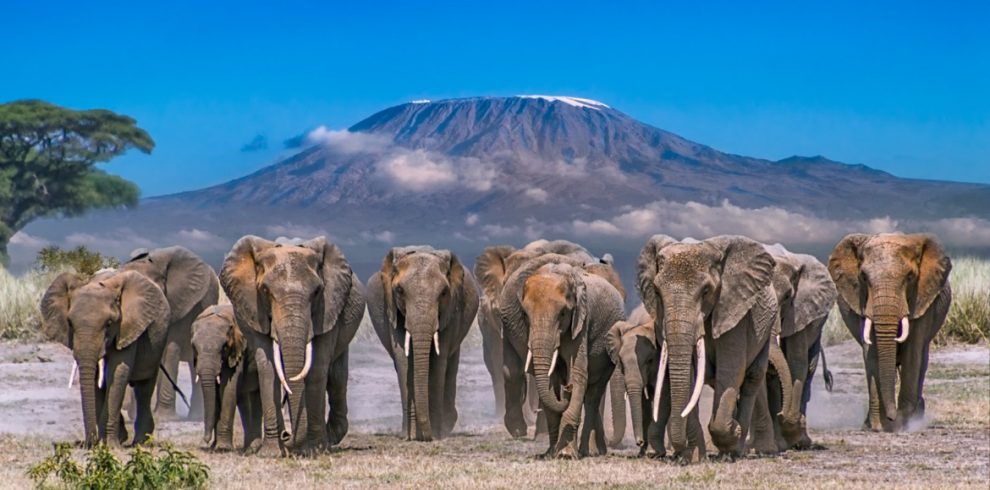
Lions, the unchallenged kings of the savannah, are often seen in prides, lazing under the African sun or coordinating hunts that highlight their power and precision. Elephants, in their gentle majesty, roam in close-knit family herds, led by a matriarch, showcasing complex social behaviors that have fascinated researchers and wildlife enthusiasts alike. Buffalos, with their imposing presence, are known for their defensive formations that protect the young and vulnerable from predators. Leopards, elusive and solitary, showcase the beauty of stealth, their spotted coats a marvel of natural camouflage. Rhinoceros, both the black and the less common white species, continue to stride the landscapes of the Mara, albeit as poignant symbols of the conservation challenges faced by these magnificent creatures.
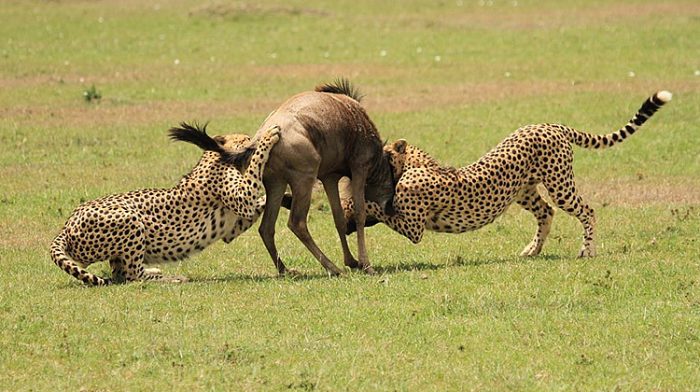
Beyond the Big Five, the Masai Mara is a sanctuary for a plethora of other wildlife, each species playing a crucial role in the ecological tapestry. Cheetahs, the fastest land animals, can be seen in breathtaking sprints across the plains in pursuit of prey. Hippos, submerged by day in the rivers and lakes, emerge at dusk to graze, their massive forms belying an unexpected agility. Hyenas, often misunderstood, reveal complex social structures and a critical role as scavengers in the ecosystem.
These animals and their interactions create a dynamic wilderness that safaris into the Masai Mara seek to explore and understand. Guided tours offer a close-up look at these creatures in their natural habitats, emphasizing the importance of sustainable tourism in the conservation narrative. Efforts to protect the Masai Mara and its inhabitants involve a delicate balance between local community needs and wildlife preservation, ensuring that this wildlife paradise continues to thrive for generations to come.
Transitioning from the magnificent display of flora and fauna, the next chapter leads us into the heart of the region’s cultural heritage, uncovering the rich traditions and lifestyles of the Maasai people. This community, the ancestral inhabitants of the Mara region, plays a significant role in the conservation and sustainable tourism efforts, maintaining a harmonious balance with the wildlife and environment they have co-existed with for centuries.
Maasai Culture and Community
After marveling at the iconic Big Five in the Masai Mara National Park, the journey into the heart of Africa’s wildlife continues as we delve into the lives of the Maasai people, the ancestral inhabitants of this vast landscape. The Maasai’s deep-rooted traditions, practices, and their pivotal role in conservation efforts offer an enriching narrative that complements the natural majesty of the Mara.
The Maasai have maintained their distinct semi-nomadic way of life for centuries, herding cattle, sheep, and goats across the plains. Their profound connection with the land and the wildlife that inhabits it is a testament to their ability to live in harmony with nature. This symbiotic relationship is evident in the Maasai’s sustainable practices, which safeguard the environment and the diverse species that call it home.
Central to Maasai culture are their rituals and ceremonies, which mark significant milestones in an individual’s life, from birth to warriorhood and beyond. The adumu, or jumping dance, is perhaps one of the most widely recognized Maasai traditions, a vibrant display of strength and stamina that fascinates visitors. Similarly, their distinctive attire, adorned with intricate beadwork, provides a visual narrative of their rich cultural heritage.
The Maasai’s indigenous knowledge and practices have significantly contributed to the preservation of the Masai Mara National Park. Their expertise in environmental stewardship and sustainable grazing has been instrumental in maintaining the ecological balance of this biodiverse region. Through community-based conservation initiatives, the Maasai have played a critical role in safeguarding the wildlife and habitats that make the Mara a wildlife paradise.
Furthermore, the Maasai’s involvement in eco-tourism provides a pathway for sharing their culture and traditions with the world, while also generating income to support their communities. Visitors are often welcomed into Maasai villages, where they can experience the Maasai way of life firsthand, from the architecture of their manyattas (homesteads) to their culinary traditions and community roles.
By engaging with the Maasai culture and community, tourists contribute to the preservation of their way of life and the conservation of the natural environment. This intercultural exchange enriches the safari experience, providing a broader understanding of the intricate web of life that thrives in the Masai Mara National Park.
As the journey through Africa’s heartlands progresses to planning the safari adventure, understanding the contributions of indigenous communities like the Maasai is invaluable. Their enduring practices and sustainable living philosophies are a blueprint for conservation efforts worldwide, showcasing the critical role of traditional knowledge in preserving our planet’s natural treasures.
Planning Your Safari Adventure
Transitioning from the rich tapestry of Maasai culture to the practicalities of orchestrating your safari adventure in the iconic Masai Mara National Park, it is imperative to navigate the nuances of planning to ensure an experience that not only exhilarates but also harmonizes with the natural and cultural ethos of this majestic landscape. Selecting the optimal period for your visit holds the key to unlocking the Mara’s wonders, with the Great Migration – a spectacular annual event where millions of wildebeest, zebras, and gazelles traverse the terrain in search of greener pastures – typically peaking between July and October. This period not only promises dramatic river crossings but also heightened predator activity, offering a tableau vivant of nature’s most primal instincts.
However, the Mara’s allure is not confined to these months alone. The off-peak seasons offer their own unique charm, with fewer tourists, abundant resident wildlife, and the chance to witness the birthing season of many species, providing an intimate safari experience.
Guided tours are paramount for an enriched and safe exploration of the Mara. Experienced guides, well-versed in the lore of the land and its inhabitants, not only assure safety but also deepen the connection with the Maasai Mara’s ecosystem, often highlighting the symbiotic relationship between the Maasai people and their ancestral land. Selection between private and group tours depends on personal preferences for intimacy, pace, and exploration, with each offering distinct advantages.
Accommodation in the Masai Mara caters to a spectrum of preferences, ranging from the opulence of luxury lodges to the understated charm of eco-friendly camps that strive to minimize their footprint on the pristine environment. These accommodations often incorporate traditional Maasai designs and materials, echoing the previous chapter’s focus on cultural immersion while ensuring comfort and exceptional service.
Packing for the safari requires thoughtful consideration, focusing on comfort, utility, and respect for the environment. Essentials include light, breathable clothing for the day, warmer layers for cool mornings and evenings, binoculars for wildlife spotting, and eco-friendly toiletries to reduce your ecological impact. Equally important is a spirit of adventure and an openness to experiencing the Mara in its myriad forms.
The type of safari experiences available extends beyond vehicle tours to walking safaris and hot air balloon rides, offering unique perspectives of the vast savannahs and their denizens. Balloon safaris, in particular, provide a serene overview of the Mara’s grandeur at dawn, while walking safaris ground you in the intricacies of the ecosystem, guided by Maasai warriors who share their deep-rooted connection with this land.
Safety considerations are paramount, entwined with respect for the wildlife and ethos of conservation that the Maasai Mara embodies. Guidelines and briefings from your guides underscore the importance of maintaining a safe distance from wildlife, adherence to park rules, and the ethos of leaving no trace, ensuring that our imprint on the Mara is one of reverence and conservation.
In synthesizing the logistics of planning with a deeper understanding of the Maasai Mara’s cultural and ecological significance, your safari adventure is poised to be a journey of not just external exploration but also internal reflection, embodying the essence of responsible and enriching travel.
Conclusions
A safari in the Masai Mara is a captivating experience that blends unparalleled wildlife encounters with cultural enlightenment. From witnessing the Great Migration to learning about the Maasai way of life, each moment offers profound insights into the natural world. This adventure is not only a journey into an iconic landscape but also a deeper understanding of the intricate relationships within this biologically diverse ecosystem.