Embark on a remarkable journey to Amboseli National Park, where vast landscapes meet the rich wildlife of Kenya. From majestic elephants to vibrant birdlife, explore the uniqueness of this UNESCO World Heritage site. Join us as we delve into Amboseli’s natural beauty, local culture, and conservation efforts, providing an unparalleled safari experience.
A Glimpse into Amboseli National Park
Amboseli National Park, located in the Loitoktok District in Kajiado County, Kenya, covers an area of over 392 km². The park is known for its stunning views of Mount Kilimanjaro and diverse ecosystems, including swamps and a dried-up Pleistocene lake. This chapter explores the history, formation, and geographical landscape that make Amboseli National Park a gem of natural beauty.
Learn about Amboseli’s diverse wildlife, including its famous herds of African bush elephants, as well as lions, cheetahs, and giraffes. Delve into the park’s unique bird species, with 400 distinct varieties calling Amboseli home. Discover the crucial role each species plays in the park’s ecosystem, contributing to the conservation and biodiversity efforts within this protected area.
Iconic Wildlife and Biodiversity
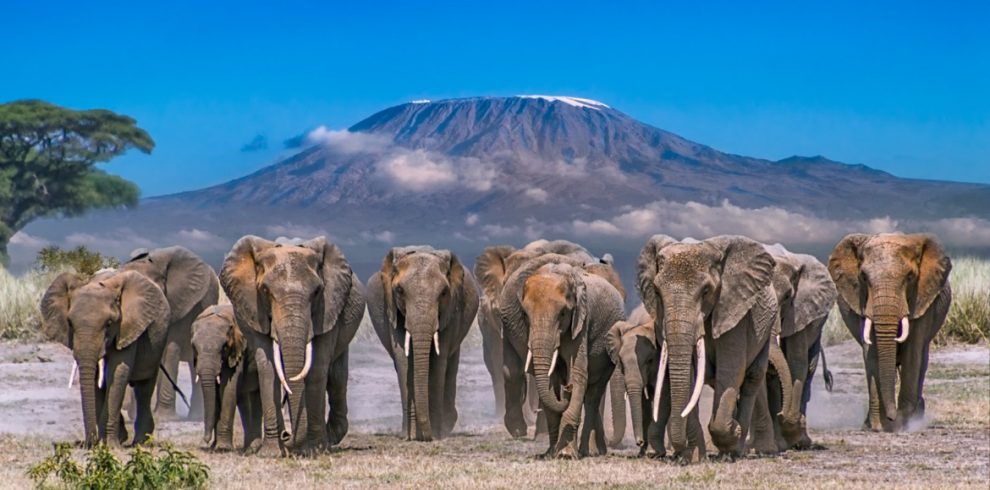
Building on the enchanting scenes described previously, Amboseli National Park‘s essence transcends its geographical beauty, anchoring deeply in its role as a sanctuary for an impressive array of wildlife. Known for its remarkable herds of African bush elephants, the park offers a rare glimpse into the lives of these majestic creatures, seen wandering against the backdrop of Mount Kilimanjaro. Their significant numbers and sociable nature provide not only breathtaking sights but also critical data for elephant conservation efforts.
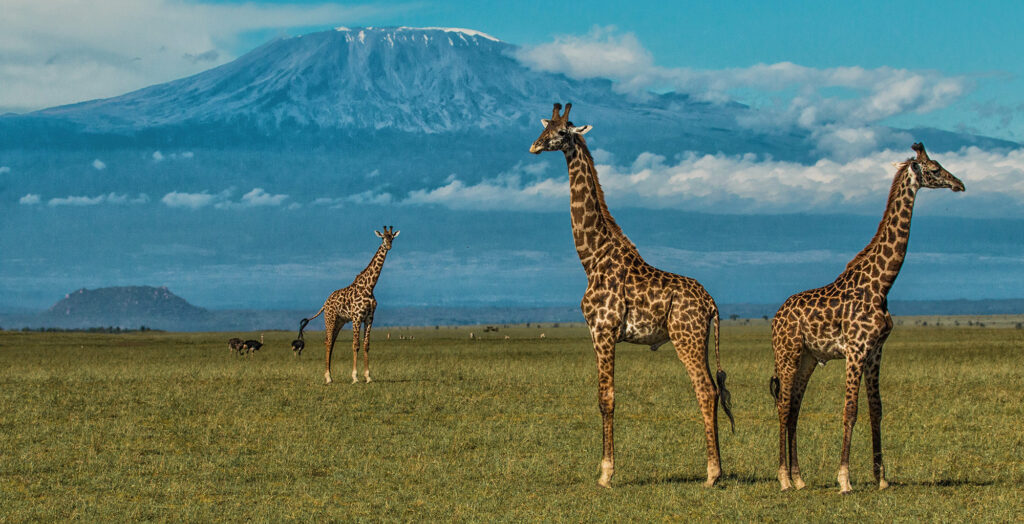
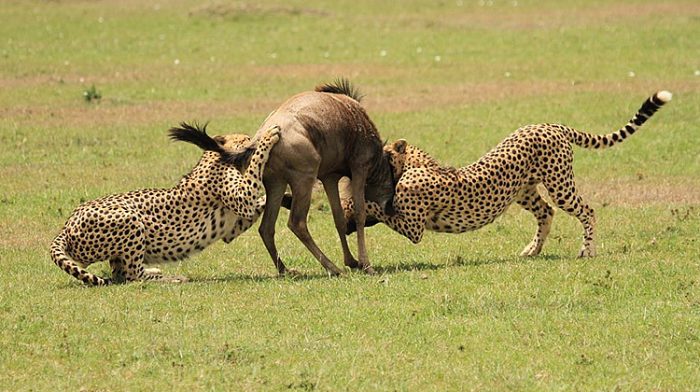
The elephant herds are but a fraction of Amboseli’s biological canvas. Lions, emblematic of the African savannah’s raw power and grace, roam the landscape, their roars echoing in the early morning mist. Cheetahs, with their unmatched agility and speed, can be spotted in the pursuit of prey, a testament to the savannah’s unforgiving yet nurturing nature. Furthermore, giraffes, with their long necks and gentle demeanor, navigate the plains, adding an almost serene touch to the park’s vibrancy.
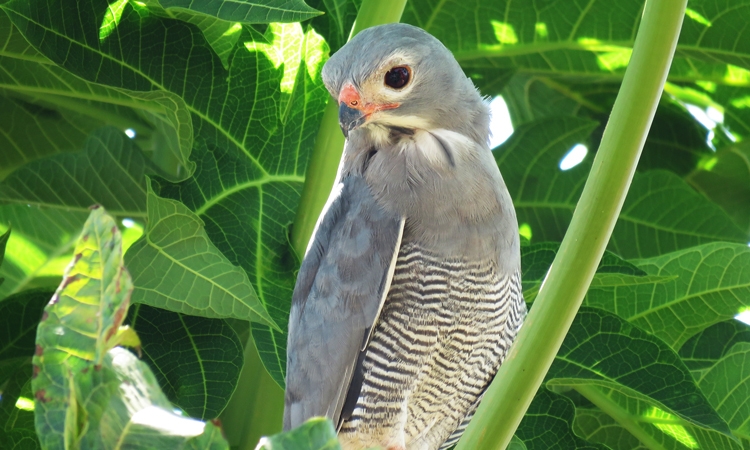
This flourishing terrestrial ecosystem is paralleled by an equally vibrant avian world. With over 400 species of birds making Amboseli their home, birdwatching becomes an activity of endless discovery. From the striking colors of the lilac-breasted roller to the distinctive call of the African fish eagle, the park is a haven for ornithologists and amateur bird enthusiasts alike. Each species, whether resident or migratory, plays a pivotal role in the ecological balance, contributing to the park’s biodiversity and the larger conservation narrative.
Understanding Amboseli’s wildlife is to recognize the interconnectedness of this ecosystem. The delicate balance maintained between predator and prey, the migratory patterns influenced by seasons, and the symbiotic relationships among species underscore the importance of conservation efforts. These efforts ensure that Amboseli remains a bastion for biodiversity, offering insights into the natural world that are both profound and essential for the broader environmental conservation discourse.
In the continuum of Amboseli’s narrative, the subsequent chapter delves into the rich tapestry of human culture interwoven with this land. The Maasai community, with their deep-rooted traditions and sustainable living practices, not only enriches the visitor’s experience but also plays a vital role in the conservation ethos that defines Amboseli National Park.
Cultural Heritage and the Maasai Community
The Maasai community, indigenous to the regions around Amboseli National Park, are not just residents but are integral to the park’s identity and conservation. Their rich cultural heritage, deeply intertwined with the savannah and wildlife, provides a unique perspective on life in harmony with nature. The Maasai have pastoralist roots, moving with the seasons to graze their livestock. This nomadic lifestyle, though evolved, still respects the patterns of the land, embodying a living symbiosis with the park’s ecosystems.
Their traditional practices, from dress to social structure, are a vibrant thread in the fabric of the Amboseli experience. Visitors are often welcomed with dances, stories, and the opportunity to visit Maasai villages, known as “Manyattas,” to witness their way of life firsthand. These cultural interactions enrich the safari experience, offering insights into the human element in wildlife conservation.
Equally significant is the Maasai’s stewardship of the land. Recognizing the interconnected fate of their cattle and the park’s wild species, Maasai communities have been active participants in conservation efforts. They work alongside scientists and conservationists in initiatives such as the Amboseli Elephant Research Project and the Amboseli Baboon Project, mentioned in the subsequent chapter. By blending traditional knowledge with modern conservation practices, the Maasai contribute invaluable insights into sustainable living and wildlife protection.
Engaging with Maasai culture adds a profound layer of appreciation for visitors. It’s a reminder that Amboseli’s beauty is not only in its landscapes and wildlife but also in its people, who remain the guardians of this untamed land. Through their role in tourism, the Maasai not only share their heritage but also champion the conservation causes critical to Amboseli’s future, creating a bridge between tradition and modernity in the heart of Kenya.
Conservation Initiatives and Research Projects
Building upon the rich cultural tapestry provided by the Maasai community in the previous chapter, this segment delves into the vital conservation initiatives and research projects underway in Amboseli National Park. Noteworthy among these is the Amboseli Elephant Research Project, a groundbreaking study that has been shedding light on the complex social structure and behavior of African elephants for over four decades. This project has not only advanced our understanding of these majestic creatures but also played a crucial role in formulating effective conservation strategies that ensure their survival against pressing threats such as poaching and habitat loss.
Similarly, the Amboseli Baboon Project stands out as another cornerstone of conservation efforts within the park. By focusing on the behaviors, social relationships, and genetic patterns of baboons, this research has provided invaluable insights into the primates’ adaptability to environmental changes and the impacts of human activity on their populations. The knowledge garnered from the Baboon Project has significantly influenced the park’s management policies, ensuring a balance between wildlife protection and the sustainable development of the surrounding areas.
Both of these projects exemplify the collaborative spirit of conservation, involving local communities, international researchers, and conservation organizations. By coupling scientific research with community engagement, Amboseli has become a model for sustainable tourism that not only offers visitors an unforgettable experience but also contributes to the conservation of its iconic wildlife. As the chapter transitions into planning your Amboseli safari adventure, it’s essential to recognize that the beauty and diversity of Amboseli’s landscapes are preserved through these dedicated efforts, ensuring that future generations can also marvel at and learn from the wonders of this extraordinary ecosystem.
Planning Your Amboseli Safari Adventure
Prepare for an unforgettable adventure in Amboseli National Park. This chapter provides practical information on travel tips, the best times to visit, accommodation options, and must-see attractions. Discover how to make the most of your safari experience, whether through guided tours or self-guided explorations amid Amboseli’s breathtaking panoramas.
Conclusions
Amboseli National Park offers a unique blend of wildlife, scenic beauty, and cultural richness. From the savannahs teeming with elephants to the cultural vibrancy of the Maasai, Amboseli is a testament to Kenya’s natural and cultural heritage. As conservation efforts continue, Amboseli remains an embodiment of eco-tourism, inviting travelers to engage with nature responsibly and immerse in its splendor.