Tsavo National Park is a stunning expanse of wilderness located in Kenya, encompassing arid landscapes, diverse wildlife, and rich history. This article delves deep into the heart of Tsavo, exploring its geography, wildlife, and the enchanting tales that make it an iconic safari destination.
The Expanse of Tsavo: Geography and Landscape
Spanning an impressive geographical layout, Tsavo National Park unfolds across the rugged terrain of Kenya, showcasing a diverse canvas of natural wonders. At the heart of this vast wilderness flows the Galana River, a lifeline that meanders through the park, nurturing a rich ecosystem in its wake. This majestic river not only supports the myriad forms of life found within the park but also carves out stunning features such as the Lugard Falls, where water cascades with sheer force over rocks, creating a mesmerizing spectacle.
Another remarkable geological feature is the Yatta Plateau, recognized as the world’s longest lava flow. Stretching over 290 kilometers, this plateau towers above the surrounding landscape, offering an unparalleled view of the park’s expanse. Its origin, rooted in volcanic activity, adds a layer of intrigue to the region’s already fascinating geological history.
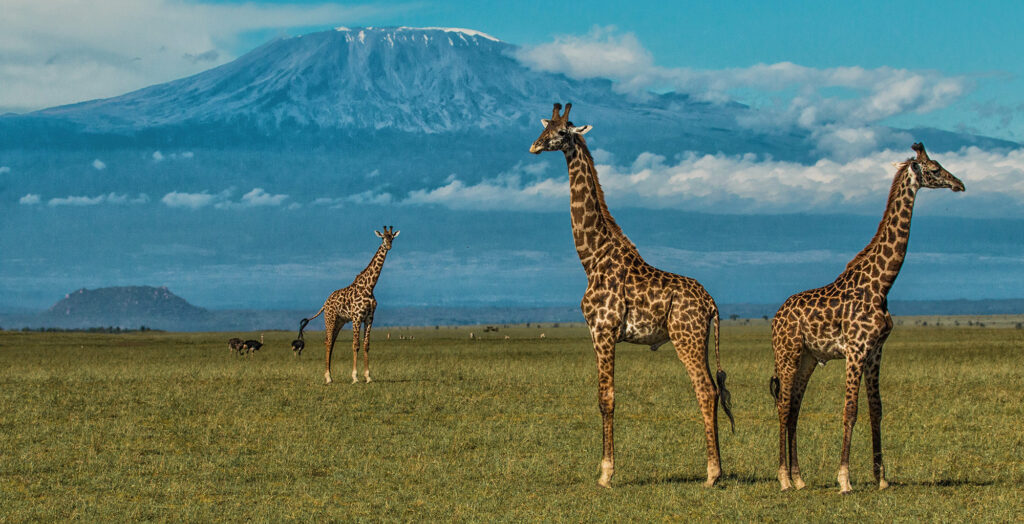
The landscape of Tsavo is further characterized by its vast, semi-arid grasslands and savannas. These sprawling flat plains provide a habitat for the park’s diverse wildlife while also painting a picture of serene beauty that captivates visitors. The arid conditions and scattered water sources create a unique ecosystem where an astonishing variety of animals and plants have adapted to thrive.
In juxtaposition to its tranquil beauty, the park’s terrain is a testament to the relentless forces of nature that have shaped it over millennia. From the rushing waters of the Galana to the silent, stoic presence of the Yatta Plateau, Tsavo’s geography and landscape invite exploration and wonder, offering a glimpse into the raw, unbridled wilderness that defines Kenya’s vast wilderness.
A Journey through Time: Archaeology and History
Delving into the archaeological and historical depths of Tsavo reveals a captivating journey through time. Along the banks of the ancient Galana River, evidence of the Late Stone Age economy uncovers the early human reliance on these verdant landscapes. These early inhabitants shaped tools, signifying a sophisticated interaction with their environment, pivotal for their survival and progression. Moving forward in time, the interactions with the Swahili people along the coast introduced Tsavo into a broader network of trade. Ivory, a prized possession, and likely slaves, were exchanged, integrating Tsavo into historical trade dynamics that stretched across continents.
The arrival of British colonial forces in the late 19th and early 20th centuries marked a turning point for Tsavo. The ambitious endeavor to construct a railway across the park heralded an era of struggle and adaptation for both the land and its inhabitants. It was during this period that the tale of the Man-Eaters of Tsavo emerged, lion attacks on the railway workers that etched the park into global folklore, illustrating the relentless and untamed spirit of Tsavo’s wilderness.
The transformation of Tsavo into a national park is a testament to humanity’s evolving relationship with nature. From a land once traversed and exploited for its resources and strategic value, Tsavo has become a sanctuary, preserving a slice of Africa’s wild heart. This conservation milestone reflects a broader recognition of the value of natural heritage, safeguarding it for future generations while still bearing the marks of its tumultuous history.
As we transition to exploring Tsavo’s present-day embodiment as a haven for diverse wildlife, it’s imperative to acknowledge this intricate tapestry of human history and its enduring influence on the landscape. The archaeological and historical narratives of Tsavo are not merely vestiges of the past but are living testimonies of resilience and transformation, shaping the identity and conservation ethos of Tsavo National Park today.
The Wild Heart of Tsavo: Animal Diversity and Habitats
Diving deeper into the fabric that weaves Tsavo’s natural history, we transition from its archaeological wonders to the living treasures that roam its vast landscapes today. Tsavo National Park, a sanctuary for a plethora of species, showcases an unmatched array of wildlife, each adapted to thrive in the park’s complex ecosystems. At the heart of Tsavo’s biodiversity are the majestic ‘big five’ – lions, leopards, rhinoceros, elephants, and Cape buffalo. These iconic species not only symbolize Africa’s rich wildlife heritage but also play crucial roles in maintaining ecological balance.
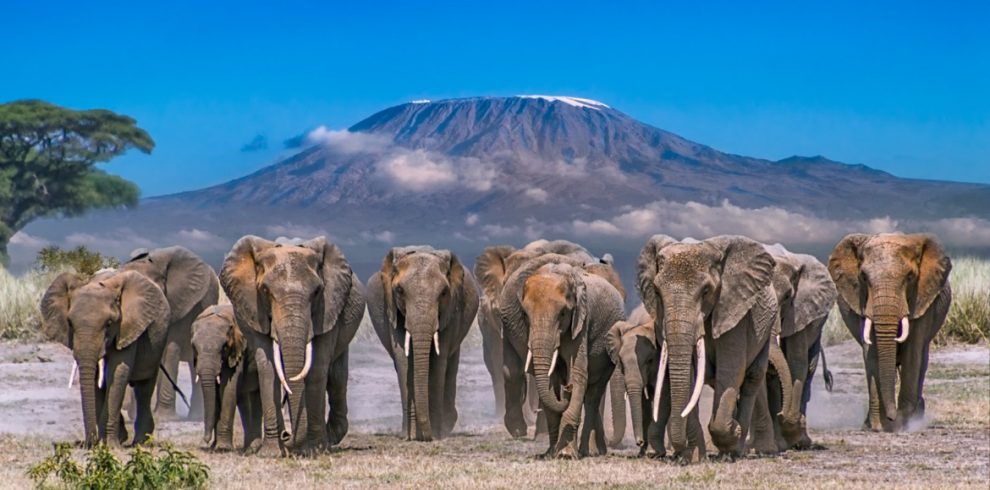
The stark landscapes of Tsavo, shaped by semi-arid climate and rugged terrain, have fostered unique adaptations among its inhabitants. Elephants, for instance, have evolved to travel long distances in search of water, showcasing an impeccable memory that guides them back to water sources season after season. The iconic red elephants of Tsavo, dusted in the park’s red soil, exhibit a distinct adaptation to their environment, using dust as a protective layer against parasites and the sun’s scorching rays.
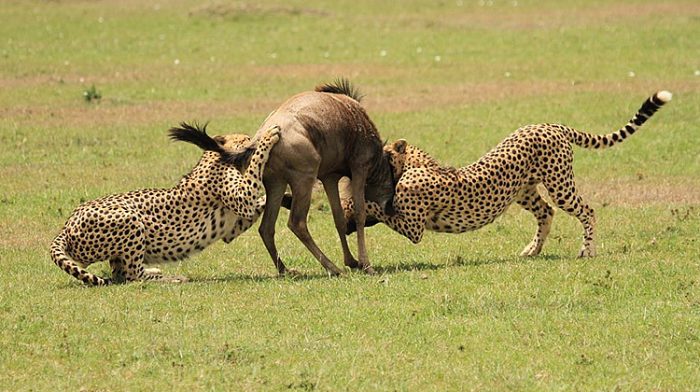
Water sources such as the Aruba Dam emerge as oases in the arid expanse, drawing a diverse crowd of wildlife. These crucial gathering spots become stages where the drama of survival unfolds – predators and prey in a delicate dance of life and death. The dam not only supports the park’s animals during dry spells but also enhances bird-watching opportunities, with over 500 bird species recorded, adding a colorful contrast to the predominantly arid landscape.
Tsavo’s arid environment and its water sources underscore the park’s incredible biodiversity, presenting a living laboratory for studying animal behaviors and adaptations. As we shift our narrative from Tsavo’s living inhabitants to the challenges they face, it is clear that the park’s future hinges on the delicate balance between conservation efforts and the pressures of external threats. The dynamic story of Tsavo continues, with conservation at the forefront, aiming to protect this irreplaceable repository of wildlife, ensuring that Tsavo remains a beacon of natural wonder for generations to come.
Conservation Efforts and the Challenges Ahead
Following the exploration of the vibrant wildlife and intricate ecosystems of Tsavo National Park, the importance of conservation efforts becomes undeniably clear. The Kenya Wildlife Service (KWS) plays a crucial role in these endeavors, tasked with the monumental challenge of safeguarding the park’s natural beauty and biodiversity. KWS’s responsibilities include anti-poaching operations, wildlife monitoring and research, habitat preservation, and community outreach programs aimed at fostering coexistence between humans and wildlife.
However, the journey towards conservation is fraught with challenges. Poaching remains a significant threat, with elephants and rhinos being prime targets for their ivory and horn, respectively. The KWS employs anti-poaching patrols and advanced technology, such as aerial surveillance, to combat these illegal activities, but the vastness of Tsavo and limited resources make this an ongoing struggle.
Human-animal conflict presents another set of challenges. As the human population encroaches on the park’s boundaries, instances of conflict have increased, with animals wandering onto farmlands and human settlements, leading to the destruction of property and loss of livestock. In response, KWS and various non-governmental organizations have initiated community-based conservation programs. These initiatives aim to mitigate conflict through measures like the construction of predator-proof bomas (livestock enclosures) and community education on living harmoniously with wildlife.
Conservation efforts in Tsavo also focus on ecosystem management and restoration projects, essential for maintaining the park’s ecological balance. Initiatives include water conservation schemes, reforestation, and the reintroduction of species that were previously extirpated from the park. Additionally, research into wildlife diseases and the impacts of climate change on the park’s ecosystems is vital for informing future conservation strategies.
The road ahead is challenging, yet conservationists remain dedicated to protecting Tsavo for future generations. The next chapter will delve into the cultural tapestry of Tsavo, exploring the rich heritage of the Orma pastoralists and Watha hunter-gatherers, whose lives and traditions are deeply entwined with this majestic wilderness.
Tsavo’s Cultural Tapestry: The Peoples and Traditions
The Tsavo National Park, a sanctuary of wildlife and natural beauty, also presents a vibrant cultural landscape, distinct in its traditions and way of life, particularly for the Orma pastoralists and the Watha hunter-gatherers. The Orma, primarily pastoralists, have a profound connection with their cattle, seeing them as not just a source of sustenance but also as a central pillar of their culture and identity. Their nomadic lifestyle, adapted to the rhythms of the dry and wet seasons, has been subtly disrupted by the park’s establishment, leading to negotiated territories and grazing rights.
The Watha community, on the other hand, embodies the spirit of the hunter-gatherer, adept in utilizing the bountiful resources of Tsavo. Historically marginalized, their profound knowledge of the land and its flora and fauna stand as a testament to their resilience and rich cultural heritage. Their traditional practices, from hunting with bows and arrows to gathering medicinal plants, although affected by park regulations, continue under guided provisions that aim to balance conservation efforts with cultural preservation.
Both communities share a deep reverence for the land, which, despite the challenges posed by the park’s regulations, thrives through adaptability and an intricate understanding of their ancestral territory. Their lives, inherently tied to Tsavo, offer invaluable insights into sustainable living and coexistence with nature, contributing a unique thread to the park’s cultural tapestry. The continuity of their traditions amidst changing landscapes underscores the importance of integrating cultural heritage into conservation narratives, ensuring that Tsavo remains a place where both wildlife and human cultures can flourish.
The Mighty Elephants of Tsavo
Tsavo’s vast landscapes are home to some of the most iconic wildlife in Africa, and among these, the mighty elephants stand out. These giants, cloaked in the park’s red dust, embody the spirit of the wild that Tsavo represents. Observing their complex societies and behaviors offers a glimpse into the deep-rooted connections they share with their habitat. The elephants of Tsavo are particularly known for their red dust bathing rituals, a mesmerizing sight that not only keeps them cool but also provides essential protection from parasites and sun damage. This distinctive red hue, caused by the park’s iron-rich soil, serves as a unique identifier for Tsavo’s elephants, setting them apart from other populations across Africa.
Equally fascinating is the matriarchal structure of elephant herds, where the eldest female leads, making crucial decisions for the group’s survival, from remembering distant water sources during dry spells to navigating the vast landscapes of Tsavo. These matriarchal societies are a testament to the deep-seated wisdom and social intricacy present within elephant communities.
However, the splendor of Tsavo’s elephants is shadowed by the persistent threat of poaching, driven by the illegal ivory trade. This menace looms large over their existence, threatening not only individual elephants but also disrupting the delicate social fabric of their societies. Conservation efforts within the park are intensifying, aiming to safeguard these magnificent creatures for future generations. Researchers and conservationists working in Tsavo employ advanced techniques, from aerial surveillance to ground-based monitoring, striving to protect the elephants and understanding their migration patterns, health, and behavior.
As we transition from the terrestrial grandeur of Tsavo’s elephants to the avian marvels that grace its skies in the forthcoming chapter, it’s clear that Tsavo National Park offers a tapestry of life that is both rich and diverse. The transition from the majestic elephants to the vibrant bird species underscores the interconnectedness of all life within the park, each playing a pivotal role in the delicate balance of this ecosystem. The forthcoming exploration into the Birds of Paradise: The Avian Wonders of Tsavo will delve into the incredible variety of birdlife that calls the park home, highlighting the crucial habitats that sustain them, from the lush swamps of Tsavo West to the expansive savannahs. This journey through Tsavo’s avian paradise promises to unveil the wondrous diversity that flourishes within the park, offering a vivid continuation of our exploration into the heart of Kenya’s wilderness.
Birds of Paradise: The Avian Wonders of Tsavo
Following the trails from the distinguished red earth frequented by Tsavo’s mighty elephants, the narrative seamlessly transitions into the ethereal realm of Tsavo’s avian residents. The park’s landscapes, diverse and sprawling, become the backdrop for an avian drama that unfolds in the skies and among the teeming life of the vegetation and water bodies. In Tsavo, bird watchers find a true paradise, a testament to the park’s unparalleled ecological diversity.
Tsavo West, with its enchanting swamps, springs, and the life-giving waters of the Mzima Springs, provides an oasis that attracts numerous bird species, both endemic and migratory. Here, the air is filled with the orchestral sounds of bird calls, a melodic testament to the park’s rich bird life. Amongst the most captivating sights are the vibrant flashes of the Superb Starlings and the intricate nests of the Weaver Birds, artfully hanging from acacia branches. However, Tsavo’s birding allure extends beyond these familiar beauties.
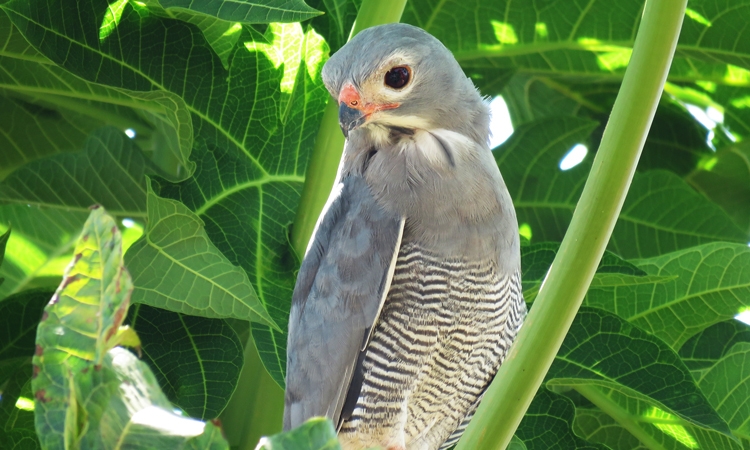
Endemic species such as the Taita Falcon and the Tsavo Sunbird highlight the park’s unique contribution to Kenya’s avian biodiversity. The endangered Sokoke Pipit, also found within the park’s bounds, adds an urgent note to the symphony of Tsavo’s bird life, underscoring the critical importance of conservation efforts within this vast wilderness.
The migratory patterns woven through Tsavo bring seasonal dynamism to the park’s bird populations. European and Asian birds punctuate the Kenyan skies on their annual voyages, turning the park into a crucial stopover that knits the global ecological tapestry tighter together. The presence of Palearctic migrants, such as the Steppe Eagles during certain months, showcases Tsavo’s role in broader ecological phenomena, emphasizing the interconnectedness of habitats and continents.
Tsavo’s avian diversity is not merely a spectacle; it is a critical component of the park’s ecosystem. Birds play indispensable roles in pollination and seed dispersal, facilitating the regeneration of plant life that sustains the park’s diverse fauna. This interdependence between avifauna and flora underscores the delicate balance within Tsavo, a balance upon which the survival of many species hinges.
As we delve deeper into the heart of Tsavo, shifting our focus from the avian wonders above to the flora that underpins the ecosystem below, it becomes increasingly clear how interconnected life in Tsavo truly is. The subsequent exploration into the park’s plant life will illuminate the adaptive strategies of Tsavo’s flora, revealing yet another layer of complexity within this vast Kenyan wilderness.
The Flora of Tsavo: Adapting to Aridity
Following the ethereal beauty of Tsavo’s avian life, the park reveals another dimension of its natural splendor through its resilient flora. In the semi-arid environment of Tsavo, plants have developed remarkable adaptations to survive and thrive. One of the most iconic species is the baobab tree, known for its massive trunk and longevity, which stores water to withstand drought periods. Similarly, the acacia species have deep root systems to access underground water, and their small, waxy leaves reduce water loss, a perfect adaptation to the arid conditions.
Among this tough vegetation, medicinal plants flourish, playing a crucial role in the lives of local communities surrounding Tsavo. For centuries, these communities have harnessed the park’s botanical resources for traditional medicine. Plants such as the Aloe secundiflora are used for their healing and antiseptic properties, treating wounds and various ailments. This traditional knowledge highlights the deep connection between the local people and the natural world, emphasizing the importance of conserving Tsavo’s botanical diversity.
The vegetation in Tsavo is not merely a backdrop for the park’s wildlife; it’s a critical component of the ecosystem. The diverse plant life supports a variety of herbivores, from elephants that feed on the branches of acacias to the black rhinos browsing on the undergrowth. This, in turn, sustains the park’s predators, creating a complex web of life. The flora also plays a significant role in controlling the climate and soil erosion, preserving the habitat for all organisms within the park.
As we venture from the unique flora of Tsavo into the exhilarating world of safaris, it’s evident that Tsavo’s landscapes are a tapestry woven with the threads of its diverse plant life. The upcoming chapter will delve into the heart-stopping safaris and experiences that await in Tsavo, highlighting how the majestic scenery, shaped by its flora and fauna, creates an unforgettable adventure in the wilderness.
Safaris and Experiences: Navigating Tsavo
Embarking on a safari in Tsavo offers an unparalleled journey into the wild, where the splendor of Kenya’s vast wilderness unfolds in dramatic landscapes and mesmerizing wildlife encounters. In the heart of Tsavo, the synergy between its flora and fauna becomes palpable, providing a backdrop that is both rugged and resilient, much like the vegetation described in the previous chapter. The park splits into Tsavo East and Tsavo West, each offering unique experiences rooted in their distinctive ecosystems.
The optimal time to visit Tsavo is during the dry seasons, from June to October and January to February. The scarcity of water during these periods draws animals to waterholes and rivers, presenting ideal opportunities for wildlife viewing. However, the beauty of Tsavo knows no season. Even in the rains, the park transforms, with the arid landscapes giving way to flourishing grasslands and blooming flowers, a testament to the enduring adaptability of its flora.
Safaris in Tsavo can range from day trips to longer excursions, with options that cater to the adventurous spirit of every traveler. Guided game drives offer the classic safari experience, navigating the red dust trails in search of the Big Five. Walking safaris, on the other hand, provide a more intimate encounter with Tsavo’s diverse ecosystems, offering a closer look at the park’s flora, detailed in the preceding chapter, and smaller inhabitants that play crucial roles in its ecological balance.
To truly immerse oneself in the Tsavo experience, visitors are encouraged to stay within the park’s boundaries. Accommodations vary from luxury lodges to tented camps, all designed to harmonize with the surroundings while minimizing environmental impact. This commitment to sustainable tourism ensures that the majesty of Tsavo’s wilderness continues to thrive, setting the stage for the conservation efforts discussed in the next chapter.
For those planning a safari in Tsavo, it’s essential to respect the park’s guidelines to ensure the safety of both visitors and wildlife. Hiring a seasoned guide can enhance the safari experience, providing insights into the park’s history, its complex ecosystems, and the behaviors of its wildlife. Furthermore, visitors are urged to practice responsible tourism by minimizing their environmental footprint, a principle that aligns with the overarching theme of preservation highlighted in the following chapter.
Tsavo offers an adventure that goes beyond wildlife viewing. It is an invitation to witness the intricate balance of nature, where every element, from the smallest plant to the largest elephant, plays a role in sustaining the park’s vibrant ecosystem. It is here, amidst the untamed beauty of Tsavo, that visitors can truly connect with the wild, carrying forward the message of conservation and the importance of protecting these timeless landscapes for future generations.
Preserving a National Treasure: Tsavo’s Future
Building on the rich safari experiences that Tsavo offers, the park’s future shines bright with initiatives aimed at preserving this national gem. Integral to these efforts is the fostering of sustainable tourism, ensuring that the natural beauty and the diverse ecosystems thrive alongside tourist activities. Conservation projects are at the heart of Tsavo’s future, targeting the rehabilitation of habitats and the protection of its vast species from the threats of poaching and climate change. Innovative techniques, such as the deployment of smart technology for monitoring wildlife and the introduction of community-based conservation strategies, mark a forward-thinking approach to conservation. These projects not only enhance the park’s ecological balance but also ensure that the local communities benefit from the park’s preservation.
The global significance of Tsavo cannot be overstated, serving as a crucial sanctuary for some of Africa’s most iconic wildlife and as a vital ecosystem that contributes to the planet’s biodiversity. Efforts to maintain Tsavo’s wilderness involve collaboration between government bodies, conservation organizations, and the global community, underlining the universal value of safeguarding this natural treasure. As Tsavo continues to evolve, these concerted efforts promise to secure its status as a beacon of wildlife conservation and sustainable tourism, preserving its majesty for future generations to explore and cherish.
Conclusions
Tsavo National Park is more than a wildlife sanctuary; it is a symbol of nature’s resilience and beauty. This article explored its varied landscapes, rich history, and the concerted efforts to preserve its unique ecosystem. As we reflect on Tsavo’s majesty, it’s our collective responsibility to ensure its future.