Embark on an exploration of Tsavo National Park, Kenya’s largest and oldest park. Spanning over 22,000 square kilometers, it offers a stunning mosaic of savanna, wildlife, and unique geological formations. This article delves into Tsavo’s grandeur, from its diverse ecosystems to its rich cultural heritage, inviting readers on a captivating voyage through this natural wonder.
The Landscape of Tsavo
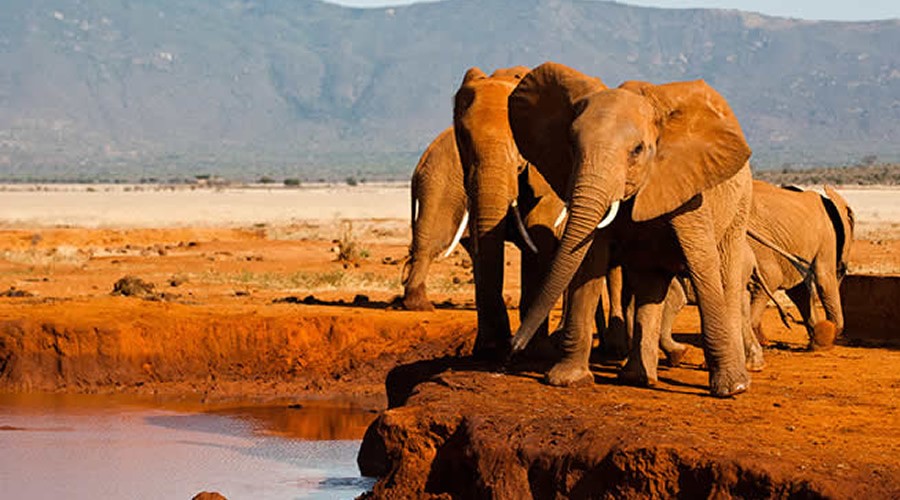
Exploring Tsavo National Park unveils a geographical tapestry as diverse as its fauna. At its heart, the Yatta Plateau stretches out, claiming the title of the world’s longest lava flow—a testament to the earth’s fiery underbelly. This igneous giant, visible even from space, acts as a natural barrier, its arid surface telling tales of ancient volcanic fury. As one journeys across the park, Mudanda Rock emerges, an iconic inselberg resembling a petrified whale. It is a natural water catchment, drawing herds of elephants to its pools, an oasis in the parched landscape where the drama of survival unfolds daily. Not far off, the Lugard Falls carves through the rock, its waters sculpting grooves and gorges over millennia. Here, the Galana River transforms, its smooth flow interrupted by rapids and crocodile-infested pools, showcasing the raw power of nature. Tsavo’s landscapes offer more than visual splendor; they shape the lives of its inhabitants. The arid plains and riverine environments present a mosaic of ecosystems, each fostering a unique assemblage of wildlife. The vast expanses encourage the wanderings of large elephant herds, while the denser foliage near water sources provides refuge for predators and their prey. This dynamic interplay between geography and life breathes vitality into Tsavo, making it a world unto itself, where the wild roams free and the land whispers tales of the earth’s ancient past.
A Walk Through History and Archaeology
Delving deeper into Tsavo’s tapestry, we uncover layers of history and archaeology that tell of its ancient past. Alongside the Galana River, evidence of Stone Age settlements hints at early human life, thriving centuries ago in what is now Kenya’s largest national park. These archaeological sites reveal tools and remnants that speak volumes of the hunter-gatherer communities that once roamed these lands.
The chronicles of Tsavo are further enriched by its interactions with Swahili merchants, indicating a bustling trade network that connected the interior to the coastal regions. These exchanges facilitated not only the trade of goods but also the flow of culture and technology between different societies, contributing to the dynamic history of the region.
A pivotal moment in Tsavo’s history is marked by the construction of the Uganda Railway in the late 19th century. This endeavor, aimed at linking the Kenyan coast with the interior lands, brought about significant ecological and social changes. It was during this period that the legend of the Tsavo Man-Eaters emerged, as two lions notoriously preyed on railway workers, weaving a tale that has become folklore, reflecting the unpredictable nature of the wilderness.
The impact of colonial and post-independence transformations on Tsavo and its local communities cannot be overlooked. The establishment of the national park in the colonial era, and subsequent shifts in land use and conservation practices, have shaped the socio-economic dynamics of the region. These changes led to alterations in the traditional lifestyles of the local communities, stirring a complex relationship between conservation efforts and human livelihoods.
As we transition from Tsavo’s historical narratives to its vibrant ecosystems, we are reminded of the park’s role as a guardian of both cultural heritage and natural beauty. The stories etched in its landscape serve as a bridge to the next chapter, where we explore the rich fauna that calls this savannah home, underscoring the importance of preserving this unique heritage for future generations.
The Fauna of the Savannah
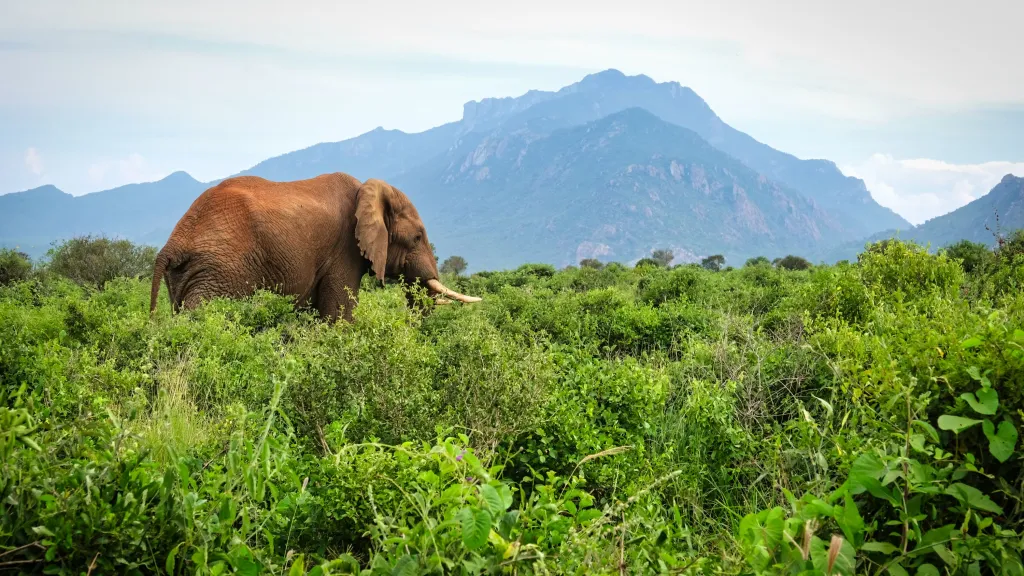
Dive into the rich tapestry of wildlife in Tsavo, a haven for biodiversity that stands in stark contrast to the historical human narrative explored in the preceding chapter. Tsavo, bisected into East and West by the Mombasa-Nairobi highway, encompasses a vast expanse of savannah, home to a diverse population of large mammals. Among these, the elephants of Tsavo are particularly noteworthy; they roam in herds that color the landscape, painting a picture of wild Africa untouched by time. Their survival, however, is a testament to the park’s concerted conservation efforts, aimed at protecting these majestic creatures from the threats of poaching and habitat loss.
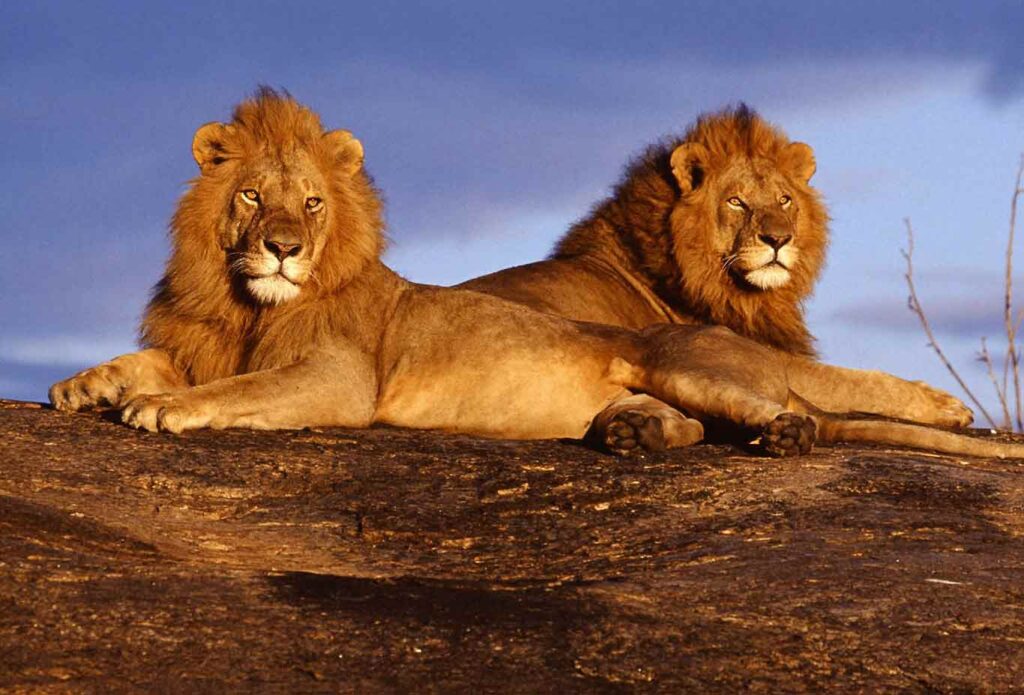
Equally fascinating is the tale of the Tsavo lions, a pride that deviates from the norm with their maneless males. This unique trait has puzzled scientists and fascinated tourists, contributing to Tsavo’s mystique. The lion’s adaptation to Tsavo’s harsh environment underscores the park’s role in nurturing biodiversity, offering a sanctuary where evolution plays out in real-time.
The park also serves as a critical habitat for the critically endangered black rhino, which has been the focus of intensive preservation efforts. These initiatives underscore the complex challenges facing Tsavo, where the encroachment of human settlements and the resulting human-animal conflicts pose a constant threat to its inhabitants.
In addressing these challenges, Tsavo’s management has pioneered innovative strategies to mitigate human-wildlife conflicts, ensuring the park remains a refuge for its diverse fauna. Such efforts are crucial in maintaining the balance between conservation and the needs of the surrounding communities, a narrative that extends beyond the confines of Tsavo to reflect the broader struggle for wildlife preservation in Kenya and Africa as a whole.
As we transition from the fauna-rich savannahs to the resilient flora that defines the next chapter of Tsavo’s ecological tapestry, the importance of preserving this delicate balance becomes ever clearer. The subsequent exploration of Tsavo’s plant life, from its diverse grasses to its remarkable adaptability, will further illuminate the intricate web of interactions that sustains one of Africa’s most majestic landscapes.
The Flora: More Than Just Grasslands
In the shadow of Tsavo’s celebrated fauna, the park’s flora emerges as a testament to resilience and adaptability. Amidst the semi-arid landscapes that define this Kenyan jewel, a myriad of plant species thrives, each uniquely evolved to withstand the challenging conditions. The diversity of grasses, integral to the diets of many herbivores, forms a cornerstone of Tsavo’s ecosystem. Species like the red oat grass and buffalo grass carpet vast expanses, providing sustenance to elephants, zebras, and other grazers, thereby orchestrating an intricate balance within the food web. Beyond the grasslands, the park is dotted with baobabs and acacias, whose deep-rooted systems draw water from depths unreachable to others, a magnificent adaptation to the arid climate. These trees not only offer shade and reprieve to wildlife but also serve as critical nesting and feeding sites, showcasing the profound interconnectedness of flora and fauna within this complex ecosystem. Through the stark dry seasons and the rejuvenating rains, Tsavo’s plant life demonstrates an enduring vigor, underpinning the survival of its majestic wildlife and maintaining the delicate equilibrium of one of Kenya’s largest national parks.
Conservation Efforts and Challenges
Building on the foundation of understanding the crucial role of flora in Tsavo National Park, the conservation efforts within this magnificent wilderness are paramount in preserving its diverse ecosystem. The Kenyan government, along with various non-governmental organizations, has laid down an extensive framework of conservation strategies focused on anti-poaching patrols and habitat preservation, addressing the imminent threats endangering this natural treasure. These strategies are not only critical in protecting the broad variety of plant species discussed previously but are also vital for the overall health of the park’s complex ecosystem.
Anti-poaching units operate with unwavering dedication, employing advanced surveillance technologies coupled with ground patrols to deter and detect illegal activities. Their relentless pursuit of poachers is a testament to their commitment to safeguard the park’s wildlife. However, the challenge of poaching remains a formidable foe, with ivory and rhino horn trade driving illegal hunting. Innovative solutions, such as the deployment of sniffer dogs and aerial drones, have been introduced to enhance the efficiency of these patrols, showing promising results in curtailing poaching incidents.
Habitat preservation efforts are equally crucial, focusing on the meticulous management of the park’s vast landscapes to ensure the survival of its diverse flora and fauna. Controlled burning and the creation of waterholes are among the techniques employed to mimic natural processes, maintaining the balance of the ecosystem. However, human encroachment poses a significant threat, as expanding agricultural activities and settlements infringe upon wild spaces, leading to habitat degradation and conflicts between wildlife and local communities.
Moreover, climate change introduces additional complexities, altering rainfall patterns and threatening the delicate balance of Tsavo’s ecosystems. In response, conservationists are engaging in reforestation projects and water conservation techniques to combat the effects of climate change, ensuring the resilience of the park’s ecosystem.
As we transition to discussing birdlife and biodiversity, it’s clear that the concerted conservation efforts in Tsavo not only protect its unique flora but also create a sanctuary for an incredible array of avian species. The success of these conservation strategies is pivotal for the preservation of Tsavo’s natural heritage, reflecting a beacon of hope for biodiversity conservation in the face of daunting challenges.
Birdlife and Biodiversity
Building on the foundation of extensive conservation efforts that focus on safeguarding Tsavo’s rich biodiversity, the park also emerges as a sanctuary for bird enthusiasts, showcasing an avian paradise that is as diverse as it is vibrant. Tsavo’s skies and treescapes are adorned with an impressive array of bird species, ranging from the delicate sunbirds, flaunting their iridescent plumage, to the commanding presence of birds of prey like eagles and hawks, who survey the land with a keen eye. These birds not only add to the park’s visual and auditory tapestry but play crucial roles in the ecosystem, engaging in pollination and controlling pest populations, thereby maintaining the delicate balance of nature within the park. For birdwatchers from across the globe, Tsavo offers an unparalleled opportunity to observe these avian wonders in their natural habitat, contributing to the park’s appeal as a premier destination for wildlife tourism. This biodiversity underscores the importance of the conservation initiatives discussed earlier, highlighting the interconnectedness of all life within Tsavo. The presence of diverse water sources like the Athi-Galana-Sabaki River, Aruba Dam, and Mzima Springs in the following chapter, further elaborates on the sustaining factor these bodies play for birds and other wildlife, shaping their patterns of movement and survival in the dynamic landscape of Tsavo.
The Role of Water Sources
In the heart of Tsavo, water sources such as the Athi-Galana-Sabaki River, the Aruba Dam, and the Mzima Springs stand as the lifelines of the park’s diverse ecosystems, just as the myriad bird species adorn its skies. These vital water bodies not only sculpt the landscape but in essence, drive the very cycles of life within Tsavo West, influencing both the movement and survival of its wildlife. The Athi-Galana-Sabaki River, flowing through the arid terrain, becomes a critical gathering point for elephants, lions, and even the lesser-seen animals, offering a dynamic stage for predator-prey interactions. Nearby, the Aruba Dam creates a serene oasis that attracts great congregations of waterbirds, adding another layer to Tsavo’s avian diversity. However, it is perhaps the Mzima Springs that most vividly capture the essence of life in Tsavo, with their clear waters supporting a rich underwater world visible from viewing chambers, and serving as a crucial source for both animals and the surrounding vegetation.
The inherent connection between these water sources and the survival of Tsavo’s fauna emphasizes the subtle balance within the ecosystem, where water acts as a pulse, shaping the movement across the vast landscapes. Similarly, surrounding vegetation thrives around these aquatic havens, creating lush patches in an otherwise arid region, which in turn support herbivores and the predators that follow. As we transition from the vibrant birdlife to the cultural tapestries of the communities around Tsavo, the significance of water bodies in supporting not only the wildlife but also in shaping the human-animal interactions becomes even more apparent. The interdependence between water, wildlife, and human communities underscores a shared struggle for survival and coexistence in the harsh yet beautiful Tsavo environment.
The Tsavo Community and Cultural Heritage
In the heart of Kenya, Tsavo National Park not only stands out for its vast landscapes and abundant wildlife but also for the rich cultural tapestry woven by the communities that border this majestic wilderness. The Orma pastoralists and the Watha hunter-gatherers have lived in harmony with this land for centuries, their lives and traditions deeply intertwined with the ecosystem of Tsavo. The Orma, primarily pastoralists, are known for their deep understanding and respect for the natural cycles of the park, moving their herds in sync with the rains and the growth of new pasture. This nomadic lifestyle, deeply rooted in the rhythm of the earth, showcases a living example of sustainable interaction with the environment.
The Watha, on the other hand, have a rich history as hunter-gatherers, possessing an intimate knowledge of the flora and fauna that thrives in Tsavo. Their traditional practices and rituals offer a glimpse into a life that is intricately linked with the natural world, a stark reminder of the human species’ connection to the land. These communities not only contribute to the cultural heritage of the park but are also key players in the modern-day conservation efforts. Their traditional knowledge and practices are invaluable in guiding sustainable tourism and conservation strategies.
With the burgeoning field of eco-tourism, these communities have found new ways to engage with and benefit from the park. Community-led initiatives and partnerships with conservation organizations are empowering the Orma and Watha to preserve their cultural heritage while also playing a crucial role in the conservation of Tsavo’s wilderness. By involving local communities in eco-tourism, Tsavo is setting a precedent for conservation models that are inclusive, sustainable, and respectful of cultural heritage.
This unique blend of cultural depth and community involvement in Tsavo’s conservation efforts bridges the gap between the past and the present, offering visitors a more enriching experience. As we venture into the next chapter on Adventure and Tourism in Tsavo, it’s essential to recognize the cultural layers that add to the park’s majesty, inviting us to explore not just the wilderness but also the human stories intertwined with this land. The commitment of the Tsavo community to conservation and sustainable tourism is a powerful testament to the potential for human-nature coexistence, setting the stage for a responsible and deeply meaningful exploration of Tsavo’s natural wonders.
Adventure and Tourism in Tsavo
Building on the rich cultural heritage and the vital community involvement in conservation outlined in the previous chapter, Tsavo National Park offers a wide array of touristic activities that deeply immerse visitors in the heart of Kenya’s wilderness. Wildlife safaris present an unparalleled opportunity to observe the park’s diverse animal inhabitants in their natural habitat. These safaris range from thrilling drives at dawn or dusk, capturing the essence of the African wild, to aerial tours that offer a bird’s eye view of the expansive landscape and its inhabitants.
For those who prefer a closer encounter with nature, guided hikes lead by knowledgeable locals traverse through varied terrains, offering insights not only into the flora and fauna but also into the conservation efforts that help sustain this biodiversity. Camping in designated areas within Tsavo allows visitors to experience the untamed wilderness under the African sky, presenting a unique blend of adventure and tranquility.
Photographic tours within Tsavo cater to both amateur and professional photographers, providing them with opportunities to capture the majestic beauty of the landscape and its wildlife. The golden hours of dawn and dusk offer magical light, creating a perfect canvas for memorable photographs.
The importance of tourism to Tsavo cannot be overstated. It plays a crucial role in the park’s conservation funding, ensuring that the beauty and diversity of Tsavo’s ecosystems are preserved for future generations. Every safari, hike, and camping experience contributes to this, intertwining the joy of discovery with the responsibility of conservation.
As we look towards the future prospects for Tsavo, it becomes clear that the sustainability of its tourism and the effectiveness of its conservation initiatives will be pivotal. The engagement and support of visitors in the park’s touristic activities not only fuel the local economy but also bolster global efforts in wildlife and habitat preservation, making each adventure in Tsavo a step towards a more sustainable and conserved natural world.
Future Prospects for Tsavo
In the wake of global environmental shifts, Tsavo National Park emerges as a paramount sanctuary for an array of wildlife, signifying a beacon of hope in the biodiversity conservation landscape. The dual threats of climate change and human encroachment underscore Tsavo’s critical role as a natural habitat and a vital bastion for ecological research. The park’s expansive wilderness, home to diverse species, offers a unique laboratory for studying adaptations and behaviors of fauna and flora in their natural settings, contributing valuable insights toward global conservation science. Initiatives such as reforestation, anti-poaching campaigns, and sustainable tourism practices play pivotal roles in its preservation. Tsavo’s alliance with international conservation bodies amplifies its resilience against environmental adversities, ensuring its majestic wilderness remains a testament to the enduring power of nature and conservation. The future prospects for Tsavo hinge on a balanced synergy between ecological integrity and humanity’s commitment to safeguarding this natural heritage, making it an exemplar of conservation endeavors on the global stage.
Conclusions
The exploration of Tsavo National Park reveals a world where nature’s majesty and historical depth converge. Stewardship of this vast sanctuary is critical to preserving its unique biodiversity and cultural heritage. It serves as a beacon for conservation, embodying the beauty and fragility of our planet.