Kenya stands out as the quintessential adventure travel destination in Africa, offering an unparalleled array of wildlife, breath-taking landscapes, and cultural experiences. This article delves into the wonders that make Kenya a must-visit for every adventure enthusiast.
The Heart of African Wildlife
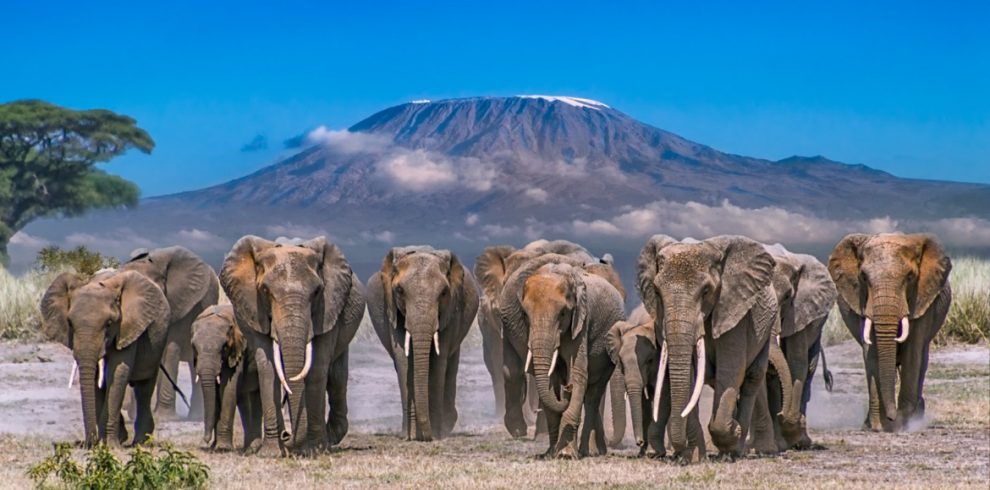
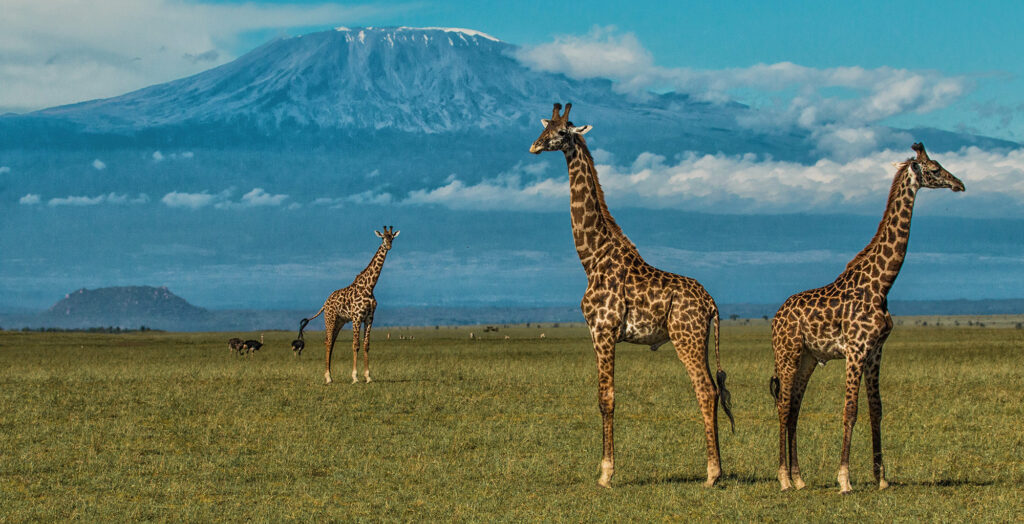
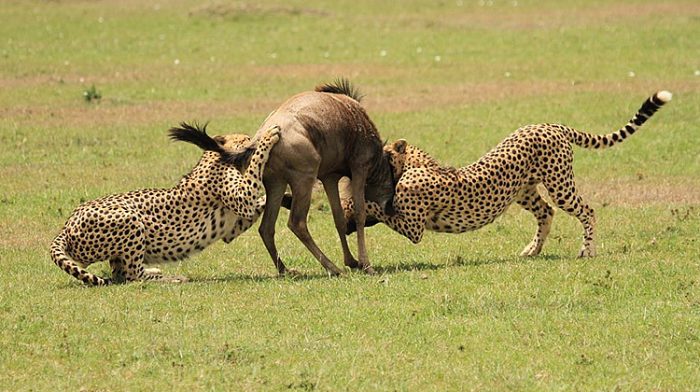
Explore the majestic wildlife that defines Kenya as Africa’s adventure crown jewel. Kenya’s iconic savannahs teem with diverse fauna, including the ‘Big Five’: lions, leopards, African buffalos, elephants, and rhinos. These lands are not merely about the grandeur of seeing these magnificent creatures in their natural habitat but understanding the complex and nuanced ecosystems that support such great diversity. The savannah, with its vast grasslands interspersed with acacia trees, is not just a picturesque backdrop. It’s a sophisticated ecosystem that balances predator and prey, ensuring the survival of a wide array of species. Moreover, the seasonal rhythms of Kenya’s climates, from rainy spells to dry periods, dictate the movement and behaviors of these animals, creating a dynamic wildlife spectacle unrivaled anywhere in the world. The unique interplay of Kenya’s landscapes, from the highlands to the massive rift valleys, sets the stage for an evolutionary epic where the fight for survival and the beauty of existence are played out in real time. The significance of understanding these ecosystems lies in appreciating the delicate balance that sustains Kenya’s rich biodiversity, embodying the true essence of adventure travel by immersing oneself in the heart of African wildlife.
The Great Migration Marvel
Building upon the rich tapestry of Kenya’s wildlife illuminated in the previous chapter, the Great Migration stands out as a singularly breathtaking spectacle, seamlessly weaving the intricate bonds of life and survival across the Maasai Mara’s vast savannahs. This annual event, a pinnacle of nature’s calendar, sees over a million wildebeest alongside vast numbers of zebras and gazelles, embarking on a monumental journey in search of new pastures. The Great Migration is not just a display of nature’s wonder but a crucial ecological event that sustains the health of the grasslands, influencing the distribution of animals and the survival strategies of apex predators.
Timed with the seasonal rains, the migration typically unfolds from July to October, offering adventurers the opportunity to witness the daring river crossings, where crocodiles await the chance to prey upon the travelers. Yet, it’s the sheer scale and the relentless drive of these creatures that capture the imagination, painting a vivid tableau of Africa’s dynamic ecosystems at work. The migration’s cyclical path, fraught with predation, birthing, and regrowth, narrates the resilience and interconnectedness of life in the Maasai Mara, providing an unparalleled spectacle for those fortunate enough to witness it.
Transitioning from the vast, open savannahs and the drama of the Great Migration, our journey leads us next to the serene and challenging landscapes of Mount Kenya. Here, the narrative shifts from the communal journey of wildlife to the personal quest of conquering Africa’s second-highest peak.
Mount Kenya’s Peaks of Splendor
Ascend the heights of Mount Kenya, an ancient extinct volcano that offers a stark contrast to the rolling plains and vast savannahs experienced in the previous chapter’s exploration of the Great Migration. Standing as the second highest peak in Africa, it challenges the spirit of adventure within trekkers and climbers who dare to tackle its rugged terrain. Mount Kenya is not just a mountain; it’s a realm of glacial valleys and alpine meadows, home to unique flora such as the giant lobelia and groundsel, species that have adapted to the high altitude conditions.
The journey to its summit passes through diverse ecological zones, from bamboo forests to heather zones, each offering a unique trekking experience. Climbers can choose from several routes, each providing different views and challenges, requiring varying levels of expertise. The trek not only tests physical endurance but also offers an intimate experience with nature, surrounded by the mountain’s endemic species and breathtaking vistas.
In stark juxtaposition to the chapter that follows, Mount Kenya represents not just the challenge of human versus nature, but also the harmony that can exist between them. The management of Mount Kenya National Park reflects Kenya’s broader commitment to conservation, showcasing a balance between adventure tourism and the preservation of natural heritage. This balance is crucial for sustaining the ecosystems that support the mountain’s unique biodiversity, a principle that underlies Kenya’s approach to eco-tourism and conservation efforts discussed in the subsequent chapter.
Eco-Tourism and Conservation Efforts
Building on the majestic allure of Mount Kenya’s peaks, Kenya’s journey into sustainability and responsible tourism embodies a deep commitment to conserving its unparalleled biodiversity and supporting local communities. This dedication showcases why Kenya stands as the ultimate adventure travel destination in Africa, particularly for those passionate about eco-tourism.
Kenya’s eco-tourism initiatives are not just about minimizing the footprint of travel but are deeply integrated into enhancing the welfare of local communities and preserving natural habitats. The country is dotted with eco-lodges that go beyond offering a place to stay, immersing guests in conservation efforts and cultural experiences that are both enriching and enlightening. These lodges often utilize renewable energy, practice waste reduction, and provide employment opportunities to the local inhabitants, thus making a significant contribution to the local economy.
Moreover, Kenya’s conservation projects are a testament to its innovative approaches to wildlife preservation. The Lewa Wildlife Conservancy and the Mara Naboisho Conservancy are stellar examples where community conservancies have transformed the relationship between wildlife conservation and community development. Through these projects, communities are engaged in protecting the wildlife, which in turn attracts eco-conscious travelers whose visits support the conservation efforts and generate revenue for community welfare initiatives.
This synergy between eco-tourism and conservation efforts not only safeguards Kenya’s natural and cultural heritage but also enhances the experience for adventurers seeking meaningful and responsible travel experiences. As we delve into the cultural mosaic of Kenya in the next chapter, it becomes evident that the country’s effort to preserve its environment and wildlife is intrinsically linked to the preservation of its rich cultural heritage, offering a holistic adventure that is both thrilling and conscientious.
The Cultural Mosaic of Kenya
Dive into the rich cultural tapestry of Kenya, a country where ancient traditions and modern ways of life blend seamlessly, adding a unique depth to Africa’s ultimate adventure travel destination. The Maasai people, known for their distinctive attire and nomadic lifestyle, continue to live in close harmony with nature, a testament to the sustainable practices highlighted in Kenya’s eco-tourism efforts. Similarly, the Kikuyu, Kenya’s largest ethnic group, have deep agricultural roots that reflect the country’s commitment to preserving its natural environment while fostering community development.
On the coast, the Swahili communities epitomize the blend of African, Arab, and Persian cultures, a result of centuries of trade and interaction across the Indian Ocean. These coastal communities live in coral stone houses in ancient towns, such as Lamu, where the rhythm of life has remained unchanged for hundreds of years. The Swahili culture, with its intricate architecture, traditional dhows, and a culinary palette influenced by diverse cultures, offers travelers an immersive experience into a world where the past is ever-present.
Exploring Kenya’s rich cultural mosaic provides travelers with invaluable insights into how traditional lifestyles and customs have not only been maintained but are a source of pride and joy. This cultural diversity, when combined with the nation’s extensive conservation efforts, enhances Kenya’s allure, making it a holistic adventure travel experience that goes beyond the wildlife safaris to include human connections and cultural discoveries. As we transition to uncovering the adventurous lands of deserts and forests in the following chapter, it becomes evident that Kenya’s cultural wealth is as vast and varied as its landscapes, each community contributing to the country’s unique identity as a melting pot of natural beauty and cultural heritage.
Adventurous Lands of Deserts and Forests
Beyond the rich cultural tapestry that Kenya proudly unfurls, lies a geographical marvel that beckons adventure seekers into its embrace. Venturing from the cultural mosaic, where tradition pulses through the veins of the land, the narrative takes a shift towards the rugged and the pristine—the adventurous lands of deserts and forests that mark Kenya as the ultimate adventure travel destination in Africa.
In the north, the deserts stretch far and wide, offering a different kind of serenity, one that is embraced by the endless horizon. Here, the adventure is not just within the landscape but also atop it, as camel treks become the vessel for exploration, guiding travelers through the vast expanse where the silence speaks volumes. Each step taken is a deeper immersion into an environment that tests resilience, yet rewards with unparalleled tranquility and a deeper understanding of simplicity.
Contrastingly, the coastal forests present an adventure of discovery through dense foliage where the air is thick with mystery. The mangrove channels, hidden beneath the lush canopy, are a maze of biodiversity waiting to be discovered. Navigating these channels, one unravels the intricate ecosystems that thrive in such environments—each turn a potential encounter with rare species and each paddle stroke a deeper connection to the natural world.
In Kenya, the deserts and forests are not merely landscapes but canvases for adventure, painted with the strokes of diversity in climate and terrain. They stand in testament to the country’s geodiversity, setting the stage for experiences that delve into the extreme contrasts of the land. From the arid to the abundant, Kenya offers an adventure that not only challenges but also changes the traveler, threading their story into the diverse tapestry of the land.
As we wander further in our exploration of Kenya, the narrative flows seamlessly from land to sea, inviting travelers to the underwater delights of the Kenyan coast. Here, the adventure continues beneath the waves, in the marine reserves that harbor some of the most vibrant ecosystems on the planet.
The Underwater Delights of the Kenyan Coast
Venturing from the deserts and forests of Kenya, our journey leads us to the serene and mesmerizing Kenyan coast, a stark contrast from the arid and lush landscapes previously explored. Here, the warm Indian Ocean laps against soft, white sands, inviting adventurers into an aquatic paradise beneath the waves. The Watamu and Kisite-Mpunguti marine reserves stand as sentinels to the underwater marvels that await; these protected areas are crucial in preserving the diverse marine life and vibrant coral reefs that form the foundation of the oceanic ecosystem along the coast.
Diving into the clear waters of these reserves, one is immediately enveloped in a world of color and life. The coral gardens of Watamu are a dazzling display of underwater biodiversity, home to hundreds of fish species whose colors seem to defy nature’s palette. Meanwhile, Kisite-Mpunguti offers encounters with larger ocean giants, such as manta rays and whale sharks, gracefully navigating through the open waters, reminding us of the ocean’s vastness and the mysteries that reside within.
These underwater adventures provide not only an unparalleled opportunity to connect with marine life but also to understand the importance of conservation efforts in these areas. The delicate balance of the ecosystem relies heavily on the health of the coral reefs, making the reserves vital to both marine life and the local communities that depend on them. As we emerge from the depths, the adventure transitions from the tranquility of underwater exploration to the vibrant pulse of Kenyan culture, preparing us for the colorful festivities that embody the nation’s spirit in the next chapter of our journey.
Rhythms and Flavors of Kenyan Festivities
Venturing beyond the mesmerizing underwater experiences of Kenya’s coast, the country unfolds into a vibrant tableau of cultural festivities that are as diverse and nuanced as its landscapes. The rhythm and flavors of Kenyan festivals offer a soulful journey into the heart of its traditions, inviting travelers to immerse themselves in the local way of life. Among these, the Lamu Cultural Festival stands out as a profound celebration of Swahili heritage, showcasing traditional dances, dhow races, and sumptuous Swahili cuisine, offering a taste of the island’s rich history intertwined with Arabic influences. Further inland, the Lake Turkana Cultural Festival brings together over a dozen ethnic groups in a vivid tapestry of song, dance, and cultural exchanges, illustrating the harmonious diversity of Kenyan societies. Each festival pulsates with the energy of Kenyan hospitality and the deep bonds of community, providing a colorful contrast to the serene beauty of the country’s natural attractions. These celebrations not only enrich the traveler’s journey but also pave the way for the next chapter of exploration into community tourism, where the connections between visitors and local communities deepen, impacting both in profound and lasting ways. Through festivals, Kenya opens its heart, offering a unique blend of adventure, culture, and communal warmth, setting the stage for a deeper, more meaningful engagement with its people and their way of life.
Breaking Barriers with Community Tourism
Emerging from the lively beats and culinary highlights of Kenyan festivities, we transition into a narrative that pivots towards empowerment and authentic experiences through community tourism. This approach to traveling not only brings visitors closer to the authentic essence of Kenya but also champions the economic and social upliftment of local communities. By venturing into Maasai villages, travelers are invited into a world where traditions pulse at the heart of daily life, offering a profound understanding of the symbiotic relationship between the people and their lands. These encounters are further enriched in community-run wildlife conservancies, where conservation efforts are led by those who have lived in harmony with nature for generations. Here, tourism becomes a transformative force, ensuring that visitors contribute directly to the preservation of wildlife and the empowerment of local populations. This model of tourism showcases a path where cultural exchange and mutual respect forge lasting bonds, setting the stage for a journey into Kenya’s breathtaking landscapes in the following chapter. Through the rolling hills of the Central Highlands to the dramatic rift valleys, the fusion of community engagement with the exploration of nature exemplifies why Kenya stands as the ultimate adventure travel destination in Africa.
Vistas and Visions of Kenyan Landscapes
After delving into the enriching experiences of community tourism and the authentic encounters it promises, we transition into the breathtaking scenery that makes Kenya a mosaic of natural wonders. Kenya is not just about the warm interactions and cultural immersion; it’s also a land that boasts some of the most spectacular landscapes on the continent. The country’s geographical tapestry weaves together a stunning array of vistas, from the lush, rolling hills of the Central Highlands, a testament to nature’s gentle artistry, to the dramatic contours of the Great Rift Valley, carved by the raw forces of the earth’s movements.
Photographers and nature enthusiasts find themselves drawn to the panoramic views of Mount Kenya, where the snow-capped peaks offer a stark contrast to the rich, verdant slopes. This landscape not only provides a picturesque backdrop but also serves as a vital water catchment area that nourishes the surrounding ecosystems. Meanwhile, the expansive savannahs of the Maasai Mara, with their iconic acacia trees dotting the horizon, become the stage for the annual spectacle of the wildebeest migration. This event captures the essence of life’s cyclical journey, portraying a raw, unfiltered version of survival in the wild.
Each of these landscapes tells a unique story, a piece of the Kenyan tapestry that when pieced together, presents a country of diverse ecological riches. The variety of ecosystems supports an astonishing array of wildlife, making Kenya a premier destination for safaris and wildlife photography. The conservancies born from community tourism initiatives not only protect these landscapes but ensure that visitors can witness the balance of nature and culture. The undeniable beauty of Kenya’s natural scenery, enriched by the conservation efforts of its people, makes it a place where the adventurous spirit can truly soar.
Conclusions
Kenya’s rich tapestry of landscapes, wildlife encounters, and cultural heritage sites positions it as a top adventure travel destination. A trip here promises memories that will linger long after you’ve returned home.