Embark on a transformative journey through the Maasai Mara, where the rich traditions of the Maasai people intertwine with breathtaking safari adventures. This article will guide you through the Maasai culture, the wonders of the safari experience, and the significance of the Maasai Mara reserve, ensuring an unforgettable exploration of East Africa’s diverse landscapes and wildlife.
The Rich Heritage of the Maasai People
The Maasai, a Nilotic ethnic group inhabiting northern, central, and southern Kenya and northern Tanzania, have maintained a conspicuous presence amidst the vast expanses of East Africa’s savannah. Traditionally semi-nomadic pastoralists, the Maasai’s way of life and societal organization is intricately tied to their livestock, which comprises cattle, sheep, and goats. These animals symbolize wealth and social status within Maasai communities and are central to their diet, cultural practices, and rituals.
Their migration patterns, deeply rooted in a quest for pasture and water for their herds, have historically been governed by seasonal changes, steering the Maasai through a cyclic journey across the East African plains. This nomadic lifestyle, despite facing challenges from contemporary global issues such as climate change and land privatization, demonstrates a profound connection between the Maasai people and their environment.
Maasai society is anchoraged in a rich tapestry of cultural traditions and rites of passage that delineate the journey from childhood to elderhood. Notable among these is the initiation of young males into warrior status – the “Moran.” This phase, marked by specific rituals including circumcision and a period of seclusion, extends until they graduate to become elders of their community. Warriors are custodians of the community’s security and herds, embodying prowess and the valorous spirit of Maasai heritage.
The impact of colonial history on the Maasai has been profound, with significant portions of their traditional lands lost during the colonial era, leading to the creation of game reserves and national parks such as the Masai Mara National Park and Amboseli National Park. These changes have compelled adaptations in the Maasai way of life while also igniting efforts to preserve their land rights and cultural heritage in modern Kenya and Tanzania.
The social fabric and daily life within Maasai communities are deeply intertwined with their livestock, land, and wildlife. Their traditional knowledge and practices, such as the controlled burning of land to stimulate new grass growth for their herds, exhibit an intricate understanding of ecological balances. Such practices have contributed to the conservation of ecosystems within their territories, underlining the Maasai’s role as natural stewards of the African wilderness.
This enduring connection to their environment is a cornerstone of Maasai identity, influencing not only their customs and socio-economic activities but also their relationships with the vast and diverse African wildlife. Their coexistence with nature, predicated on respect and sustainable use of resources, provides invaluable insights into conservation models that balance human needs with ecological preservation. The Maasai’s legacy, embedded in their resilient spirit and vibrant culture, continues to captivate the imagination of those seeking to explore the intricate bond between man, animals, and the land in Africa’s wilderness.
The Significance of Maasai Mara
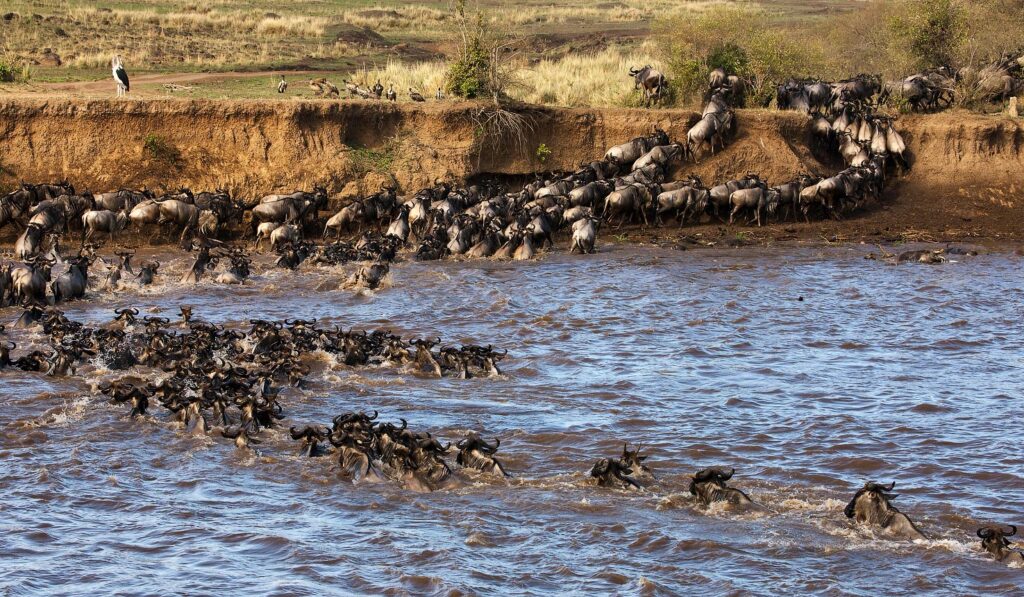
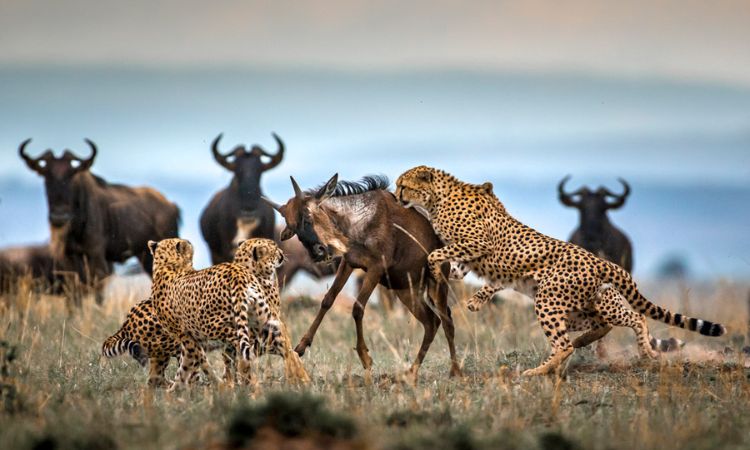
Building on the deep-rooted heritage of the Maasai people, the Maasai Mara serves as a splendid canvas that showcases the symbiotic relationship between this community and the vast wilderness that surrounds them. Nestled in the heart of Africa, the Maasai Mara National Park is a sanctuary of breathtaking biodiversity, housing not just the renowned Big Five – lion, leopard, rhinoceros, elephant, and Cape buffalo – but also serving as the dramatic stage for the awe-inspiring Great Migration. This spectacle, one of the most profound wildlife events on the planet, sees millions of wildebeest, zebras, and gazelles traverse its plains in a cyclical quest for pasture and water, underpinning the park’s ecological significance.
Yet, the Maasai Mara’s importance extends beyond its ecological marvels. It champions conservation efforts that are crucial in today’s fight against biodiversity loss, while simultaneously providing vital grazing land for the Maasai community, ensuring that their ancient pastoral lifestyle can coexist with wildlife conservation initiatives. This delicate balance is achieved through community-based conservation strategies that involve the Maasai directly in the stewardship of their land, thereby preserving their cultural heritage and biodiversity.
The narrative of the Maasai Mara is one of coexistence and resilience, a testament to the possibility of sustaining both human and wildlife communities in a mutually beneficial manner. This reserve is not just a haven for wildlife but a vibrant ecosystem that supports the Maasai way of life, embodying their deep respect for the land and its creatures. As visitors embark on unforgettable safari experiences, they witness first-hand the intricate relationships that define this unique ecosystem, bringing to life the chapters of an ancient bond between man, animal, and nature. Through this lens, the significance of the Maasai Mara stretches far beyond its geographical boundaries, offering lessons on conservation, sustainability, and the enduring strength of the human spirit in harmony with nature.
Unforgettable Safari Experiences
Building on the ecological and cultural significance of the Maasai Mara National Park, this chapter delves into the myriad of safari experiences it offers, reflecting a commitment to both conservation and community advancement. The Maasai Mara serves not just as a sanctuary for wildlife but as a backdrop for immersive safari adventures, from guided tours that traverse the vast savannahs to luxurious tented camps nestled within the wilderness. These safaris offer unparalleled opportunities to witness the Big Five—lions, leopards, rhinoceros, elephants, and buffaloes—in their natural habitats, alongside the mesmerizing spectacle of the Great Migration, an annual event where millions of wildebeest, zebra, and other species traverse the plains in search of greener pastures.
The essence of expedition Maasai safaris lies in their ability to harmonize exhilarating adventure with impactful conservation efforts and community support. A portion of safari revenues is directly funneled back into local Maasai communities, providing essential services and supporting sustainable development initiatives. Furthermore, these safaris embody principles of eco-tourism, ensuring minimal environmental impact and fostering a deep respect for the fragile ecosystems of the Maasai Mara.
Luxury tented camps provide a balance of comfort and authenticity, allowing guests to immerse themselves in the wilderness while adhering to eco-friendly practices. These accommodations often employ local Maasai, thereby stimulating the local economy and offering guests authentic interactions with Maasai culture. Meanwhile, guided tours are conducted by knowledgeable guides, often from the Maasai community, who can offer unparalleled insights into local wildlife and traditions, enhancing the safari experience with stories and perspectives unique to Maasai heritage.
Expedition safaris in the Maasai Mara also contribute to wildlife conservation efforts, with many safari operators actively participating in or supporting research and protection projects for local fauna. By choosing to participate in a safari, visitors indirectly support the preservation of species and habitats critical to the region’s ecological balance.
As we venture into the subsequent chapter, “The Intersection of Tradition and Modernity,” it’s important to recognize how the Maasai people, the custodians of these lands, navigate the complexities of conserving their cultural heritage amidst the ever-encroaching influences of modernity and tourism. While safaris offer a glimpse into the majestic wildlife and landscapes of the Maasai Mara, they also embody the ongoing dialogue between tradition and modernity, conservation and development, reflecting a broader narrative of harmony between humanity and nature in this iconic part of Kenya.
The Intersection of Tradition and Modernity
In the heart of the African savannah, the Maasai people have long stood at the crossroads of tradition and modernity, a testament to their resilience and adaptability. The pressures of economic development and environmental changes pose significant challenges to their pastoral lifestyle, one that has been intricately tied to the rhythms of the earth for centuries. Yet, in the face of these challenges, the Maasai community has embarked on a remarkable journey of empowerment and cultural preservation.
The encroachment of modernity has not been without its impacts. The traditional lands of the Maasai, spanning across Kenya and Tanzania, have seen a gradual but steady transformation. Abject pressures like climate change, land acquisition for tourism and agriculture, and the allure of urbanization threaten the pastoral way of life that defines the Maasai. These changes challenge the symbiotic relationship between the Maasai and their land—a relationship rooted in deep respect for nature and a sustainable lifestyle that has ensured the conservation of vast African landscapes.
Despite these pressures, the Maasai have found innovative ways to navigate the tumultuous waters of modernity while safeguarding their rich traditions. Initiatives aimed at marrying traditional knowledge with contemporary practices have emerged as a beacon of hope. For instance, the Maasai have begun to integrate their indigenous understanding of wildlife behaviors and ecological patterns with modern conservation strategies. This approach not only enhances the protection of the environment but also provides the Maasai with a stake in the burgeoning safari tourism industry—a vital source of income that supports the wellbeing of their communities.
The inception of community-based conservation programs exemplifies the innovative spirit of the Maasai. By establishing wildlife conservancies, the Maasai have taken a proactive role in managing and protecting their lands, ensuring that they remain custodians of their heritage. These conservancies not only serve as critical habitats for wildlife but also function as eco-tourism sites that generate revenue directly benefiting the local communities. Through such initiatives, the Maasai demonstrate a profound commitment to preserving their cultural identity while embracing opportunities for economic development.
Education, too, plays a pivotal role in the Maasai’s journey towards empowerment. Emphasizing the value of formal education within the community ensures that future generations are equipped with the skills needed to navigate the complexities of the modern world. Yet, the significance of traditional knowledge is not overshadowed. The Maasai have made concerted efforts to incorporate indigenous wisdom into educational curricula, ensuring that the youth remain anchored to their cultural roots while being fluent in the languages of modernity.
The Maasai’s ability to adapt and evolve in the face of modern challenges is a powerful testament to their resilience and ingenuity. By weaving together the threads of tradition and modernity, the Maasai are charting a path towards a sustainable future that honors their past while embracing the possibilities of the present. This delicate balance not only ensures the preservation of their cultural heritage but also offers valuable lessons on sustainability and conservation for the global community. As we move into the next chapter, focusing on supporting sustainable tourism, it becomes clear that the ethos of the Maasai—rooted in respect for the land and a deep understanding of the interconnectedness of all life—provides a guiding light for ethical and sustainable interactions with our planet.
Supporting Sustainable Tourism
Building on the intersection of tradition and modernity, supporting sustainable tourism in the Masai Mara National Park is not just a choice but a responsibility for visitors. Responsible travel practices are pivotal in respecting the local communities and their environments. Tourists are encouraged to undertake eco-friendly safari experiences that minimize ecological footprints and promote the conservation of breathtaking landscapes and wildlife populations. By choosing accommodations and tour operators that are committed to sustainable practices, travelers contribute to the region’s economic, cultural, and environmental sustainability. Additionally, purchasing crafts from local artisans and engaging in community-run tourism initiatives offers direct economic benefits to the Maasai people, thus empowering them to preserve their rich cultural heritage amidst the pressures of modernity. This commitment to sustainable tourism not only enriches the visitor experience but ensures the preservation of this unique ecosystem for future generations.
Conclusions
Maasai safaris offer a unique immersion into the breathtaking landscapes of East Africa and the vibrant culture of the Maasai people. As you journey through this incredible region, you’ll discover a deep appreciation for wildlife conservation and the integral role of the Maasai community. This experience not only enlightens tourists but also supports sustainable tourism and the preservation of cultural heritage.