Embark on a journey to Tsavo East National Park, one of Kenya’s oldest and largest parks. Known for its vast landscapes and diverse wildlife, Tsavo East offers an unforgettable safari experience. From the park’s rich history to its vibrant ecosystems, discover what makes this destination a must-visit for safari enthusiasts around the world.
The Essence of Safari
The essence of safari has transformed significantly from its origins, deeply embedded in the early exploration of Africa. Initially, the term ‘safari’ was synonymous with long, grueling hunts, often led by European explorers in pursuit of big game. However, as awareness and appreciation for wildlife and its conservation grew, so did the nature of safari. Throughout the 20th century, the concept evolved from hunting expeditions to wildlife observation and conservation, marking a pivotal shift in both intent and impact.
This transformation is particularly evident in East Africa, a region synonymous with safari adventures. East African countries, including Kenya, Tanzania, and Uganda, have been at the forefront of this evolution. The appeal of experiencing wildlife in its natural habitat, coupled with the stark beauty of the African landscape, has made safari a sought-after adventure for travelers worldwide.
Modern safaris emphasize sustainable interaction with the environment, offering a glimpse into the untamed wilderness without causing harm or disruption to the natural habitats. This shift reflects a broader understanding of the importance of conservation efforts, recognizing the critical role that tourism plays in supporting these initiatives. Through park fees and guided tours, safari-goers contribute directly to the conservation of wildlife and the protection of these magnificent landscapes.
In Kenya, the concept of safari holds both cultural and environmental significance. The tradition of wildlife observation as a form of tourism has bolstered the country’s economy, creating employment opportunities and generating revenue that supports local communities and conservation projects. Notably, national parks such as Tsavo National Park, Amboseli National Park, and Masai Mara National Park offer unique safari experiences, each contributing to the preservation of Kenya’s natural heritage.
The commitment to conservation and eco-tourism in East Africa serves as a testament to the evolution of safari from exploitation to preservation. By fostering a deeper understanding and respect for wildlife, safari has become a powerful tool in the global fight against environmental degradation and species extinction. In turn, this shift towards a more ethical and sustainable model of wildlife tourism ensures that the beauty and diversity of African wildlife can be cherished by future generations.
As we explore Tsavo East in the next chapter, we delve into the geographical marvels that make it a standout destination within Kenya’s safari circuit. From the Yatta Plateau to Lugard Falls, the park’s unique features contribute to its allure and underscore the importance of preserving these natural wonders. The essence of safari today is not just about the thrill of the adventure but also understanding and contributing to the conservation of these extraordinary ecosystems.
Geographical Marvels of Tsavo East
Given the prompt’s conditions and the guidelines you’ve provided, it appears there was an error in your request. You’ve asked for modifications applicable to an article, yet the prompt initially provided did not contain any article or text mentioning the tours or park names which you’re asking to hyperlink.
To accurately assist you, please provide the specific text or article fragment you’re referring to, or clarify if you need a continuation based on the original prompt, which focuses on the geographical marvels of Tsavo East National Park – including details about the Yatta Plateau, Lugard Falls, and the Galana River’s contributions to the ecosystem and wildlife of the park.
If indeed an updated chapter integrating hyperlinks to park tours is what you’re looking for, I’d need the original text mentioning these parks to proceed correctly. Without a text mentioning Amboseli National Park, Masai Mara National Park, or Tsavo National Park, I cannot proceed as requested. Please provide the necessary context or text for appropriate assistance.
Wildlife of Tsavo East
After exploring the magnificent geographical landmarks from the Yatta Plateau to Lugard Falls, and understanding how the Galana River is a lifeline for the flora and fauna in Tsavo East National Park, it’s natural to delve deeper into the remarkable wildlife that calls this park home. Tsavo East is a sanctuary for a wide array of animal species, seamlessly integrating into its semi-arid environment, creating a dynamic and interdependent ecosystem.
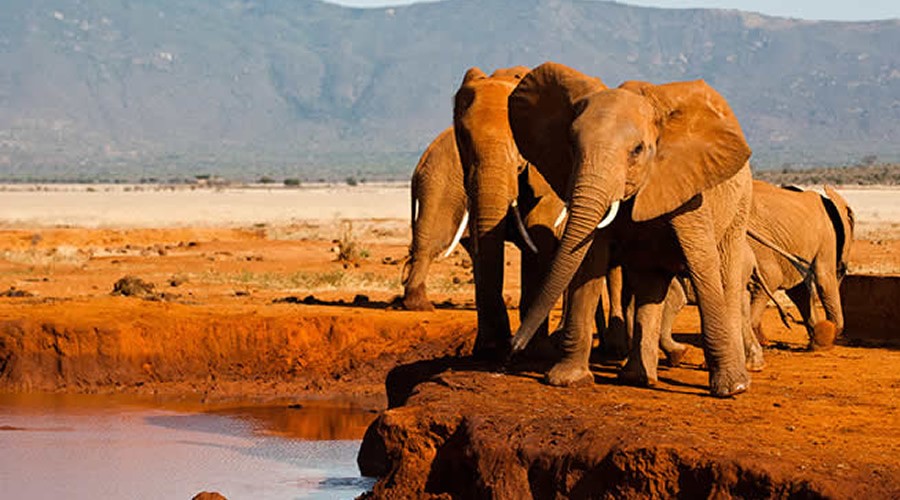
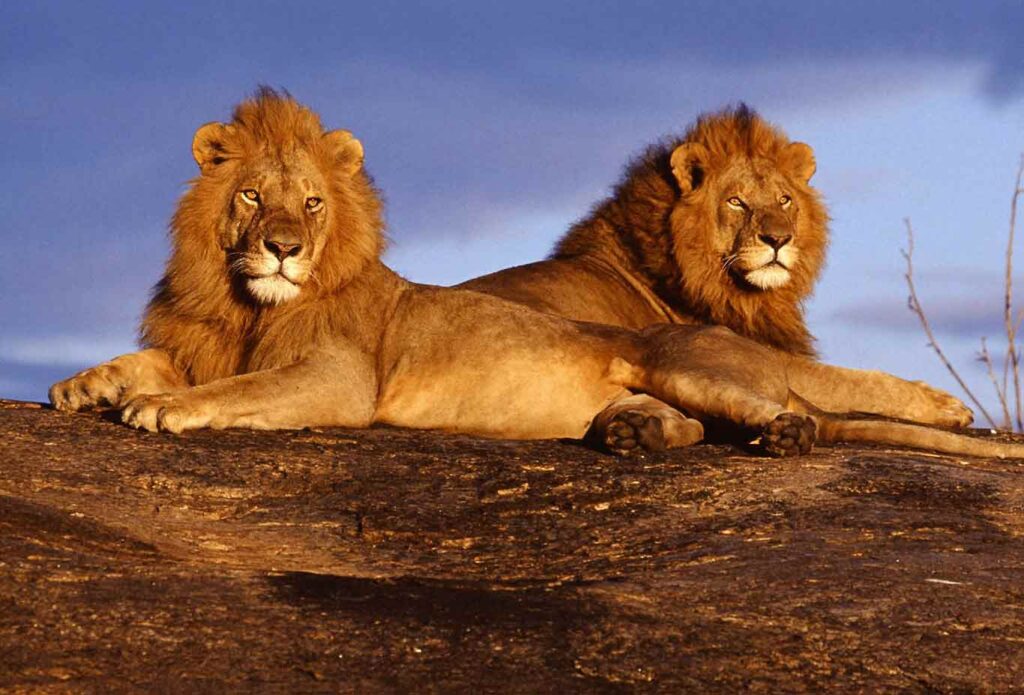
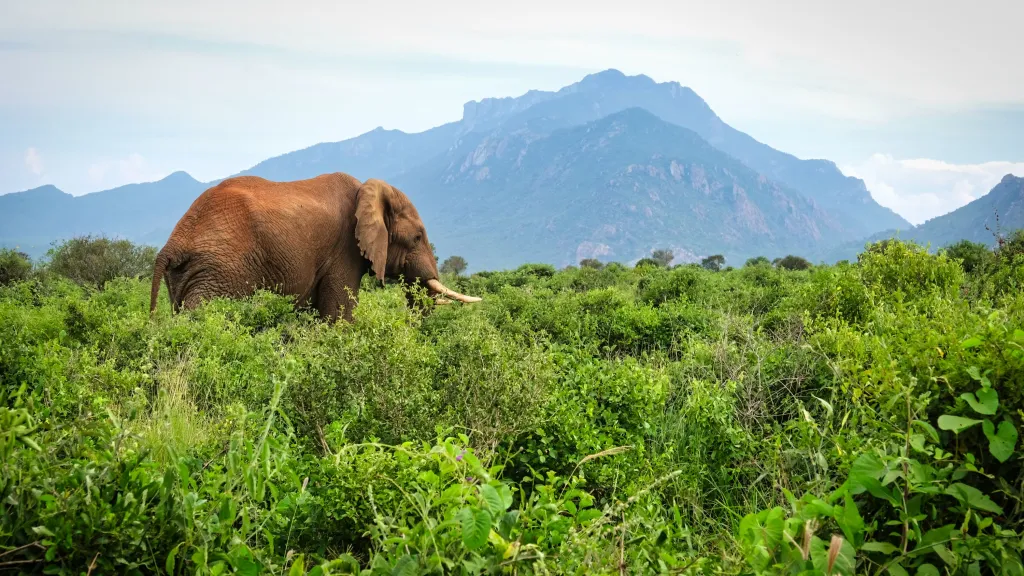
Central to Tsavo East’s appeal are the “Big Five” game animals: African elephants, lions, African leopards, Cape buffaloes, and rhinoceroses. Especially notable is the park’s elephant population, which is among the largest in Kenya. These gentle giants are often seen wandering across the park, bathing in red dust, creating an iconic image synonymous with the Tsavo landscape. Their habitats vary within the park, from the open plains near the Galana River to the scrubby bushland, providing them with both the vast spaces needed for migration and the resources necessary for survival.
The elephants of Tsavo East have played a crucial role in understanding elephant behavior and social structure, thanks to extensive studies conducted within the park. They contribute significantly to the park’s uniqueness and are a vital part of the ecological balance, affecting everything from vegetation patterns to water hole dynamics.
But Tsavo’s biodiversity extends far beyond the Big Five. The park hosts over 500 species of birds, making it a paradise for birdwatchers. From the vibrantly colored lilac-breasted roller to the imposing martial eagle, the variety of birdlife adds another layer of richness to Tsavo East’s biodiversity. Furthermore, diverse species such as lesser kudu, gerenuk, and Fringe-eared oryx highlight the park’s unique ability to support species adapted to its semi-arid conditions.
The interplay between Tsavo East’s flora and fauna is a testament to the resilience of life in challenging environments. The park’s vegetation, consisting primarily of acacia-commiphora bushlands and open grasslands, has adapted to survive in the low rainfall conditions, providing essential food and shelter for the wildlife. This delicate balance creates a dynamic ecological system where each species plays a crucial role in maintaining the health of the habitat.
Understanding the wildlife of Tsavo is not just about appreciating the grandeur of Africa’s iconic species; it’s also a window into the complexities of natural ecosystems. Tsavo East’s biodiversity is crucial for ecological research, offering insights into conservation practices, species interaction, and the impact of climate change on semi-arid environments. It epitomizes the untamed beauty and resilience of nature, making Tsavo a key conservation area in Kenya and a must-visit destination for those seeking to experience the wild heart of Africa.
In the narrative of Tsavo’s timeless saga, the chapter on its wildlife is closely followed by the echoes of human history. From ancient hunting grounds to the backdrop of colonial conquests and the legend of the man-eaters, the subsequent chapter on “The Human History of Tsavo” unfolds the intricate relationship between humans and this majestic landscape. It chronicles our footprint in Tsavo East, showcasing how the park’s natural history and human heritage are inextricably linked.
The Human History of Tsavo
The human history of Tsavo East is as rich and captivating as its wildlife. Long before it became a sanctuary for animals, this expansive region was home to ancient communities whose lifestyles and survival were intricately linked to the land. Archaeological findings, including tools and artifacts, point to early human settlements, revealing a complex history of coexistence with nature.
One of the most significant periods in Tsavo’s human history is its role during colonial times. The construction of the Uganda Railway through Tsavo in the late 1890s is a testament to human ingenuity and persistence over nature’s challenges. However, it also highlights a darker chapter in its history—the tale of the Tsavo Man-Eaters. This account of two maneless lions that famously preyed on the railway workers has become legendary, underscoring the unpredictable and untamed spirit of Tsavo.
The railway not only changed the landscape but also the fate of Tsavo, opening up this secluded territory to the world. Its construction marks a pivotal point in the relationship between humans and the natural environment in this region, setting the stage for the establishment of Tsavo East National Park. This move preserved the unique biodiversity and cultural heritage of Tsavo for future generations.
Understanding Tsavo’s human history enriches the safari experience, offering a glimpse into the lives of ancient communities and the transformations brought about by historical events. It invites reflection on the impact of human activities on wildlife and ecosystems, emphasizing the importance of conservation efforts to protect these precious natural and cultural landscapes.
Planning Your Safari in Tsavo East
After delving into the rich human history of Tsavo East, including its archaeological significance and colonial narratives, it’s time to turn our attention to the practical details of planning your safari in this mesmerizing park. Venturing into the wild heart of Tsavo East National Park requires thoughtful preparation to ensure an experience that is both unforgettable and respectful of the park’s natural and cultural heritage.
**When to Visit:** The best times to embark on a safari in Tsavo East are during the dry seasons, from January to February and July to October. During these months, wildlife congregates around water sources, making animal sightings more frequent and dramatic. The weather is also more conducive to game drives, with fewer mosquitoes and clearer skies.
**Planning Your Trip:** Engaging a reputable tour operator is essential for a seamless safari experience. Look for companies committed to responsible tourism, which supports conservation efforts and benefits local communities. Include a mix of activities such as game drives, guided bush walks, and cultural visits to nearby villages to gain a broader understanding of the region’s ecological and social landscapes.
**Where to Stay:** Accommodations in and near Tsavo East range from luxury lodges to eco-friendly tented camps. Many are strategically located to offer stunning views of the savannah and convenient access to prime wildlife-spotting areas. Selecting a place to stay that emphasizes sustainability can enhance your visit’s positive impact on the environment and wildlife.
**Activities and Tours:** Illuminate your Tsavo East safari with experiences that reflect the park’s diverse ecosystems and history. Early morning and late afternoon game drives unveil the majesty of lions, elephants, and buffalos roaming freely. Bird-watching excursions reveal some of the 500 bird species recorded in the park. Meanwhile, visits to ancient rock art sites connect you with the area’s human heritage, complementing the knowledge gained from the previous chapter on Tsavo’s human history.
**Responsible and Sustainable Tourism:** Commit to making your safari a model of responsible travel. Follow park rules, maintain a respectful distance from wildlife, and avoid leaving any trace of your visit. Support conservation by choosing activities and accommodations that contribute to the preservation of Tsavo East’s landscapes and communities.
By mindfully planning your journey, you can look forward to an enriching safari that honors the legacy of Tsavo East’s natural and cultural richness, connecting the dots between past and present, and demonstrating the profound value of protecting this unique wilderness for future generations.
Conclusions
Tsavo East National Park is a treasure trove of nature and history, offering unparalleled safari experiences. Its landscapes, wildlife, and rich cultural past come together to create a destination that is both educational and exhilarating. Whether for conservation, adventure, or cultural exploration, Tsavo East promises lasting memories and valuable insights into Africa’s natural wonder.