Kenya captivates tourists worldwide with its diverse attractions, from wildlife safaris to cultural experiences. As the third largest source of foreign revenue, tourism plays a pivotal role in Kenya’s economy. This article explores the history, key attractions, and future prospects of international tourism to Kenya, highlighting its ecological and cultural significance.
A Rich History of Kenyan Tourism
Kenya’s tourism industry has undergone significant evolution, from the early explorers and hunters of the 19th century to the diverse and vibrant sector it is today. The allure of Kenya’s pristine beaches, untouched wilderness, rich cultural heritage, and varied wildlife has continually drawn tourists from all corners of the globe, shaping the country’s socio-economic landscape.
Beach tourism began to gain popularity in the 1960s, with the pristine white sands of the Kenyan coast attracting visitors seeking sun, sea, and relaxation. Eco-tourism followed, with Kenya being a pioneer in the concept, promoting conservation and sustainable travel. The establishment of national parks and reserves, such as Amboseli National Park, Masai Mara National Park, and Tsavo National Park, allowed visitors to experience Kenya’s diverse flora and fauna while contributing to conservation efforts.
Cultural tourism also took root, offering insights into the rich tapestry of Kenyan tribes and their traditions. Visitors were, and still are, drawn to the colorful Maasai, Samburu, and Swahili cultures, which provide a window into Kenya’s soul. Sports tourism, particularly marathon running, has seen Kenya become a destination for athletes seeking to train at high altitudes and compete in internationally renowned races.
However, the 1990s presented significant challenges for Kenyan tourism. Political instability and security concerns led to a decline in visitor numbers. The tourism sector was further hit by external factors, such as the global economic downturn and travel advisories from several countries.
Despite these challenges, the Kenyan government and private sector took concerted efforts to revive tourism through improved security measures, marketing campaigns, and diversification of the tourism product. This included the development of luxury tourism offerings, adventure tourism, and the promotion of lesser-known attractions beyond the wildlife parks.
Today, Kenya’s tourism industry stands as a testament to the country’s resilience and its enduring appeal to international tourists. Its continuous evolution and adaptation to changing global trends and challenges showcase the sector’s potential for sustainable growth and its significant role in Kenya’s economic development.
Key Attractions That Draw International Tourists
Building on the rich history of Kenyan tourism and its evolution, Kenya continues to shine on the global stage, largely due to its unparalleled natural beauty and cultural heritage. Central to Kenya’s appeal are its key attractions, which have a magnetic pull on international tourists. Among these, the Masai Mara National Reserve, Amboseli National Park, and the vibrant city of Nairobi stand out as jewels in Kenya’s tourism crown.
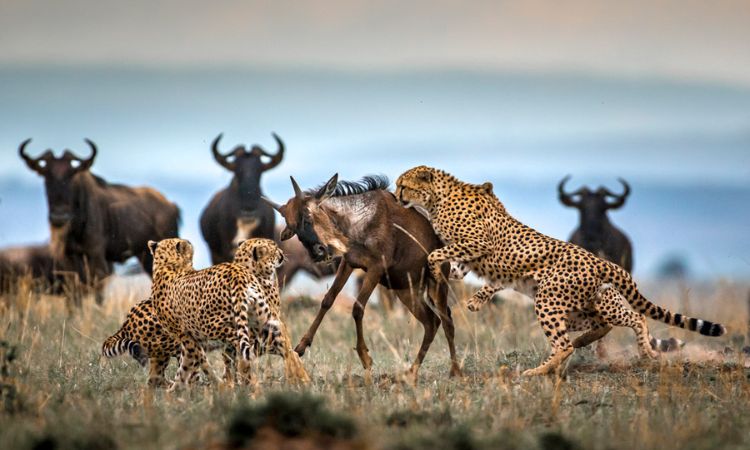
The Masai Mara is renowned for the Great Migration, an annual event where millions of wildebeest, zebras, and other species travel in search of greener pastures. This spectacle offers breathtaking scenes that have become a symbol of Kenya’s wildlife diversity. The Reserve’s ability to blend thrilling wildlife adventures with immersive cultural experiences, such as visits to Maasai villages, enriches tourists’ understanding and appreciation of local traditions and conservation efforts.
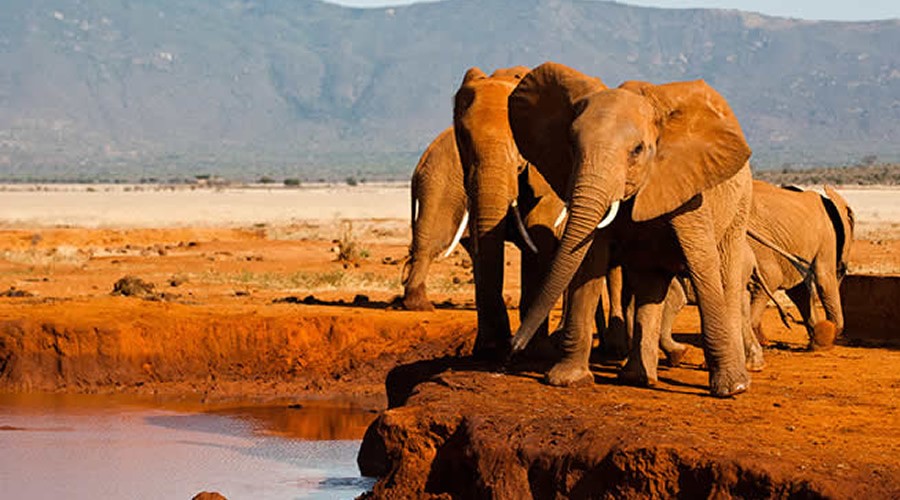
Amboseli National Park, set against the backdrop of Mount Kilimanjaro, offers some of the most striking wildlife photography opportunities in the world. Its large elephant populations, among other fauna, thrive in the park’s diverse ecosystems. The park’s commitment to eco-tourism and community involvement showcases a model of tourism that benefits both nature and local peoples.
Nairobi, the capital city, is more than just a gateway to Kenya’s natural wonders. It’s a vibrant metropolis teeming with culture, history, and innovation. From the Nairobi National Museum, which offers insights into Kenya’s rich heritage, to the Nairobi National Park – a unique wildlife haven within a capital city – Nairobi provides a blend of urban and natural attractions. Its thriving arts scene, diverse culinary offerings, and bustling markets present the cultural richness and dynamism of contemporary Kenya.
These attractions, among others, not only underscore Kenya’s status as a premier global tourist destination but also act as the backbone of its tourism industry. They encapsulate the essence of Kenya’s appeal – a harmonious blend of breathtaking landscapes, rich biodiversity, and vibrant cultures. As Kenya moves forward, the evolving dynamics of international travel and tourism present new opportunities and challenges. Yet, with its enduring attractions and innovative approach to sustainability and cultural preservation, Kenya is well-positioned to remain at the forefront of the global tourism landscape.
Looking ahead, the economic impact of tourism on Kenya’s economy is profound, underscoring its significance not only as a source of national pride and natural conservation but also as a crucial driver of economic development.
The Economic Impact of Tourism on Kenya’s Economy
Building on the allure of key destinations such as Masai Mara National Reserve, Amboseli National Park, and the vibrant cultural tapestry of Nairobi, the economic impact of tourism on Kenya’s economy cannot be overstated. As the third largest source of foreign exchange revenue, tourism injects substantial financial resources into the national economy. This influx of revenue is crucial for the development and maintenance of the country’s infrastructure, including roads, airports, and public services, which in turn supports the growing tourism sector and enhances the visitor experience.
The direct financial benefits extend to local communities, many of which are deeply integrated into the tourism economy. From employment opportunities in lodges and tour companies to the sale of local handicrafts, the tourism industry supports a wide array of enterprises and livelihoods. Notably, earnings from tourism have facilitated educational, health, and conservation initiatives, addressing both local needs and global interests in sustainability.
Recent statistics underscore the pivotal role of tourism in socioeconomic development. For instance, the sector witnessed a remarkable recovery in post-pandemic years, generating substantial foreign exchange earnings that underscore its potential for bolstering economic resilience. Moreover, strategic investments in tourism infrastructure have poised the industry for sustainable growth, reflecting a committed effort to enhance Kenya’s appeal as a premier global destination.
Drawing a bridge to ecotourism and sustainable practices, the revenue from tourism not only supports the economy but also funds conservation projects and ecological preservation efforts. This aligns with Kenya’s broader commitment to eco-friendly tourism, underscoring a vision that values preserving natural treasures for future generations. Through community engagement and the promotion of sustainable tourism practices, Kenya aims to safeguard its unique biodiversity while fostering an environment that empowers local communities economically. This holistic approach to tourism, integrating economic benefits with ecological and cultural preservation, positions Kenya as a leader in sustainable travel, which will be explored further in the following chapter on ecotourism and sustainable practices in Kenya.
Ecotourism and Sustainable Practices in Kenya
Building on the economic foundations discussed earlier, Kenya’s commitment to ecotourism and sustainable practices offers a promising pathway to preserving its unique natural and cultural heritage while fostering economic growth. Kenya recognizes the critical balance between tourism and conservation, necessitating the adoption of ecotourism principles that ensure the sustainability of its tourism industry.
Kenya’s approach to ecotourism centers on conserving wildlife habitats and engaging local communities in tourism. The country’s prolific national parks, including Amboseli National Park, Masai Mara National Park, and Tsavo National Park, are not just tourist destinations but vital conservation spaces. Efforts to protect these habitats are multifaceted, involving anti-poaching initiatives, ecosystem restoration projects, and sustainable water management practices to ensure the survival of wildlife and the ecosystems they depend on.
Community engagement constitutes a cornerstone of Kenya’s sustainable tourism model. Recognizing the invaluable local knowledge and stewardship of the environment, Kenya promotes community-based tourism projects that benefit local people directly. These initiatives range from community-owned lodges to cultural tours, which not only provide a source of income for communities but also foster cultural exchange and conservation awareness among visitors.
One of Kenya’s flagship ecotourism programs is the integration of wildlife conservancies. These conservancies are often community-owned or private lands operating alongside national parks, contributing significantly to expanding the habitat available for wildlife while ensuring communities benefit from tourism. Such models have proven successful in regions like the Masai Mara, where conservancies work to prevent over-tourism in the main reserve and provide a more intimate wildlife viewing experience, which in turn generates higher economic returns for the local communities.
These sustainable practices and programs play a crucial role in preserving Kenya’s natural and cultural heritage. By prioritizing ecotourism, Kenya not only enhances its tourism offer but also ensures the long-term viability of its tourism industry, creating a model for conservation and sustainable development that other countries might emulate. As we look towards the future, the insights gained from these initiatives will be vital in navigating the challenges and seizing the opportunities that lie ahead in Kenya’s tourism landscape.
The Future of Tourism in Kenya
Building on the momentum of ecotourism and sustainable practices, the future of tourism in Kenya looks both promising and challenging. The Kenyan government has actively been promoting sustainable tourism, recognizing its potential to contribute significantly to national development while conserving the country’s rich natural and cultural heritage. However, the tourism sector faces a dual challenge: ensuring the safety of visitors and standing out in the fiercely competitive global tourism market.
Security concerns have been a significant hurdle, affecting the flow of international tourists to key destinations. Nonetheless, there has been a concerted effort by the authorities to enhance security measures, including the deployment of advanced technology and increased personnel in tourist hotspots. These initiatives aim to reassure potential visitors of their safety, a critical factor in choosing Kenya over other destinations.
In addition to security enhancements, the Kenyan government has been proactive in upgrading tourism infrastructure. Investments in roads, airports, and accommodation facilities, particularly around key attractions such as Amboseli National Park, Masai Mara National Park, and Tsavo National Park, have significantly enhanced the tourist experience. These upgrades not only improve accessibility but also ensure that visitors can enjoy Kenya’s attractions comfortably and safely.
Marketing efforts have also been intensified, with the government and private stakeholders collaborating to brand Kenya as a diverse and safe tourist destination. Innovative marketing campaigns are targeting new and traditional markets, showcasing Kenya’s vast array of attractions beyond the wildlife safaris – from pristine beaches to rich cultural experiences and adventure tourism. This strategic move aims to attract a broader spectrum of tourists, tapping into the growing segments of the market interested in culture, history, and adventure.
The growth opportunities for Kenya’s tourism sector are immense, supported by the global trend towards experiential and sustainable travel. Kenya’s commitment to preserving its natural environments and wildlife, as discussed in the previous chapters on ecotourism and sustainable practices, has placed the country in a favourable position to capitalize on these trends. By continuing to develop sustainable tourism that benefits both local communities and the environment, Kenya can ensure the long-term health and attractiveness of its tourism sector.
In conclusion, despite the existing challenges, the future outlook for Kenya’s tourism industry is optimistic. With a clear focus on security, infrastructure development, and innovative marketing, alongside a strong commitment to sustainability, Kenya is poised for continued growth in international tourism. This balanced approach promises not only to safeguard its precious natural and cultural assets but also to sustainably improve the livelihoods of its people through tourism.
Conclusions
Kenya remains a beacon for explorers and tourists across the globe, successfully blending natural beauty with cultural richness. The tourism sector significantly bolsters the economy, and with sustained efforts in eco-tourism and infrastructure, Kenya is poised for continued growth. Future strategies will determine its resilience and ability to attract international tourists.