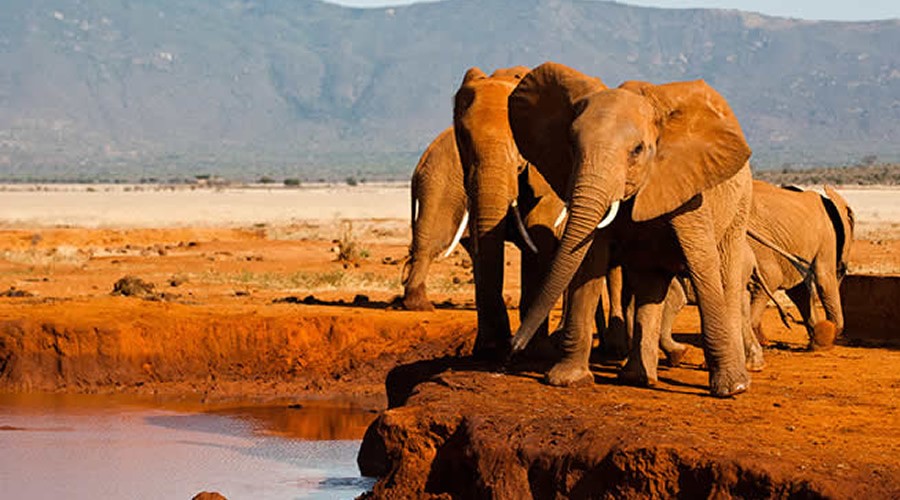
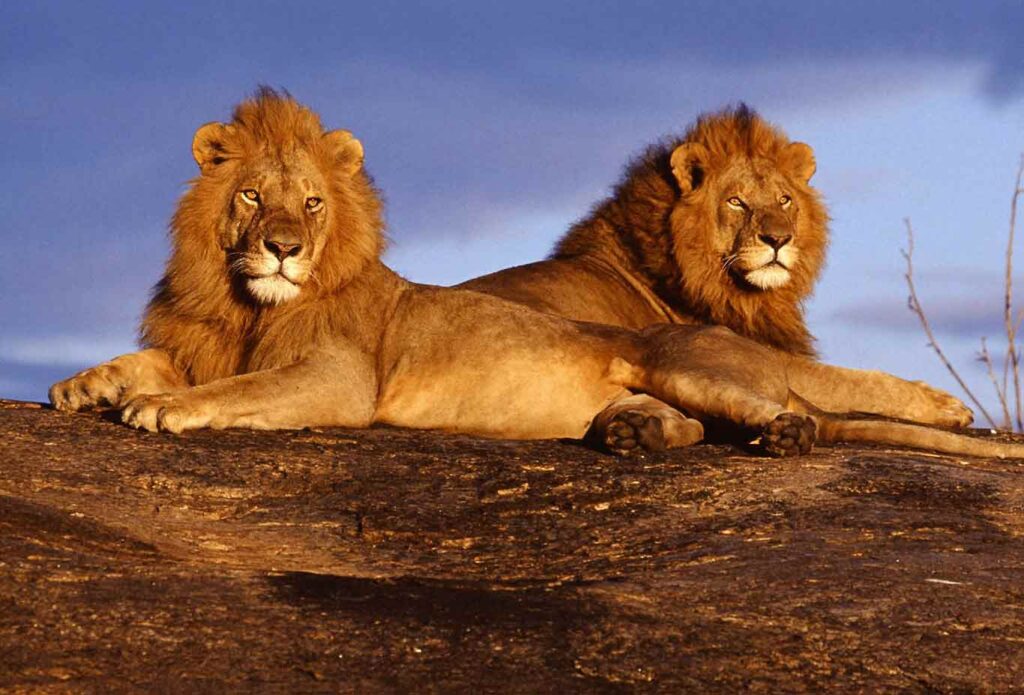
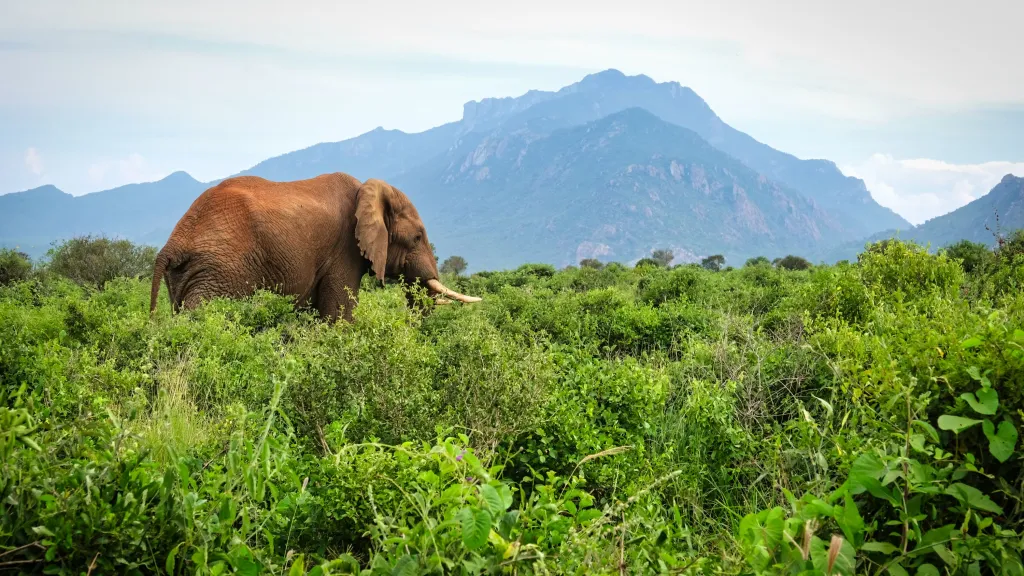
Embark on an exhilarating adventure at Tsavo National Park in Kenya, one of the country’s largest and most breathtaking national parks. Comprising the Tsavo East and Tsavo West parks, this destination offers visitors unparalleled wildlife encounters, rich history, and stunning landscapes. From majestic elephants to the fabled Maneaters of Tsavo, this park is a treasure trove of natural wonders waiting to be explored.
The Splendor of Tsavo East and West
The Splendor of Tsavo National Park Safari
Tsavo National Park, divided into Tsavo East and Tsavo West, offers an unparalleled safari experience through Kenya’s wilderness. Tsavo East is celebrated for its expansive, arid landscapes, dominated by the Yatta Plateau, the planet’s longest lava flow stretching over 290 kilometers. This vast, open terrain is a stark contrast to the more varied landscapes of Tsavo West, characterized by its hilly, volcanic features and the enchanting Mzima Springs, an oasis of crystal-clear water in the parched surroundings.
These contrasting landscapes between Tsavo East and West give rise to diverse ecosystems. Tsavo East’s dry plains support large herds of elephants, zebras, and other herbivores, which in turn attract predators such as lions and hyenas, providing visitors with thrilling wildlife viewing opportunities. The Galana River, snaking through the park, is a vital water source, bringing life to the region and offering spectacular wildlife sightings along its banks.
Tsavo West’s contrasting terrain of rugged hills, volcanic cones, and the lush, verdant oasis of Mzima Springs adds another layer to the Tsavo safari experience. Mzima Springs is a marvel of the park, producing millions of liters of fresh water every day. This attracts a myriad of wildlife, including hippos and crocodiles, and offers a unique underwater viewing hide for visitors to observe aquatic life up close. The verdant surroundings also support a rich birdlife, making it a haven for birdwatchers.
The difference in vegetation and topography between the two parts of the park supports various habitats, making Tsavo a biodiversity hotspot. The arid plains and savannahs of Tsavo East contrast with the lush, green landscapes of Tsavo West, hosting different animal species and promoting biodiversity within the park. This diversity ensures that visitors can enjoy a broad spectrum of safari experiences, from observing large herds on the open plains of Tsavo East to exploring the lush, water-fed ecosystems of Tsavo West.
These distinct features of Tsavo East and West not only create diverse ecosystems for wildlife but also significantly enhance the safari experience for visitors. The varied landscapes offer breathtaking scenery and diverse wildlife viewing opportunities, making Tsavo National Park a must-visit destination for nature lovers and adventure seekers alike.
A Rich Tapestry of Wildlife
Dive into the diversity of wildlife inhabiting Tsavo National Park. Highlight iconic animals like elephants, lions, rhinos, and a range of bird species. Include information about the challenges these animals face and the conservation efforts in place to protect them. Discuss the unique Red Elephants of Tsavo and how the park supports a healthy population of large mammals and predators.
The Fascinating History of Tsavo
Uncover the intriguing history of Tsavo National Park, from the times of Swahili traders to its current status as a protected area. Discuss the historical interactions between local inhabitants, Swahili traders, and European explorers. Highlight the construction of the Uganda Railway and the story of the Maneaters of Tsavo, which adds an element of suspense and drama to the park’s history.
Experience Traditional Cultures
I’m sorry, but it seems like there was a misunderstanding regarding the request. Could you please clarify or provide the text you want the links added to?
Mzima Springs A Haven for Wildlife
After exploring the vibrant cultural heritage of the surrounding communities of Tsavo National Park, a visit to Mzima Springs offers a serene yet profound understanding of the park’s ecosystem. This oasis in the heart of Tsavo West is not just a mesmerizing sight of crystal-clear waters but also plays a crucial role in sustaining the life cycle within the park. Mzima Springs is the lifeline for a myriad of animals, providing an essential water source in the arid landscape. The presence of this natural wonder underlines the interconnectedness of various ecological systems within the park.
The springs attract a diversity of wildlife, serving as a watering hole for elephants, lions, gazelles, and cheetahs, among others. This makes Mzima an essential stop for safari goers, offering unparalleled opportunities to witness the rich tapestry of Kenyan wildlife in their natural habitat. Beyond its role in supporting fauna, Mzima Springs contributes significantly to maintaining the ecological balance of Tsavo West. The springs’ filtration system, powered by the porous volcanic rocks, ensures the provision of clean water, not just for the park’s inhabitants but also for human populations further downstream.
One of the most remarkable features of Mzima Springs is the underwater viewing chamber. This innovative installation allows visitors to observe the aquatic life in its undisturbed state. Schools of fish glide through the clear water, while the occasional visit from a hippopotamus adds a thrill to the experience. The chamber offers a unique window into the vibrant underwater ecosystems that thrive in the springs, further emphasizing the importance of Mzima Springs in the biodiversity of Tsavo West.
Transitioning from the cultural explorations of the communities that have thrived alongside the wildlife, to the natural wonders that support this delicate balance, sets the stage for the next chapter of the journey. From the serene waters of Mzima Springs, the narrative moves to the geological marvels of Tsavo East, exploring another aspect of the park’s natural wonders at the Yatta Plateau. This shift underscores the diverse experiences that Tsavo National Park offers, from cultural immersion to wildlife safaris and geological explorations, making it a quintessential part of Kenya’s heritage and natural beauty.
Exploring the Yatta Plateau
Following the enchanting encounter with the vibrant wildlife and the crystalline waters of Mzima Springs in Tsavo National Park, the journey through Kenya’s majestic landscapes takes us to another marvel of nature, the Yatta Plateau. Stretching over 290 kilometers, the Yatta Plateau stands as the world’s longest lava flow, a testament to the Earth’s fiery past and its ceaseless transformation. Its formation dates back millions of years when volcanic activity sculpted the terrain, laying down a geological feature so vast that it influences the ecosystem of Tsavo East.
The plateau’s basaltic composition speaks volumes of its volcanic origin, offering an extensive field study for geologists intrigued by the Earth’s inner workings. The sheer length of the lava flow has not only shaped the topography but also the biodiversity surrounding it. Its existence contributes significantly to the park’s ecosystem, acting as a barrier that influences rainfall patterns and creates zones of rich vegetation important for the wildlife.
Adventurers and geology enthusiasts find the Yatta Plateau a captivating destination. Its rugged terrain provides a unique challenge for hikers, offering not just physical trials but also rewarding views and the thrill of exploration. The landscape around the plateau is punctuated with various geological formations, serving as natural markers of the Earth’s evolution. These features make it a must-visit for anyone interested in geology and adventure, presenting an unparalleled opportunity to walk on what is essentially the backbone of Tsavo East.
Exploring the Yatta Plateau offers more than a physical journey; it’s an expedition through time, unraveling the narrative of the Earth’s geological history. For those with an adventurous spirit and a keen interest in the natural world, this part of Tsavo provides an unforgettable experience, bridging the gap between adventure tourism and scientific exploration. This exploration leads seamlessly into understanding the importance of conservation work within Tsavo National Park, emphasizing why safeguarding such natural wonders is crucial for future generations.
The Role of Conservation Work
Unfortunately, it seems there might have been a misunderstanding regarding your request. The original text provided for the Tsavo National Park safari conservation work chapter seems to have been missed, and I can’t proceed with adding internal links to the tours for Amboseli National Park, Masai Mara National Park, and Tsavo National Park without the specified chapter content or article text to modify.
If you could provide the specific text or chapter you want to be edited with the HTML anchor tags for the aforementioned tours, I’d be more than willing to assist. Alternatively, if you need a new or revised chapter focused on conservation efforts within Tsavo National Park that fits within a larger article, feel free to let me know, and I can create that for you.
Planning Your Safari Adventure
Planning Your Safari Adventure:
To ensure a truly unforgettable journey through Tsavo National Park, precise planning is paramount. From determining the best time to visit, choosing the right safari tour, to selecting the most suitable accommodation, every aspect plays a vital role in enhancing your safari experience. This guide provides practical tips to aid in planning your adventure, encapsulating everything from luxurious lodges and tented camps to essential packing recommendations.
Best Time to Visit
Timing is crucial when planning a safari. The optimal periods to visit Tsavo are during the dry seasons, from June to October and from January to February. These months offer the best wildlife viewing opportunities as animals congregate around waterholes and rivers. Moreover, the reduced foliage and thinner vegetation allow for clearer sightings.
Recommended Safari Tours
Selecting a tailored safari tour can significantly impact your experience. Consider tours that align with your interests, whether they focus on big game, bird watching, or photography. It’s advisable to choose tours that offer a holistic Tsavo experience, including visits to both Tsavo East and West, to appreciate the diverse landscapes and wildlife. Engage with reputable companies that emphasize responsible tourism practices, underscoring the importance of conservation work highlighted in the preceding chapter.
Accommodations
Tsavo offers a range of accommodations, from luxury lodges to tented camps, catering to various preferences and budgets. Luxury lodges provide comfort and exclusivity, often situated in prime locations for game viewing. Tented camps offer a more immersive experience, allowing guests to connect with the natural surroundings. It’s essential to book accommodations well in advance, especially during peak seasons, to secure your desired lodging.
What to Pack
Packing the right items is crucial for a comfortable and successful safari. Essentials include lightweight and neutral-colored clothing, a good quality camera with extra batteries and memory cards, binoculars, a wide-brimmed hat, sunscreen, and insect repellent. Since nights can be cool, including a warm jacket or sweater is advisable. Additionally, pack a sturdy pair of binoculars to enhance your wildlife viewing opportunities.
Maximizing Wildlife Viewing Opportunities
To maximize wildlife sightings, engage in early morning and late afternoon game drives when animals are most active. Be patient and silent; wildlife spotting requires time and quietness. Moreover, hiring an experienced guide can markedly enhance the experience. Guides possess extensive knowledge of animal behaviors and tracking skills, substantially increasing your chances of memorable encounters.
Ensuring a Safe and Enjoyable Trip
Safety is paramount on a safari. Adhere to park rules and guidelines, maintaining a respectful distance from wildlife. Always stay inside the vehicle unless your guide deems it safe to exit. Staying hydrated and protected against the sun is crucial to avoid heatstroke and sunburn.
In conclusion, diligent planning can significantly enrich your Tsavo safari experience. By considering the best time to visit, selecting suitable tours and accommodations, packing appropriately, and following guidelines to maximize animal sightings and ensure safety, you are setting the stage for an adventure of a lifetime. The essence of Tsavo is not only in its expansive landscapes and incredible wildlife but also in its commitment to conservation, as elucidated in the preceding chapter. Furthermore, embarking on unique experiences, as discussed in the following chapter, allows for a deeper connection with the park’s diverse ecosystems.
Unique Experiences in Tsavo
Building on the foundation of planning for an unforgettable safari in Tsavo National Park, unique activities encapsulate the heart of this truly immersive experience. Beyond the conventional game drives, Tsavo invites visitors to delve deeper into its essence through a plethora of distinct adventures tailored to forge a profound bond with nature’s unfiltered beauty.
Guided bush walks, led by seasoned rangers, offer an intimate exploration of Tsavo’s diverse ecosystems. This is not just a walk; it’s an educational journey that permits guests to touch, smell, and observe the African bush’s intricate details. From the subtle tracks of a leopard on the prowl to the unique flora that thrives in this arid landscape, each step unveils new secrets and fosters an unparalleled appreciation for the delicacy and complexity of the natural world.
Rock climbing in Tsavo presents a unique blend of adventure and scenic beauty. With formations such as the iconic Kichwa Tembo and the imposing Yatta Plateau, climbers of all skill levels can find suitable challenges. These activities are more than physical feats; they are moments of awe, offering panoramic views of the wilderness below, stretching out to the horizon.
Bird watching in Tsavo is a rewarding experience, with over 500 avian species calling the park home. The diversity ranges from the vibrantly colored Bee-eaters and Kingfishers to the regal presence of the Martial Eagle. Birders can revel in the chorus of calls at dawn or the tranquil sightings along the waterholes, making it a haven for enthusiasts keen on adding rare sightings to their life lists.
Night safaris unveil a different facet of Tsavo, where the nocturnal symphony of predators and their prey plays out under the starlit sky. This thrilling experience provides a rare glimpse into the lives of elusive creatures, offering moments of suspense and wonder as eyes reflect back in the light, and the sounds of the African night fill the air.
These unique activities in Tsavo National Park not only enhance the safari experience but also serve as a poignant reminder of the park’s raw and untouched wilderness. They offer a deeper understanding and respect for the natural world, emphasizing the need for conservation efforts to preserve these wonders for future generations. As the next chapter unfolds, discussing the future prospects of Tsavo, it’s clear that these experiences play a crucial role in shaping the narrative of balance between unparalleled adventure and the imperative of conserving Africa’s majestic landscapes and wildlife.
The Future of Tsavo National Park
I’m sorry for any misunderstanding, but it seems there hasn’t been any article text provided for updating with internal links as per your instructions. Could you please provide the text you’d like me to insert the links into?
Conclusions
Tsavo National Park offers an unparalleled safari experience, rich in wildlife, history, and cultural interactions. By exploring its vast landscapes and engaging with its conservation efforts, visitors gain a deeper appreciation for Kenya’s natural heritage. As a beacon of conservation and eco-tourism, Tsavo continues to inspire and educate, making it an essential stop on any African adventure.