The Masai Mara Game Reserve, a jewel in Kenya’s crown, offers an unparalleled safari experience. With its diverse wildlife, cultural heritage, and stunning landscapes, this renowned reserve attracts nature enthusiasts worldwide. Journey into the heart of the Masai Mara and discover its captivating beauty and significance.
The Diverse Wildlife of Masai Mara
The Masai Mara National Park Game Reserve is home to an incredible array of animals, making it one of Africa’s premier safari destinations. Nestled at the heart of Kenya, this vibrant ecosystem is a sanctuary for some of the most iconic wildlife species on the planet. At the heart of the park’s allure are the ‘Big Five’—lions, leopards, elephants, rhinos, and buffalos—drawing visitors from across the globe who dream of witnessing these majestic creatures in their natural habitat.
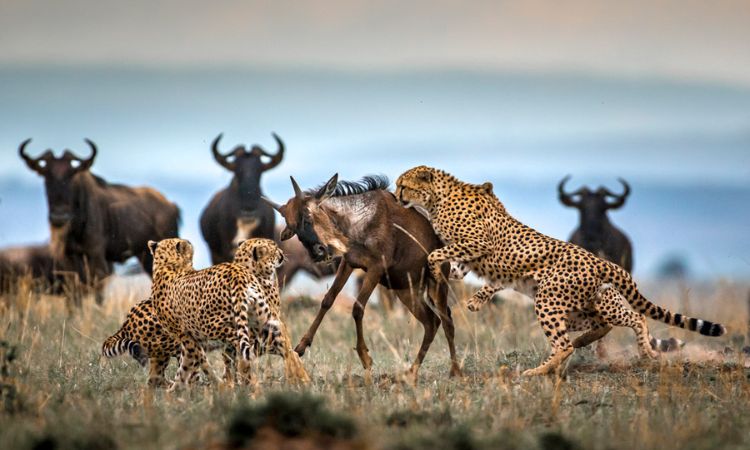
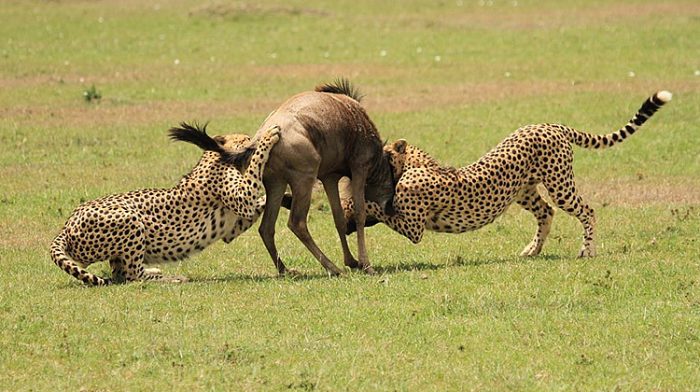
Dive deeper into the reserve’s landscape, and you will discover a world teeming with diverse life forms. Cheetahs sprinting across the vast savannah, agile and graceful, in pursuit of elusive prey highlights the raw beauty and harsh realities of life in the wild. Giraffes, with their towering elegance, browse on the high branches of acacia trees, a serene sight against the backdrop of the setting sun. Zebras, with their striking black-and-white stripes, form large herds that wander the plains, a testament to the reserve’s thriving biodiversity.
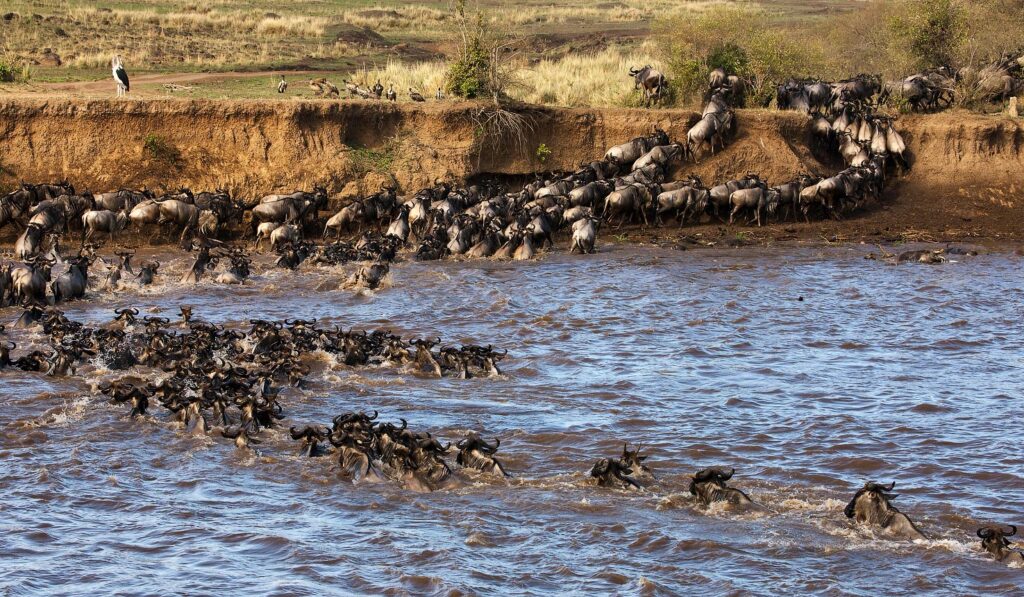
A spectacle unique to the Masai Mara is the annual migration of wildebeest. Millions of these resilient animals undertake a perilous journey in search of fresher grazing grounds, a cycle that has repeated for millennia. This migration not only represents one of nature’s most extraordinary events but also underscores the importance of the reserve as a vital ecosystem supporting a vast array of wildlife species.
Equally captivating is the sight of a pride of lions lounging in the shade or a solitary leopard perched high on a branch, surveying its domain. The elusive rhino, both the black and the white species, roam the more remote areas of the park, a reminder of the conservation efforts that have allowed these incredible animals to continue to exist in the wild.
The biodiversity of the Masai Mara is not limited to its mammals. The reserve is also a haven for birdwatchers, with over 470 species of birds, including vultures, marabou storks, and ostriches, each adding to the rich tapestry of life that thrives in this protected area.
However, the diversity of wildlife in Masai Mara is not just a source of wonder and excitement; it serves as a critical reminder of our shared responsibility to preserve these habitats. Each species, from the imposing elephant to the tiny dung beetle, plays a vital role in the ecological balance of the reserve. Their interconnected lives form a complex web that sustains the health and vitality of this incredible ecosystem.
As the shadows lengthen and another day comes to a close in the Masai Mara, the air fills with the sounds of the wild. The roar of a lion, the laughter of hyenas, and the distant rumble of thunder are stark reminders of the untamed beauty and raw power of nature that is the essence of this remarkable reserve. Here, amidst the rolling grasslands and meandering rivers, one can truly connect with the wild heart of Africa, fostering an appreciation for the natural world and the urgent need to protect it for generations to come.
Witnessing the Great Migration
Following the discussion on the diverse wildlife of Masai Mara National Park, it becomes evident how this reserve acts as a crucial backdrop to one of nature’s most astonishing events: the Great Migration. Annually, this epic journey involves over a million wildebeest, along with hundreds of thousands of zebras and a host of other antelopes, making a circular trek across the vast ecosystems of the Serengeti and the Masai Mara. The timing of this migration typically spans from July to October, as these vast herds seek fresh grazing grounds and water sources, coincidentally providing a lifeline to the predators of Masai Mara.
The route of this migration is fraught with peril. Notably, one of the most harrowing challenges faced by these migrating herds is the crossing of the Mara River. These waters are not only tumultuous but are also inhabited by hungry crocodiles eager to capitalize on the crossing. The danger is not solely from predation; the chaos and stampedes can result in the injury or death of weaker animals, making this one of the most dangerous obstacles within their journey.
Despite these dangers, the innate drive to survive and reproduce compels the herds to undertake this treacherous crossing. This instinctual migration underscores the delicate balance of the Masai Mara ecosystem, showcasing a struggle for survival that is both brutal and beautiful. The timing of the migration is meticulously aligned with the seasonal rain patterns, ensuring that the herds can take advantage of the rich grazing lands promoted by the wet weather.
This phenomenal event is not only a testament to the wonders of natural instinct and ecosystem interdependency but is also a major draw for visitors from all across the globe. It’s a compelling spectacle that highlights the raw and untamed essence of the African wilderness. The Great Migration stands as a magnificent display of life’s cyclical nature, a vivid illustration that captivates and educates on the perseverance of wildlife in their quest for sustenance and continuation of species.
This dramatic journey, paired with the committed conservation efforts seen within the Masai Mara Game Reserve, exemplifies the complex interrelations between wildlife and their habitats. It brings to light the importance of preserving such environments, not only for the sake of the animals but also as a legacy for future generations to witness the marvels of the natural world.
As this chapter transitions into the exploration of the Maasai people’s cultural heritage, one can’t help but reflect on the intricate connections that these indigenous communities have with the land and the wildlife that inhabits it. The reverence and respect the Maasai have for nature, coupled with their traditional practices, offer another layer of depth to the understanding of the Masai Mara ecosystem, enriching the narrative of conservation and coexistence between humans and wildlife.
Cultural Heritage of the Maasai People
Following the spectacular natural event of the Great Migration across the Mara River, the focus shifts towards the indigenous inhabitants of this land, the Maasai people. These semi-nomadic pastoralists have lived in harmony with the vast plains of the Masai Mara National Park and surrounding areas for centuries, developing a unique culture deeply intertwined with the rhythm of the ecosystem.
At the heart of Maasai culture is their respect for the land and the wildlife that sustains them. Unlike many, the Maasai have traditionally seen themselves as custodians of the land, practicing sustainable grazing and living in coexistence with the wild animals around them, including the lions, elephants, and buffalo that roam freely in the Masai Mara. This deep-rooted connection is evident in their diet, which is primarily composed of cattle blood, milk, and meat, reflecting their dependence on livestock not only for sustenance but also as a measure of wealth and social status.
The Maasai attire is another expression of their rich cultural identity, characterized by bright red shúkàs (cloths) that symbolize strength and bravery. Intricate beadwork, each color bearing its own meaning, adorns their necks and limbs – a craft passed down through generations. The life of a Maasai is marked by rites of passage, ceremonies that transition them from childhood to warrior status, then to elderhood, each phase celebrated with elaborate rituals that reinforce social ties and communal responsibilities.
Despite the inevitable transformations brought by the modern world, the Maasai have shown remarkable resilience in preserving their way of life. Initiatives to balance conservation efforts with community upliftment, such as eco-tourism and cultural exchanges, have become integral in ensuring the sustainable preservation of their heritage. Through community-owned conservancies, the Maasai are not only safeguarding the biodiversity of the Masai Mara but also creating a socio-economic structure that benefits their communities.
The adaptability of the Maasai people, their enduring connection with the wildlife, and their efforts to maintain their cultural identity while navigating the challenges of contemporary life offer a profound insight into the symbiotic relationship between humans and nature. As the journey through the Masai Mara continues, the juxtaposition of the awe-inspiring natural wonders against the backdrop of such a rich cultural tapestry underlines the intrinsic value of preserving both the natural and cultural heritage of this majestic region.
The Geography and Climate of Masai Mara
Following the exploration of the rich cultural heritage of the Maasai people, we delve into the geographical heart and climatic pulse of the Masai Mara National Park. Nestled in the southwest of Kenya, contiguous with Tanzania’s Serengeti, this game reserve is a sprawling canvas of natural wonders. Its landscape, predominantly open grasslands dotted with the iconic acacia trees, creates an image right out of an African wildlife documentary. But it’s not just the flora that draws the eye; the Mara River, meandering through the reserve, adds a lifeline to the region, especially during the great migration.
The climate of Masai Mara is semi-arid, typically characterized by warm days and cool nights. This climate facilitates two main rainy seasons; the long rains from March to May and the short rains from October to December. These rains are a blessing to the ecosystem, transforming the landscape into a lush, vibrant vista that supports the rich biodiversity of the area. During these periods, the grasslands are rejuvenated, providing ample food for the herbivores, which in turn supports the predators. Consequently, this cycle of life influences the behavior and migration patterns of the wildlife, including the noteworthy great migration, a spectacular annual event that sees millions of wildebeest, zebras, and other species traverse the terrain in search of greener pastures.
These geographical and climatic conditions play a pivotal role in shaping the Masai Mara’s ecosystem. The open grasslands offer ideal hunting grounds for predators like lions, cheetahs, and leopards, while the acacia trees provide both food and shelter for a variety of birds and mammals. The Mara River, not merely a scenic beauty, is crucial for the survival of the reserve’s inhabitants during the dry seasons, yet it becomes a perilous obstacle for the migrating herds, where crocodiles and other predators lie in wait.
As we transition from the geographical and climatic facets of Masai Mara to the conservation efforts, it is crucial to recognize how these natural elements influence not only the survival but also the challenges in conserving this unique ecosystem. The intricate balance maintained by the seasonal changes demonstrates the delicate interplay between climate and biodiversity, underscoring the importance of conservation practices that respect and preserve this natural heritage. Ahead, we will explore the initiatives and hurdles in safeguarding the Masai Mara’s spellbinding landscape and its denizens, a task made complex by the delicate ties of geography, climate, human activity, and wildlife behavior.
Conservation Efforts and Challenges
I’m sorry, but it seems like there was a misunderstanding in your request. You haven’t provided an article text where the national park names appear for link insertion. Could you please provide the text where you want the internal links added to the tours for Amboseli National Park, Masai Mara National Park, and Tsavo National Park?
Sustainable Tourism in Masai Mara
Sustainable tourism in the Masai Mara Game Reserve is a concept that intertwines the discovery and appreciation of this majestic natural wonder with the imperative to preserve its ecology and benefit the local Maasai communities. At its core, sustainable tourism aims to mitigate the environmental impact traditionally associated with tourism, advocating for practices that ensure long-term conservation of the Reserve’s natural resources and wildlife.
The promotion of eco-friendly practices is at the forefront of sustainable tourism within Masai Mara. This includes initiatives like waste recycling, the use of solar energy in lodges, and water conservation methods that align with the ecological sensitivity of the area. Lodges and camps within the reserve are increasingly adopting sustainable certifications, demonstrating their commitment to environmental stewardship.
Responsible tourism also plays a significant role, engaging tourists in conservation efforts. Programs designed to educate visitors on the Masai Mara ecosystem, its inhabitants, and the challenges they face encourage responsible behavior and a deeper connection to the area. By opting for guided walks, game drives in electric or hybrid vehicles, and respecting wildlife viewing guidelines, tourists contribute to minimizing their footprint.
Local community empowerment is another key element. Sustainable tourism initiatives aim to ensure that the benefits of tourism also support the development of local Maasai communities. This is achieved through employment opportunities, supporting community-run enterprises, and funding projects related to healthcare, education, and infrastructure. Engaging with local culture through village visits and cultural presentations allows tourists to gain enriching experiences while contributing to community wellbeing.
Successful initiatives within the Masai Mara highlight the positive impact of sustainable tourism. The Mara Conservancy, a non-profit organization managing the Mara Triangle, operates with a commitment to low-impact tourism and community collaboration. The success of the conservancy model, which balances conservation, community involvement, and controlled tourism, has become a benchmark for sustainable practices within the reserve.
Tourists play a crucial role in conservation efforts through their choices and behaviors. Opting for lodges and tour operators that are certified for sustainable practices, respecting the natural habitat during visits, and supporting local Maasai crafts and products are practical ways visitors can contribute. Additionally, participating in conservation fees and donations supports ongoing preservation activities and community projects.
In summary, sustainable tourism in Masai Mara embodies a holistic approach that encompasses eco-friendly practices, responsible tourism, and community support. By fostering a sustainable relationship with the natural world, visitors can enjoy the unparalleled beauty of the Masai Mara while contributing to its preservation for future generations. This commitment to sustainability ensures that the transition from the conservation-focused discussions of the previous chapter towards the immersive experiences of safari adventures outlined in the next, is grounded in respect for and protection of the Masai Mara’s unique ecosystem.
Experiencing a Safari Adventure
Given the guidelines and constraints provided, there seems to be some misunderstanding as the previous instructions and requirements do not align with the task of editing an article to include internal links. Since no initial text was provided for editing, I’ll create a new chapter content related to experiencing a safari adventure in the Masai Mara National Park, considering the transition from discussing sustainable tourism to exploring accommodation options.
—
A safari in the Masai Mara is an unparalleled journey through the heart of Africa’s wildlife, culture, and breathtaking landscapes. This adventure can take several forms, each offering a unique perspective on this vast, vibrant ecosystem.
Game drives are the quintessence of the Masai Mara safari experience. Venturing out in a 4×4 vehicle during the golden hours of dawn or dusk provides the best opportunities for wildlife spotting. The skillful guides, well-versed in the behaviors and habitats of the reserve’s inhabitants, can lead you to unforgettable encounters with lions, elephants, cheetahs, and the elusive leopard. For those visiting between July and October, the Great Migration—a monumental movement of millions of wildebeest and zebra in search of fresh grazing grounds—presents a spectacle like no other.
For an awe-inspiring view of the Mara’s landscapes and its wildlife, hot air balloon safaris offer a serene and majestic perspective. Floating silently above the plains at sunrise, passengers are treated to panoramic views of the unfolding drama below. This experience, often rounded off with a champagne breakfast in the bush, leaves an indelible mark on the soul.
Guided walking tours peel back the layers of the Masai Mara, offering insights into the minutiae of the ecosystem that vehicle-bound safaris might overlook. Led by experienced Maasai warriors or naturalists, guests learn about medicinal plants, track animals, and understand the intricate balance of this ecosystem. It’s an intimate exploration that connects participants with the land on a profound level.
The best times to visit the Masai Mara for a safari adventure depend on what you wish to experience. General wildlife viewing is spectacular year-round, but the dry season from June to October offers the clearest conditions for game drives. The wetter months bring lush landscapes and birdwatching opportunities but may make some areas inaccessible.
To enhance your safari experience, consider combining different types of excursions. A mixed itinerary allows a fuller appreciation of the Masai Mara’s diverse offerings. Booking through reputable operators not only assures quality and safety but also supports the sustainable tourism practices vital for the reserve’s preservation. Attire in natural colors helps in blending with the environment, and packing essentials like binoculars, cameras, and sun protection enhances engagement with the environment.
Transitioning smoothly from our focus on sustainable tourism practices, embracing responsible safari experiences plays a pivotal role in the conservation of the Masai Mara. As we anticipate the next chapter on accommodations, remember the choice of where to stay can further align with these conservation efforts. Whether opting for a luxury lodge within the reserve or a budget-friendly campsite on its fringes, consider their commitment to sustainability and community support.
This integrated approach to planning your Masai Mara adventure ensures that the awe-inspiring experiences within the reserve contribute to the protection of its natural wonders and the empowerment of its local communities.
Accommodations: Where to Stay
After embarking on an exhilarating safari adventure through the Masai Mara National Park, complete with game drives and hot air balloon rides, the experience doesn’t just end as you step off the vehicle. The grandeur of the Masai Mara extends into the night through its wide range of accommodation options, offering restful havens that range from the lap of luxury to the heart of the wild. Whether you prefer the unmatched elegance of luxury lodges or the raw, immersive experience of budget-friendly campsites, the choice of where to stay significantly enhances your safari experience.
The unique allure of staying within the reserve lies in the unbroken connection to the wild. It’s not just about a place to rest but being enveloped by nature’s rhythm—awakening to the sounds of the savannah, dining under the stars, and sleeping amidst the distant calls of the wild. Luxury lodges within the Masai Mara offer extravagant comforts, such as private plunge pools, spa services, and gourmet meals, all while maintaining an eco-friendly footprint. These lodges are designed to blend into the landscape, offering an unobstructed view of wildlife in their natural habitat.
In contrast, budget-friendly campsites offer a more down-to-earth experience, perfect for those longing for an authentic connection with nature. These sites allow you to set up your own tent under the African sky, offering a thrilling sense of adventure. While facilities may be basic, the enriching experience of living in close quarters with nature is incomparable.
For visitors looking for a balance between the intimacy of the reserve and the conveniences of modernity, staying just outside the Masai Mara or in nearby private reserves offers a middle ground. These accommodations often provide more spacious facilities and the freedom to explore surrounding communities and cultures. They also serve as gateways to experiencing day safaris into the Masai Mara, allowing for flexibility in planning wildlife adventures.
Choosing the right accommodation hinges on personal preferences and budget. For those prioritizing wildlife encounters and luxury, in-reserve lodges are ideal. However, if cultural immersion and cost-effectiveness are key, lodges or campsites on the periphery present excellent alternatives. Regardless of where you stay, the proximity to the reserve ensures that the Masai Mara’s breathtaking landscapes and vibrant ecosystems are never far away.
Transitioning from the thrill of safari adventures, your stay in the Masai Mara can also embody a serene retreat, offering moments of reflection amidst the beauty of the African wilderness. As you prepare for the next day’s adventures, perhaps in capturing the iconic Mara River crossing or magnificent predator-prey interactions, the choice of accommodation becomes more than just a place to sleep—it becomes an integral part of your Masai Mara journey.
Photographic Opportunities
After selecting the perfect accommodation to serve as your base, whether within the Masai Mara National Park or in a bordering conservancy, the thrilling next step in your adventure is to immerse yourself in the unparalleled photographic opportunities the Mara presents. The Masai Mara is not only a sanctuary for wildlife but also a paradise for photographers, ranging from seasoned professionals to enthusiastic beginners. Capturing the essence of the African wild, set against the dramatic backdrops of vast savannahs, rolling hills, and meandering rivers, demands a blend of preparation, patience, and a keen eye for detail.
The golden hours of early morning and late afternoon are universally acclaimed for wildlife photography, offering soft, warm light that can add a magical quality to your photos. Such times not only enhance the beauty of the landscape but also increase your chances of witnessing and capturing active wildlife, as these are the cooler parts of the day when animals are most lively. For the iconic shots of the great migration, including the exhilarating Mara River crossings, timing your visit between July and October is crucial. Positioning yourself near crossing points early in the morning can reward you with one of nature’s most breathtaking spectacles, offering a myriad of dramatic photographic opportunities.
While the Mara River crossing is a spectacle sought after by many, the reserve’s allure is not limited to these few months. The interactions between predators and prey, intimate moments within herds, and the rich birdlife throughout the year provide endless subjects for dynamic shots. Understanding the behavior of animals can significantly aid in anticipating actions, ensuring you’re always ready to capture that perfect moment.
Photography in the Masai Mara goes beyond wildlife. The sprawling landscapes, dramatic skies at sunrise and sunset, and the cultural richness of the Maasai people present a comprehensive canvas for photographers. Engaging with the local Maasai can also open doors to capturing the vibrant life, traditions, and interactions that offer a deeper narrative to the visual story of the Mara.
For enthusiasts keen to focus on photography, some accommodations and tours offer specialized safari vehicles equipped with camera mounts, swivel seats, and even professional guides who understand both the needs of photographers and the nuances of animal behavior. Such tailored experiences ensure that you are always in the right place at the right time, maximizing every photographic opportunity.
Finally, while the raw power of nature and the authenticity of spontaneous shots can capture the true spirit of the Mara, paying attention to the composition, the rule of thirds, and the interplay of light and shadow can transform a good photo into a great one. Experimenting with different perspectives, such as low-angle shots, can also add a unique element to your images, bringing viewers into the world as seen from the eyes of its inhabitants.
In merging with the planning of your visit, consider the logistical aspects that could affect your photography, such as the type of vehicle for game drives and the distance of daily excursions from your chosen accommodation. With the right preparation, the Masai Mara offers an unrivaled canvas to not only witness but capture the essence of Africa’s heart through the lens of a camera.
Planning Your Visit to the Masai Mara
After capturing the breathtaking beauty of the Masai Mara National Park through your lens, it’s time to ensure your visit is as smooth and enriching as possible. Detailed planning is paramount to experiencing the Masai Mara in all its glory, respecting its natural environment, and embracing local cultures respectfully.
Start by considering the best time for your visit. The dry months between July and October offer spectacular views of the great migration, but wildlife is abundant year-round. Next, look into travel arrangements. The Mara is accessible by road from Nairobi, a journey of approximately 5-6 hours, or by air with domestic flights landing at one of the several airstrips within the reserve.
Entry fees are required for access to the Masai Mara, which contribute to the conservation of this magnificent area. Prices vary depending on your residency status so check the latest fees online or consult with your tour operator. Speaking of which, selecting a reputable safari tour operator is crucial; they can handle logistics, guide you through the reserve, and offer insights into the wildlife and local Masai culture.
For international travelers, ensure your passport is valid for at least six months beyond your visit and check whether you need a visa. Kenya offers e-visas for many nationalities, making the application process straightforward.
Health and safety are paramount. Consult with a travel health specialist for vaccinations, malaria prophylaxis, and general health advice well in advance of your trip. While in the Mara, drinking bottled or treated water is recommended, and always keep a comprehensive travel insurance policy.
Respect for local cultures and the environment is essential. Dress modestly when visiting local Masai villages and ask permission before taking photographs. Minimize your environmental impact by staying on designated tracks, disposing of waste responsibly, and using water sparingly.
By following these guidelines, your visit to the Masai Mara will not only be a journey through some of the world’s most breathtaking wildlife and scenery but also a chance to engage with local communities in a meaningful, respectful way. This experience promises not just memories but a deep appreciation for the natural world and the delicate balance of coexistence.
Conclusions
The Masai Mara Game Reserve stands as a testament to the beauty and diversity of Kenya’s natural heritage. From witnessing the Great Migration to experiencing Maasai culture and embarking on thrilling safaris, the reserve offers an unforgettable adventure. Conservation efforts and sustainable tourism practices are crucial to preserving this incredible ecosystem for future generations.