Nestled in the heart of Kenya, Tsavo National Park is a sprawling wilderness that combines breathtaking landscapes with a profound history. Known for its iconic wildlife and stunning geological features, Tsavo is an unmissable destination for nature enthusiasts. This article delves into the park’s unique characteristics, historical significance, and the vital conservation efforts undertaken to preserve this natural treasure.
A Glance at Tsavo National Park
Learn about Tsavo National Park, which is divided into Tsavo East and Tsavo West, covering approximately 22,000 square kilometers. Understand its formation in 1948, its location in Taita-Taveta County, and its significance as one of the largest and oldest parks in Kenya. Explore its contributions to Kenya’s biodiversity, regional geology, and the ecological balance it sustains.
The Diverse Geography of Tsavo East
Building on the foundational knowledge of Tsavo National Park, we delve deeper into the heart of its eastern domain. Tsavo East National Park is a sprawling landscape of infinite flat plains, providing a stark contrast to the lush, rugged terrains of its western counterpart. At the core of its geographical marvel stands the Yatta Plateau, a monumental testament to the earth’s volcanic past as the world’s longest lava flow. Stretching over 290 kilometers, this prominent feature casts a protective shadow over the plains, offering a unique vantage point for witnessing the park’s wildlife.
The park is veined by the scenic Galana River, a vital lifeline winding through the arid expanse and shaping the region’s ecosystems. This river not only sustains the park’s flora and fauna but also contributes to its stunning landscapes, with Lugard Falls offering a dramatic viewpoint where water cascades through eroded rocks.
Tsavo East’s climate typifies the semi-arid conditions of the region, characterized by hot days and cool nights. This climate fosters a diverse range of habitats, from savannah grasslands to acacia scrublands, which in turn support an array of wildlife. The sparse vegetation not only shapes the park’s aesthetic but also plays a crucial role in the survival of its residents, providing essential nourishment and shelter.
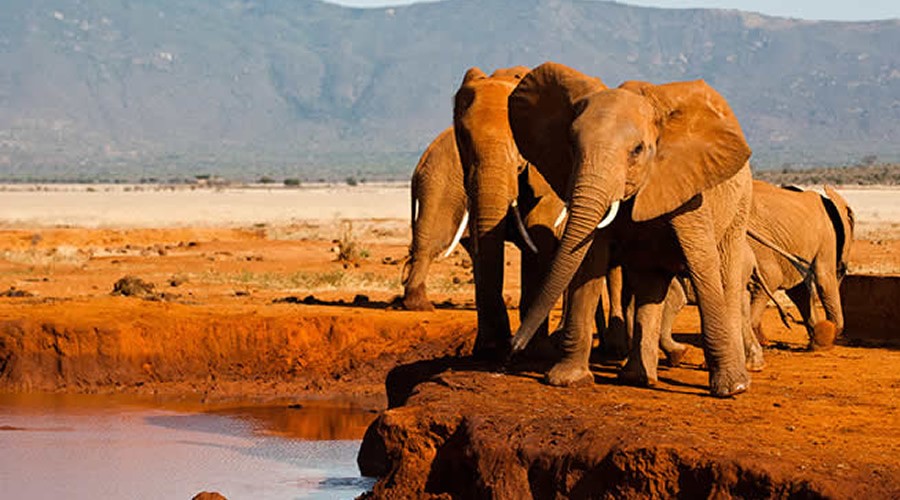
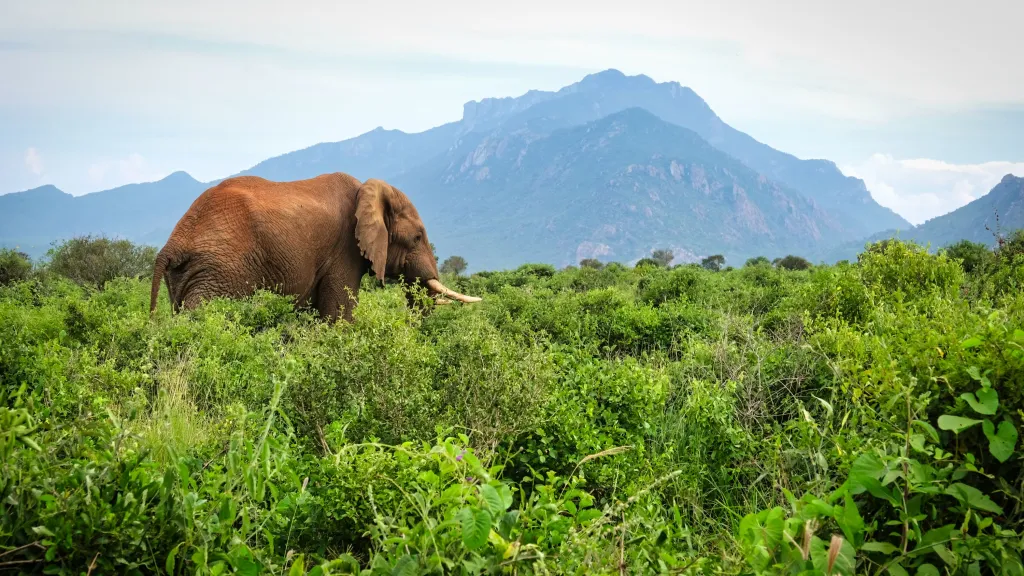
The park is a sanctuary for some of Africa’s most iconic species. Elephants roam the plains in vast herds, their numbers thriving in this protected environment. Predators, including lions and cheetahs, patrol the landscape, drawn to the abundance of prey such as gazelles and zebras. Tsavo East also serves as a haven for bird enthusiasts, with its diverse habitats attracting numerous bird species, some of which are unique to the region.
In essence, Tsavo East National Park offers a profound connection to the natural world, showcasing the delicate balance of life in a semi-arid environment. Through understanding its diverse geography and the life it supports, we gain insight into the complexities of nature’s mastery, a reminder of the wilderness that once dominated the African continent.
The Scenic Marvels of Tsavo West
Transitioning from the extensive flat plains and the remarkable Yatta Plateau of Tsavo National Park, Tsavo West offers a contrasting landscape that captivates the heart of every adventurer. Famous for its rugged terrain dotted with volcanic hills and sweeping valleys, Tsavo West National Park is a scenic marvel that hosts an array of natural attractions. Among these, the Mzima Springs stand out as an oasis of lush greenery amidst the arid wilderness. These springs are a vital source of water for the park’s ecosystem, drawing a diverse variety of wildlife and offering clear underwater viewing galleries for visitors to witness hippos and fish in their natural habitat.
Adjacent to the verdant allure of Mzima Springs is Lake Jipe, straddling the border between Kenya and Tanzania. This secluded lake is a haven for birdwatchers, providing a tranquil spot to observe migratory and indigenous birds. Additionally, the park’s dedicated rhino sanctuary plays a critical role in the conservation of these endangered species, allowing visitors the unique opportunity to witness rhinos in a protected natural environment.
The park’s allure extends beyond its scenic landscapes to its rich biodiversity. Tsavo West is a crucial habitat for large mammal populations, including vast herds of elephants that roam its plains and lions that add to the wild appeal of this remarkable wilderness. This variety in habitats and wildlife makes Tsavo West an indispensable part of Kenya’s natural heritage, offering insights into the complex ecosystems that thrive within its bounds and continuing the narrative from the geographical exploration of Tsavo East to the historical depths that Tsavo’s region holds, as explored in the subsequent chapter.
The Rich Archaeological and Historical Roots
Uncover the historical narrative of Tsavo National Park, emphasizing archaeological findings from the Late Stone Age period and the region’s trade connections with the Swahili coast as early as 700 CE. Discuss the construction of the Uganda Railway and the infamous ‘Maneaters of Tsavo’ during the colonial era, shaping Tsavo’s legacy.
Wildlife and Biodiversity
Delving into the heart of Tsavo National Park, one can’t help but be mesmerized by its sprawling wilderness and the rich tapestry of biodiversity it houses. Home to the famous Big Five – lions, leopards, elephants, buffalo, and rhinoceroses – the park plays a pivotal role in wildlife conservation. Beyond these iconic species, Tsavo is a sanctuary for a multitude of other animals, including cheetahs, zebras, hyenas, and over 500 species of birds, each adding a unique thread to the park’s ecological fabric.
The precarious balance of this ecosystem makes it an essential zone for conservational research and efforts. These efforts are aimed not only at sustaining the populations of endangered species but also at understanding the intricate interactions within this diverse habitat. It is in this context that Tsavo’s conservation significance is most pronounced – offering invaluable insights into maintaining biodiversity amidst changing environmental conditions and human pressures.
The establishment of protected areas and the implementation of anti-poaching measures are crucial to this end. Through vigilant monitoring and scientific studies, Tsavo contributes to the broader goals of ecological preservation and species survival, ensuring that the wilderness thrives for future generations to marvel at and learn from. This conscious intertwining of conservation and research initiatives establishes a firm base for ongoing and future efforts to secure the park’s inhabitants, paving the way for sustained ecological balance and biodiversity within the park’s expansive boundaries.
Conservation Efforts by the Kenya Wildlife Service
Building upon the foundation of understanding Tsavo National Park’s immense wildlife and biodiversity, the Kenya Wildlife Service has implemented numerous conservation strategies to protect and preserve the park’s natural inhabitants. These efforts are crucial for maintaining the delicate balance of the ecosystem and ensuring the survival of many species that call Tsavo home.
A significant focus of these conservation efforts has been placed on the safeguarding of elephants and rhinos, two of the park’s most iconic, yet critically endangered, species. The Kenya Wildlife Service has launched several anti-poaching initiatives aimed at these species, employing the use of advanced technology such as aerial surveillance drones and GPS tracking to monitor wildlife movements and poacher activities. These measures have been instrumental in drastically reducing the incidents of poaching within the park boundaries.
In addition to direct anti-poaching efforts, the Kenya Wildlife Service has also undertaken projects to manage the ecosystems within Tsavo. This includes the creation of artificial waterholes to support wildlife during periods of drought, controlled burning to prevent the spread of invasive plant species, and the relocation of certain animal populations to prevent overgrazing and ensure a balanced distribution of species across the park. These ecosystem management projects are vital for sustaining the natural habitats that support Tsavo’s diverse wildlife populations.
Curbing the illegal wildlife trade and implementing community outreach programs have also been key elements of the conservation work in Tsavo. By working with local communities, the Kenya Wildlife Service has promoted the importance of conservation, helping to nurture a coexistence mindset between humans and wildlife. These community-based conservation programs have been critical in building support for the park’s conservation efforts, ensuring that Tsavo remains a bastion for Kenya’s wildlife heritage.
These concerted conservation strategies by the Kenya Wildlife Service highlight the comprehensive approach taken to protect Tsavo’s rich biodiversity. As we transition from discussing the park’s wildlife and conservation efforts, the next chapter will delve into the adventures and tourism opportunities that Tsavo offers. It is through such tourism activities that visitors can truly appreciate the beauty and significance of Tsavo National Park, contributing to the local economies and further supporting the park’s conservation initiatives.
Adventure and Tourism in Tsavo
Discover the various tourist activities and attractions that make Tsavo National Park a must-visit for adventurers. From guided safaris and rock climbing to bird watching and photo tours, understand how tourism supports local economies and conservation efforts.
Challenges Facing Tsavo National Park
Tsavo National Park faces distinct challenges threatening its biodiversity and economic value derived from tourism, as outlined in the previous chapter. One of the most pressing issues is human-wildlife conflict, which has escalated with the expansion of human settlements and farming activities into traditional wildlife habitats. This encroachment has not only reduced space for wildlife but also increased instances of animals straying into human areas in search of water and food, leading to crop damage and, in severe cases, loss of human life. In response, strategies such as the construction of wildlife corridors and electric fences have been implemented to facilitate the safe movement of animals between different parts of the park and neighboring conservation areas, reducing direct conflicts with humans.
Poaching remains a significant threat to Tsavo’s wildlife, particularly targeting elephants for their ivory and rhinos for their horns. To counter this, the Kenya Wildlife Service (KWS) has intensified anti-poaching patrols and invested in advanced surveillance technologies, including aerial patrols and ground sensors. Additionally, community engagement initiatives have been strengthened to foster a sense of ownership and responsibility for conservation efforts among local communities, encouraging them to report poaching activities and participate in conservation programs.
Climate change presents another complex challenge, manifesting in unpredictable weather patterns, prolonged droughts, and occasional heavy flooding. These conditions strain the park’s ecosystems, affecting both flora and fauna. Water conservation initiatives, such as the construction of dams and water pans, aim to mitigate these effects by ensuring a year-round water supply for wildlife. Moreover, reforestation and afforestation projects are underway to restore degraded areas and enhance the park’s resilience against climate change.
To promote sustainable coexistence between Tsavo National Park and its neighbors, a multi-faceted approach involving policy development, community engagement, and international cooperation is critical. Policies focusing on wildlife conservation and climate change mitigation are continuously reviewed to address emerging challenges effectively. Engaging local communities through education and participatory conservation projects empowers them, ensuring their active involvement in safeguarding the park’s future. Simultaneously, international partnerships for research, funding, and technical support enhance the capacity for monitoring, enforcement, and implementation of sustainable conservation practices.
By addressing these challenges systematically, Tsavo National Park can continue to thrive as a beacon of wildlife conservation, offering unforgettable experiences to visitors from around the world, while ensuring the local communities around Tsavo National Park benefit from and contribute to its long-term preservation.
The Cultural Impact and Community Involvement
In the wake of challenges such as human-wildlife conflict, poaching, and climate change addressed in the preceding chapter, local communities around Tsavo National Park play a pivotal role in conservation and tourism endeavors. The deep cultural connections these communities have with the land, leveraging indigenous knowledge systems, are instrumental in the strategies developed to counteract these adversities. This symbiotic relationship not only aids in preserving the ecosystem but also enriches the tourism experience for visitors, weaving a rich narrative around the natural and cultural heritage of Tsavo.
Local involvement in conservation efforts is not a new concept; it is a resurgence of ancient traditions where wildlife and humans coexisted harmoniously. Today, these practices are modernized, integrating scientific knowledge with traditional wisdom to manage and protect the environment effectively. Community-based projects, such as those promoting sustainable land use and anti-poaching campaigns, are testament to this blend of old and new.
Furthermore, Tsavo’s socio-economic impact on regional communities is profound. Employment opportunities, from park rangers to guides and hotel staff within the park’s lodges, are a direct benefit. Additionally, the park has catalyzed growth in ancillary businesses, such as handicrafts sold to tourists, further diversifying income sources for local households. This economic interdependence fosters a collective responsibility among the local population to protect and preserve Tsavo’s wilderness for future generations.
Looking forward, as discussed in the subsequent chapter, the ongoing initiatives for environmental preservation, supported by both local wisdom and international partnership, promise a brighter future for Tsavo National Park. This visionary approach ensures that Tsavo remains a cherished natural treasure, signaling hope for its enduring legacy amidst the challenges of the modern world.
Future Prospects for Tsavo National Park
Reflecting on the future outlook for Tsavo National Park, it is apparent that the park is on a promising path toward sustainability and enhanced conservation. Ongoing initiatives in environmental preservation include the implementation of advanced anti-poaching technologies and community-based conservation projects. These efforts are supported by both local and international entities, recognizing the global importance of Tsavo’s biodiversity. Looking ahead, technological advancements such as the use of drones for monitoring wildlife and artificial intelligence to track animal movements and poaching activities are set to play a pivotal role. Furthermore, Tsavo is part of larger transboundary conservation efforts which aim to secure migratory routes and ensure genetic diversity. International support, through funding, research collaborations, and tourism, remains crucial. This external involvement not only boosts Tsavo’s conservation projects but also contributes to the sustainable development of surrounding communities, ensuring that Tsavo thrives for generations to come.
Conclusions
Tsavo National Park, with its vast landscapes, historical depth, and rich biodiversity, remains a crucial part of Kenya’s natural heritage. Conservation efforts, driven by dedicated organizations like the Kenya Wildlife Service, continue to safeguard this magnificent ecosystem. Sustained support and awareness are essential to ensure that Tsavo’s pristine wilderness endures, benefiting wildlife, local communities, and future generations.