Kenya, a jewel of East Africa, offers unparalleled opportunities for wildlife tourism. Renowned for its majestic landscapes and diverse ecosystems, Kenya’s national parks and reserves provide a sanctuary for iconic wildlife species. This article delves into the multifaceted world of wildlife tourism in Kenya, exploring its history, top destinations, ecological significance, and cultural connections.
The Genesis of Wildlife Tourism in Kenya
The genesis of wildlife tourism in Kenya can be traced back to the early 20th century when visitors began to flock to the region, drawn by tales of vast wilderness and exotic animals. It was the allure of Africa’s “Big Five” – lions, elephants, buffaloes, leopards, and rhinoceros – that initially captured the imagination of the wider world. Over time, Kenya has successfully positioned itself as a leading destination for wildlife enthusiasts, thanks in no small part to its impressive array of national parks and reserves, including the iconic Masai Mara National Park, Amboseli National Park, and Tsavo National Park.
Key milestones in the evolution of wildlife tourism in Kenya include the establishment of its first national park, Nairobi National Park, in 1946. This was a significant development that underscored the country’s commitment to preserving its natural heritage. The founding of the Kenya Wildlife Service (KWS) in 1989 further cemented Kenya’s dedication to wildlife conservation and management, providing a structured approach to the protection of its fauna and flora. The KWS has been instrumental in spearheading anti-poaching campaigns, wildlife research, and community conservation projects, all of which have contributed to the growth of wildlife tourism in the country.
Wildlife tourism in Kenya has flourished due to a combination of factors, including its diverse ecosystems, the rich biodiversity, and the commitment of the Kenyan government and local communities to conservation efforts. Tourists from around the globe are drawn to Kenya’s vast landscapes to witness the Great Migration in the Masai Mara, to observe elephants against the backdrop of Mount Kilimanjaro in Amboseli, or to embark on a safari adventure in the expansive savannahs of Tsavo. This unique blend of natural beauty, wildlife diversity, and sustainable tourism practices ensures that Kenya remains at the forefront of wildlife tourism destinations worldwide.
National Parks and Reserves: The Heart of Kenya’s Wildlife
Following the genesis of wildlife tourism in Kenya, the national parks and reserves stand at the forefront, representing the essence of Kenya’s efforts in biodiversity and conservation. The establishment of these protected areas was a significant milestone in the evolution of wildlife tourism, ensuring the preservation of Kenya’s natural heritage for future generations. With the Kenya Wildlife Service (KWS) playing a central role in managing these sanctuaries, the focus has gradually shifted towards not only protecting wildlife but also promoting sustainable tourism practices that contribute to conservation and community development. This transition lays the groundwork for discussing the heart of Kenya’s wildlife – its national parks and reserves.
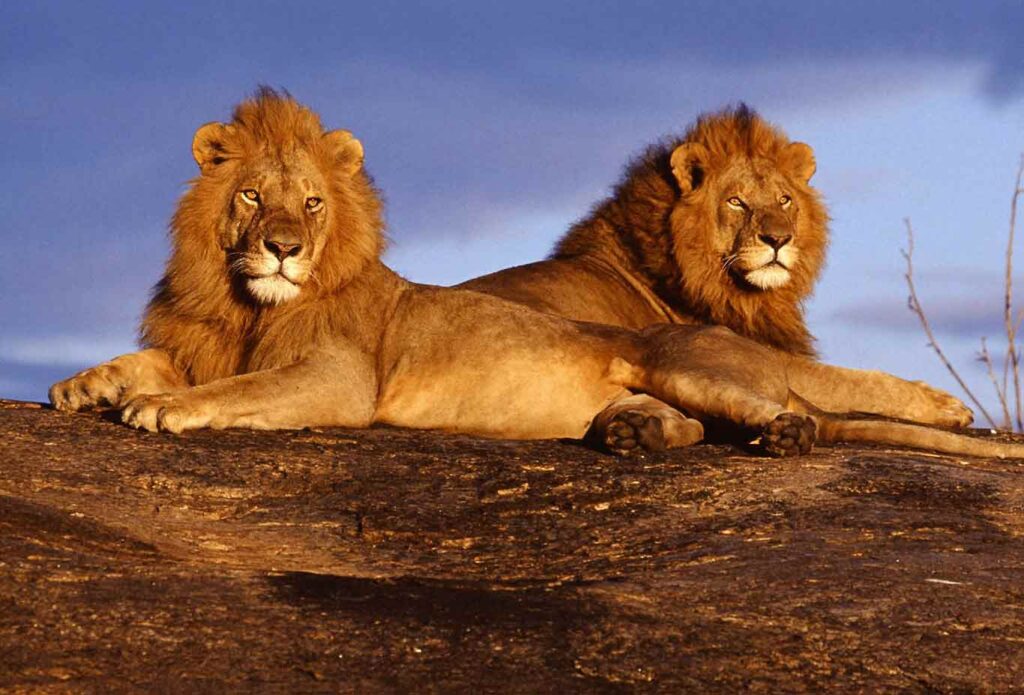
The Masai Mara National Reserve, arguably Kenya’s most celebrated wildlife reserve, is renowned for its exceptional population of lions, leopards, cheetahs, elephants, and the annual wildebeest migration, a spectacular event recognized as one of the Seven New Wonders of the World. The Masai Mara’s vast grasslands and rivers support an incredibly rich biodiversity, making it a key player in conservation and a prime destination for wildlife enthusiasts.
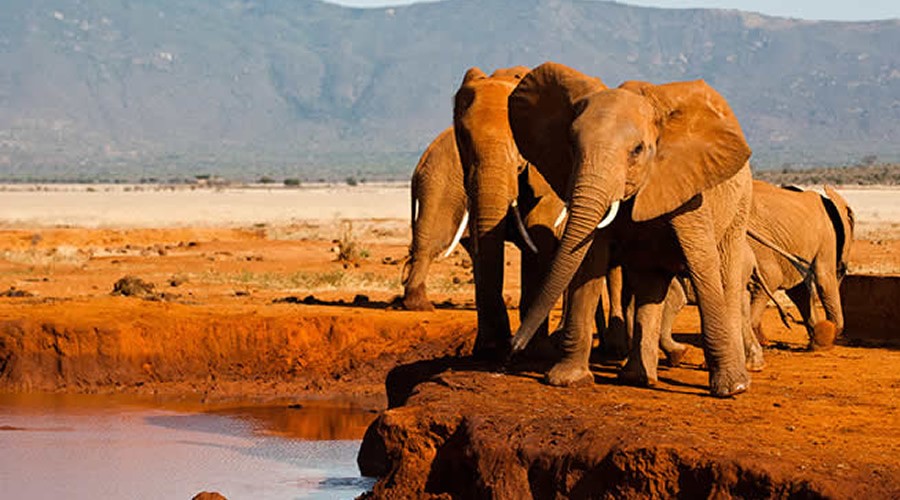
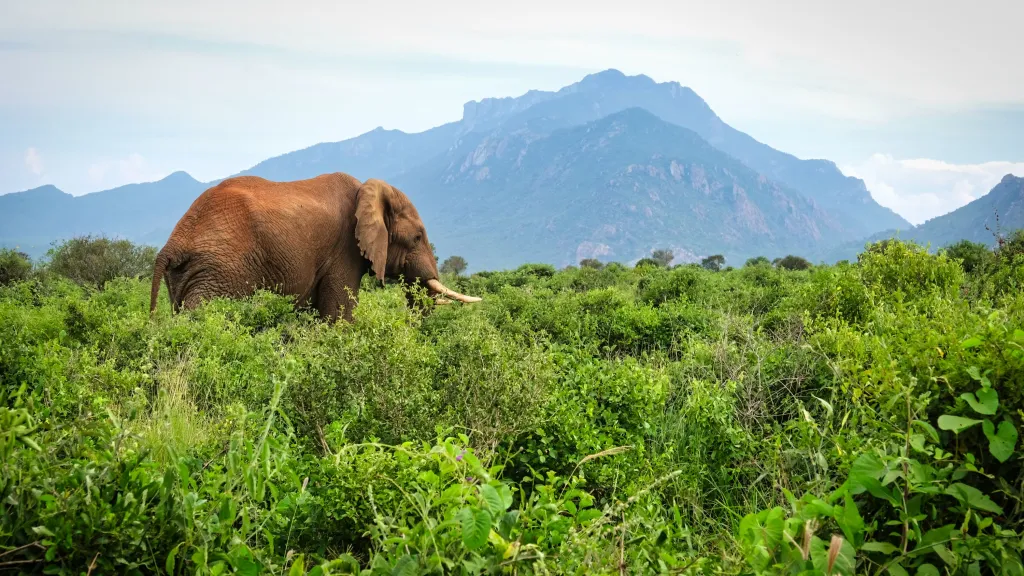
In the shadow of Mount Kilimanjaro, Amboseli National Park offers one of the most iconic images of Africa: large herds of elephants roaming with the backdrop of the continent’s highest peak. The park’s delicate ecosystem, characterized by dry lake beds and wetlands, sustains a variety of species and is particularly famous for its elephant research and conservation projects. Amboseli epitomizes the balance between wildlife tourism and conservation efforts, serving as a sanctuary for those seeking an authentic safari experience while contributing to elephant preservation.
Spreading across a vast area, the Tsavo National Park is divided into Tsavo East and West, together forming one of the largest national parks in the world. This expanse offers diverse habitats, from the Yatta Plateau and Lugard Falls in Tsavo East to the Mzima Springs and volcanic landscapes of Tsavo West. The park is a haven for a variety of wildlife, including the Big Five, and plays a critical role in the preservation of the biodiversity of the region. Tsavo’s vastness and variety make it a key component in Kenya’s wildlife tourism, offering unparalleled opportunities for conservation and research.
Lastly, Nairobi National Park presents a unique juxtaposition of Kenya’s wildlife heritage against the backdrop of a bustling cityscape. As one of the few national parks located within a capital city worldwide, it offers a quick escape to the wild, hosting a rich diversity of animals including the endangered black rhino. The park’s proximity to urban centers makes it a vital educational and conservation resource, fostering a connection between the people and their natural heritage.
These parks and reserves not only showcase Kenya’s commitment to wildlife conservation but also illustrate the intrinsic link between tourism and conservation. By visiting these areas, tourists directly contribute to the preservation of these ecosystems and the welfare of local communities, laying a foundation for sustainable tourism practices discussed in the following chapter on Ecotourism and Responsible Wildlife Watching. This approach emphasizes the importance of responsible tourism in conserving Kenya’s natural beauty for future generations, ensuring that the wonders of Kenya’s wildlife remain a source of national pride and global admiration.
Ecotourism and Responsible Wildlife Watching
Building on the foundation of understanding Kenya’s major national parks and reserves, it is crucial to delve into the practices of ecotourism and responsible wildlife watching, emphasizing their importance in preserving these natural habitats. Ecotourism in Kenya is not just about providing an opportunity to witness the majesty of wildlife up close; it is deeply entwined with the principles of conservation, community benefit, and educational enrichment.
Kenya’s approach to ecotourism focuses on minimizing the environmental impact of tourism, enhancing the conservation efforts for its unique ecosystems, and promoting the well-being of local communities. Responsible wildlife tourism practices are at the heart of these efforts, ensuring that visitors can enjoy Kenya’s natural beauty in a way that is sustainable and respects the needs of the wildlife.
One of the exemplary initiatives demonstrating Kenya’s commitment to sustainable tourism is the adoption of wildlife-friendly lodging and safari practices. Lodges and tented camps across the country are increasingly using solar power, implementing water conservation measures, and reducing waste to minimize their ecological footprint. Moreover, many of these accommodations contribute directly to conservation projects, such as anti-poaching patrols and wildlife research, ensuring that a portion of the tourism revenue is reinvested into the very ecosystems that visitors come to see.
Community-based tourism initiatives serve as another pillar of responsible wildlife watching in Kenya. These programs empower local communities by involving them directly in tourism, from hosting visitors in community-run lodges to guiding tours that showcase the cultural heritage of Kenya’s indigenous peoples. By linking tourism to tangible benefits for local people, these initiatives help to foster a sense of ownership and responsibility towards natural resources, further aligning conservation efforts with community development.
Kenya’s conservation success stories, such as the rebounding populations of certain endangered species, can be attributed in part to the synergy between conservation and responsible tourism. The revenue and awareness generated by ecotourism create a virtuous cycle, funding further conservation work and promoting a culture of respect for the natural world.
Moreover, Kenya’s ecotourism sector is leading the way in offering educational experiences that impart visitors with a deeper understanding of wildlife conservation challenges and solutions. Tours and activities are designed not only to thrill but also to enlighten, providing insights into the delicate balance of ecosystems and the critical importance of preserving them.
In conclusion, the practice of ecotourism and responsible wildlife watching in Kenya is a testament to the country’s dedication to safeguarding its natural heritage for future generations. Through sustainable tourism initiatives, Kenya is setting a global example of how tourism can be a powerful force for good, supporting conservation efforts, benefiting local communities, and offering unforgettable experiences that inspire a lifelong commitment to protecting our planet’s invaluable biodiversity.
Cultural Connections: The Maasai and Samburu People
In the heart of Kenya, the Maasai and Samburu communities stand as guardians of a rich cultural heritage that has existed for centuries, interwoven deeply with the lands and wildlife that surround them. These indigenous groups have maintained a symbiotic relationship with their environment, demonstrating a profound understanding and respect for the animals they live amongst. This chapter delves into how these tribes interact with wildlife and how their traditional knowledge contributes significantly to conservation, providing a unique perspective on wildlife tourism.
The Maasai, known for their distinctive red cloaks and intricate beadwork, have been living alongside the vast wildlife populations of the Masai Mara National Park, among other areas, for centuries. Similarly, the Samburu, residing in the arid regions to the north, share an equally complex relationship with the land and its creatures. Both these communities practice pastoralism, relying on cattle, sheep, and goats, which forms the core of their economy and social status. However, they’ve shown a remarkable capacity to coexist with wildlife, including predators like lions, which in many parts of the world would be considered a direct threat to livelihood.
Central to this harmonious existence is their traditional knowledge, which encompasses an intricate understanding of the ecosystem and animal behavior. This knowledge is passed down through generations, embedding a conservation ethos within their cultural practices and rituals. For example, both the Maasai and Samburu have traditional grazing practices that prevent overgrazing, thus ensuring that both domestic and wild animals can find enough food. They also set aside conservation areas, known as “sacred groves,” for the protection of biodiversity and to provide sanctuaries for wildlife.
Engagement with these communities offers a profound cultural tourism experience that goes beyond wildlife viewing. Visitors have the opportunity to immerse themselves in the Maasai and Samburu way of life through village visits, cultural exchanges, and participation in traditional ceremonies. These activities not only provide a source of income for these communities but also create a platform for them to share their conservation messages and sustainable practices with a global audience.
The Maasai and Samburu demonstrate a vital lesson in wildlife conservation: that human cultures can exist in harmony with nature. Their traditional knowledge and practices offer invaluable insights into sustainable coexistence with wildlife, emphasizing that conservation is not just about protecting animals, but also respecting and learning from those who live closest to them. As we move towards the following chapter, which discusses the challenges and opportunities in Kenya’s wildlife tourism, it’s clear that the lessons learned from the Maasai and Samburu could play a significant role in addressing some of these challenges and leveraging the opportunities for the benefit of all involved.
Challenges and Opportunities in Kenya’s Wildlife Tourism
Kenya’s wildlife tourism, while a significant contributor to the country’s economy, faces a number of challenges that could impact its sustainability and growth. Poaching, a critical threat, jeopardizes the existence of key species such as elephants and rhinos in parks like Masai Mara National Park, Amboseli National Park, and Tsavo National Park. This illegal activity not only disrupts the ecological balance but also diminishes the appeal for tourists seeking authentic wildlife experiences.
Climate change poses another substantial challenge, altering habitats and endangering the delicate balance of ecosystems. Droughts and changes in rainfall patterns affect wildlife migration routes and the availability of water and food, impacting animal populations in areas such as Amboseli National Park, known for its large elephant herds and stunning views of Mount Kilimanjaro.
Human-wildlife conflict is a growing concern as the expansion of human settlements leads to encroachment into wildlife territories. This results in loss of livestock and crops for local communities, and in retaliation, the killing of wildlife. These conflicts highlight the need for sustainable solutions that benefit both humans and wildlife, ensuring the preservation of biodiversity while supporting local livelihoods.
Despite these challenges, there are significant opportunities for growth in Kenya’s wildlife tourism industry. Technological advancements have the potential to transform conservation efforts. Drones, for instance, are being used for surveillance to prevent poaching and to monitor wildlife movements more effectively. Mobile technology also supports conservation by enabling community-based reporting of poaching incidents and human-wildlife conflicts.
Policy initiatives and international partnerships play a crucial role in addressing the challenges facing wildlife tourism in Kenya. Strengthened legislation and enhanced funding are essential to combat poaching and mitigate human-wildlife conflicts. International support can also aid in the development of sustainable tourism initiatives that contribute to conservation while benefiting local economies.
Investments in infrastructure, such as improved access to remote parks and better amenities for tourists, can enhance the visitor experience and attract more tourists. Moreover, promoting community-based tourism initiatives that involve local people in wildlife conservation can provide alternative sources of income, reducing the reliance on activities that harm the environment.
In conclusion, while wildlife tourism in Kenya faces significant challenges, the opportunities for sustainable growth and conservation are vast. By leveraging technological advancements, policy support, and international partnerships, Kenya can ensure the continued success of its wildlife tourism sector, preserving its rich biodiversity for future generations.
Conclusions
Kenya’s wildlife tourism is a vital industry that not only promotes conservation efforts but also supports local economies. Through responsible tourism practices and effective management of natural resources, Kenya continues to be a premier destination for wildlife enthusiasts. By understanding the cultural and ecological significance of Kenya’s wildlife, tourists can contribute positively to this dynamic and thriving sector.