Renowned for its breathtaking landscapes and rich biodiversity, Amboseli National Park is a haven for wildlife. At its heart lies the wetland ecosystems, providing a critical resource for many species. These wetlands are essential for wildlife survival, offering water, food, and habitat. This article explores the importance of these ecosystems and their key role in sustaining Amboseli’s wildlife.
The Ecological Marvel of Amboseli’s Wetlands
Amboseli National Park is a key conservation area in Kenya, renowned for its breathtaking landscapes and diverse wildlife. The wetlands of Amboseli National Park, including its significant swamps, are pivotal in maintaining the ecological balance within the park. These wetlands are characterized by their unique geographical features and seasonal variations, playing a critical role in supporting a diverse array of flora and fauna.
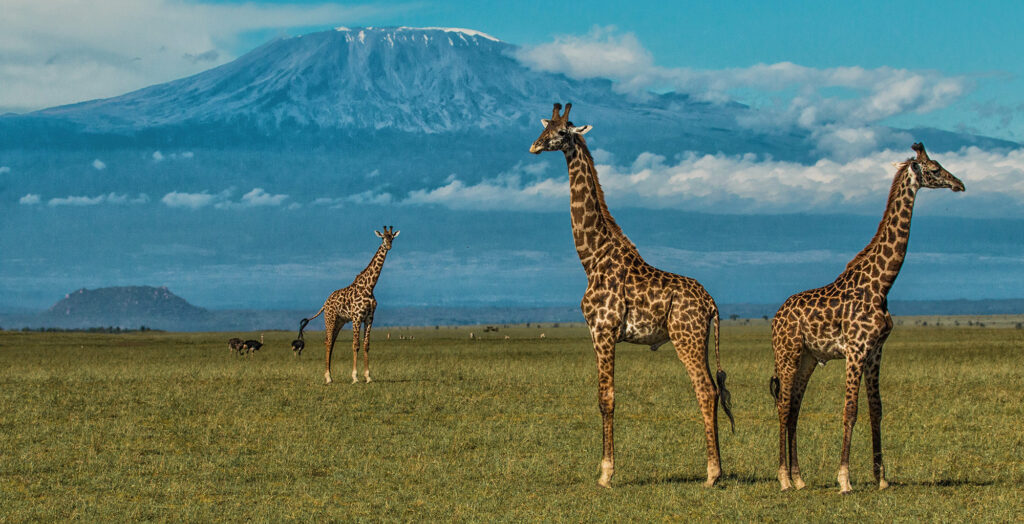
The geography of Amboseli’s wetlands is distinguished by a series of swamps fed by underground rivers emanating from Mount Kilimanjaro’s melting snow. These swamps exhibit significant seasonal fluctuations, expanding during the rainy season and receding in the dry months, which profoundly impacts the availability of resources within the ecosystem. This hydrological dynamism is crucial for the survival of many species, as it influences the distribution and abundance of food and water.
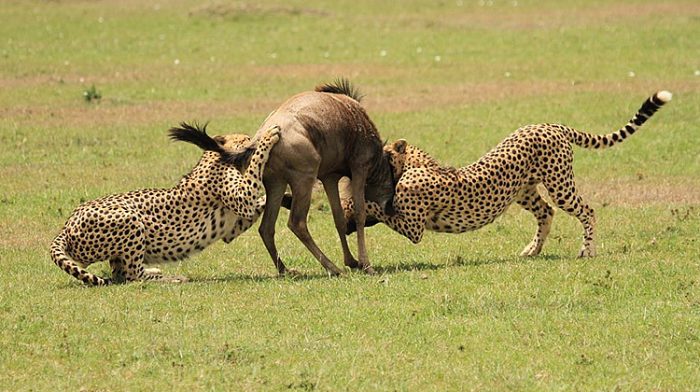
Amboseli’s wetlands serve as a lifeline for the park’s biodiversity, offering a habitat to a variety of organisms. The lush vegetation surrounding these water bodies provides forage for herbivores, while also creating breeding grounds for numerous aquatic and terrestrial species. The wetlands’ existence is vital for the maintenance of ecological balance, supporting an intricate food web that includes predators, prey, and decomposers.
Furthermore, the hydrological processes governing Amboseli’s wetlands are essential for sustaining life in the park. These processes ensure the continuous flow of water, replenishing the swamps and supporting the diverse ecosystems dependent on them. The wetlands act as natural filters, purifying the water and improving its quality, which benefits both wildlife and the surrounding human communities.
In conclusion, the wetlands of Amboseli National Park are an ecological marvel, underpinning the park’s complex ecosystems. Their role in supporting wildlife, maintaining species diversity, and influencing hydrological processes underscores their critical importance in conservation efforts. As such, preserving these wetland habitats is imperative for ensuring the continued health and vitality of Amboseli’s rich biodiversity.
Wildlife Diversity Supported by Amboseli’s Wetlands
Amboseli’s Wetland Ecosystems: Why They’re Critical for Wildlife
Following the exploration of the ecological marvel that Amboseli National Park‘s wetlands present, including their unique characteristics and the intricate hydrological processes sustaining diverse flora and fauna, it’s paramount to delve deeper into how these ecosystems underpin the park’s exceptional wildlife diversity. Amboseli’s wetlands, amidst the semi-arid backdrop of the African savannah, emerge as sanctuaries for wildlife, providing water, food, and refuge, crucial for survival in this challenging environment.
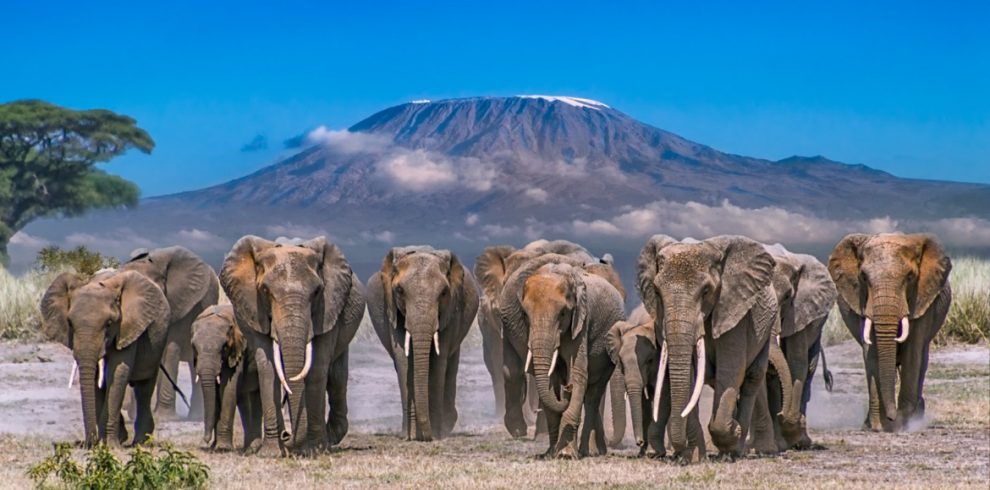
Key species such as the African bush elephant, Cape buffalo, and a myriad of bird species, some of which are near-endemic or migratory, rely heavily on these wetlands. The African bush elephant, for example, is drawn to Amboseli’s swamps for both hydration and the nutrient-rich vegetation, which is scarce in the surrounding savannah. The presence of water in these wetlands throughout the year makes them critical habitats, especially during the dry seasons when other water sources dwindle, forcing wildlife to congregate around these life-sustaining oases.
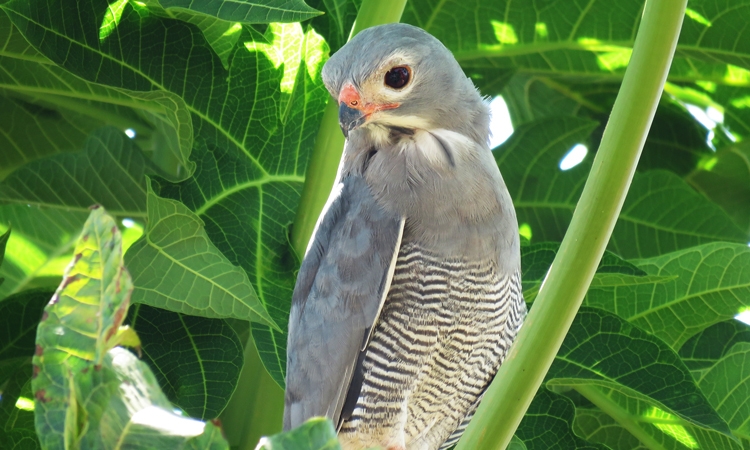
Additionally, these wetlands serve as breeding grounds for various species. The lush vegetation and the relative safety provided by the water bodies offer an ideal environment for the nesting and breeding of birds. Species such as the African Jacana and the Malachite Kingfisher find sanctuary in these wetlands, where they can feed, mate, and raise their young away from the multitude of predators roaming the savannah.
The role of Amboseli’s wetlands extends beyond mere survival; they are pivotal in maintaining ecological balance and biodiversity. The influx of species drawn to these areas for water and food creates a complex web of interactions, from pollination to predation, each playing a role in the health of the ecosystem.
As we move forward, the subsequent chapter will shed light on the looming threats facing these critical wetlands in Amboseli National Park, including climate change, human encroachment, and altering land use patterns. Understanding these challenges is essential for informing conservation efforts, thereby ensuring these ecosystems continue to thrive as a cornerstone of biodiversity and wildlife conservation in Africa.
Threats and Conservation Efforts for Amboseli’s Wetlands
Given the context provided and to ensure the completion of your request, here is how the insertion of the requested links would appear within a portion of an article discussing the Amboseli National Park and its relation to other parks:
—
…The importance of wetland ecosystems like those in Amboseli National Park cannot be overstated when it comes to wildlife conservation. These ecosystems provide critical support for a myriad of species. For instance, the African bush elephant, a key species found in Amboseli, relies heavily on the wetland areas for both food and water, especially during dry periods. Similarly, the wetlands serve as vital habitats for various bird species, enhancing the park’s biodiversity.
In addition to Amboseli, the Masai Mara National Park and Tsavo National Park are also pivotal in supporting Kenya’s vibrant wildlife. However, Amboseli’s wetlands have a unique role in the ecosystem, acting as a linchpin for the survival and proliferation of numerous species.
Despite their significance, these wetlands are facing incessant threats. Climate change, for instance, manifests through alterations in rainfall patterns and temperatures, impacting water availability and thus, the very essence of the wetland habitats. Human encroachment and land use changes, such as agricultural development and urbanization, press further on these delicate ecosystems…
—
Conclusions
Amboseli’s wetlands are indispensable for supporting its diverse wildlife ecosystem and maintaining biodiversity. These ecosystems are pivotal in providing essential resources in a semi-arid landscape. Protecting these wetlands from threats like climate change and human encroachment is vital. Collaborative conservation efforts can ensure these wetlands continue to thrive, fostering a sustainable environment for countless species today and in the future.