Embark on an unforgettable adventure by planning a day trip from Nairobi to the stunning Amboseli National Park. Home to diverse wildlife and the iconic views of Mount Kilimanjaro, this trip offers an escape into nature’s paradise. In this guide, we’ll help you plan your perfect day exploring Amboseli’s natural wonders and rich cultural heritage.
Getting to Amboseli: Travel Options and Tips
To reach Amboseli National Park from Nairobi, travelers have several options: self-driving, joining a guided tour, or catching a flight. Self-driving offers freedom but requires navigating Kenyan roads and park regulations. Guided tours, although pricier, provide expert insights and handle logistical challenges. Flights, the fastest yet most expensive option, offer spectacular aerial views of the landscape. For a smooth journey, start early to maximize wildlife sightings, pack essentials—water, snacks, and sun protection—and confirm vehicle or tour arrangements in advance. Stops at scenic points or cultural sites enrich the experience, while adhering to park guidelines ensures a safe, memorable visit.
Wildlife Wonders of Amboseli
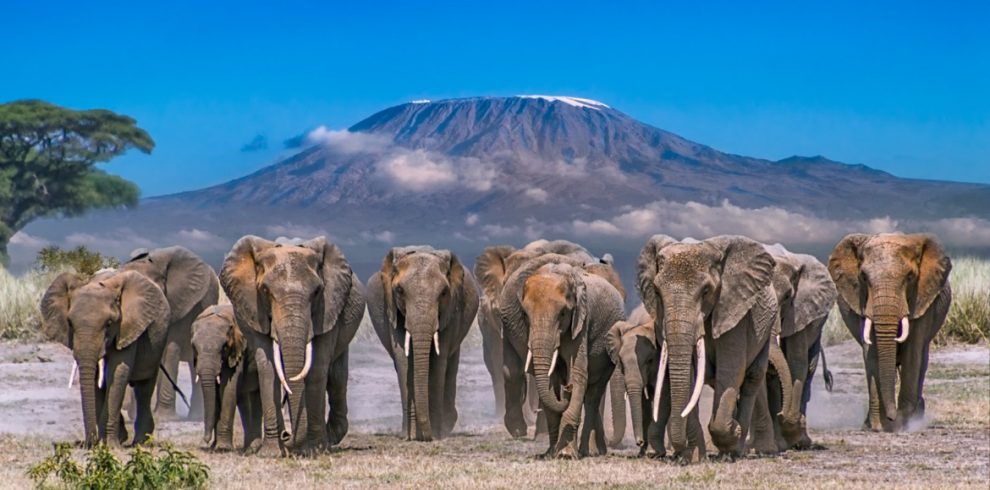
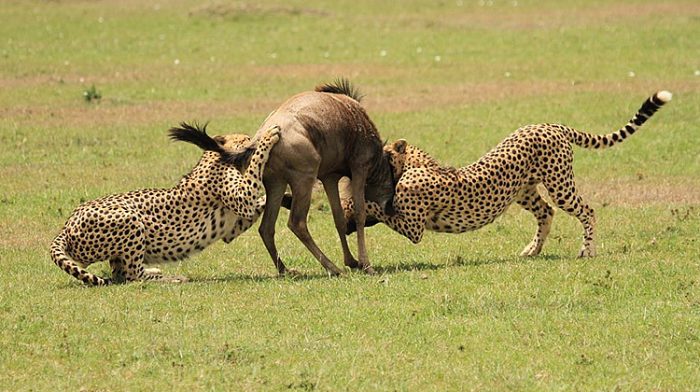
After choosing your preferred mode of travel from Nairobi and arriving at Amboseli National Park, you’re set to experience the rich tapestry of wildlife that makes this park a must-visit destination. Amboseli is renowned for its large herds of free-ranging African elephants, a sight that defines the essence of a wild African safari. However, the park’s wildlife diversity extends far beyond these gentle giants.
As you embark on your game drives, keep an eye out for the Amboseli Big Five: elephants, lions, buffaloes, leopards, and rhinos. Each species showcases unique behaviors and interactions with their environment that are a delight to observe. The elephants, in particular, are known for their complex social structures and emotional intelligence. Seeing a herd navigate the savannah, led by a matriarch, underscores the importance of conservation efforts that ensure their survival.
Lions, the kings of the savannah, are often spotted lounging under acacia trees or surveying their territory, offering breathtaking photo opportunities. The park also provides a safe haven for the African buffalo, a creature both majestic and formidable, as well as the elusive leopard, often seen perched on branches in the cooler hours.
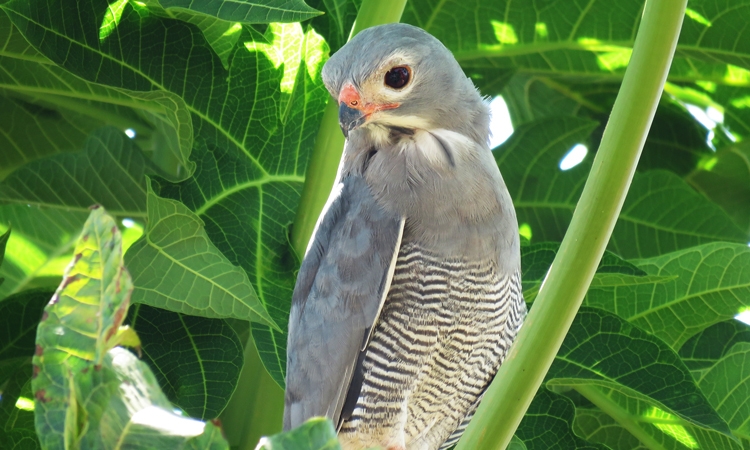
Amboseli’s avian inhabitants add another layer of allure to the park. With over 400 species of birds, including pelicans, flamingoes, and kingfishers, bird watchers will find themselves in a haven of biodiversity. The park’s wetlands, fed by the underground rivers from Mount Kilimanjaro, create an ecosystem rich with aquatic life, supporting both resident and migratory species.
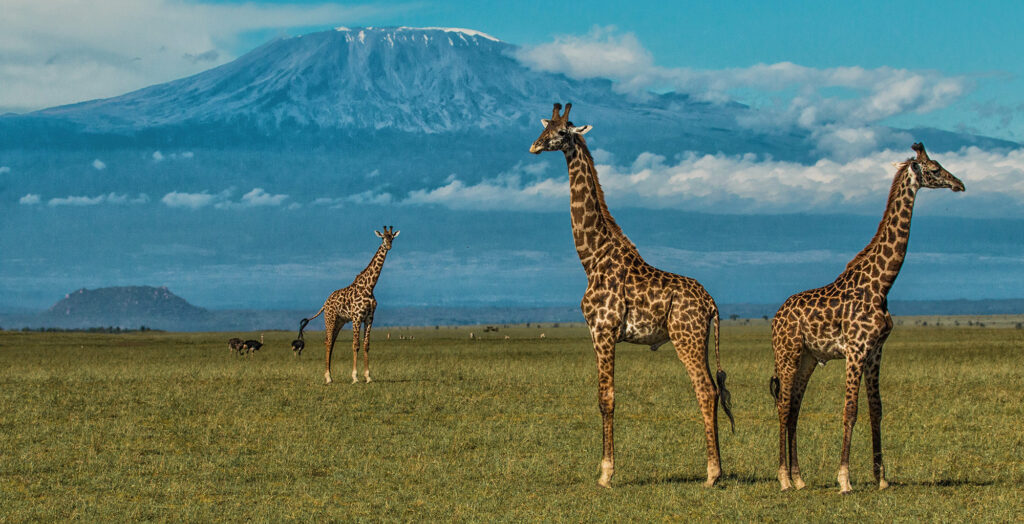
The ecological variety within Amboseli stems from its unique geographical features. The park encompasses dry lake beds, savannah grasslands, acacia woodlands, and wetlands. This mosaic of habitats supports an incredible diversity of life, underpinned by the iconic backdrop of Mount Kilimanjaro. The symbiotic relationship between the flora and fauna of Amboseli exemplifies the balance of nature, highlighting the vital importance of ongoing conservation efforts to preserve this delicate ecosystem for generations to come.
In understanding the depth of wildlife interactions and the significance of conservation, visitors gain a richer, more respectful appreciation of Amboseli’s natural beauty. Observing these animals in their natural habitat, behaving as they have for millennia, offers a profound connection to the wild and a stark reminder of our responsibility towards these magnificent creatures and their home.
Cultural Encounters: Meeting the Maasai
After marveling at the diverse wildlife in Amboseli National Park, a visit to the adjacent Maasai communities offers a profound cultural experience. Engaging with the Maasai people, known for their distinctive customs and deep-rooted traditions, provides an invaluable addition to your safari. Village tours allow for direct interaction, where visitors can observe and participate in traditional Maasai practices such as dances, storytelling, and the intricate beadwork that adorns their vibrant attire. It’s an opportunity to learn first-hand about their pastoral way of life, closely tied to the rhythms of nature, and how they coexist with the wildlife surrounding them.
Respectful interaction is key; tourists are encouraged to approach these experiences with sensitivity towards Maasai norms and values. These cultural exchanges not only enrich visitors’ understanding but also contribute to the preservation of Maasai heritage. Sustainable tourism practices suggest purchasing authentic handicrafts directly from the community, which supports local economies and incentivizes the conservation of cultural identity in the face of globalizing pressures. By embracing these principles, your visit becomes a bridge fostering mutual respect and understanding between diverse ways of life, nestled in the shadow of Amboseli’s environmental wonders.
Capturing Amboseli: Photography Tips and Iconic Spots
After experiencing the vibrant culture and traditions of the Maasai community, your journey through Amboseli National Park continues with a focus on capturing its stunning natural beauty through photography. Whether you’re an enthusiastic amateur or a seasoned pro, Amboseli’s landscapes and wildlife offer endless opportunities for breathtaking photography.
To ensure you capture the essence of Amboseli, possessing the right equipment is crucial. A DSLR or mirrorless camera with a zoom lens (at least 200mm) is ideal for wildlife shots, allowing you to maintain a safe distance while still getting up close and personal in your photos. For landscapes, a wide-angle lens will help encapsulate the vastness of the park. Don’t forget additional batteries and memory cards, as you’ll likely take more photos than you anticipate.
Timing is everything when it comes to photography, and the golden hours just after sunrise and before sunset provide the perfect natural lighting for both wildlife and landscapes, casting a soft, warm glow over the savannah. Mount Kilimanjaro, Africa’s tallest peak, best reveals its snow-capped glory at dawn, forming a breathtaking backdrop for your shots. Positioning yourself with the sun behind you will illuminate your subjects beautifully, enhancing the intricate details of the wildlife and the vivid colors of the landscape.
When photographing Amboseli’s iconic elephants, patience and respect are key. These majestic creatures are often on the move, so observe them from a distance and wait for the perfect shot. The elephants are known to roam in the swamps and grasslands, offering ample opportunities to capture their grace and might against the variety of landscapes Amboseli offers.
Composition is another important factor in photography, and the ‘rule of thirds’ is a simple guideline that can transform your photos from good to great. Imagine your image divided into nine equal segments by two vertical and two horizontal lines. Placing your subject along these lines or at their intersections creates more tension, energy, and interest in the composition than simply centering the subject.
Finally, remember that wildlife photography is not just about capturing beauty, but also about respecting nature. Keep a safe distance from the animals, and avoid anything that could disrupt their natural behavior. Use your vehicle or a hide for cover, and never feed or attempt to attract the wildlife. Your safety and the welfare of the animals should always be the top priority.
By following these tips and guidelines, you’ll not only enhance your photography skills but also leave Amboseli with incredible memories and stunning photographs that truly reflect the essence of this remarkable park.
Conclusions
A day trip from Nairobi to Amboseli offers a perfect blend of natural beauty and cultural richness. From wildlife exploration to cultural encounters with the Maasai, visitors can immerse themselves in unforgettable experiences. With well-planned logistics, respect for local communities, and photographic memories, your Amboseli adventure can be both enriching and sustainable.