Journeying to the lands surrounding Amboseli National Park offers more than a visual feast of breathtaking landscapes and wildlife encounters. Here, cultural explorers can immerse themselves in the vibrant traditions of the Maasai people, experiencing a unique blend of history, culture, and daily life that has persisted for centuries amidst stunning natural beauty.
The Maasai: Guardians of Tradition and Culture
The Maasai: Guardians of Tradition and Culture
Exploring the rich cultural heritage of the Maasai people unveils a fascinating tapestry of traditions, upheld by a community deeply rooted in their pastoral lifestyle. Known for their distinctive language and intricate social structures, the Maasai’s history is teeming with tales of valor as legendary warriors and adept cattle herders. These defining elements not only carve out their identity but also showcase their resilience in the face of the modern world’s relentless evolution. The Maasai’s steadfast commitment to their customs amidst globalization highlights a remarkable balance between preserving heritage and embracing inevitable changes. This duality not only cements their role as guardians of tradition but also as active participants shaping the narrative of cultural continuity in contemporary society.
Amboseli’s Enchantment: Nature and Maasai Harmony
Amboseli’s Enchantment: Nature and Maasai Harmony
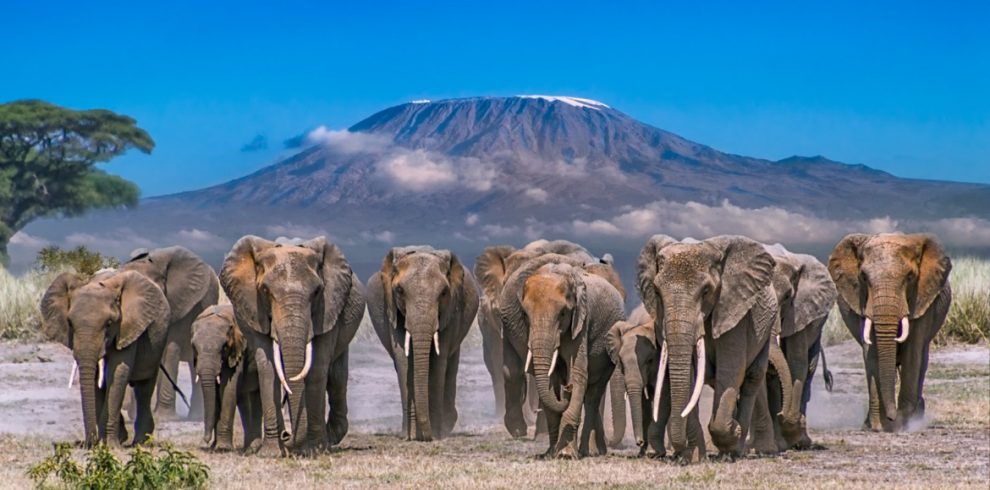
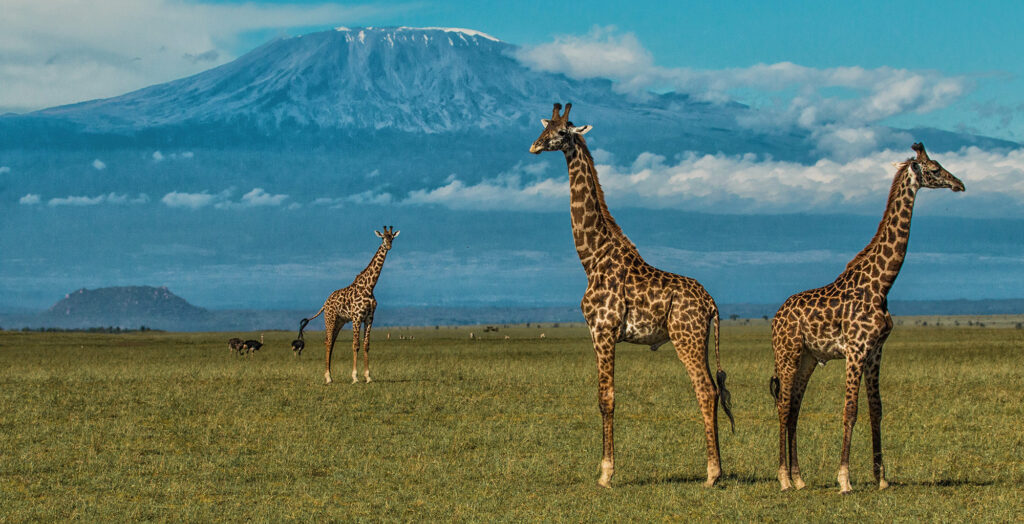
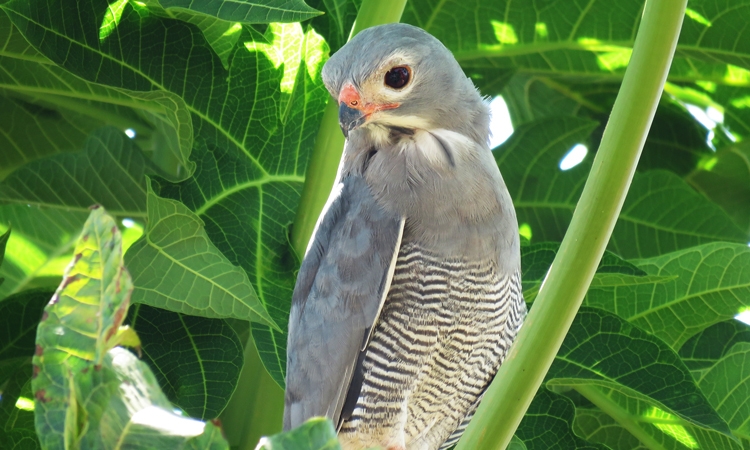
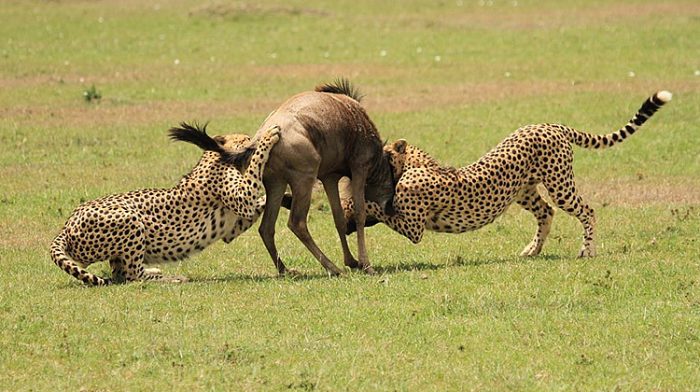
The interplay between the Amboseli National Park and the Maasai community is a testament to the harmonious relationship between humans and nature. This park, renowned for its ecological significance, serves as home to a wide variety of wildlife species and an array of bird varieties, flourishing under the watchful eyes of the Maasai people. The Maasai’s indigenous knowledge and their traditional pastoral lifestyle have been pivotal in the conservation and preservation of this rich biodiversity.
The history of Amboseli National Park is deeply intertwined with that of the Maasai community. Once under the control of colonial powers, the park has seen its return to local stewardship, marking a significant moment of triumph for the Maasai culture and their ancestral lands. This shift not only ensured the protection of the park’s ecological treasures but also signified the recognition of the Maasai’s intrinsic role in the sustainability of this ecosystem.
The ongoing cultural significance of the park for the Maasai people cannot be understated. It stands as a living museum, a place where they continue their traditional practices while also engaging in modern conservation efforts. Their sustainable pastoral practices, such as rotational grazing, have been instrumental in maintaining the balance of the park’s ecosystem, ensuring that both wildlife and people benefit. This symbiotic relationship has set a precedent for community-based conservation efforts around the globe, highlighting the importance of indigenous knowledge in environmental stewardship.
In this environment, where the land teems with the giants of the African savannah, the Maasai have managed to maintain their traditions, language, and social structures, showing the world that it is possible to live in harmony with nature. The Amboseli National Park is not just a tourist destination but a showcase of the delicate balance of ecosystem management, cultural preservation, and the sustainable development goals that the Maasai have championed for generations.
Cultural Tourism and the Maasai Experience
Building on the harmonious relationship between the Maasai community and the natural elegance of Amboseli National Park, cultural tourism presents a unique opportunity to deeply engage with Maasai traditions and lifestyles. Visitors to Maasai villages near Amboseli are greeted with an array of cultural experiences that go beyond the standard tourist attractions, providing a genuine glimpse into the community’s way of life.
Participating in traditional Maasai dances offers an immersive introduction to their rich cultural heritage. These dances, often accompanied by call-and-response singing, are not only a form of entertainment but also a means of storytelling and preserving historical narratives. Visitors are welcomed to join in, learning the steps and movements, which adds an interactive layer to their experience.
Delving further into the Maasai cultural fabric, tourists find themselves enthralled by the intricate craft and beadwork that play a significant role in Maasai identity. Workshops and demonstrations by local artisans offer insight into the techniques and symbols used in their crafts, providing a hands-on experience. Each bead and color represents an element of their culture and environment, and tourists often have the opportunity to create their personalized souvenirs, contributing directly to the local economy.
Moreover, engaging with community projects is another profound aspect of visiting Maasai villages. These projects, which may range from educational programs to sustainable development initiatives, highlight the benefits of cultural tourism. Visitors gain an understanding of the Maasai’s efforts to preserve their way of life while adapting to modern challenges. This engagement fosters a mutual respect and exchange between tourists and the Maasai, emphasizing the impact of responsible tourism.
However, sustainable practices are paramount to ensure that such cultural encounters benefit both the visitors and the Maasai community. It involves respecting local norms and traditions, ethical interactions, and supporting community-led tourism initiatives that aim to uplift rather than exploit. The balance between showcasing the Maasai way of life and preserving it requires continuous dialogue and cooperation between the community, tourism operators, and tourists themselves.
Cultural tourism in the shadow of Amboseli offers a window into the soul of the Maasai, allowing visitors to connect with the people, their traditions, and the landscapes they call home. It presents an unforgettable journey into understanding, respect, and friendship, underpinned by the beauty and challenges of maintaining cultural identity in a changing world.
Conclusions
Visiting Maasai communities near Amboseli enriches our understanding of a culture deeply intertwined with nature and ancestral traditions. As visitors, fostering respectful and sustainable interactions enhances cultural appreciation and supports the Maasai’s continued prosperity. Such encounters remind us of the importance of preserving cultural heritage while embracing global change, enriching both communities and travelers alike.