Kenya hosts one of the most awe-inspiring wildlife spectacles on Earth: the wildebeest migration. Together with the chance to see the renowned Big Five, a safari in Kenya promises an unforgettable adventure. This guide delves into the details of these phenomena, sharing essential tips for an ultimate wildlife experience.
Understanding the Great Migration
Understanding the Great Migration is to grasp the essence of Africa’s dramatic wilderness. This awe-inspiring natural phenomenon sees over two million wildebeest, zebras, and gazelles embarking on a cyclic journey of over 1,800 miles between Tanzania’s Serengeti National Park and Kenya’s Maasai Mara National Park. The migration is driven by the ancient rhythm of Africa’s seasons, as these animals relentlessly search for fresh grazing lands and water.
The cycle begins in the southern Serengeti, where in early year, millions of wildebeest give birth within a two to three-week window. This period marks not only the start of the migration but also a time when the plains are most vulnerable to predators. As the dry season approaches, the herds move northwest towards the Grumeti River, and by July or August, they reach the northern Serengeti and are ready to face one of their most daunting challenges: crossing the Mara River.
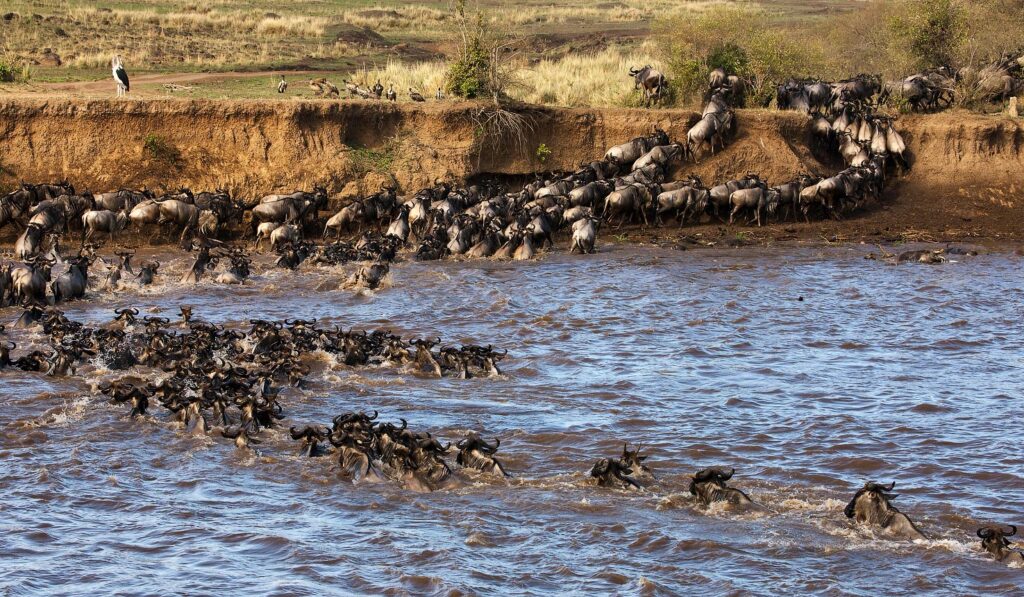
The Mara River crossing is perhaps the most sensational part of the migration. Here, wildebeest and zebra must evade hungry crocodiles while also battling strong currents and steep banks. The drama of crossings attracts wildlife enthusiasts from around the globe, offering a glimpse into the raw truth of nature where survival truly is a day-to-day battle.
Following the river crossing, the herds graze in the lush pastures of the Maasai Mara for the remainder of the dry season. Come October or November, with the start of the short rains, the animals begin their journey back to the Serengeti, ready to repeat this incredible cycle.
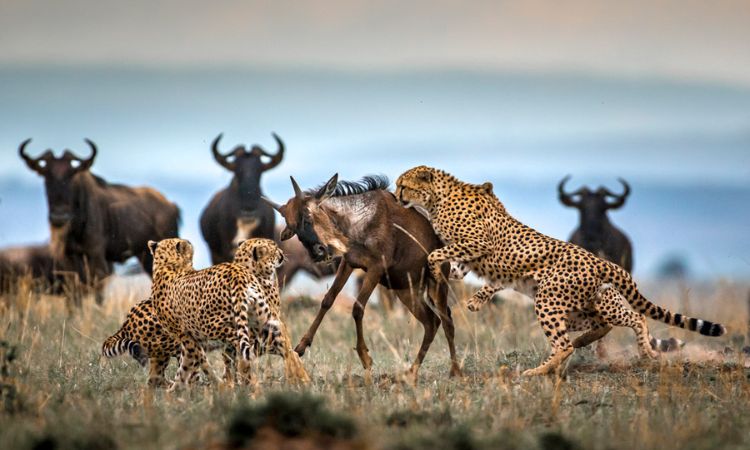
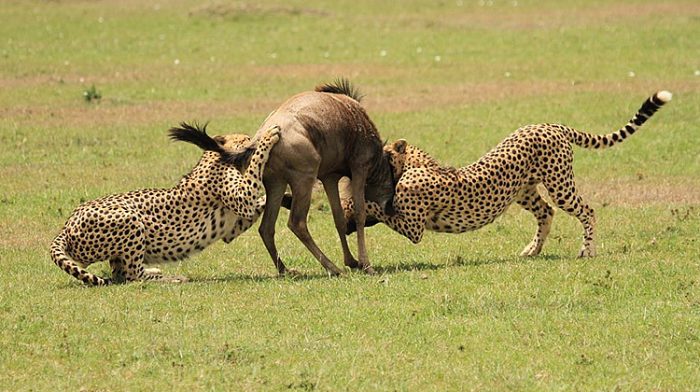
The Great Migration is not just a journey for the migrating wildebeest and their followers; it’s a pivotal event for many other species too. Predators like lions, hyenas, leopards, and crocodiles depend on the migration for food. It is a feast and famine cycle that dictates the very rhythm of life for these predators. Furthermore, the movement of such a vast number of animals impacts the grasslands themselves, playing a critical role in shaping the ecosystem and ensuring diversity.
Witnessing the Great Migration is a spectacle like no other and understanding the best times and locations is key to maximizing the experience. The Mara River crossings, typically happening between July and October, offer the most dramatic scenes, drawing the largest crowds. However, other phases of the migration offer unique experiences too. Watching the calving in the Serengeti from January to March provides sightings of newborns and dramatic predator-prey interactions, while the movement towards the northern Serengeti between June and July can offer more intimate wildlife viewing moments away from the crowds.
Observing these majestic creatures traverse the plains and tackle the challenges of the Mara River can be profoundly moving. To enhance this experience, visitors should consider engaging knowledgeable guides who can provide deeper insight into the animals’ behaviors and the ecosystem. Additionally, opting for longer stays or timed visits can significantly increase the chance of witnessing the major events of the migration.
When planning a visit to witness this extraordinary event, it’s essential to book accommodations well in advance, particularly if you aim to witness the river crossings, as lodges and camps in prime locations fill up quickly. Moreover, respecting the wildlife and the natural environment by adhering to park rules and guidelines ensures that this incredible spectacle continues for generations to come.
The Great Migration is a monumental journey that highlights the resilience and interdependence of life on the African savannah. Its impacts resonate far beyond the participating species, influencing the biodiversity and ecological balance of the entire Serengeti-Mara ecosystem. For those fortunate enough to witness this event, it offers not only a profound connection to the natural world but also a deeper appreciation for the intricate web of life that sustains it.
Conclusions
From the stunning spectacle of the wildebeest migration to encounters with the Big Five, a Kenyan safari offers unparalleled wildlife experiences. By understanding the behaviors and migratory patterns of these iconic animals, travelers can plan the perfect safari adventure. Ensuring responsible tourism will also play a critical role in conserving these beautiful creatures for generations to come.