The Masai Mara National Reserve in Kenya offers a breathtaking safari experience, home to an array of wildlife, including the famous Big Five. This article delves into the unique animals, the thrilling safari tours, and the timeless beauty of this iconic landscape, providing a comprehensive guide for nature enthusiasts and adventure seekers.
The Iconic Wildlife of Masai Mara
The Iconic Wildlife of Masai Mara National Reserve stands as a testament to the untamed beauty of Africa. At its heart, the reserve is famed for its spectacular array of wildlife, most notably the Big Five: lions, leopards, elephants, rhinoceroses, and buffaloes. These majestic creatures roam the vast savannahs freely, offering visitors unparalleled opportunities for viewing and photography.
Lions, known as the kings of the jungle, are often seen in prides, basking in the sun or hunting for their next meal. The elusive leopard, more solitary in nature, poses a thrilling challenge for those hoping to catch a glimpse of its spotted coat blending into the thickets. Elephants, in their gentle might, roam the plains in family herds, often spotted around watering holes and rivers. The critically endangered rhinoceros presents a rare sighting, with the reserve playing a crucial role in their conservation. Buffaloes, in their large herds, display a communal strength, often seen grazing or cooling off in muddy pools.
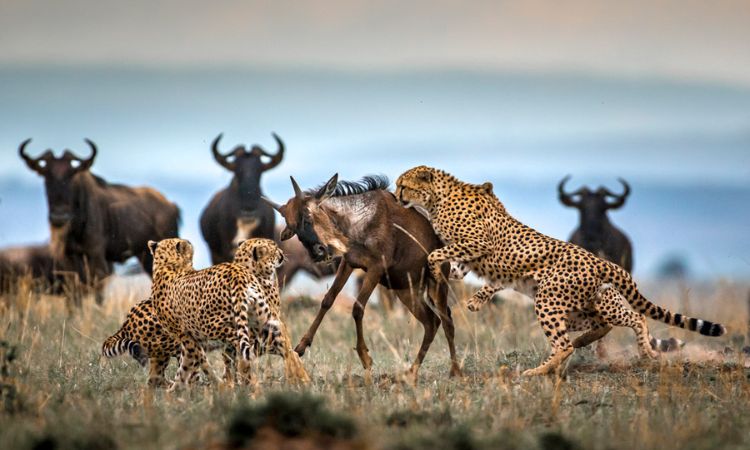
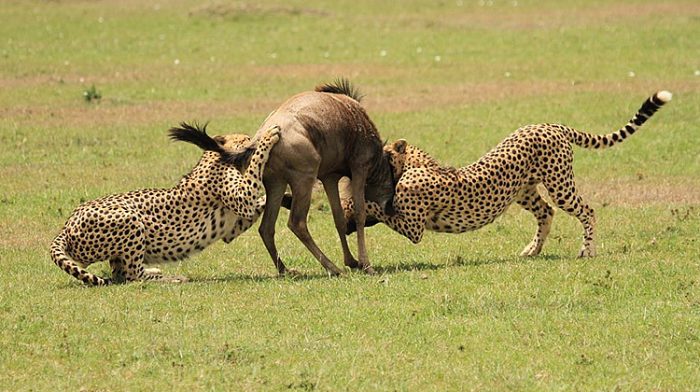
Adding to the Big Five, the cheetah, the fastest land animal, can be seen in pursuit of its prey across the open savannah, an exhilarating sight for wildlife enthusiasts. The tall and graceful giraffes, with their long necks reaching into the acacia branches, offer a serene spectacle against the backdrop of the Mara landscape.
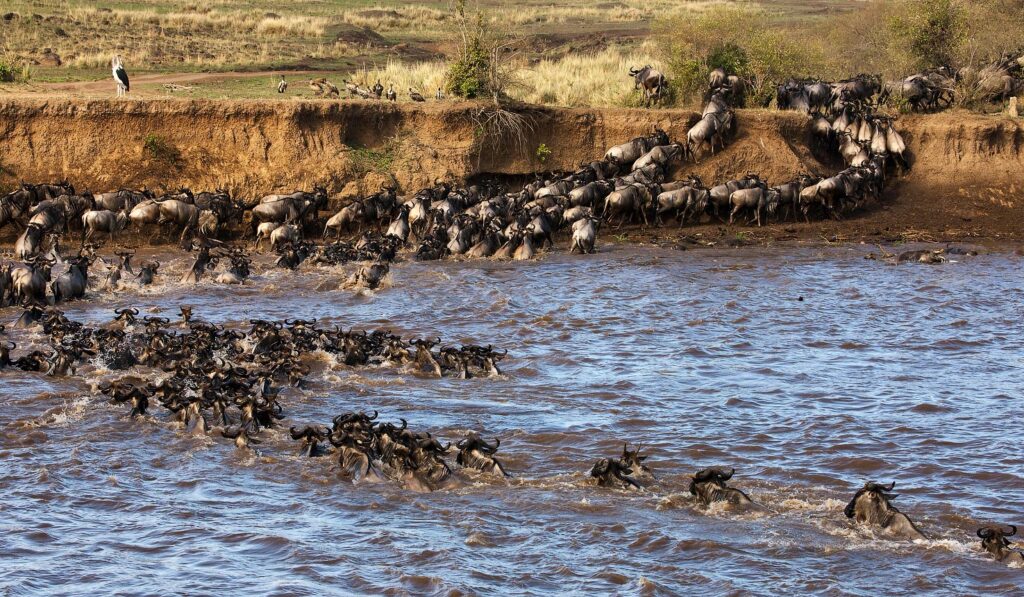
The Great Migration, an annual event where over a million wildebeest, zebras, and antelopes traverse the Mara River in search of greener pastures, stands as one of the most awe-inspiring natural wonders of the world. This event not only underscores the rich biodiversity of the Masai Mara but also highlights the critical role of the ecosystem in maintaining the balance of life.
The reserve’s intricate ecosystem, consisting of vast grasslands, rolling hills, and riverine forests, supports a diverse range of species, contributing to its status as one of the most revered wildlife sanctuaries globally. The Masai Mara’s commitment to conservation and sustainable management ensures that this incredible biodiversity is preserved for future generations to marvel at and learn from.
As the narrative transitions from the iconic wildlife to the unforgettable safari experiences, it is clear that the Masai Mara offers not just a glimpse into the raw beauty of nature but invites guests into the heart of the wilderness, promising encounters that resonate with the primal essence of the wild.
Unforgettable Safari Experiences
Following the exploration of the iconic wildlife in the Masai Mara National Park, including the profound experience of witnessing the Great Migration and the vital role this ecosystem plays in biodiversity, it’s pivotal to embark on the core of the Masai Mara experience: the safari adventures. These adventures offer diverse and immersive ways to experience the park’s natural beauty and its inhabitants, all while emphasizing sustainability and eco-responsibility.
The Masai Mara provides an array of safari options tailored to meet the desires of every visitor. Game drives, the most popular choice, are conducted in customized vehicles designed to navigate the terrain of the Mara, ensuring an up-close view of the diverse wildlife, including the Big Five. For those eager to dive deeper into the bush, walking safaris led by expert Maasai guides offer a unique perspective at ground level, enabling visitors to understand the smaller but equally important aspects of the ecosystem, from tracking animal prints to identifying native plants and their uses.
An unforgettable way to witness the sprawling savannahs and the teeming wildlife is by taking a hot air balloon safari. This once-in-a-lifetime experience provides a bird’s eye view of the park, offering a serene yet exhilarating perspective of the Great Migration and the myriad of animals that call the Masai Mara home. Floating above the plains at dawn, with the backdrop of a breathtaking African sunrise, adds a magical quality to the adventure, making it a highly coveted option for many visitors.
Timing is crucial for optimal wildlife viewing. The dry season, from July to October, aligns with the Great Migration, making it the most recommended time to visit. However, the Masai Mara is a year-round destination, with each season offering a different spectacle and wildlife experience.
Ensuring the sustainability of tourism and conservation efforts, the Masai Mara has embraced several eco-friendly initiatives. Many camps and lodges are actively engaged in reducing their impact on the environment through the use of solar power, water recycling systems, and supporting local conservation projects. Furthermore, a significant portion of the park fees goes directly towards supporting these conservation and community initiatives, ensuring that visitors contribute to the preservation of the Mara’s natural heritage.
These safari experiences provide more than just wildlife viewing; they offer an intimate connection with the African landscape and its cycles, creating lasting memories and a deep appreciation for the natural world. By choosing eco-friendly safari adventures, visitors play a role in safeguarding this irreplaceable ecosystem for future generations.
Cultural Encounters with the Maasai People
Following the unforgettable safari experiences of game drives, walking safaris, and the serene glide of hot air balloon rides over the Masai Mara National Park, an enriching encounter awaits—one that delves much deeper than the flora and fauna. The cultural heritage of the Maasai people, integral to the Masai Mara narrative, offers an immersive exploration into the heart of Kenya’s iconic reserve.
The Maasai, semi-nomadic people known for their distinctive customs and dress, have maintained a symbiotic relationship with this land for centuries. Their history is etched into the savannah; their traditions, a testament to the resilience of this ancient community. Visitors have the unique opportunity to experience the Maasai way of life through cultural tours, which are more than just an educational excursion; they are a bridge connecting two distinct worlds.
One cannot talk about cultural experiences in the Masai Mara without mentioning the vibrant Maasai dances. Performed with fervor, each movement and chant holds significant meaning, telling stories of courage, community, and the Maasai’s deep reverence for nature. Watching or even participating in these dances is not merely an activity; it is a gesture of respect and understanding towards a culture that has thrived in harmony with nature for generations.
Maasai crafts, another cornerstone of their rich culture, allow visitors to take a piece of the Maasai spirit back home. From intricate beadwork to skillfully crafted artifacts, each piece embodies the Maasai’s artistic expression and connection to their land. Engaging in craft-making sessions or visiting local Maasai markets not only supports the local economy but fosters a sense of community and shared humanity.
Furthermore, community visits enable guests to see beyond the Maasai’s colorful exterior. They provide insight into the Maasai way of life, from their bomas (homesteads) to their ingenious livestock rearing practices. These interactions emphasize a lifestyle intricately linked to the environment, showcasing sustainable living practices that have allowed the Maasai and their lands to flourish.
Such cultural encounters are paramount in enriching one’s safari experience. They instill a deeper appreciation for the Masai Mara, not only as a haven for wildlife but as a landscape imbued with cultural significance. Beyond the excitement of spotting the Big Five, it is this cultural journey alongside the Maasai people that leaves a lasting imprint on the hearts and minds of visitors, reminding us of the indelible link between humanity and the natural world.
Transitioning from the vibrant experiences rooted in Maasai culture, the next chapter shifts focus to the physical canvas of these cultural and natural marvels—the Geography and Climate of Masai Mara. Understanding this landscape is crucial in appreciating how its unique features support the myriad habitats and the diverse fauna that call it home.
The Geography and Climate of Masai Mara
Transitioning from the vibrant cultural tapestry that the Maasai people weave around the Masai Mara National Park, we venture into the heart of its geographical marvels and climatic patterns that create a sanctuary for an incredible diversity of wildlife. The Masai Mara is not just a backdrop for the dramatic crossings of the Mara River but is a complex ecosystem supported by its distinctive geography and climate.
The geography of the Masai Mara is a mosaic of rolling grasslands, meandering rivers, and verdant acacia woodlands, each supporting its own ecosystem. The Mara River, a lifeline of the reserve, snakes through this landscape, providing essential water sources for the fauna, especially during the dry seasons. It is along its banks that the quintessential scenes of perilous crocodile-infested crossings by wildebeest and zebra take place, scenes that define the Mara’s global image.
Surrounding the riverbanks, the open savannahs offer expansive views where the silhouettes of elephants and giraffes become iconic against the setting sun. These grasslands, enriched by the volcanic soils of the region, offer rich grazing for herbivores, which in turn sustains a healthy population of predators. Beyond the open spaces, the acacia woodlands offer shelter and food for a myriad of species, from majestic lions to elusive leopards, creating a delicate balance between open land and forested areas.
The climate of the Masai Mara plays a pivotal role in shaping this ecosystem. Characterized by a mild climate with two rainy seasons – the short rains from November to December and the long rains from March to May – the rainfall patterns dictate the movement of wildlife within the reserve and beyond. The rains rejuvenate the landscape, resulting in lush grasslands that attract herbivores and their predators. Conversely, the dry seasons between these rainy periods concentrate animals around water sources, creating spectacular sightings for visitors.
This distinctive climate not only dictates the annual Great Migration, where over a million wildebeest, zebra, and gazelles traverse the Serengeti-Mara ecosystem in search of fresh pasture, but it also affects the spatial distribution of animals throughout the year. Predators like lions, cheetahs, and hyenas follow these herds, ensuring that the Mara is a year-round wildlife haven.
The diverse geography and climatic conditions of the Masai Mara create a complex ecosystem that supports an astonishing variety of habitats. This, in turn, contributes to its status as one of the most renowned wildlife reserves in the world, offering unmatched safari experiences. Through understanding this delicate interplay of geography and climate, visitors can appreciate the natural rhythms that dictate life in the Mara, seamlessly connecting the cultural insights gained from the Maasai with the wild heart of Kenya. As we move to planning your Masai Mara Safari Tour, keeping the reserve’s geographical and climatic uniqueness in mind will be key to optimizing your adventure, ensuring an experience that’s both respectful of wildlife and deeply enriching.
Planning Your Masai Mara Safari Tour
After delving into the geographical features and diverse ecosystems of the Masai Mara National Park, it’s time to channel your newfound knowledge into planning the ultimate safari tour. This adventure is not only about witnessing the breathtaking wildlife but also about making informed decisions to ensure a smooth, enriching experience. Selecting accommodations, choosing reputable tour operators, and understanding the full scope of costs are critical steps in your journey.
**Accommodations** in the Masai Mara range from luxurious lodges to intimate tented camps. Your choice should align with your comfort preferences, budget, and the type of experience you desire. Lodges offer the comfort of a hotel in the wilderness, while tented camps provide a closer connection to nature. It is advisable to book well in advance, especially if you plan to travel during the Great Migration, a spectacle which usually occurs between July and October.
When selecting a **tour operator**, it is crucial to research and choose companies with strong ethical standards, experienced guides, and a commitment to conservation. Reputable operators not only enhance your safari experience but also contribute positively to the local communities and wildlife preservation. Ask about group sizes, as smaller groups tend to have a more intimate experience, allowing for personal interaction with the guide.
**Understanding costs** is key to a stress-free safari. Safari packages can vary widely in price, depending on the length of stay, type of accommodation, and included activities. Remember, some costs may not be included in the package, such as park entrance fees, tips, and some meals. Ensuring you have a clear understanding of what is included will help in budgeting for the trip.
The choice between staying in **private conservancies** and the **national reserve** can significantly affect your safari experience. Private conservancies offer more exclusive experiences, with activities not permitted in the national reserve such as night drives and walking safaris. They also limit the number of guests, which can provide a more personal and less crowded experience. However, conservancies might come with a higher price tag than the national reserve. The Masai Mara National Reserve, on the other hand, is known for its significant animal populations and the annual wildebeest migration.
**Health and safety** considerations are paramount. Consult with a travel health professional well in advance of your trip to discuss vaccinations and health precautions. Malaria prophylaxis is recommended for travel to Kenya. Additionally, purchasing comprehensive travel insurance that covers medical evacuation is highly advised.
Finally, respect for wildlife and local cultures is paramount. Always maintain a safe distance from animals and adhere to park rules. Be culturally sensitive and seek permission before taking photographs of local Maasai communities. Your safari is an opportunity to immerse yourself in the wonders of the Masai Mara while contributing to the preservation of this extraordinary ecosystem.
By thoughtfully planning your safari, you can maximize your adventure in the Masai Mara, ensuring it is as enriching and memorable as the vibrant ecosystems and majestic wildlife you are set to explore.
Conclusions
The Masai Mara is a unique confluence of spectacular wildlife, indigenous culture, and breathtaking landscapes. Its rich biodiversity and iconic migrations offer travelers an unmatched safari experience. By embracing eco-friendly practices and cultural respect, tourists can enjoy and help preserve this natural wonder for future generations. Planning thoughtfully ensures an enriching journey, blending adventure with memorable insights into Kenyan wildlife and culture.