Tsavo National Park boasts impressive volcanic landscapes, offering a unique blend of natural beauty and geological intrigue. From the vast Chyulu Hills to the lava fields shaping the terrain, visitors embark on a safari adventure unveiling the Earth’s dynamic forces. This article delves into the geological wonders found within Tsavo, a haven for nature enthusiasts and geology afficionados.
Chyulu Hills: The Rolling Volcanic Marvels
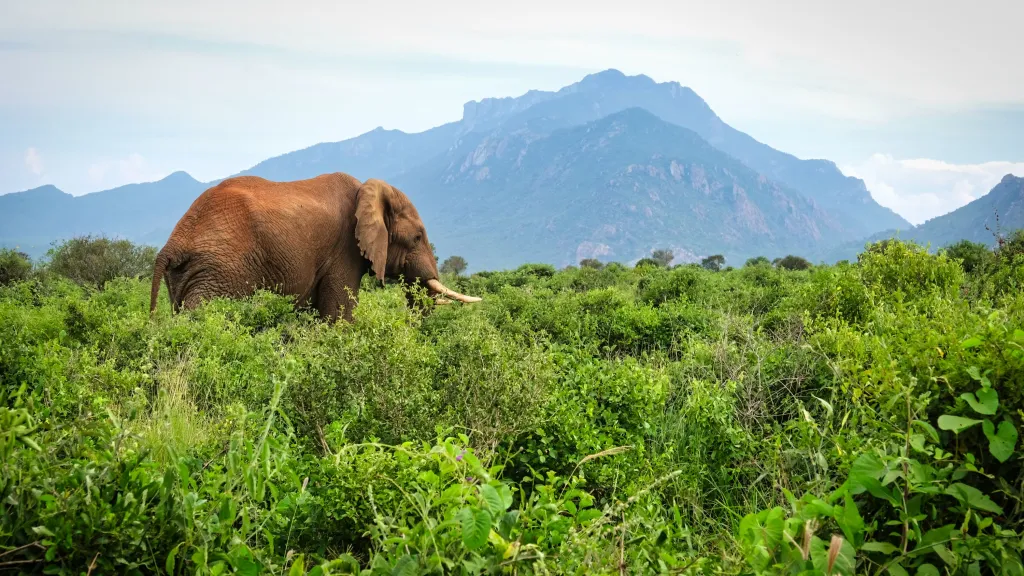
The Chyulu Hills, nestled in the southeastern quadrant of Kenya, unfurl over an expansive 100 km, presenting a breathtaking volcanic panorama. This region, a part of the greater Tsavo National Park landscape, is celebrated for its picturesque series of volcanic cones, craters, and undulating green hills. Among its geological treasures are the world-renowned lava tubes, with the Leviathan Cave standing out as a prime example – it’s touted as one of the longest of its kind globally. The formation of the Chyulu Hills is a narrative of volcanic activities spanning millions of years, a testament to the Earth’s relentless dynamism. The volcanic episodes responsible for their formation have sculpted Tsavo’s topography, leaving behind a series of dramatic landscapes that enrich the biodiversity of the region. These hills are not just inert remnants of volcanic fury but pulsate with life, influencing the distribution and types of vegetation that flourish on their slopes and valleys. The interplay between the volcanic soil – fertile and rich in minerals – and the local climate fosters a unique ecosystem where both flora and fauna have adapted to thrive. The Chyulu Hills, with their lush montane forests, savannah landscapes, and intricate cave systems, exemplify the symbiotic relationship between Tsavo’s geological features and its biological diversity. This confluence of natural elements makes the hills a vital area for conservation efforts and an enchanting destination for eco-tourism.
The Influence of Volcanism on Tsavo’s Ecosystem
Building on the geological diversity highlighted by the Chyulu Hills, the influence of volcanism extends profoundly into the very fabric of Tsavo National Park‘s ecosystem. The volcanic materials, including ash and lava, from past eruptions have over time weathered down to form fertile soils. These rich volcanic soils have proven to be extraordinarily beneficial for the park’s diverse flora, enabling a mosaic of habitats, from grasslands to woodlands and wetlands, each hosting its unique array of fauna.
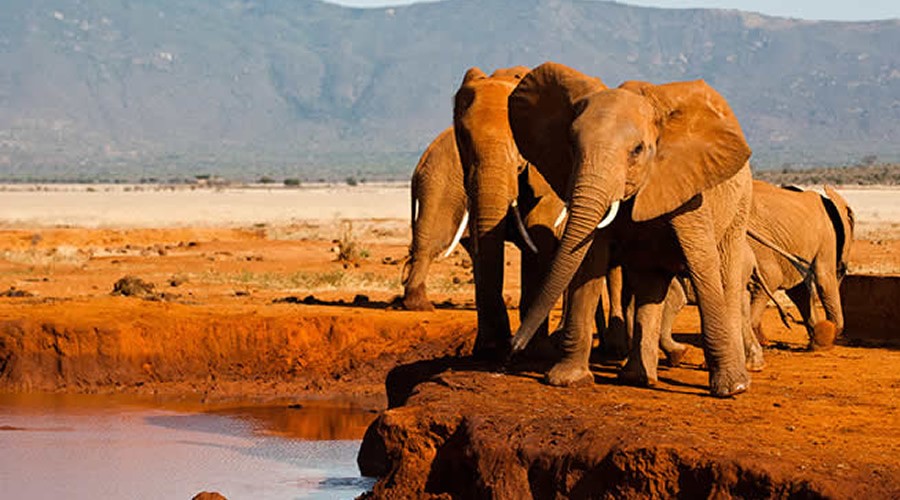
This fecund ground has birthed lush landscapes that serve as the foundation for Tsavo’s complex ecosystems. Remarkably, Tsavo’s elephants, known for their impressive size, owe much of their physical stature to the minerals found in the volcanic soil, which supports a rich variety of forage plants. Similarly, the critically endangered rhinos benefit from the vegetation diversity supported by these soils, providing them with essential food and shelter.
The bird species in Tsavo also illustrate the impact of volcanism on biodiversity. The park is home to over 500 bird species, with some, like the near-threatened Taita Falcon, having adapted to the rugged volcanic landscapes as their nesting grounds. These adaptations underscore a special symbiotic relationship: while the avifauna contributes to the propagation of many plant species through seed dispersal, the volcanic terrain offers them unique nesting sites that protect them from predators.
Specific plant adaptations to volcanic soil in Tsavo have enabled some species to thrive in what might otherwise be inhospitable environments. Certain acacia species, for example, have developed mechanisms to extract nutrients from the mineral-rich volcanic ground, contributing to the iconic savannah landscapes that support large herds of herbivores.
Furthermore, the intersection of volcanic activity, conservation efforts, and tourism presents a dynamic interplay. The preservation of these volcanic landscapes has become a priority to maintain Tsavo’s biodiversity. Conservation efforts, supported by tourism revenue, help safeguard these habitats from threats such as deforestation and illegal poaching. Moreover, the unique geological formations attract geotourists and nature lovers from across the globe, providing a sustainable income source for local communities.
The symbiotic relationship between Tsavo’s volcanic terrains and its biodiversity highlights the integral role of geology in shaping ecosystems. The park’s conservation management, mindful of this relationship, aims to protect its geological wonders and, by extension, its diverse flora and fauna, underscoring the importance of geological biodiversity as a cornerstone of ecological conservation.
Conclusions
Tsavo’s volcanic landscapes offer insights into Earth’s powerful geological processes, shaping stunning sceneries and vibrant ecosystems. The Chyulu Hills and their lava fields stand as testaments to volcanism’s role in nature’s artistry. Understanding these wonders allows us to appreciate our planet’s dynamic nature, encouraging sustainable exploration and conservation efforts for future generations to continue discovering Tsavo’s marvels.