Tsavo National Park, one of the largest wildlife reserves in Kenya, showcases a stunning array of habitats and wildlife. Understanding its seasonal changes can greatly enhance your visit. From witnessing dramatic wildlife migrations to enjoying lush landscapes, each season offers a unique perspective on Tsavo’s natural marvels.
Understanding Tsavo’s Climatic and Geographic Diversity
Understanding Tsavo’s Climatic and Geographic Diversity: Explore the geographical landscape and climatic variations of Tsavo East and West National Parks. The semi-arid terrain of Tsavo is characterized by savannas, rivers, and notable features like the Yatta Plateau and the Mzima Springs. Delve into how these geographic features contribute to the park’s seasonal biodiversity and influence wildlife behavior.
The Dry Season: Wildlife Spectacles and Scenic Views
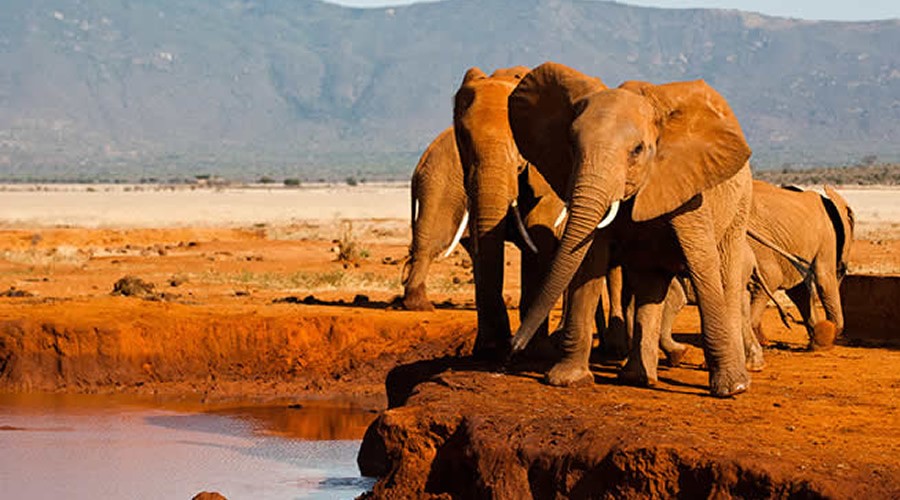
Uncover the appeal of Tsavo during the dry months when wildlife congregates around water holes, providing exceptional opportunities for game viewing. The Mudanda Rock in Tsavo East and the Mzima Springs in Tsavo West become central spots for observing elephants, zebras, and other iconic species. Learn about the benefits and drawbacks for tourists during this time.
The Green Season: Lush Landscapes and Avian Wonders
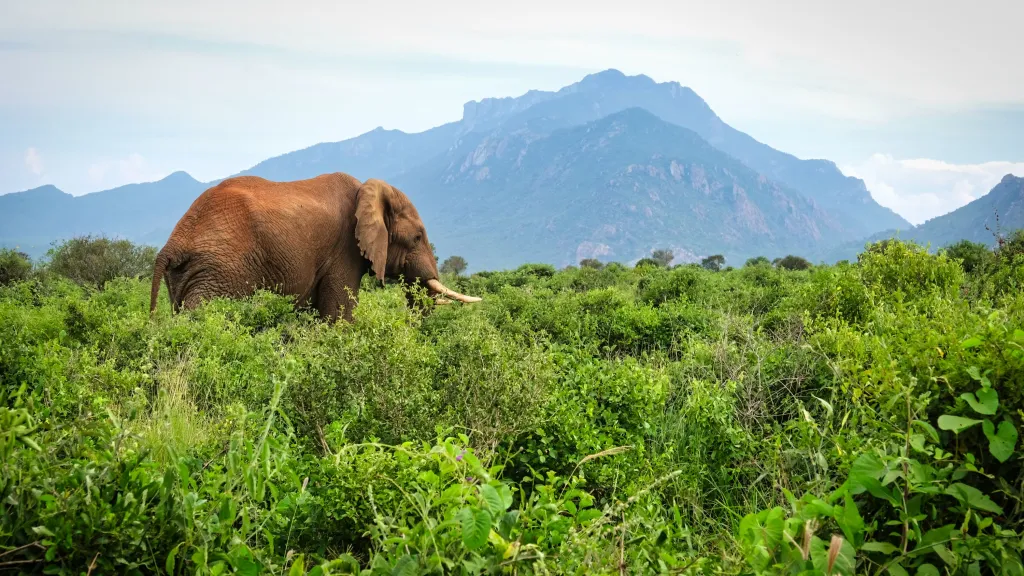
Following the dry season’s spectacle, the green season unfolds an entirely different facet of Tsavo National Park, transforming the landscape into a lush tapestry that revitalizes both flora and fauna. This period, marked by the rainy season, sees the arid land metamorphose into vibrant greenery, laying down a veritable feast for a diverse array of birdlife and rejuvenating the park’s watercourses.
Rainfall encourages the proliferation of plant life, which in turn, supports an increase in insect populations—a primary food source for birds. Consequently, Tsavo becomes a haven for ornithologists and bird watching enthusiasts, offering a unique spectacle of avian diversity. Species, both resident and migratory, are easily observed during this time, performing their nesting and breeding rituals amidst the flourishing vegetation. Sightings include a variety of raptors, waterfowl, and vibrant passerines, each adding a splash of color and melody to the enriched environment.
The green season’s impact extends beyond merely augmenting the bird population; it fosters a balanced ecosystem. Fresh foliage provides ample cover and sustenance for herbivores, which attract predators, thereby creating a dynamic food web vividly observable in the revitalized Tsavo ecosystem. This transformation not only underscores the park’s biological diversity but also enhances the visitor experience by offering a broader perspective on the interconnectedness of life within this complex ecosystem.
Birdwatching during the green season thus becomes a primary attraction, standing in contrast to the dry season’s focus on large mammals congregating around water sources. It invites visitors to explore the park’s flourishing landscapes, witness the tremendous variety of avian life, and understand their pivotal role in the ecosystem. From the vibrant songbirds taking advantage of the abundant food to the majestic raptors overhead, Tsavo offers an unparalleled ornithological expedition during the green season, making it a must-visit period for those keen on immersing themselves in nature’s symphony.
The subsequent chapter, exploring wildlife migration and breeding seasons, will delve into how these natural rhythms further influence the visibility and behavior of Tsavo’s diverse wildlife, illustrating the intrinsic link between seasonal changes and animal life cycles.
Wildlife Migration and Breeding Seasons
Understanding the migration patterns and breeding habits of wildlife within Tsavo National Park is crucial for visitors hoping to experience the park’s rich biodiversity. Tsavo is home to a diverse array of species, each adapting to the seasonal changes in unique ways that influence their visibility and behavior throughout the year.
Elephants, Tsavo’s iconic inhabitants, exhibit fascinating migration routines largely influenced by the quest for water and food, which are directly impacted by the park’s dry and wet seasons. During the dry season, elephants tend to migrate towards water sources, making this period optimal for visitors aiming to observe these majestic animals in larger groups. Furthermore, elephant breeding does not adhere to a strict seasonal schedule but tends to increase during the rainy season when food and water are abundant, offering a unique spectacle for wildlife enthusiasts.
Antelopes in Tsavo, including the lesser kudu and impala, have more distinct breeding seasons, often timed right after the rainy season when the availability of lush vegetation supports the raising of their young. This timing ensures that the fawns are born into an environment rich in food resources, increasing their survival rates. The post-rainy season, therefore, becomes a prime time for visitors to witness newborn antelopes taking their first steps in the verdant landscape of Tsavo.
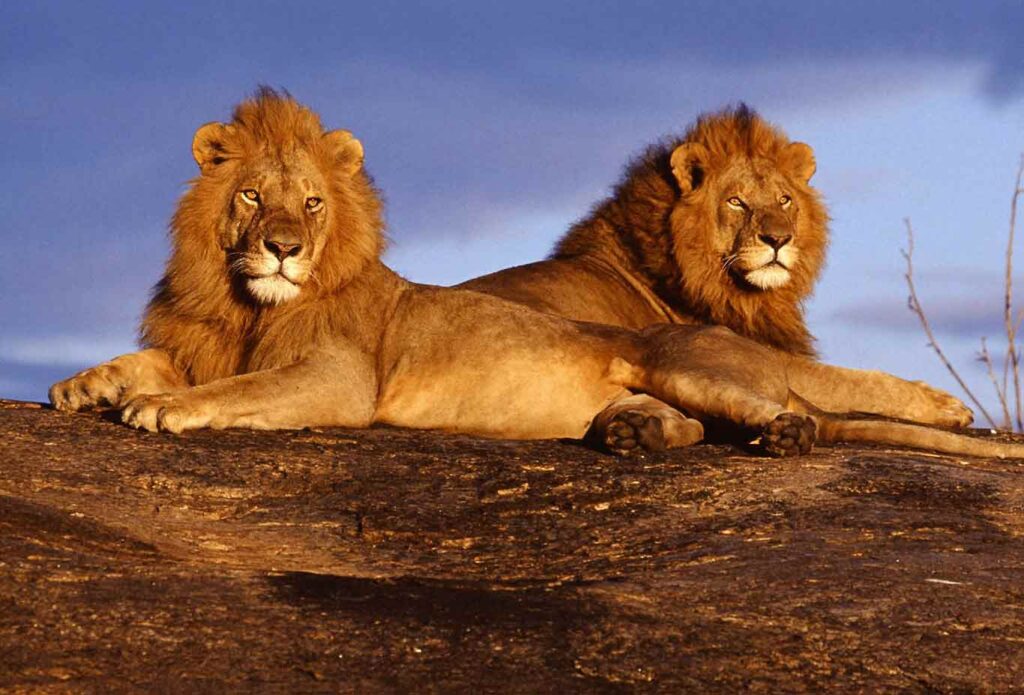
Predator activity, too, is influenced by the migration and breeding cycles of these herbivores. Lions, leopards, and cheetahs are more visible as they follow the migration routes of their prey. The increased visibility of predators during these periods offers a thrilling experience for those interested in the dynamics of predator-prey interactions in the wild.
Bird life in Tsavo also undergoes seasonal changes, with certain species migrating into the area during the rainy season. Following the previous chapter on Tsavo’s transformation into a birdwatcher’s paradise during the green season, it’s worth noting that the breeding activities of birds add another layer of vibrancy to the park’s ecosystem during this period.
In conclusion, aligning a visit to Tsavo with these natural cycles can greatly enhance the wildlife viewing experience. The dry season, spanning from June to October, is ideal for observing large mammals, especially elephants near water sources, while the period following the rainy season, typically from November to May, offers a chance to witness the birthing and breeding behaviors of antelopes, alongside an increase in predator activity. This interplay between the park’s seasonal changes and the life cycles of its inhabitants creates a dynamic environment that is continually evolving, offering unique experiences for visitors at different times of the year.
Planning Your Visit: Seasonal Tips and Travel Insights
Understanding the seasonal nuances of Tsavo National Park can be the defining factor in crafting a memorable safari experience. Tsavo, divided into Tsavo East and Tsavo West, offers varied landscapes from savannahs to the Taita Hills, and its accessibility and wildlife encounters change with the seasons. Planning your visit with a keen awareness of these seasonal shifts will not only ensure more comfortable travel but also enhance the likelihood of witnessing the park’s dynamic wildlife spectacles.
Dry Season (June to October): Marked by sparse vegetation and dry weather, this period promotes better visibility of animals congregating around water sources. It’s the prime time for wildlife viewing, with elephants, lions, and the diverse bird species being more easily spotted. Accommodations within the park, from luxury lodges to campsites, are ideally booked in advance due to the higher demand. Activities like bird watching and hikes to the Mzima Springs are particularly rewarding during this time.
Wet Season (November to May): The landscape transforms with the rains, blanketing the park with lush greenery. This season is perfect for photographers and nature enthusiasts who revel in the park’s rejuvenated flora and panoramic beauty. The wet season also invites a birthing period for many animals, offering a unique opportunity to observe newborn wildlife. However, accessibility to certain areas may be challenging due to muddy roads, and some accommodations might close temporarily.
Seasonal Itineraries:
1. June to October – Focus on game drives around waterholes and the Galana River, where wildlife congregates in the drier months. Incorporate a visit to the Lugard Falls and the Aruba Dam for breathtaking views and potential predator sightings.
2. November to May – Plan for bird watching and enjoying the lush landscapes with the backdrop of the Ngulia Hills. Take advantage of the lesser crowd volumes for a more secluded experience, possibly exploring the underwater hippo observatory at Mzima Springs without the rush.
Advanced Planning Tips:
– Always check the status of park roads if traveling during the wet season, and opt for a 4×4 vehicle for better navigation.
– Book accommodations well in advance, especially during the peak dry season, to secure your preferred stay.
– Engage with local guides to enrich your safari experience; their expertise can lead you to hidden gems throughout the park.
– Consider the park’s proximity to other attractions for a multi-destination trip. Tsavo’s location makes it feasible to combine your visit with a trip to Amboseli National Park or Masai Mara National Park, offering an expansive safari experience across Kenya’s diverse landscapes.
Planning your Tsavo visit with these seasonal insights in mind can significantly optimize your experience, allowing you to select activities and travel times that align with your interests, whether they lie in wildlife, photography, or navigating the vast landscapes of one of Kenya’s most revered national parks.
Conclusions
The seasonal changes of Tsavo offer dynamic and diverse experiences year-round. Whether you are drawn by lush landscapes or the promise of exhilarating wildlife encounters, understanding these natural cycles ensures a rich and rewarding visit. Tailor your travel plans by seasons to align with both environmental rhythms and personal interests for the best journey.