The Masai Mara, a renowned game reserve in Kenya, is not only home to diverse wildlife but also a hub for conservation efforts. Tourism plays a vital role in supporting these initiatives, providing essential funding and creating awareness. This article explores the dynamic relationship between tourism and wildlife conservation in the Masai Mara.
Overview of Masai Mara Ecosystem
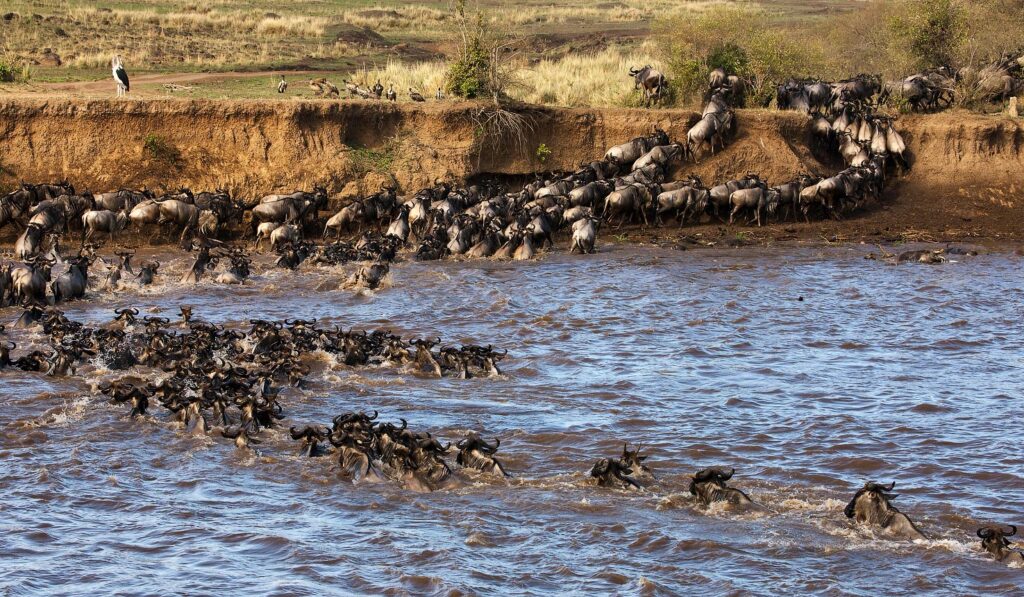
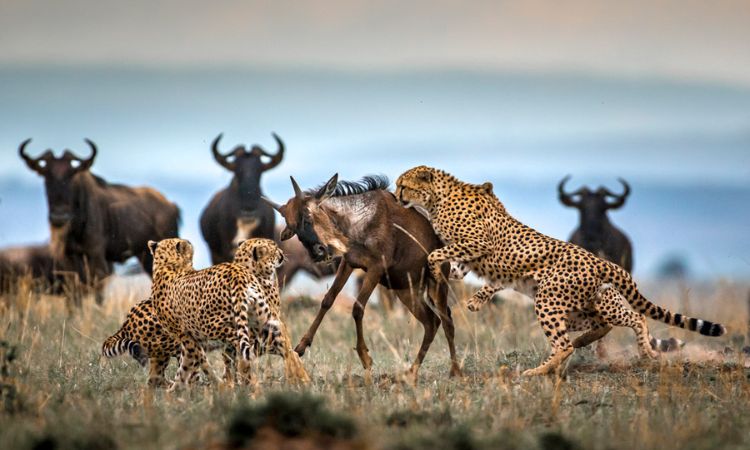
The Masai Mara is part of the larger Mara-Serengeti ecosystem, which encompasses various landscapes, including savannas, riverine forests, and grasslands. It hosts a rich diversity of wildlife, such as lions, elephants, and the famous wildebeest migration. The chapter introduces the ecosystem’s geography, climate, and biodiversity, highlighting its significance for global biodiversity conservation.
Explore the history of the Masai Mara, from its establishment as a wildlife sanctuary to its development as a national reserve. Discuss the cultural heritage of the Maasai people, who have lived in harmony with the land for generations. The chapter examines their role in conservation, including traditional practices that contribute to sustainable wildlife management.
Historical and Cultural Context
The Masai Mara, officially known as the Masai Mara National Park, stands as a beacon of wildlife conservation, set against the backdrop of East Africa’s serenading savannas. As part of the broader Mara-Serengeti ecosystem, this national reserve extends over a swath of over 1,500 km^2, providing a sanctuary for myriad species, including the iconic African lion, African elephant, and the spectacle of the wildebeest migration. The formation of the Masai Mara as a wildlife sanctuary and its evolution into a national reserve is a tale deeply interwoven with the cultural tapestry of the Maasai people.
Having coexisted with the vast wilderness of East Africa for centuries, the Maasai community’s way of life has been one of cohabitation rather than domination over the land and its inhabitants. Their traditional practices, such as pastoralism – the herding of cattle, goats, and sheep across the plains – have, in several ways, shaped the landscape and the ecological patterns of the region. The Maasai’s intricate knowledge of the environment and sustainable grazing techniques have contributed towards maintaining the delicate balance of the Mara ecosystem.
The zoning of the Masai Mara into wildlife conservancies is a modern-day testament to Maasai’s indigenous conservation practices. These conservancies operate on a model where landowners, often Maasai families, lease their land for wildlife conservation and eco-friendly tourism. This innovative approach not only preserves the wildlife habitat but also ensures that the benefits of tourism directly contribute to the well-being of the local Maasai community.
Moreover, the Maasai’s traditional ceremonies and beliefs, deeply rooted in a respect for nature, reinforce their role as natural guardians of the Mara. Rituals and cultural teachings passed down through generations emphasize the sacredness of all life forms, further embedding conservation ethics within the community’s core values.
The Maasai Mara’s conservation story is thus a poignant chapter in the larger narrative of humanity’s relationship with nature. It exemplifies how traditional knowledge and modern conservation efforts can intertwine to create a sustainable harmony between man and wildlife. As the previous chapter delved into the richness of the Mara-Serengeti ecosystem, it is clear that the Masai Mara’s significance stretches beyond its geographic and biological attributes, touching the hearts and souls of everyone who steps into this ancient land.
Looking ahead, the role of tourism emerges as a pivotal element in the ongoing conservation efforts. While the influx of tourists to the Masai Mara provides essential funding for wildlife protection and community development, it also brings about challenges that need to be addressed carefully to ensure the sustainability of this unique ecosystem. The following chapter will explore how eco-friendly and sustainable tourism practices can be harnessed as a positive force for the conservation of the Masai Mara, spotlighting initiatives that cater to both the preservation of wildlife and the prosperity of the local Maasai communities.
Tourism’s Role in Conservation
Tourism is a double-edged sword in the Masai Mara National Reserve. On one hand, it provides significant revenue that finances conservation projects and community development. On the other hand, it poses challenges such as habitat disturbance and resource depletion. This chapter analyzes how tourism can be harnessed as a positive force for conservation, focusing on eco-friendly and sustainable practices.
Community Involvement in Conservation
The success of conservation efforts in the Masai Mara heavily depends on community participation. This chapter explores initiatives where locals are engaged as stewards of the environment. Programs fostering education, alternative livelihoods, and shared benefits help to ensure that conservation efforts align with community welfare, reducing conflicts and promoting sustainability.
Challenges and Future Directions
Building on the strong foundation of community involvement, the conservation efforts in the Masai Mara now confront a set of evolving challenges. Tackling issues such as poaching, the impacts of climate change, and the complexities of managing natural resources necessitates a multifaceted approach. Integral to this strategy is the leveraging of advanced technologies; the implementation of drones and satellite monitoring can offer real-time insights into wildlife movements and illegal activities, fostering a rapid response mechanism.
Equally important is the push towards policy reform. Legislative changes at both local and national levels can offer more robust protection for wildlife, ensuring that penalties for poaching are stringent enough to act as a deterrent. Furthermore, these reforms can facilitate the creation of more sustainable land-use plans, balancing the needs of wildlife with those of local communities and agriculture.
The potential for international collaboration also represents a critical avenue for securing the future of the Masai Mara. Partnerships with global conservation organizations can bring much-needed financial resources, expertise, and global attention to the region. These alliances can support the expansion of protected areas and fund scientific research to better understand the impacts of climate change on the Mara’s ecosystems.
In bridging the gap between current challenges and future directions, it’s clear that a combination of technological innovation, policy reform, and international cooperation forms the cornerstone of a resilient conservation strategy. By building on the community engagement successes detailed in the preceding chapter, these efforts can ensure the Masai Mara remains a vibrant, biodiverse ecosystem for generations to come. This strategic blend of solutions not only addresses the immediate threats but also lays the groundwork for a sustainable coexistence between humans and wildlife, echoing the symbiotic relationship envisioned in earlier conservation initiatives.
Conclusions
Tourism can significantly bolster conservation in the Masai Mara by providing financial support and raising global awareness. While challenges remain, the integration of sustainable tourism practices and community involvement is essential. Continued efforts and adaptive strategies will be crucial in ensuring the protection of this vital ecosystem for future generations.