Embarking on a safari in Masai Mara during off-peak seasons offers a unique opportunity to explore Kenya’s renowned wildlife reserve with fewer crowds, serene landscapes, and more personalized experiences. This article delves into the benefits of visiting Masai Mara during these quieter times, and what travelers can expect in terms of wildlife, accommodation, and cultural interactions.
Why Choose Off-Peak Safari in Masai Mara
Choosing an off-peak safari in Masai Mara National Park provides a slew of benefits that can greatly enhance the safari experience. One of the primary benefits is reduced costs. Travel expenses, including accommodation and safari tour rates, are generally lower during the off-peak season, making it a cost-effective option for many travelers. Additionally, with fewer tourists, viewing areas are less crowded, allowing for unobstructed views of the majestic wildlife and landscapes of Masai Mara. This reduction in human presence not only offers a more intimate connection with nature but also increases the chances of witnessing natural animal behaviors without disturbance.
Off-peak seasons in Masai Mara are characterized by their unique wildlife behaviors and seasonal landscapes. Each season brings its own brand of magic to the savannah. After the peak-season rush, the off-peak seasons offer tranquility and the space to appreciate the beauty and sounds of the wilderness in a more personal and profound way. For wildlife enthusiasts, the differing seasons may provide opportunities to observe migratory bird species, newborn animals, and specific wildlife behaviors that are less observable during peak times.
Another significant advantage of an off-peak safari is the enriched biodiversity that comes with seasonal changes. The rainy season, for example, transforms the landscape into a vibrant palette of greens, attracting a variety of herbivores and, subsequently, their predators. This cycle of life provides a rare glimpse into the unedited story of survival in the wild, presenting a raw and authentic safari experience that is often glossed over during the tourist-heavy months.
In sum, an off-peak safari in Masai Mara offers a blend of advantages that contribute to a more enriching, tranquil, and intimate safari experience. Reduced costs, less crowded viewing areas, and the opportunity to witness unique wildlife behaviors and seasonal changes are just the beginning of what travelers can expect. These elements combine to create a safari adventure that is not only more affordable but also deeper in its connection with the natural world, offering perspectives that go beyond the usual safari experience.
Navigating Masai Mara: A Seasonal Perspective
Navigating Masai Mara: A Seasonal Perspective
The climatic conditions in Masai Mara are pivotal, significantly influencing both wildlife behavior and safari experiences. Predominantly, Masai Mara enjoys a temperate climate, making it a year-round destination for wildlife enthusiasts. However, the magic of Masai Mara unveils itself distinctly across different seasons, each presenting unique spectacles and experiences.
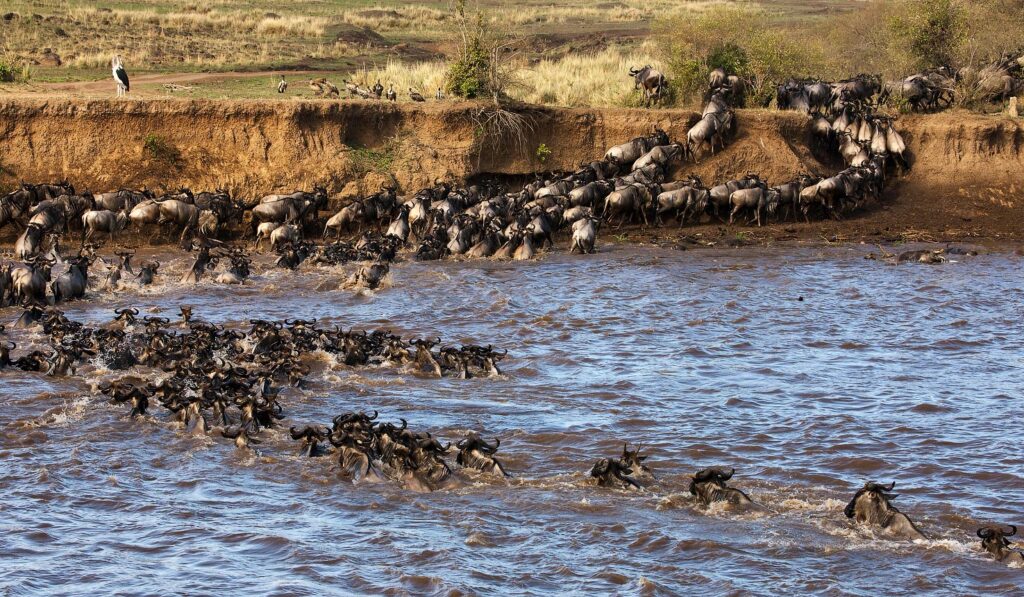
The most heralded event, the Great Migration, occurs from July to October when millions of wildebeest, along with zebras and gazelles, traverse the plains from the Serengeti in search of greener pastures. This period is considered peak season, attracting scores of visitors keen on witnessing this natural marvel. Yet, the beauty and allure of Masai Mara extend far beyond these bustling months.
During the off-peak seasons, spanning from November to June, with short rains in November and December and long rains from March to May, the park transforms. It’s during these times that Masai Mara reveals its serene side, allowing for a more intimate exploration of its landscapes and habitats. With the rains rejuvenating the Mara River and the grasslands, a different kind of spectacle awaits. Predators and prey engage in the timeless dance of survival against a backdrop of lush greenery and vibrant wildflowers, making for exceptional photographic opportunities.
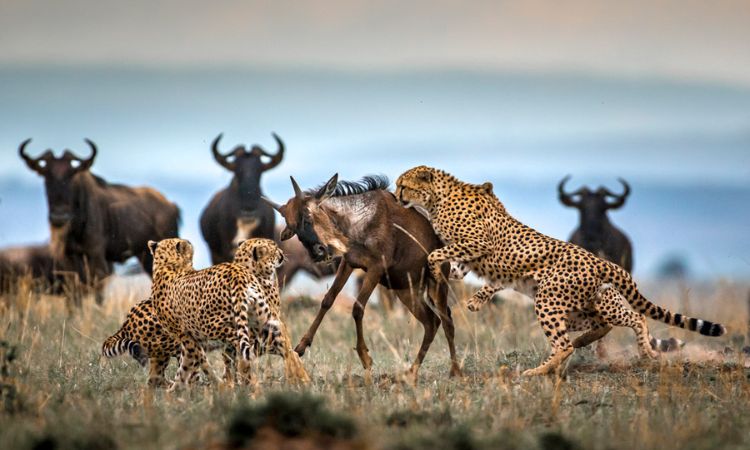
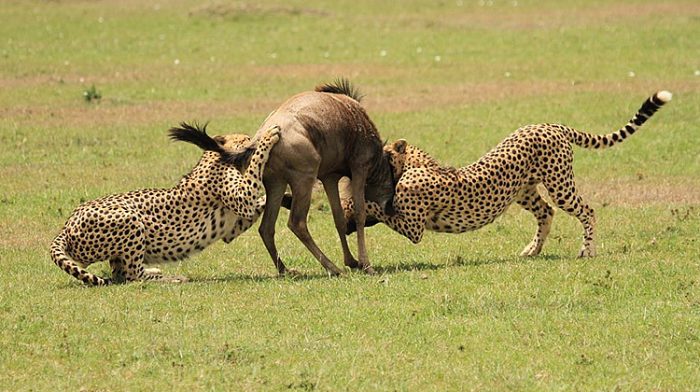
The cooler months outside the Great Migration period offer an alternative yet equally fascinating wildlife spectacle. Elephants, giraffes, lions, cheetahs, and a plethora of bird species are more prominently visible, as the sparse vegetation does not conceal their presence. Moreover, these seasons witness unique animal behaviors and interactions, often overshadowed during the peak migration months.
Off-peak seasons in Masai Mara afford visitors the luxury of tranquility away from the crowds. Game drives become more personal, sightings more frequent, and the connection with nature more profound. The quieter months allow for attentive and undisturbed observation of wildlife, including nocturnal species emboldened by the fewer human presences.
Navigating Masai Mara through these seasons presents travelers with the exceptional opportunity to witness the reserve’s dynamic ecosystem in flux. It’s a time when nature’s tapestry is woven with vibrant threads of life, offering a different perspective on the circle of life that defines this extraordinary landscape. Visitors looking for a more secluded and intimate safari experience will find the off-peak seasons of Masai Mara richly rewarding, full of surprises and moments of awe that resonate long after the journey ends.
Accommodation and Experience: Off-Peak Perks
Exploring off-peak safari advantages in Masai Mara National Park unveils untapped treasures waiting for those willing to venture beyond the conventional timing. Diving into the realm of off-peak safari seasons, one discovers the dual benefits of significantly reduced accommodation rates and the ready availability of premium lodgings. This era, characterized by fewer tourists, paves the way for a suite of personalized services and experiences that elevate the safari adventure to new heights.
The period offers an opportune moment to experience the unparalleled luxury of prime lodges and tented camps, which, during peak seasons, might be out of reach for many due to high demand and exorbitant prices. The reduced number of guests allows for a higher caliber of service, where each visitor’s need and preference is attentively catered to, ensuring a bespoke and unrivaled safari journey.
Private game drives become the norm rather than the exception, affording guests the luxury of exploring the majestic Masai Mara landscape in the intimacy of their select company. These personalized excursions offer the freedom to linger at sightings, an unimaginable luxury during the crowded peak seasons. Moreover, the guides have more latitude to tailor the experience according to interests, whether that means pursuing the perfect wildlife shot or soaking in the diverse ecosystems at a leisurely pace.
Accentuating the safari experience during these quieter times are unique cultural encounters that delve deeper into the heart of the Masai culture. With the sparse number of visitors, interactions with local communities become more intimate, fostering a genuine connection and understanding of the Maasai way of life. This closeness invites a rare and authentic insight into traditional ceremonies, living practices, and the symbiotic relationship between the Maasai people and the surrounding wilderness.
Embracing the off-peak seasons in Masai Mara National Park not only yields the reward of cost savings and opulent accommodations but also paves the way for a richer, more personalized safari adventure. This time allows for profound engagements with both the wildlife and the local culture, firmly establishing off-peak safaris as a hidden gem within the African safari circuit.
Cultural Insights and Interactions
In the off-peak seasons of the Masai Mara National Park, tourists have a unique opportunity to experience the raw and unfiltered beauty of the Maasai culture, which remains significantly vibrant against the backdrop of Kenya’s mesmerizing landscapes. Unlike during peak seasons, when the Mara is bustling with tourists, the quieter periods offer a chance for visitors to delve deeper into the local culture, fostering authentic interactions and understanding.
The Maasai people, known for their distinctive customs, dressing, and coexistence with wildlife, play a crucial role in the region’s allure. During off-peak visits, tourists might find themselves the guests of Maasai villages where smaller groups can lead to more meaningful exchanges. Opportunities arise to engage in traditional Maasai activities, such as beadwork sessions, traditional dances, and storytelling moments, allowing for a genuine glimpse into their way of life. It’s these less hurried, more personal encounters that deepen a visitor’s appreciation for the Maasai’s harmonious relationship with nature.
Furthermore, the off-peak season facilitates immersive experiences like participating in or observing the Maasai’s cattle herding practices — a fundamental aspect of their culture. Visitors are also likely to learn about the medicinal plants used by the community, guided by a local Maasai who can provide in-depth knowledge on how these natural resources are integral to their lifestyle.
Respect for the Maasai culture and traditions is paramount. Tourists are encouraged to engage with local communities thoughtfully, understanding the significance of their practices and the importance of preservation. Photography, while a popular method to capture the moment, should always be conducted with permission, to respect the privacy and dignity of the Maasai people.
In such interactions, not only do tourists come away with a profound respect for the Maasai culture, but they also contribute to the local economy. Engagements such as purchasing handicrafts directly from artisan groups or paying for cultural tours ensure that communities benefit directly from tourism. This symbiosis between preserving cultural heritage and fostering sustainable tourism is what makes off-peak visits to the Masai Mara so enriching for both visitors and hosts alike.
Sustainable Tourism in the Mara Ecosystem
Following an enriching cultural exchange with the Maasai people, the journey towards understanding sustainable tourism within the Masai Mara National Park during off-peak seasons delves into how these practices significantly benefit both the environment and local communities. Opting to visit during less busy periods not only enriches the visitor’s experience but also plays a vital role in the conservation of the Mara ecosystem. With fewer tourists, the strain on natural resources is substantially reduced. This reduction in foot traffic helps in the preservation of natural habitats and minimizes wildlife disturbances, allowing for a recuperative period for the ecosystem.
Furthermore, sustainable tourism practices during these times offer a lifeline to the local communities. Reduced visitor numbers mean that tourism revenue is not as concentrated during peak times, which can lead to more stable income streams for the locals throughout the year. Engaging in activities that support local businesses and conservation efforts directly contributes to the well-being of the community and the preservation of their natural heritage.
Moreover, the emphasis on sustainable tourism allows for the implementation of eco-friendly practices such as waste reduction, the use of renewable energy, and water conservation measures. These practices are crucial in ensuring the longevity and health of the Mara’s unique ecosystem. By choosing lodgings and tours that prioritize sustainability, tourists can greatly diminish their environmental footprint.
The role of local communities in maintaining and protecting the Mara ecosystem cannot be overstated. Their invaluable knowledge and traditional conservation practices are essential in the ongoing efforts to safeguard the park’s biodiversity. Sustainable tourism offers an avenue for these communities to showcase their culture and traditions, while also benefiting economically through employment opportunities and community projects funded by eco-conscious tourism ventures.
In essence, by opting for sustainable tourism practices during off-peak seasons, visitors not only gain a more authentic and personal experience but also contribute to the vital conservation efforts needed to preserve the majestic Masai Mara for future generations. This approach ensures that the benefits of tourism are spread more evenly throughout the year, providing a more sustainable model of tourism that respects the natural world and its inhabitants.
Conclusions
Opting for an off-peak safari in Masai Mara presents not just fewer crowds but a richer, more personal interaction with both wildlife and the Maasai culture. Visitors benefit from unique wildlife experiences, improved accommodation opportunities, and a sustainable approach that supports conservation. This serene and intimate exploration offers unforgettable memories while contributing positively to the Mara’s preservation.