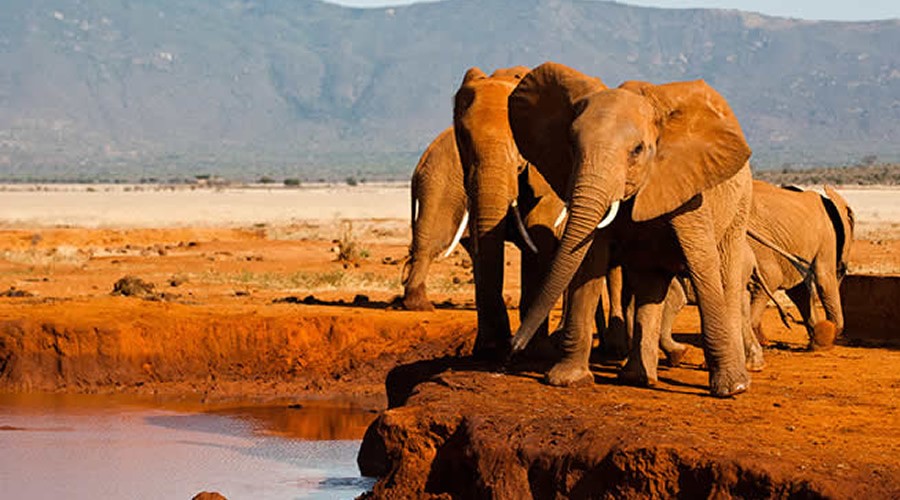
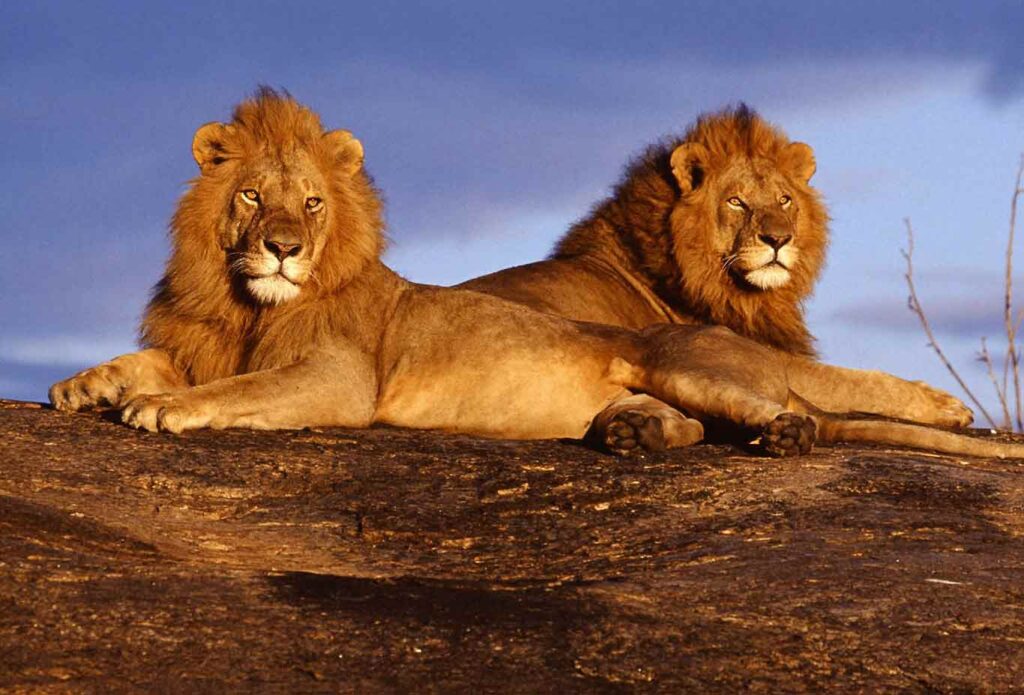
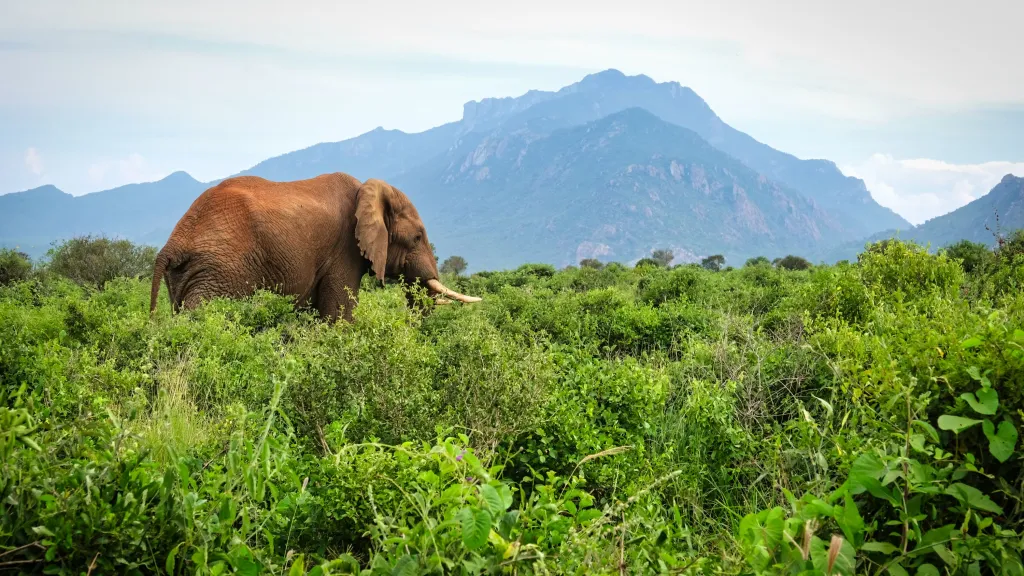
Kenya is renowned for its breathtaking landscapes and incredible wildlife experiences. In this article, we delve into three iconic safari destinations: Tsavo National Park, Maasai Mara, and Amboseli National Park. Each offers unique wildlife, stunning scenery, and rich history, drawing adventurers from around the globe.
Discovering Tsavo’s Vast Wilderness
Discovering Tsavo‘s Vast Wilderness: Explore the expansive Tsavo National Park, covering over 22,000 square kilometers, including Tsavo East and Tsavo West. Highlight the park’s notable features such as the Yatta Plateau and Lugard Falls, and delve into its rich history, including the famous ‘Man-Eaters of Tsavo’ that terrorized railway construction workers in the late 19th century. Discuss the diverse wildlife, including elephants, lions, and rhinos, and the park’s role in Kenya’s conservation efforts.
The Wonders of Maasai Mara
Following the exploration of the expansive Tsavo National Park, with its vast landscapes and historical tales, we transition to the marvels of the Maasai Mara. Celebrated for its pivotal role in the Great Migration, this reserve serves as the scene for one of the most spectacular natural events on the planet. Here, millions of wildebeests alongside zebras undertake their perilous journey across treacherous rivers and vast plains, in pursuit of greener pastures. This cyclical event, brimming with drama and predation, each year draws visitors worldwide, eager to witness nature’s raw marvel.
The Maasai Mara’s ecosystems are a marvel of biodiversity. Spanning over 1,500 km², the reserve’s terrain ranges from rolling grasslands and meandering rivers to dense woodlands and towering escarpments. This varied landscape provides refuge to an impressive population of wildlife, including the revered Big Five. However, it is perhaps best known for its abundant population of big cats. The Mara is one of the few places in Africa where visitors stand a good chance of spotting lions, cheetahs, and leopards in the wild, often engaging in their natural hunting behaviors.
Central to the reserve’s identity is the Maasai people, whose history and culture are deeply intertwined with this land. For centuries, the Maasai have grazed their cattle alongside the wild animals of the Mara, in a symbiotic relationship that respects the rhythms of nature. Their semi-nomadic lifestyle, rich traditions, and vibrant attire make the Maasai culture an integral part of the Maasai Mara experience. Visitors have the opportunity to visit Maasai villages, where they can witness traditional dances, craftsmanship, and the way of life that has endured generations.
The Maasai Mara’s global recognition as one of the Seven Natural Wonders of Africa is not without reason. Its profound natural beauty, remarkable biodiversity, and the phenomenal Great Migration epitomize the untamed spirit of Africa. It is a sanctuary not only for the animals that roam its plains but also for the human spirit, evoking a deep connection to the earth and its cycles. This has made it a favored destination for wildlife photographers and conservationists, who find endless inspiration in its dynamic landscapes and the stories that unfold within them.
Transitioning from the majestic plains of the Maasai Mara, the narrative of Kenya’s premier safari destinations leads us to the iconic Amboseli National Park. Famous for its vast herds of elephants against the backdrop of the towering Mount Kilimanjaro, Amboseli offers a contrasting yet equally compelling natural spectacle. Here, diverse ecosystems and robust conservation efforts showcase the delicate balance of nature and the importance of preserving these wild realms for generations to come.
Amboseli’s Elephant Kingdom
Amboseli National Park, unlike its predecessor in this guide, the Maasai Mara, offers a distinct spectacle highlighted by the gentle giants of the wild. At the heart of the park stands the majestic Amboseli National Park, renowned for its vast herds of elephants ambling with Mt. Kilimanjaro’s snow-capped peak in the backdrop – a photographer’s or painter’s canvas brought to life. The park’s geography is notably diverse, encompassing wetlands with sulfur springs, savannahs, and dry lake beds, presenting a range of habitats that support a rich diversity of life.
This striking landscape is also a designated UNESCO biosphere reserve, emphasizing its global importance for conservation and the symbiotic relationship between its inhabitants and the environment. Among the most significant efforts aimed at sustaining this harmony is the Amboseli Elephant Research Project, one of the longest-running wildlife conservation projects in the world, which has profoundly impacted elephant conservation strategies globally.
The biodiversity in Amboseli extends beyond its famous elephant populations. The park is a sanctuary for over 400 species of birds, including waterfowls like pelicans and flamingos, raptors, and an array of plains birds. This avian diversity makes it a haven for birdwatchers. Alongside its feathered inhabitants, Amboseli is home to a rich tapestry of mammalian life, including the lion, cheetah, buffalo, and giraffe, to name a few, all thriving under the protective gaze of Kilimanjaro.
Conservation in Amboseli also underscores a delicate balancing act between wildlife preservation and the well-being of the local communities. Initiatives underpinning this equilibrium include community-based projects that engage the indigenous populations in conservation activities, ensuring that the benefits of park tourism trickle down to improve local livelihoods. These efforts are a testament to the achievable harmony between humans and nature, given the right conditions and intentions.
Bridging the gap to our next chapter, the intertwining of these majestic wildlife havens with their human neighbors presents a fascinating narrative of coexistence and cultural richness. As we look towards exploring the broader impacts of tourism and conservation on the local communities and vice versa, it’s evident that the sustainable future of parks like Amboseli hinges on the continued involvement and benefit-sharing with those whose ancestors have walked these lands for centuries.
Cultural Interactions and Ecotourism
Cultural Interactions and Ecotourism: Examine the cultural dynamics and tourism experiences available in Tsavo, Maasai Mara, and Amboseli National Park. Focus on community-based tourism initiatives, ecotourism practices, and cultural exchanges with local Maasai communities. Discuss how tourism impacts local economies and conservation projects, while also addressing the challenges that might arise from increasing tourist numbers.
Planning the Ultimate Safari Adventure
Building on the understanding of cultural interactions and the pivotal role of ecotourism in Kenya’s safari destinations, planning your ultimate safari adventure requires meticulous thought to ensure an enriching experience that respects wildlife and supports local communities. When considering a safari to Tsavo, Maasai Mara, and Amboseli National Park, several key factors come into play to ensure a trip that is both memorable and respectful.
**Best Times to Visit:** The ideal time to visit these parks revolves around wildlife activity and the climate. The dry seasons, typically from June to October and December to March, offer the best wildlife viewing opportunities, as animals congregate around water sources. However, the Maasai Mara is especially popular during the Great Migration, occurring from July to October, where vast herds of wildebeest and zebras traverse the plains in a spectacular display of nature.
**Safari Operators:** Opt for safari operators with a strong commitment to sustainable tourism practices. Recommended operators not only provide excellent guides and comprehensive safari experiences but also engage in initiatives that benefit local communities and conservation efforts. Make inquiries into their partnerships with local conservation projects and community tourism initiatives to ensure your journey contributes positively to the regions you visit.
**Lodging Options:** Accommodations in these parks range from luxury lodges to eco-friendly tented camps. Selecting a place to stay can significantly impact your safari experience. Luxury lodges offer comfort and exclusive amenities, while tented camps provide an immersive nature experience without sacrificing comfort. Eco-friendly accommodations that utilize sustainable practices and support local communities should be prioritized to align with the principles of ecotourism discussed previously.
**Safety Tips:** While safaris in Kenya are generally safe, taking certain precautions can enhance your safety. Always follow your guide’s advice, especially during game drives and when staying in tented camps where wildlife is free to roam. Ensure you have comprehensive travel insurance and take health precautions, such as vaccinations and anti-malarial medication if recommended.
**Making the Most of Your Safari Experience:** To fully appreciate the breadth of wildlife and cultural richness, engage with local guides who possess in-depth knowledge of the area and its habitats. Their insights will deepen your understanding of conservation challenges and the intricate balance between human and wildlife coexistence. Respect for wildlife is paramount; maintain a safe distance and refrain from actions that could stress the animals. Similarly, when engaging with local communities or visiting cultural sites, display respect and openness, embracing the opportunity to learn from these rich cultural exchanges.
By taking these considerations into account, your safari to Tsavo, Maasai Mara, and Amboseli can be a journey that not only brings personal fulfillment but also contributes positively to the conservation of these magnificent landscapes and the well-being of local communities. This approach ensures that your adventure aligns with the principles of respect for wildlife and cultural sensitivity discussed in the previous chapter, enhancing the sustainability of tourism in Kenya’s premier safari destinations.
Conclusions
Kenya’s safari destinations offer unparalleled wildlife experiences, cultural richness, and stunning landscapes. With Tsavo’s vastness, Maasai Mara’s incredible migrations, and Amboseli’s elephant vistas, these destinations provide diverse adventures for every nature enthusiast. Successful conservation efforts and community engagement are crucial to preserving these natural wonders for future generations, while tourism continues to support local economies and conservation initiatives.