When it comes to African safaris, Kenya stands out with two iconic destinations: Amboseli National Park and Maasai Mara Game Reserve. This article delves into the distinct experiences each park offers, aiding travelers in making an informed choice for their next adventure.
Amboseli National Park Overview
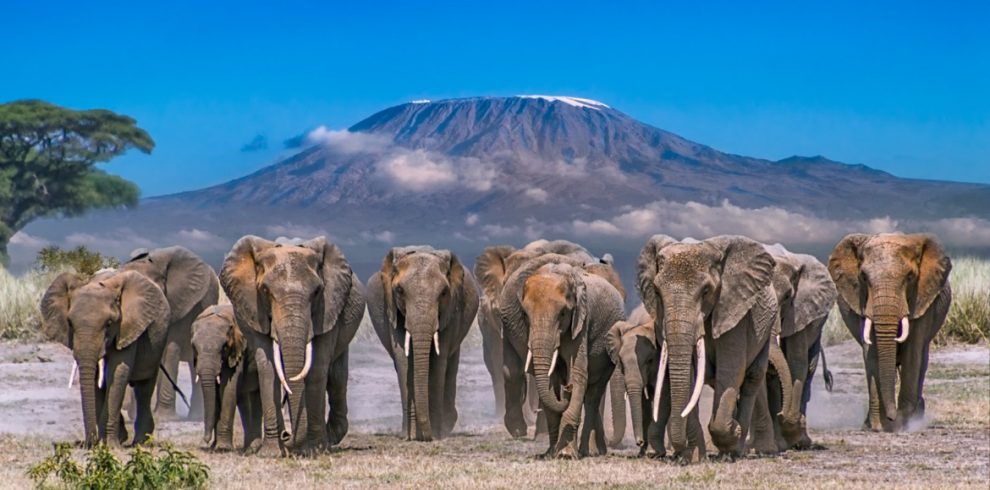
Amboseli National Park, located at the foot of Africa’s highest peak, Mount Kilimanjaro, offers a truly unique ecosystem that is a blend of semi-arid plains and wetlands. Established as a national park in 1974, Amboseli covers an area of approximately 392 square kilometers and is renowned for its role in elephant research and conservation. The park has been the focus of numerous studies, which have provided critical insights into elephant behavior and social structure. It supports a diverse array of wildlife, with its large elephant herds being the most famous inhabitants. These magnificent creatures are often seen against the backdrop of Mount Kilimanjaro’s snow-capped peaks, providing one of the most iconic images of Africa. Additionally, Amboseli is a birdwatcher’s paradise, hosting over 400 species of birds, including waterfowl and raptors. The park’s varied landscapes, from the dried-up bed of Lake Amboseli to the lush greenery of the swamps, create a mosaic of habitats that support this rich biodiversity.
Following Amboseli, the Maasai Mara Game Reserve Overview promises to delve deeper into another of Kenya’s wildlife jewels. This section anticipates drawing a contrast with Amboseli’s ecosystem by emphasizing the Mara’s extensive savannahs, its annual spectacle of the Great Migration, and its deep cultural connections with the Maasai people. Recognized globally for its efforts in conservation and as a haven for viewing the big five in their natural habitat, the Maasai Mara continues the narrative of Kenya’s unparalleled wild beauty. Here, the cyclic journey of life that marks the East African landscape unfolds in dramatic encounters that attract wildlife enthusiasts from across the globe. The forthcoming chapter aims to encapsulate the essence of Maasai Mara, portraying its significance on a continental scale and its revered status among Africa’s great wildlife sanctuaries.
Maasai Mara Game Reserve Overview
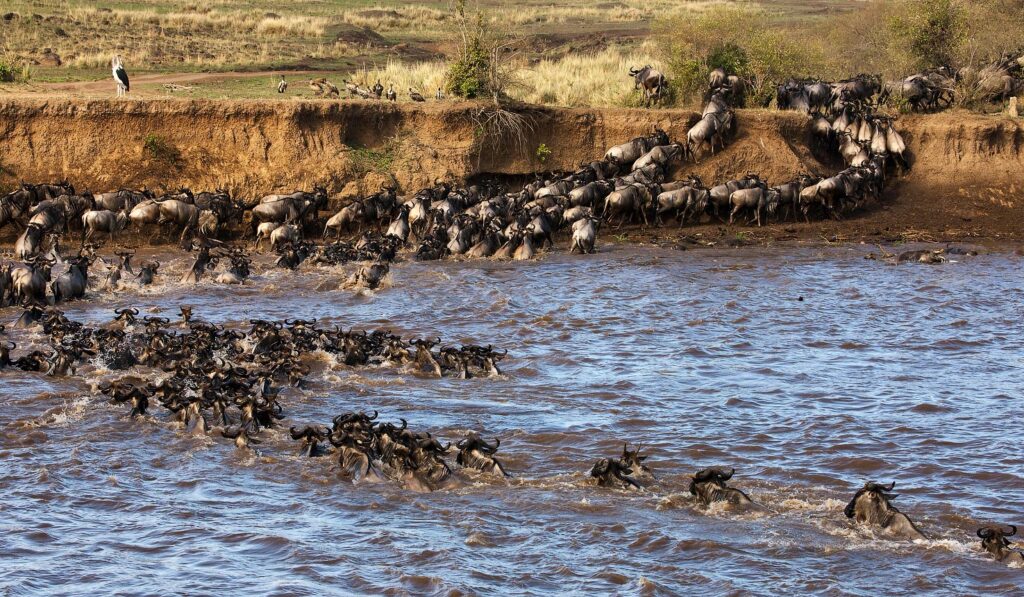
Maasai Mara Game Reserve is a breathtakingly beautiful land, known for its vast grassy plains speckled with acacia, the lazy loops of the Mara River, and its rich Maasai culture. The Reserve forms the northern continuation of the Serengeti National Park in Tanzania, creating a cross-border ecosystem that supports a diverse range of wildlife. Perhaps the most staggering phenomenon witnessed here is the Great Migration, where over two million wildebeest, zebra, and Thomson’s gazelle traverse the landscape in a bid to find fresh pasture, guided by ancient instincts. This event has earned the Maasai Mara a place among the Seven Natural Wonders of Africa, capturing the imagination of travelers from all around the globe.
The Reserve’s name, Maasai Mara, pays homage to the Maasai people, an indigenous group whose semi-nomadic way of life has been intrinsically linked with these lands for centuries. The “Mara” simply means “spotted” in Maa, the Maasai language, referring perhaps to the patchwork of trees, scrub, savanna, and cloud shadows that mark the area. For the Maasai, the land is not just a place to live; it is a core part of their identity and cultural heritage. Their traditional practices and knowledge of the ecosystem play a crucial role in conserving The wildlife and habitat of this area.
As a top wildlife conservation area, the Maasai Mara is unparalleled in the density of fauna it supports. The reserve is host to the ‘Big Five’ (lion, leopard, elephant, buffalo, and rhino), alongside a phenomenal array of other species, including over 500 recorded bird species. The conservation efforts in the Maasai Mara are a testament to the commitment to preserving this unique ecosystem for future generations, ensuring that the spectacular show of nature continues in its full glory. This commitment to conservation, combined with the cultural heritage of the Maasai people, makes the Maasai Mara Game Reserve a cornerstone of sustainable tourism in Kenya.
Wildlife and Habitat Comparisons
Following the overview of the Maasai Mara National Park, a sanctuary rich in wildlife diversity and cultural heritage, this chapter delves deeper into the distinctions between Maasai Mara and Amboseli National Park in terms of wildlife and habitat. Both parks offer unique safari experiences shaped by their distinct ecosystems.
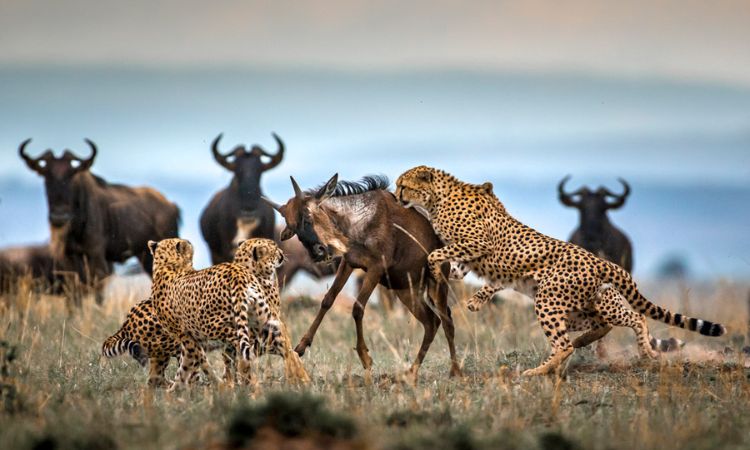
Amboseli is renowned for its large elephant populations, where visitors can witness these majestic creatures against the backdrop of Mount Kilimanjaro. The park’s ecosystem supports expansive elephant families, showcasing their social structures and behaviors. In contrast, Maasai Mara offers dramatic predator sightings, including lions, cheetahs, and leopards, especially during the annual wildebeest migration. This event highlights the park’s role in the larger Serengeti-Mara ecosystem, supporting an incredible variety of wildlife.
The habitats within these parks also contribute to their distinct experiences. Amboseli’s landscapes are diverse, ranging from wetlands to savannahs and woodlands, nurturing a wide variety of animal species. The Maasai Mara, being part of the Serengeti plains, provides vast grasslands ideal for large herbivores and the predators that follow them.
Visitors to Amboseli can expect to have intimate encounters with elephant families, while those headed to Maasai Mara may witness the dramatic interplay of predator and prey during the migration season, making both parks invaluable for different reasons in the realm of wildlife and habitat conservation. Upcoming discussions on conservation efforts will shed light on how these diverse ecosystems are protected and sustained for future generations.
Conservation Efforts
Building on the foundation of understanding how both Amboseli National Park and Maasai Mara National Park contribute vastly different wildlife and habitat experiences, it’s crucial to delve into the conservation strategies that protect these magnificent animals and their environments. Both parks have implemented innovative conservation efforts, yet their approaches and challenges might influence a visitor’s choice between the two.
Amboseli is renowned for its successful community-driven conservation programs. A key highlight is the Amboseli Elephant Research Project, the world’s longest-running study of elephants, which provides critical insights into elephant behavior, social structure, and conservation needs. This project, alongside others aimed at habitat restoration, plays a vital role in the park’s conservation success. It’s not just about the elephants; these projects have a ripple effect, benefiting other species by securing ecosystems.
Contrastingly, Maasai Mara employs a more complex approach due to its vastness and the great migration it hosts annually. Conservation in the Mara is heavily focused on anti-poaching efforts and partnership with local communities to ensure the sustenance of both wildlife and pastoral livelihoods. Innovative technologies like aerial surveillance drones and advanced GPS tracking for animals are part of their modern conservation toolkit. The Mara also benefits from numerous research projects monitoring species diversity and ecosystem health, directly feeding into conservation strategies.
Both parks deeply involve local communities in conservation, recognizing that the future of these wildlife sanctuaries is intertwined with the well-being of local Maasai communities. In Amboseli, community projects focus on water provision and conflict resolution between humans and wildlife, while Maasai Mara’s initiatives lean more towards sustainable tourism practices and community benefits sharing.
Choosing between Amboseli and Maasai Mara might then come down to what aspects of conservation a visitor finds most resonant: whether it’s the groundbreaking elephant research and community-focused efforts of Amboseli or the extensive anti-poaching measures and the spectacle of the great migration in Maasai Mara, each park offers a unique perspective on the delicate balance of conservation in action.
Cultural Interaction
In the heart of Kenya, two of Africa’s most renowned safari destinations, Amboseli National Park and Maasai Mara National Park, offer unique encounters with the continent’s majestic wildlife. Both parks are deeply connected to the Maasai culture, a semi-nomadic people known for their distinctive customs, dress, and close relationship with the land and animals.
The Maasai communities have become integral to conservation strategies in both parks, blending traditional knowledge with modern conservation tactics. This cultural heritage offers a rich layer to the safari experience, going beyond wildlife viewing to include encounters with local Maasai villages. Here, visitors can learn about Maasai traditions, from their symbiotic relationship with the land to intricate beadwork.
Tourism has a profound impact on the Maasai way of life, introducing both opportunities and challenges. While it brings economic benefits and awareness for conservation efforts, it also pressures traditional lifestyles and land usage. Engaging respectfully with the Maasai involves acknowledging their role as stewards of the land and supporting community-led tourism initiatives that benefit both the people and wildlife conservation.
Visitors are encouraged to visit cultural villages or participate in eco-friendly tours that prioritize respectful interaction and fair compensation for the Maasai people. Such experiences enrich the safari adventure, allowing for a deeper understanding of the intricate balance between humans and nature in these stunning landscapes.
Best Time to Visit
Choosing the right time to visit either Amboseli National Park or Maasai Mara National Park can make all the difference in your safari experience. Amboseli is most remarkable during the dry seasons (January to February and June to September), when the skies are clear, providing the most breathtaking views of Mount Kilimanjaro. This season offers the best opportunities for wildlife photography, as animals gather around the limited water sources, making them easier to spot.
On the other hand, the Maasai Mara offers a dynamic year-round destination but is most renowned for the Great Migration, which typically occurs between July and October. This spectacular event sees over two million wildebeest, zebra, and gazelles traverse the plains in a mass movement that is considered one of the wonders of the natural world. Outside the migration period, the Maasai Mara still offers exceptional wildlife viewing, with the rainy seasons (November to May) bringing lush landscapes and a chance to see newborn animals, though some areas may be less accessible.
In conclusion, while Amboseli promises majestic views of Kilimanjaro with excellent wildlife viewing conditions in the dry seasons, Maasai Mara delivers the unparalleled drama of the Great Migration alongside a rich abundance of wildlife year-round. Each park presents a unique set of attractions depending on the time of year, and your choice should align with your specific interests and what you wish to get out of your safari experience.
Activities and Safari Types
Choosing between Amboseli National Park and Maasai Mara National Park for your safari experience involves considering the unique activities each location offers. In Amboseli, the safari experience is strongly focused on traditional game drives, with opportunities for walking safaris and bird-watching that allow visitors to explore the diverse ecosystems at a leisurely pace. The park is renowned for its large herds of elephants and stunning views of Mount Kilimanjaro, providing a backdrop for incredible wildlife photography and observation.
Conversely, Maasai Mara offers an expansive range of experiences beyond the conventional game drives, such as hot air balloon rides that provide a bird’s-eye view of the vast savannah and the Great Migration when it is in season. Cultural visits to Maasai villages offer insight into the local community’s traditional way of life, enhancing the safari with educational and interpersonal elements. The dramatic river crossings during the Great Migration are a highlight, showcasing nature’s raw power and the circle of life in action.
These differing activities cater to a variety of interests and expectations, making the choice between Amboseli and Maasai Mara a matter of personal preference based on what one wishes to prioritize during their safari experience.
Accommodation and Amenities
Following the exploration of activities and safari types unique to each location, your selection of accommodation can significantly influence your safari experience. Both Amboseli National Park and Maasai Mara National Park offer a range of accommodations and amenities designed to cater to diverse tastes and budgets, ensuring every traveler finds a comfortable place to retreat after a day of adventure.
In Amboseli, options range from luxury lodges that offer breathtaking views of Mount Kilimanjaro, complete with fine dining and spa facilities, to eco-friendly tented camps that allow guests a closer connection to nature. These accommodations are strategically located to enhance guests’ experiences, offering both convenience and the thrilling sense of being in the wild.
Similarly, Maasai Mara is home to a variety of accommodations, from opulent safari lodges embraced by untamed wilderness to mobile camps that follow the Great Migration, ensuring spectacular viewing opportunities. The availability of budget-friendly campsites and mid-range tented lodges also makes the Maasai Mara accessible to a broader audience.
Regardless of the choice, each accommodation type in Amboseli and Maasai Mara is designed to complement the natural beauty of the surroundings, providing amenities such as game drives, cultural tours, and bush meals that enrich the safari experience. This diversity ensures that whether one is looking for the luxury of a lodge or the authenticity of a tented camp, both parks offer options that promise an unforgettable stay, making the safari experience both comfortable and exciting.
Conclusions
Both Amboseli National Park and Maasai Mara offer distinct and unforgettable safari experiences. Your choice ultimately depends on the type of adventure you seek: Amboseli’s majestic views and elephants, or Maasai Mara’s dramatic wildebeest migration and diverse wildlife.