The Maasai Mara’s Great Migration is a spectacle of nature’s grandeur, beckoning wildlife enthusiasts and adventurers alike. This article delves into the optimal times and conditions to visit Maasai Mara for an unforgettable experience of this dramatic wildlife exodus.
Understanding the Great Migration
Understanding the Great Migration
The Great Migration is an awe-inspiring natural wonder, showcasing the sheer scale and diversity of Africa’s wildlife. This incredible journey involves over 1.5 million wildebeest, accompanied by hundreds of thousands of zebras, gazelles, and other herbivores, migrating from the Serengeti in Tanzania to the lush plains of Maasai Mara in Kenya. The significance of the wildebeest in this colossal movement cannot be overstated; they form the backbone of the migration, driving the movement’s dynamics. Zebras and gazelles follow suit, creating a spectacular ensemble of wildlife on the move.
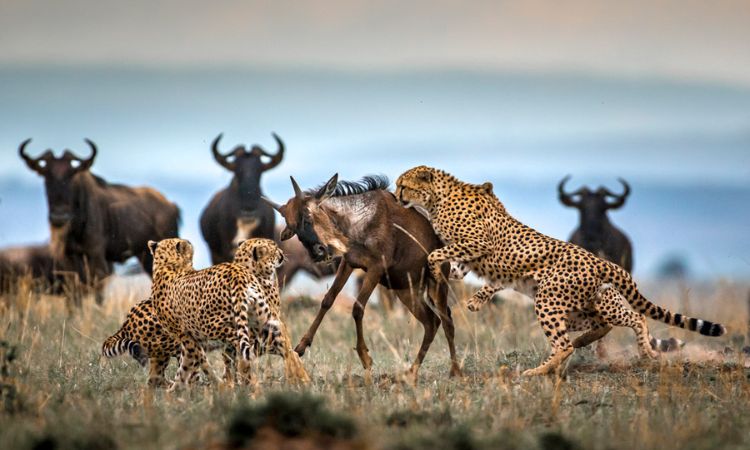
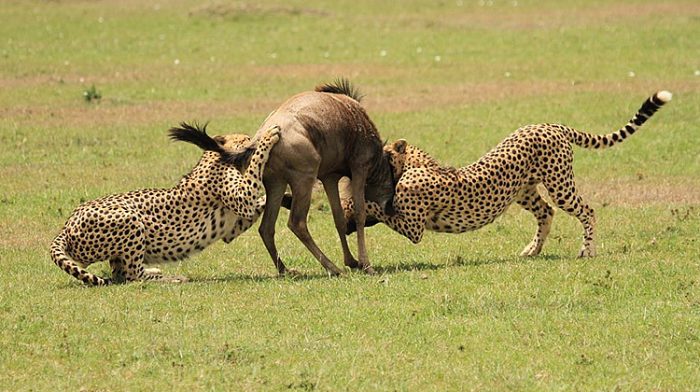
Predators play a pivotal role in the Great Migration, adding to its drama and intensity. Lions, leopards, cheetahs, and hyenas closely follow the moving feast, seizing opportunities to hunt the weaker members of the herds. Crocodiles lurking in the Mara River also pose a deadly challenge as the migrating herds make their perilous crossings. This epic journey is not only a struggle for survival for the migrating animals but also a vital ecological process, shaping the ecosystem through predation, grazing, and nutrient transfer. Witnessing the Great Migration offers a profound glimpse into the heart of Africa’s wild beauty, marked by life, death, and the relentless pursuit of sustenance across a vast and varied landscape.
Maasai Mara’s Ecosystem
The Maasai Mara’s ecosystem, a rich tapestry of acacia-dotted savannahs, rolling grasslands, and the iconic Mara River, plays a pivotal role in supporting the Great Migration, an awe-inspiring natural phenomenon discussed previously. The geographical layout and climate of the Maasai Mara not only provide a sanctuary for the migrating wildebeest, zebras, and accompanying predators but also challenge them in a test of survival.
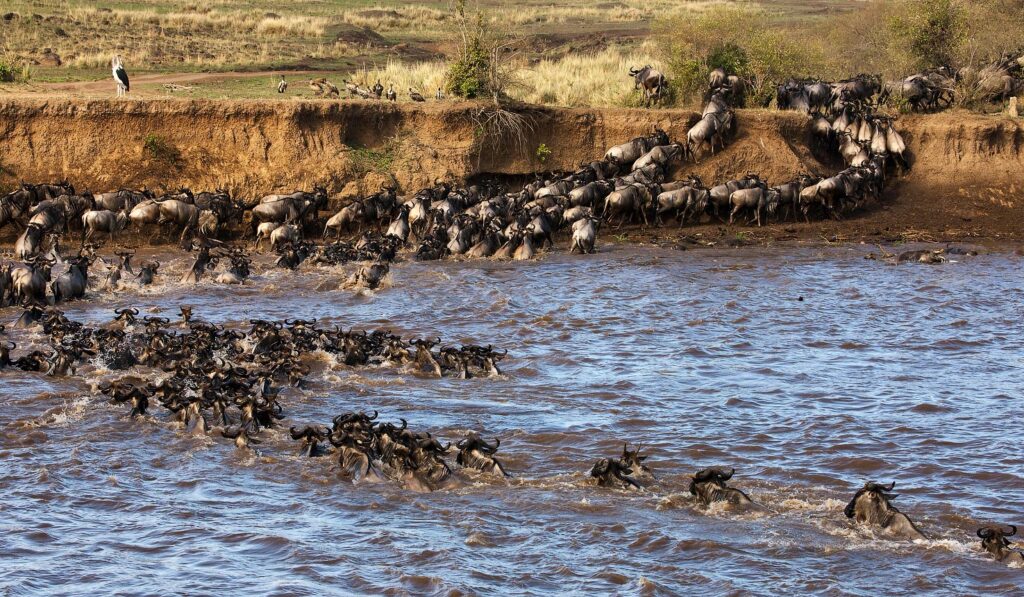
The Mara River, coursing through the reserve, is the stage for dramatic crossings that are central to the migration narrative. These crossings are a critical yet perilous phase of the migration, where herds face the daunting task of traversing crocodile-infested waters, highlighting the interplay between predator and prey, a theme that extends into the surrounding savannah.
The expansive grasslands, fed by seasonal rains, offer a lush feeding ground for the grazers, sustaining them before and after the treacherous river crossings. This abundance of food is crucial for the survival of the migratory herds and, by extension, the predators that rely on them.
Acacia trees, scattered across the landscape, provide not only iconic scenery but also serve as essential habitats for various bird species and other wildlife, further enriching the biodiversity of the Maasai Mara. These trees, along with the grasslands, create a complex ecosystem that supports the cyclic journey of the Great Migration.
The Maasai Mara’s ecosystem, with its distinctive geographical features and climate, sets the stage for this spectacular natural event, underscoring the intricate balance of life in this dynamic landscape. This balance, as we will see in the following discussion, is crucial for maintaining ecological stability in the Maasai Mara, showcasing the vital role of the Great Migration in sustaining this unique ecosystem.
The Circle of Life
Building upon the vital understanding of Maasai Mara’s ecosystem, the Great Migration stands as a monumental testament to the ebbs and flows of life that define this landscape. This annual journey is not just a spectacle of movement; it is a crucial component of the ecological balance in the Maasai Mara. The interaction between predators and prey during the migration is a dramatic play of survival, underscoring the harsh realities of nature where only the fittest survive.
The significance of river crossings in the Great Migration cannot be overstated. These crossings are a defining moment of this epic journey, presenting a staggering challenge for the wildebeest, zebras, and gazelles. As these animals navigate through the treacherous waters, they face not only the physical barriers of strong currents and steep banks but also the lurking predators awaiting an opportunity. Crocodiles, lions, and hyenas are drawn to these crossings, making them critical points of natural selection and a showcase of the raw drama of predation. This interaction is paramount, forming a cycle that ensures the health of the grasslands by preventing overgrazing and facilitating nutrient distribution through the movement and eventual demise of some of these migrating animals.
Understanding the intricate relationship between the migrating herds and the Maasai Mara’s predators sheds light on the delicate balance of this ecosystem. It emphasizes the importance of conserving these wildlife areas, not only for their inherent beauty and the spectacle of the Great Migration but also for their role in maintaining the ecological dynamics of this unique environment.
Migration Calendar
The spectacular phenomenon of the Great Migration in Maasai Mara is a year-round event, marked by distinct stages that offer unique experiences. The prime time to witness this natural wonder starts in July and extends through October, when millions of wildebeest, zebras, and gazelles traverse the treacherous Mara River in search of greener pastures. This period is renowned for dramatic river crossings, where the migrants face perilous waters and lurking predators, encapsulating the struggle for survival in the African savannah.
In the earlier months of December to February, visitors are treated to the birthing season, an equally mesmerizing period when the plains of the southern Serengeti become a nursery. Here, over 500,000 calves are born within a short span, offering a tender contrast to the perilous river crossings. This time is also pivotal for witnessing the circle of life in action, as predators take advantage of the vulnerable newborns, highlighting the ecological balance discussed in the previous chapter.
Mating season peaks around May and June, setting the stage for the journey back to the Mara. This period offers intimate glimpses of the social structures and behaviors of the migrating herds, providing a prelude to the dramatic events that follow.
Each stage of the migration offers insights into the delicate balance of ecosystems, resonating with the themes of ecological interaction and survival strategies explored in the preceding chapter. As we transition into the next chapter on Weather Patterns and Wildlife Movement, it becomes evident how the semi-arid climate and biannual rains of the Mara sculpt the timing and movement of this awe-inspiring migration, demonstrating the intricate interplay between the environment and animal behavior.
Weather Patterns and Wildlife Movement
The Maasai Mara’s climate significantly shapes the timing and movement of the Great Migration, an awe-inspiring phenomenon where over two million wildebeest, zebra, and gazelles traverse the Tanzanian and Kenyan landscape. This semi-arid region experiences biannual rainfall patterns, with the long rains occurring from March to May and the short rains from October to December. These rainfall periods rejuvenate the grasslands, making them an ideal habitat for grazing animals and thereby indirectly dictating the migration pattern.
During the long rains, the herds are generally found in the Serengeti, as the fresh growth of grass provides ample food. However, as the dry season approaches and the Serengeti’s grasslands become less hospitable, the herds begin their journey northward to the Maasai Mara around July, seeking more fertile grounds. This period marks the start of the most dramatic phase of the migration, including the perilous river crossings, which are best viewed between July and September.
As the short rains begin to rejuvenate the Mara’s landscape around October, the herds enjoy the lush grasses before starting their journey back to the Serengeti around late October to November, following the rain cycle anew. This cyclical movement, governed by the seasons and the quest for food and water, creates a dynamic wildlife spectacle, with varying stages best witnessed at specific times of the year. Understanding this climatic influence is crucial for safari-goers aiming to experience the majesty of the Great Migration, setting the stage for capturing its most poignant moments through photography, as will be discussed in the following chapter.
Photography and the Great Migration
Following our exploration of the Maasai Mara’s climate and its pivotal role in the timing of the Great Migration, wildlife photography enthusiasts have a unique opportunity to capture one of nature’s most spectacular events. Understanding the optimal conditions for photography during this epic journey is crucial. The Great Migration, peaking between July and October, offers dramatic vistas and action-packed scenes. Timing, positioning, and patience are key for photographers aiming to document this natural wonder.
Timing is essential, with early mornings and late afternoons providing the best natural lighting. These hours not only offer the golden glow ideal for photography but also represent peak activity times for many animals.
Positioning is about understanding the terrain and predicting the animals’ movements. Being in the right place at the right time can make all the difference. Engaging with experienced guides who know the area well can enhance your chances of capturing compelling images.
Patience cannot be overstated; wildlife photography is as much about waiting as it is about shooting. Sometimes, you might spend hours waiting for the perfect moment when a crossing happens or when predators interact with the migrating herds.
In the following chapter, we will delve into the importance of sustainable tourism practices within the Maasai Mara. Notably, photography and tourism, when conducted responsibly, can play a significant role in the conservation efforts of this magnificent ecosystem. Sustainable tourism initiatives ensure that we, as visitors, leave minimal impact on the wildlife and their natural habitats, enabling future generations to witness and capture the wonders of the Great Migration, much like we have the privilege to do today.
Sustainable Tourism
Sustainable tourism plays a pivotal role in the preservation of Maasai Mara and its iconic Great Migration. As we transition from the art of photography to immersing ourselves in the local culture, it’s crucial to understand how sustainable practices can ensure the longevity of these invaluable experiences. Initiatives designed to minimize human impact on wildlife and the environment are at the forefront of conservation efforts in the region. Eco-friendly accommodations that follow stringent environmental guidelines help reduce the carbon footprint of tourists.
Guided tours, led by knowledgeable locals, not only provide an income to the community but also educate visitors on the importance of maintaining the natural habitat of the migrating species. These guides emphasize the significance of keeping a respectful distance from the animals, ensuring that the wildlife’s behavior remains as undisturbed as possible. The use of vehicles that adhere to strict emissions standards further helps to protect the air quality and overall health of the ecosystem.
Community-based conservation projects encourage the involvement of the Maasai people in wildlife monitoring and protection, ensuring that they benefit directly from the tourism their homeland attracts. This symbiotic relationship between conservation efforts and community welfare fosters an environment where both wildlife and humans thrive, maintaining the balance necessary for the Great Migration to continue for generations to come. As we look ahead to exploring Maasai culture, it’s clear that sustainable tourism is the backbone of preserving both the natural and cultural heritage of Maasai Mara.
Cultural Encounters
Building on the foundations of sustainable tourism discussed earlier, the Maasai Mara offers more than just a window to view spectacular wildlife; it presents a rich tapestry of cultural encounters that add depth to the safari experience. The Maasai people, known for their distinctive customs and dress, have lived in harmony with the land and its inhabitants for centuries. Visitors have the unique opportunity to engage with Maasai culture through village visits, storytelling sessions, and traditional dance performances, providing a holistic understanding of the ecosystem.
These cultural exchanges enable the Maasai community to preserve their heritage while benefiting economically from tourism. By hosting cultural tours, selling handmade crafts, and participating in conservation efforts, they derive direct income that supports their families and community projects. This symbiotic relationship between the Maasai people and the wildlife ensures the protection of the natural environment, demonstrating a successful model of how local communities can coexist with and contribute to the sustainability of their ancestral lands.
Eco-lodges and safari companies often collaborate with local Maasai villages to create authentic experiences for visitors that respect the customs and traditions of the community. By choosing these experiences, tourists contribute to a form of tourism that respects cultural heritage and promotes the well-being of local communities, bridging the chapter on sustainable tourism with the imminent challenges of conservation.
Conservation Challenges
The Maasai Mara ecosystem, renowned for its annual Great Migration, faces significant conservation challenges. Key threats include habitat loss due to expanding agriculture, poaching, and human-wildlife conflict. As wildlife migrates across borders, unsustainably managed tourism also poses a risk, potentially disrupting animal behaviors and overstraining resources.
Efforts to mitigate these threats are diverse and increasingly collaborative. Conservancies have played a pivotal role, establishing protected areas that balance the needs of wildlife with those of local Maasai communities. By promoting community-based conservation, these conservancies ensure that tourism benefits are shared, creating incentives for locals to protect their natural heritage. Innovative approaches, such as leasing land for conservation, help to expand habitats and create wildlife corridors.
Wildlife management initiatives, including anti-poaching units and veterinary interventions, are critical for the health and survival of key species. The use of technology, such as GPS tracking for monitoring animal movements and numbers, informs strategies to counteract the pressures on the ecosystem. Cross-border collaboration between Kenya and Tanzania is also fundamental to address the challenges of managing a migration that knows no national boundaries.
As travelers plan their safari to witness this awe-inspiring natural event, understanding and supporting the ongoing conservation efforts become a part of the journey. This awareness enriches the safari experience, connecting visitors with the complex interplay of ecological and human factors that shape the Maasai Mara and its great migration.
Planning Your Safari
Understanding the optimal timing for witnessing the Great Migration in Maasai Mara is pivotal for planning your safari adventure. The migration, showcasing over two million wildebeest, zebras, and gazelles traversing the plains, peaks between July and October. This period marks their perilous journey across the Mara River, presenting dramatic river crossings that are quintessential for nature enthusiasts.
To ensure a comfortable and immersive experience, early booking of accommodation is advisable. Options range from luxury lodges to tented camps, catering to diverse preferences and budgets. Engaging a reputable tour operator who specializes in Maasai Mara safaris can greatly enhance your adventure. They offer comprehensive packages that include guided game drives, ensuring you’re at the heart of the action during the migration peak.
Recommended itineraries often span 7 to 10 days, allowing for exploration of different conservancies within the Mara ecosystem and a deeper understanding of its biodiversity, in line with the conservancies’ efforts highlighted in the previous chapter. Such trips might also incorporate cultural visits to Maasai villages, offering insights into local traditions and the community’s role in wildlife conservation. Planning your journey around the migration not only promises exhilarating wildlife spectacles but also supports the ongoing conservation efforts critical for the Mara’s future.
Conclusions
The Great Migration is a timeless dance of life and survival, set against the backdrop of Maasai Mara’s breathtaking landscapes. To witness this natural wonder at its peak, travelers must consider the intricate interplay of climate, geography, and animal behavior. As the journey comes to an end, we’re reminded of the importance of conservation and sustainable tourism in preserving this awe-inspiring phenomenon for generations to come.