Embark on an adventure of a lifetime as we explore the best places for an African safari. From famous big-five game reserves to hidden gems across the continent, this guide highlights spectacular destinations for every wildlife enthusiast. Journey through Africa’s diverse landscapes and encounter majestic creatures in their natural habitats.
Discovering Africa’s Big Five Safari Game
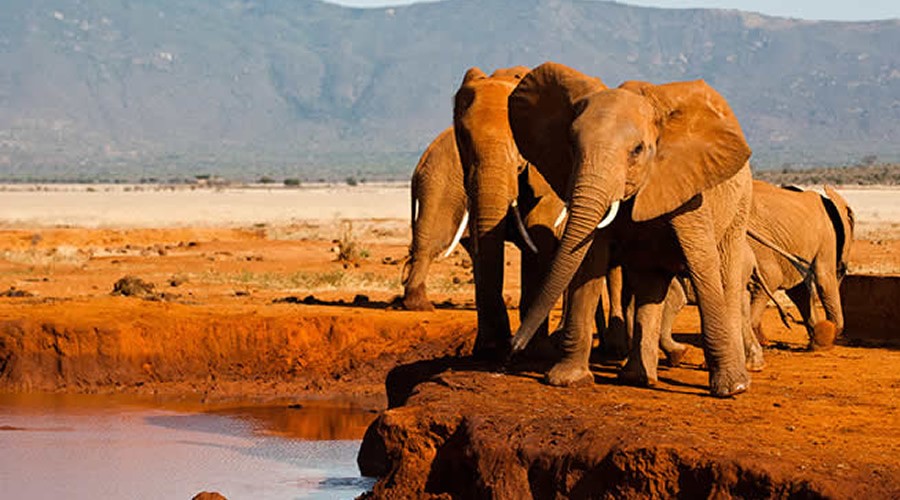
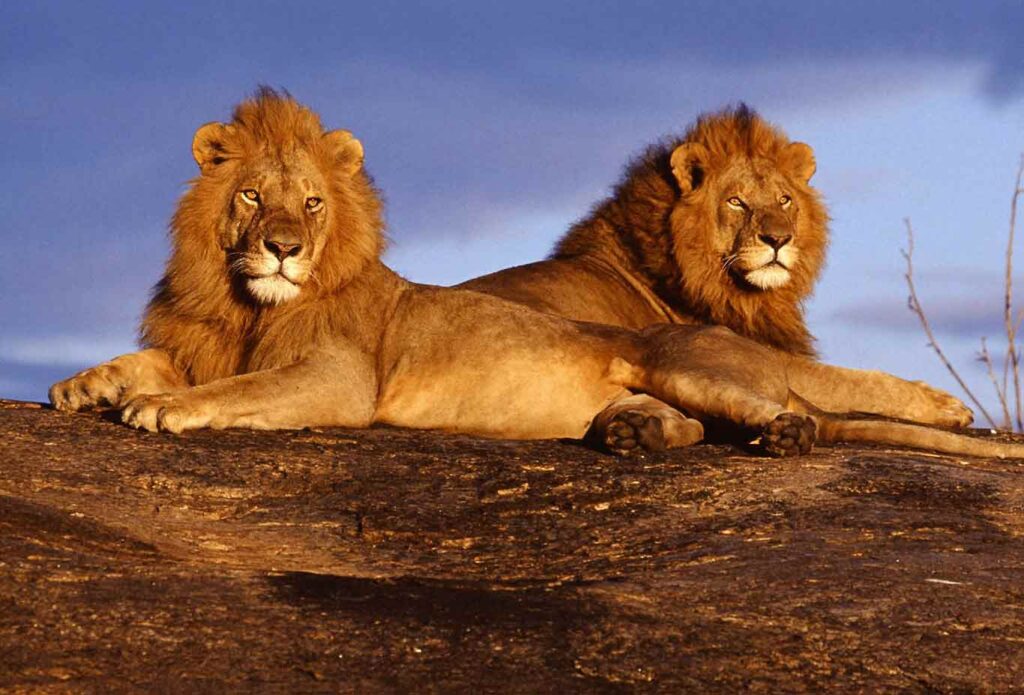
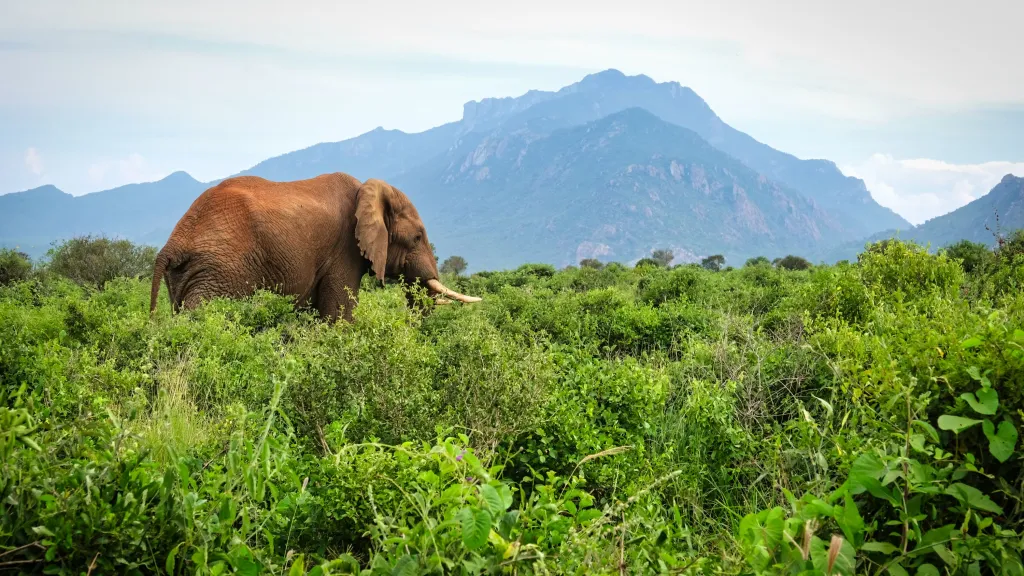
The concept of safari, a Swahili word meaning ‘journey,’ invites travelers to witness the ‘Big Five’ — lions, leopards, rhinoceros, elephants, and Cape buffaloes. Dive into the history and importance of these animals in safari adventures, focusing on their ecological roles and conservation status. Learn how these iconic creatures have become symbols of African wildlife and a must-see for safari-goers.
Kicking off our journey, we spotlight Kenya and Tanzania, the quintessential safari destinations. Explore the sprawling plains of the Masai Mara National Park and the Serengeti, home to the Great Migration. Discover the differences and similarities in these regions and delve into the unique safari experiences they offer, from luxury lodges to camping under the vast African sky.
Iconic Safari Destinations: Kenya and Tanzania
Kicking off our journey, we spotlight Kenya and Tanzania, the quintessential safari destinations. Explore the sprawling plains of the Serengeti and the Masai Mara National Park, home to the Great Migration. Discover the differences and similarities in these regions and delve into the unique safari experiences they offer, from luxury lodges to camping under the vast African sky.
Exploring Southern Africa’s Diverse Safari Landscapes
Transitioning from the iconic plains of Kenya and Tanzania, we delve into the Southern African safari realm, where the landscape shifts from endless savannas to the complex ecosystems of Botswana, Namibia, and South Africa. This chapter unfolds the enchantment of regions such as the Chobe National Park, with its remarkable elephant population providing a spectacle against the backdrop of the Chobe River.
Botswana’s Okavango Delta, a UNESCO World Heritage site, stands out with its intricate waterways nurturing an astonishing diversity of wildlife, offering safari-goers the chance to explore by mokoro (dugout canoe) for an immersive experience. It’s a haven where the water and land intertwine, enabling unique sightings of animals in and around the aquatic landscapes.
Venturing into the arid expanse of the Kalahari Desert in Namibia, we encounter a different kind of wilderness. This vast desert, with its red sands and unique adaptations of wildlife, offers a profound silence and splendid isolation. The desert is home to the San people, who have lived in harmony with this harsh environment for thousands of years, and witnessing their traditional lifestyle adds a fascinating cultural dimension to the safari experience.
Meanwhile, South Africa’s Kruger National Park is a world-renowned safari destination that offers an extensive biodiversity alongside historical and archaeological sights. It’s a place where you can witness the Big Five in their natural habitat, along with hundreds of other mammal species and birdlife. The Kruger also provides a range of accommodation options, from luxury lodges to rustic campsites, catering to every type of traveler.
In comparison to the previous chapter’s focus on the vast plains and the spectacle of the Great Migration in Kenya and Tanzania, Southern Africa’s safari landscapes offer a more varied exploration into the continent’s wildlife. From the waterways of the Okavango Delta to the desert life in the Kalahari and the diverse ecosystems of Kruger, each destination presents its unique set of wonders.
As we transition to the next chapter, we venture off the established safari paths into the heart of gorilla territory in Uganda and Rwanda. These countries promise an intimate wildlife encounter that contrasts with the vast wilderness experiences of Southern and East Africa, emphasizing the continent’s rich diversity in safari adventures.
Venturing Off the Beaten Path: Uganda and Rwanda
As we transition from the diverse landscapes of Southern Africa’s safari regions, our journey leads us northward to the heart of the African continent, where Uganda and Rwanda open up a world of adventure with their unique wildlife experiences. Unlike the wide-ranging safaris focused on the Big Five in places like Masai Mara National Park or the desert expanses of Namibia, this chapter delves into the dense forests of Bwindi Impenetrable National Park and Volcanoes National Park. Here, the rare and majestic mountain gorilla awaits, offering an intimate glimpse into the life of one of the planet’s most awe-inspiring creatures.
The experience of gorilla tracking in these parks is profoundly different from the usual game drives and requires a more immersive engagement with the environment. Trekking through the misty forests, visitors are rewarded not just with sightings of gorillas, but with a deeper understanding of the intricate ecosystem that supports them. This adventure is as much a journey into the unknown as it is a call to conservation, as these encounters emphasize the importance of preserving these magnificent animals and their natural habitats. In walking the paths less traveled by, enthusiasts are not just passive observers but become part of a meaningful narrative that champions coexistence and conservation.
This chapter, nestled between the exploration of Southern Africa’s diverse safari landscapes and the upcoming discussion on luxury safaris and sustainability practices, offers a poignant reminder of the fragile beauty that we must strive to protect. It illuminates the vital role that eco-conscious tourism can play in conservation efforts, paving the way for a discussion on how luxury safari experiences can contribute to the sustainability of these precious ecosystems.
Luxury Safari Experiences and Sustainability Practices
Building on the ethos of intimate and conservation-oriented experiences exemplified by gorilla tracking in Uganda and Rwanda, the luxury safari segment takes this commitment to an unparalleled level. Luxury safaris today are not just about opulence in the wild but also about embodying the principles of sustainability and community support. Distinguished properties and operators have aligned with initiatives such as Go2Africa’s Positive Impact program to set new standards in ecotourism. This harmonious blend of luxury and responsibility transforms the safari experience, offering guests not only the comfort of eco-friendly lodges but also the fulfillment of contributing to conservation efforts.
The emergence of eco-luxury lodges across the African continent is a testament to the safari industry’s shift towards sustainability. These lodges are designed to minimize environmental impact, utilizing solar power, water recycling systems, and other green technologies. Beyond their green credentials, they offer an immersive experience in nature, with guided conservation tours and wildlife encounters that respect the natural habitat. The luxury safari experience is thus enriched by a deeper understanding of the ecosystem and the critical importance of preserving it for future generations.
Moreover, the Positive Impact program and similar initiatives underscore the symbiotic relationship between luxury safaris and community development. By supporting local conservation projects and engaging with surrounding communities, these programs ensure that the benefits of safari tourism extend beyond the immediate visitor experience. Guests are often invited to participate in community visits, cultural exchanges, and even conservation activities, giving them a comprehensive view of the region’s ecological and social dynamics.
In essence, the evolution of luxury safaris towards sustainability practices represents a paradigm shift in how we experience and impact wild Africa. Through the commitment of eco-friendly lodges and programs like the Positive Impact, luxury safaris now offer a pathway to indulge in the breathtaking beauty of the continent while actively contributing to its preservation and the well-being of its communities. This balance of luxurious immersion in nature, environmental stewardship, and social responsibility sets a new benchmark for safari experiences, ensuring that they continue to enchant and educate for generations to come.
Conclusions
African safaris offer a window into the wild beauty and majestic wildlife of the continent, each destination presenting unique and unforgettable experiences. From the well-trodden paths in Kenya to gorilla tracking in Uganda, these journeys have evolved to provide not only adventure but also vital support for conservation. Embrace responsible travel, and savor the rich tapestry of Africa’s natural world.