Discover the breathtaking wildlife of Tsavo, Kenya’s legendary safari destination. From the iconic Big Five to vibrant birdlife, Tsavo offers an unparalleled experience for wildlife enthusiasts. Join us as we explore the top 10 animals you simply must encounter on a Tsavo safari adventure.
The Big Five of Tsavo
The Big Five—lion, leopard, rhinoceros, elephant, and African buffalo—are the cornerstone of any safari trip in Tsavo National Park. These iconic creatures captivate with their sheer size, power, and beauty. Learn about their roles in the ecosystem, their behaviors, and conservation efforts to protect these magnificent animals in this renowned national park.
The Majestic Elephants
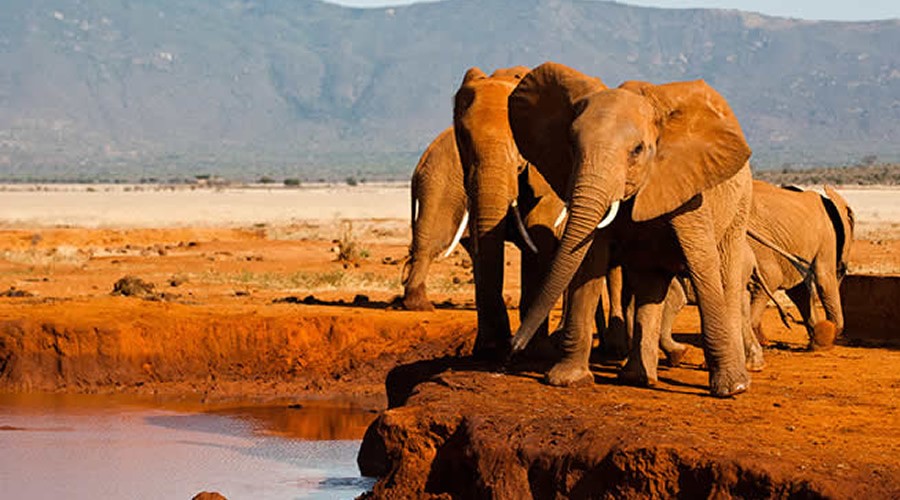
Transitioning from the celebrated Big Five, the majestic elephants of Tsavo National Park capture the essence of African wilderness like no other species. Standing out with their distinctive red-colored dust-covered skin, a natural sunscreen acquired from Tsavo’s iron-rich soil, these giants offer a breathtaking sight unique to the region. Unlike their counterparts elsewhere, Tsavo’s elephants are part of one of the largest populations in Kenya, making them a central attraction during a safari adventure.
Their complex social structures are a marvel of the natural world, with matriarchs leading tightly-knit family units demonstrating deep emotional bonds, nuanced communication, and cooperative care of the young. Observing these interactions in their natural habitat offers invaluable insights into their intricate community dynamics and individual personalities.
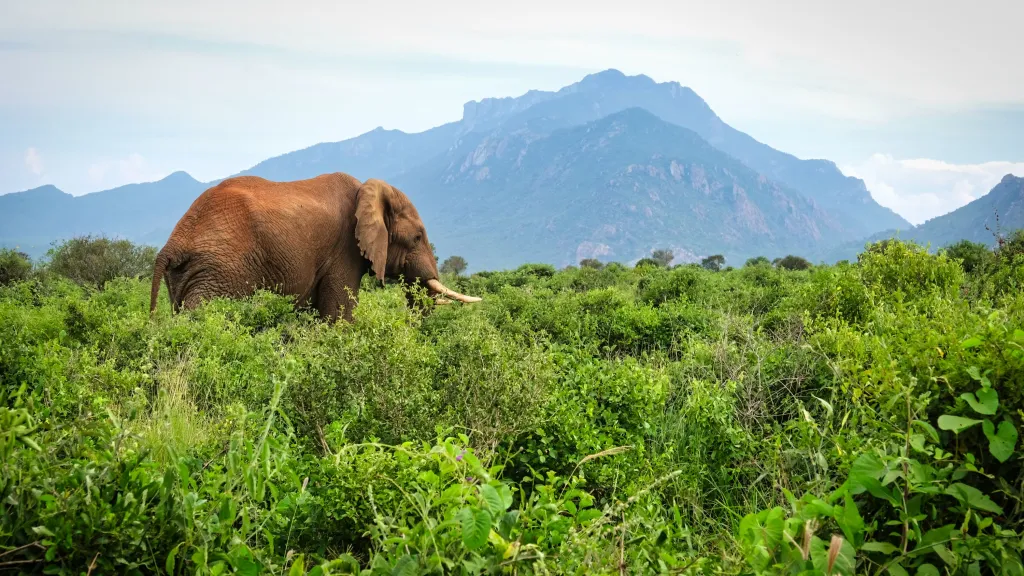
Tsavo’s elephants are integral to maintaining the ecological balance, their migratory patterns influencing various aspects of the environment. Their routes disperse plant seeds, and their sizeable footprints create microhabitats for smaller creatures. However, these migratory movements also underscore the challenge of human-elephant conflicts, a pressing issue as their habitats intersect increasingly with human settlements.
In response, conservation initiatives in Tsavo are continuously evolving, with strategies like the creation of wildlife corridors to facilitate safe migration, and community outreach programs aimed at fostering coexistence. These efforts are critical in ensuring the survival of these magnificent creatures, allowing future generations the privilege of witnessing Tsavo’s elephants in all their glory. As we venture forth to the next chapter, focusing on the iconic lions, the continuity of purpose in conservation becomes increasingly apparent, highlighting the intertwined fate of all species inhabiting Tsavo’s vast landscapes.
Lions: Kings of the Savannah
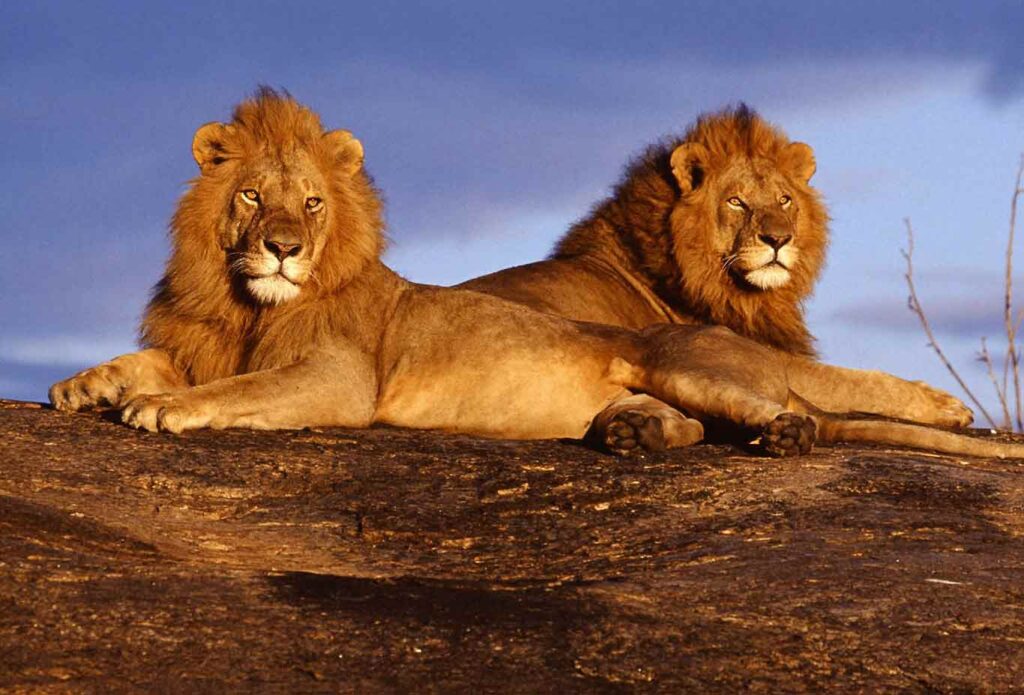
Following the majestic elephants, the lion, often celebrated as the King of the Savannah, is undoubtedly a highlight of any visit to Tsavo National Park. These magnificent creatures, with their regal manes and powerful stature, command the attention of anyone fortunate enough to catch a glimpse during a safari adventure. The social structure of a lion pride is fascinating, consisting of related females, their offspring, and a small number of adult males. This structure plays a crucial role in their hunting strategy, which relies on teamwork to stalk and take down prey, demonstrating their power and strategic intelligence.
What sets Tsavo’s lions apart is not just their sheer might but their unique characteristics and the historical lore surrounding them. The maneless lions of Tsavo, for instance, have piqued the interest of scientists and historians alike. These unique lions are renowned for their fierceness, a trait that has been the subject of many studies and stories. The maneless males, in particular, represent a deviation from what many expect of a typical lion, making them a symbol of Tsavo’s unparalleled wildlife experiences.
Despite their strength and status at the top of the food chain, lions face numerous challenges. Human-wildlife conflict, habitat loss, and the threat of poaching are constant concerns that contribute to their vulnerable status in the wild. Conservation efforts in Tsavo aim to mitigate these threats, ensuring that the king of the savannah continues to reign supreme in this vast wilderness.
As we transition from the terrestrial majesty of lions, the adventure in Tsavo continues with an exploration of its spectacular birdlife. The park’s diverse habitats support over 500 species of birds, from the colorful bee-eaters to the majestic birds of prey. This richness in avian biodiversity underscores the ecological significance of preserving Tsavo’s habitats, ensuring that this birdwatcher’s paradise remains a haven for both endemic and migratory bird species.
Spectacular Birdlife
After the lions, Tsavo offers an entirely different spectacle through its avian inhabitants. Tsavo’s diverse habitats, ranging from savannahs to rivers and the mountainous regions, provide a sanctuary for over 500 species of birds, showcasing an unmatched opportunity for birdwatching enthusiasts. This chapter delves deep into the rich tapestry of birdlife that adorns the skies and landscapes of Tsavo National Park. From the vibrant plumage of the lilac-breasted roller to the imposing stature of martial eagles, each bird species plays an integral role within the ecosystem.
Given the extensive variety of bird species, Tsavo’s environment acts as a crucial breeding ground and migratory pathway that underscores the importance of habitat conservation efforts. Specific regions within Tsavo, like the Taita Hills and the Galana River, offer unique vantage points where the density and diversity of birdlife are particularly high. These areas are also critical to researching avian diseases, migration patterns, and the impacts of climate change on bird populations, thereby highlighting the park’s global significance in bird conservation discussions.
The ensuing narrative will shift focus from the skies to the unique terrestrial inhabitants of Tsavo, showcasing species beyond the renowned Big Five. These include the subtly magnificent lesser kudu, the Masai giraffe with its distinctive coat pattern, and the enigmatic gerenuk, among others. Their presence enriches the park’s biodiversity, contributing to Tsavo’s standing as a sanctuary for wildlife conservation and an unparalleled destination for nature enthusiasts.
Unique Fauna Beyond the Usual Suspects
Moving from the avian wonders of Tsavo National Park, the safari adventure continues to uncover the unique fauna that roam its vast landscapes. Beyond the well-documented Big Five, Tsavo is a sanctuary for some of Africa’s most intriguing and lesser-known species. Among these, the lesser kudu strikes a graceful figure through the thicket with its spiral horns and elusive nature. The Masai giraffe, with its distinctive, irregular patchwork coat, towers above the savannah, a gentle giant among the thicket. Perhaps most striking of all is the gerenuk, an antelope with an unusually long neck, often found standing on its hind legs, delicately browsing leaves from the taller branches, a testament to its unique adaptation to the habitat.
These species, though less known, play pivotal roles in the ecological balance of Tsavo. The lesser kudu, with its selective browsing, helps in the maintenance of plant diversity, crucial for the ecosystem’s health. Similarly, the Masai giraffe acts as a key pollinator, its height allowing it access to a range of flowering trees unattainable to other animals, thus promoting cross-pollination. The gerenuk, with its ability to survive in arid conditions and its specialized feeding habits, highlights the diverse adaptation strategies that animals in Tsavo have developed in response to their environment. Together, these creatures add to the rich tapestry of wildlife that makes Tsavo a unique safari destination, illustrating the importance of conservation efforts to preserve these species and their habitats for future generations.
Conclusions
Tsavo’s rich biodiversity offers a thrilling wildlife adventure, from the iconic Big Five to rare bird species. Protecting these species is crucial, as they play vital roles in the ecosystem. As you embark on a Tsavo safari, embrace the beauty and diversity of its natural world, fostering a deeper appreciation for wildlife conservation.