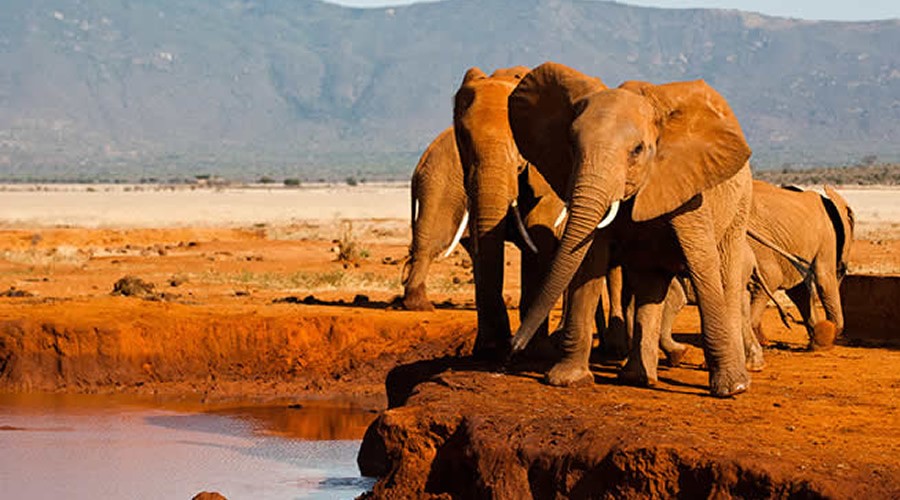
There’s a moment when the morning sun hits the plains of Tsavo and the land begins to glow — red soil shimmering beneath herds of elephants that look as though they’ve been sculpted from the earth itself. These are the red elephants of Tsavo, nature’s most magnificent giants and a living symbol of Kenya’s wild soul.
In few places on earth is the bond between land and wildlife so vivid. Here, elephants are not just animals. They are storytellers, guardians, and living legends.
With Woodsly Adventures and their exclusive Tsavo National Park Adventure, travelers can witness these crimson giants up close — walking the same paths that have shaped Kenya’s natural heritage for generations.
Table of Contents
-
What Makes Tsavo’s Elephants Red
-
The History Behind the Legend
-
A Day in the Life of Tsavo’s Giants
-
Where to See Them
-
Behavior and Social Life
-
The Importance of Elephants to Tsavo’s Ecosystem
-
Conservation Challenges and Successes
-
How Woodsly Adventures Promotes Responsible Encounters
-
The Connection Between Tsavo and Amboseli
-
Photography Tips for Capturing Red Elephants
-
When to Visit for the Best Elephant Sightings
-
From Savannah to Sea – Combining Tsavo with Kenya’s Coast
-
Final Thoughts – The Red Spirit of Africa
1. What Makes Tsavo’s Elephants Red
The secret behind the famous red elephants isn’t their skin — it’s the land.
Tsavo’s soil is rich in iron oxide, giving it a distinctive deep red color. Elephants, known for dusting themselves after bathing, coat their skin in this vibrant soil to protect against insects and the harsh sun. The result is breathtaking: enormous creatures that appear to rise from the earth itself, glowing in shades of copper and crimson.
It’s a living fusion of animal and landscape — one that defines Tsavo’s visual identity and mystique.
2. The History Behind the Legend
Tsavo’s elephants have played a central role in Kenya’s conservation story. Once targeted by poachers for their ivory, they faced devastating losses in the 1970s and 1980s.
But through strict protection, dedicated rangers, and community partnerships, their numbers have rebounded. Today, Tsavo is home to one of Kenya’s largest elephant populations, estimated at over 12,000 individuals across Tsavo East and Tsavo West.
Their resilience mirrors the resilience of Tsavo itself — untamed, proud, and enduring.
3. A Day in the Life of Tsavo’s Giants
At dawn, herds emerge from the bush to drink from waterholes, their reflections painted in red and gold. Calves play in the dust while older matriarchs lead the way, their deep footprints marking the rhythm of the plains.
During the heat of the day, they rest under acacia shade or cool off in the Galana River. By evening, they move again — graceful, deliberate, and wise.
Every moment spent watching them feels ancient, as though the land itself is breathing through them.
4. Where to See Them
Tsavo East National Park offers the most iconic red elephant experiences. Wide open landscapes and easy visibility make it ideal for photography and observation.
Top spots include:
-
Aruba Dam: A gathering point for elephants, especially during dry seasons.
-
Galana River: Perfect for watching herds drink and bathe at sunset.
-
Mudanda Rock: Offers panoramic views of elephants below.
Tsavo West complements the experience with lush backdrops, rolling hills, and quieter sightings around Mzima Springs.
Woodsly Adventures arranges perfectly timed routes that balance viewing, photography, and privacy.
5. Behavior and Social Life
Elephants are among the most intelligent and emotional creatures on Earth. In Tsavo, their behavior is a window into social complexity and memory.
Herds are led by matriarchs — older females who guide with wisdom passed through generations. They communicate through low-frequency rumbles, trunk touches, and body language.
Calves stay close to mothers and aunts, learning the ways of the savannah. Watching them play in the dust — red against red — is one of Tsavo’s most heartwarming sights.
These herds move with purpose and grace, reflecting the rhythm of survival and connection that defines Africa’s wild heart.
6. The Importance of Elephants to Tsavo’s Ecosystem
Tsavo’s elephants are not just residents — they’re ecosystem engineers.
By uprooting trees, creating pathways, and digging waterholes, they shape the landscape for countless other species. Their movements disperse seeds and rejuvenate vegetation, maintaining the delicate balance of life in Kenya’s largest protected area.
Without elephants, Tsavo’s wilderness would not be what it is today — thriving, dynamic, and ever-changing.
7. Conservation Challenges and Successes
Despite progress, challenges remain. Human-wildlife conflict and climate change threaten elephant habitats. Droughts reduce water sources, forcing herds closer to human settlements.
However, projects supported by Kenya Wildlife Service and eco-conscious partners like Woodsly Adventures are turning the tide. Anti-poaching units, elephant corridors, and community awareness programs have all contributed to a steady recovery.
Every safari booked with Woodsly Adventures indirectly supports these efforts — turning travel into a force for good.
8. How Woodsly Adventures Promotes Responsible Encounters
At Woodsly Adventures, every elephant encounter is guided by ethics. Guests maintain safe distances, vehicles follow quiet routes, and guides share insight into elephant behavior and conservation.
It’s not about ticking off a sighting — it’s about understanding the story behind it.
Each trip emphasizes respect, education, and sustainability. By traveling this way, guests become part of Tsavo’s protection — not just its audience.
9. The Connection Between Tsavo and Amboseli
Tsavo’s elephants are not confined by park borders. Many migrate between Tsavo and Amboseli National Park, following ancient corridors in search of water and fresh grazing lands.
This movement is vital to their survival — and it connects Kenya’s two great elephant strongholds. Amboseli’s famous elephants with Mount Kilimanjaro as their backdrop often share lineage with Tsavo’s red herds.
Together, they form a living network of endurance and adaptation — a story that spans generations.
10. Photography Tips for Capturing Red Elephants
Photographing Tsavo’s elephants requires both patience and timing.
Best practices include:
-
Golden hours: Shoot early morning or late afternoon for soft, warm tones.
-
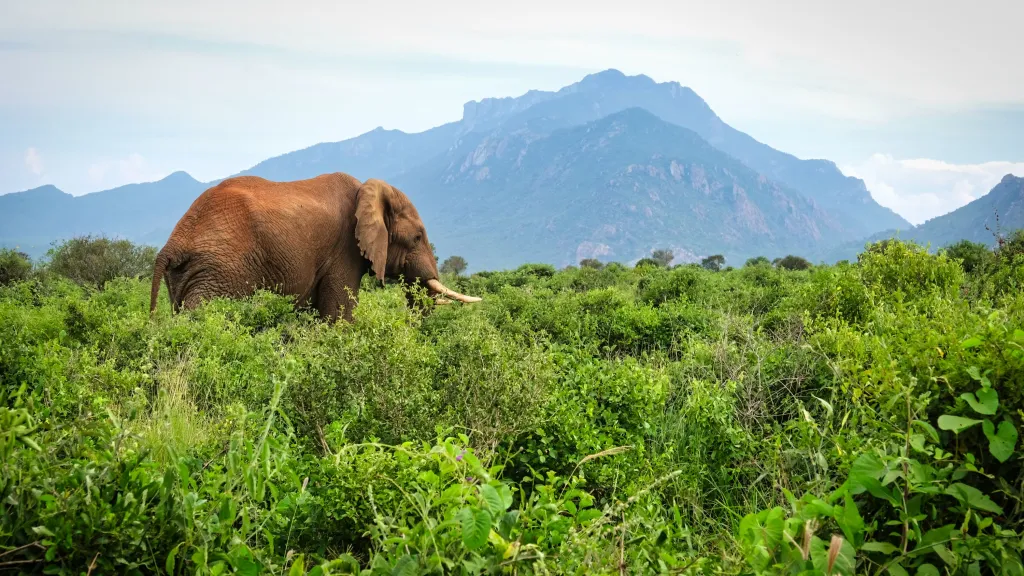
Contrast: Use the red dust and green vegetation for dynamic compositions.
-
Perspective: Capture herds from low angles to highlight scale.
-
Behavior: Wait for interaction — dust baths, trunk play, or river crossings make unforgettable shots.
Every click tells a story — one that glows as vividly as the elephants themselves.
11. When to Visit for the Best Elephant Sightings
June to October (dry season) is ideal for predictable sightings around waterholes and open plains.
January to March offers clear skies and dramatic light for photography.
During the wet seasons, the park transforms into lush green — elephants are more dispersed, but the scenery is breathtaking.
Woodsly Adventures designs each itinerary to match your goals — whether it’s photography, family travel, or pure wonder.
12. From Savannah to Sea – Combining Tsavo with Kenya’s Coast
For travelers seeking contrast, pair your Tsavo adventure with Kenya’s coastal magic.
-
Mombasa Beach Retreat: Relax by turquoise waters after your safari.
-
Wasini Island Marine Park Excursion: Snorkel among dolphins and coral reefs.
This “safari-and-sea” combination is one of Woodsly Adventures’ most loved itineraries — merging wildlife, relaxation, and romance into one unforgettable journey.
13. Final Thoughts – The Red Spirit of Africa
To see Tsavo’s red elephants is to witness Africa’s soul in motion. They move with grace, strength, and memory — ancient yet timeless, wild yet wise.
Their color is more than pigment; it’s identity. A symbol of resilience born from the earth itself.
Traveling with Woodsly Adventures brings you closer to these magnificent giants in the most meaningful way — ethically, responsibly, and with heart.
Book your Tsavo National Park Adventure today and stand where red dust meets golden light, where giants walk, and where Africa tells its truest story.