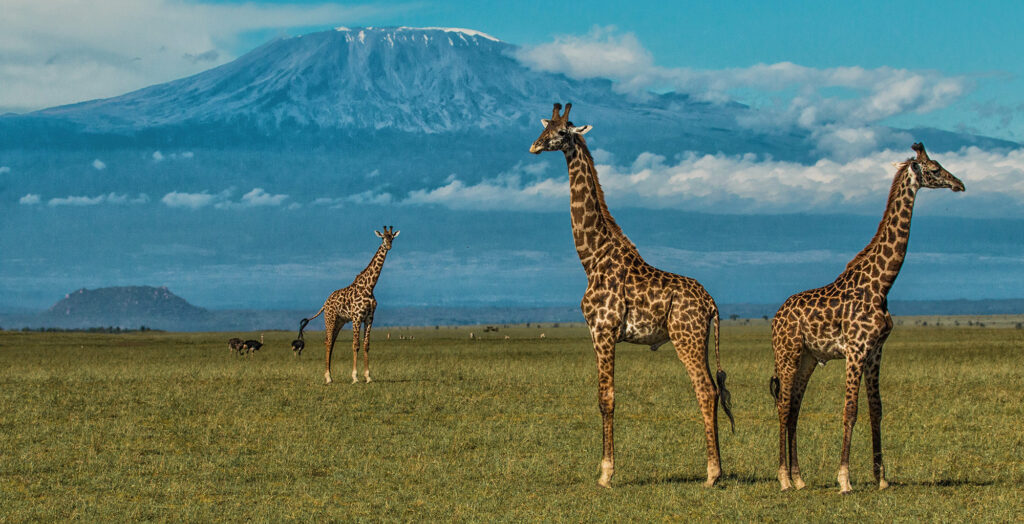
At first glance, Amboseli National Park appears as a wide and dry plain — a land of dust, golden grass, and endless sky. But look closer, and you’ll discover a secret world hidden beneath the surface.
Here, under the watchful gaze of Mount Kilimanjaro, lie the marshlands of Amboseli — shimmering, green oases that sustain life through Kenya’s toughest seasons.
These wetlands are the park’s lifeblood. They are where elephants bathe, buffalo graze, hippos wallow, and flocks of birds gather in a dazzling display of motion and sound. In a landscape defined by contrasts, the marshes represent balance — water meeting earth, survival meeting serenity.
Through Woodsly Adventures, you can explore these hidden worlds up close, discovering how the rhythm of water sustains every living thing in Amboseli.
Table of Contents
-
The Source of Life – Kilimanjaro’s Hidden Waters
-
The Formation of Amboseli’s Marshlands
-
Wildlife in the Wetlands – Elephants, Hippos, and More
-
Birds of the Marshes – A Paradise for Ornithologists
-
The Role of the Marshes in Amboseli’s Ecosystem
-
Seasonal Shifts – When Water Shapes the Savannah
-
The Human Connection – Maasai and the Marshlands
-
Experiencing the Marshes with Woodsly Adventures
-
Beyond Amboseli – Linking Ecosystems Across Kenya
-
Conclusion – The Soul of Amboseli Beneath the Surface
1. The Source of Life – Kilimanjaro’s Hidden Waters
Amboseli’s marshlands exist because of a secret connection to Mount Kilimanjaro.
Though the mountain sits across the border in Tanzania, its melting glaciers and rainfall seep underground through ancient lava channels. These hidden aquifers emerge in Amboseli as natural springs, forming the park’s lush wetlands.
Even when the plains above turn dry and dusty, the marshes continue to flow — fed by the heartbeat of Kilimanjaro itself. This constant source of water makes Amboseli one of the few places in East Africa where wildlife can thrive year-round, regardless of drought.
When you stand beside the shimmering Enkongo Narok or Ol Tukai swamp and see elephants wading chest-deep in green reeds, you’re witnessing the miracle of a mountain’s generosity.
2. The Formation of Amboseli’s Marshlands
The story of Amboseli’s marshes is written in water and time. Thousands of years ago, volcanic eruptions from Kilimanjaro and nearby Mount Meru shaped the land, creating shallow basins that trapped water from underground streams.
Over centuries, these basins became the Enkongo Narok, Longinye, and Ol Tukai marshes that dominate Amboseli today. Unlike seasonal wetlands that appear only after rains, these remain permanent, serving as reservoirs for both wildlife and people.
Their boundaries shift slightly with rainfall, expanding during the green season and contracting during dry months — but they never disappear. The marshes are the lungs of Amboseli, breathing life into a landscape that might otherwise turn silent.
Through Woodsly Adventures, visitors can explore these marshes safely with expert guides who understand their seasonal rhythms and ecological significance.
3. Wildlife in the Wetlands – Elephants, Hippos, and More
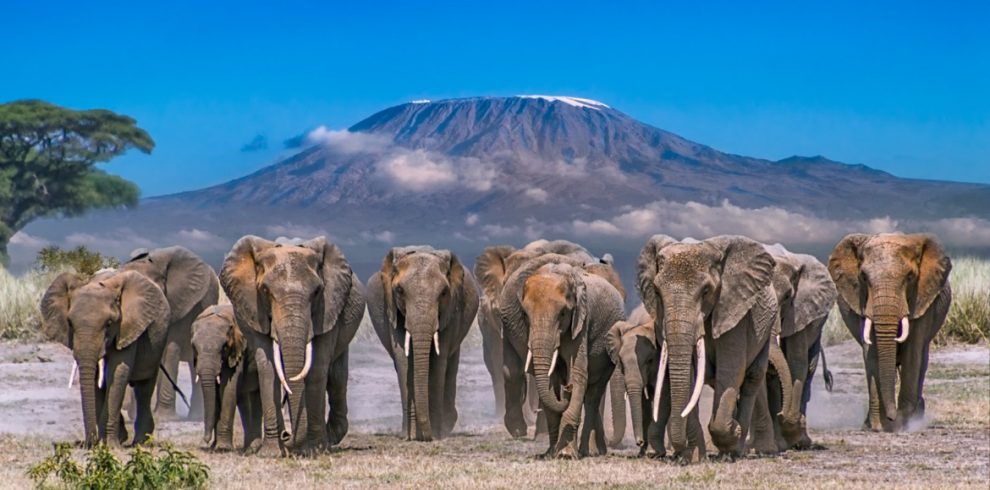
If the marshes are Amboseli’s heart, its elephants are the pulse.
These wetlands attract herds from all directions, offering both water and food. Watching elephants wade slowly through the reeds, their reflections rippling across the surface, is one of Africa’s most iconic safari moments. Calves play in the shallows while mothers bathe and drink — a sight that captures the park’s essence of grace and strength.
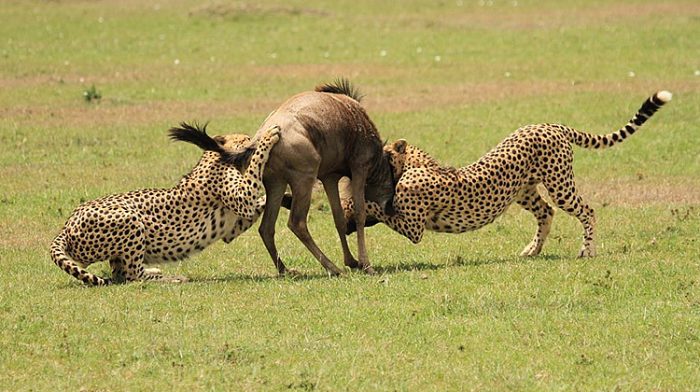
Hippos also call these marshes home, emerging at dusk to graze and submerging by day to stay cool. Buffalos often join them, wallowing in mud to protect their skin from the sun. Antelopes such as waterbuck, gazelles, and impalas graze along the edges, while predators lurk nearby, waiting for opportunity.
Every visit to the wetlands feels like entering a living stage — where survival, beauty, and instinct play out under the silent watch of Kilimanjaro.
Woodsly Adventures’ Amboseli Elephant Safari offers travelers the chance to observe these scenes up close, guided by experts who interpret animal behavior and the delicate balance that sustains it.
4. Birds of the Marshes – A Paradise for Ornithologists
Few places in Kenya rival Amboseli’s wetlands for birdlife. Over 400 bird species have been recorded here, with the marshes acting as a magnet for both resident and migratory species.
During the green season, the air comes alive with motion — herons, egrets, storks, pelicans, and ibis gather in vast numbers. Flamingos sometimes color the waters pink, while fish eagles perch above, scanning for prey.
Smaller species such as kingfishers, bee-eaters, and weavers add flashes of color to the reeds, while African jacanas walk gracefully across floating lilies, their long toes barely breaking the surface.
For photographers, the play of light and reflection turns every frame into art. For birdwatchers, it’s an unending symphony of sound and color.
With Woodsly Adventures, guests can enjoy dedicated birding excursions, combining Amboseli’s marshes with other avian hotspots like Tsavo National Park and the coastal ecosystems near Wasini Island Marine Park.
5. The Role of the Marshes in Amboseli’s Ecosystem
The wetlands are not just beautiful; they are vital.
They act as natural water filters, purifying runoff and recharging underground aquifers. They stabilize temperatures, prevent soil erosion, and support the food web that sustains Amboseli’s wildlife.
Without them, elephants would migrate farther in search of water, bird populations would collapse, and the delicate balance between predator and prey would unravel.
Researchers have long recognized Amboseli as a model for wetland ecology in semi-arid regions. The marshes illustrate how interconnected ecosystems can adapt — feeding, sheltering, and protecting thousands of species, even in times of climate stress.
Woodsly Adventures safaris often include interpretive sessions where guides explain these ecological dynamics, helping travelers appreciate Amboseli not just as a destination, but as a living system of resilience.
6. Seasonal Shifts – When Water Shapes the Savannah
Amboseli’s wetlands never fully dry, but their size and character change with the seasons.
During the dry months (June to October), the surrounding plains turn golden, and wildlife concentrates around the marshes. It’s an excellent time for game viewing and photography — elephants framed by dusty sunsets, lions resting near the water’s edge, and herds moving in slow rhythm toward the last pools.
When the rains return (November to May), the marshes expand, and the entire park bursts into green. Waterbirds multiply, and new life appears — calves, foals, chicks, and fledglings.
These seasonal transformations give Amboseli its enduring appeal. Every visit tells a different story, and through Woodsly Adventures, travelers can choose the season that matches their photographic or experiential goals.
7. The Human Connection – Maasai and the Marshlands
Long before Amboseli became a national park, the Maasai people lived alongside its marshes. For centuries, they have depended on these wetlands for their cattle, timing their movements to the rhythm of water and grass.
To the Maasai, the marshes are sacred — symbols of life and coexistence. They have developed traditions and grazing patterns that preserve the land’s balance, ensuring that wildlife and livestock can share space peacefully.
Visitors traveling with Woodsly Adventures have the opportunity to visit Maasai villages and learn how this ancient relationship continues today. Through cultural exchanges, songs, and storytelling, guests gain insight into how human culture and nature sustain each other in harmony.
8. Experiencing the Marshes with Woodsly Adventures
Exploring Amboseli’s marshlands with Woodsly Adventures is more than a sightseeing experience — it’s an immersion into Africa’s living ecology.
Guided game drives take you deep into the wetlands’ heart, where elephants splash and hippos rise silently from the water. Early morning excursions reveal the park bathed in mist, while evening drives capture the glowing reflection of Kilimanjaro in the pools.
For photographers, this is a paradise of texture and contrast. For families, it’s a living classroom. And for conservation-minded travelers, it’s an opportunity to understand the connection between water, wildlife, and survival.
Woodsly Adventures’ guides are not just drivers — they are storytellers, naturalists, and guardians of Amboseli’s legacy. Each moment spent by the marshes becomes a lesson in wonder and respect.
9. Beyond Amboseli – Linking Ecosystems Across Kenya
Amboseli’s marshlands are part of a larger ecological network that stretches across southern Kenya and northern Tanzania.
Through Woodsly Adventures, travelers can trace this connection by visiting other regions shaped by water — from the rugged Tsavo National Park Adventure to the pristine marine ecosystems of Wasini Island Marine Park.
Each destination tells a different version of the same story — how water defines life in Kenya. Whether it’s elephants drinking beneath Kilimanjaro or dolphins gliding through coral lagoons, the theme remains the same: renewal, balance, and connection.
10. Conclusion – The Soul of Amboseli Beneath the Surface
In Amboseli, water is both visible and invisible — seen in the shimmering marshes, felt in the cool air rising from the grass, and carried underground from distant Kilimanjaro.
To walk along the wetlands is to witness the essence of life itself — the quiet collaboration between mountain, plain, and creature. It’s a reminder that beauty often hides beneath the surface, waiting for those who take time to look deeper.
When you travel with Woodsly Adventures, you don’t just visit Amboseli; you experience its heart — the pulse of its marshes, the silence of its waters, and the life that thrives where earth and sky meet.
Book your Amboseli Elephant Safari today and discover the hidden oases beneath Kilimanjaro — where every ripple tells a story of resilience, beauty, and harmony.