Long before Amboseli became one of Kenya’s most famous national parks, it was already home to the Maasai people — proud pastoralists whose lives have always been intertwined with the rhythm of the land. Their red shukas (robes) stand out against the golden savannah, their songs rise and fall with the wind, and their traditions breathe life into the wilderness that surrounds Mount Kilimanjaro.
To visit Amboseli is to witness not only the wonders of wildlife but also the living heritage of a people who have coexisted with nature for centuries. This relationship — between community, culture, and conservation — lies at the very heart of Amboseli’s identity.
Through Woodsly Adventures, travelers have the opportunity to experience this connection authentically. It’s more than a cultural visit; it’s a journey into the values and wisdom that have protected Amboseli’s wildlife long before the word “conservation” existed.
Table of Contents
-
Who Are the Maasai?
-
A Shared Land – People and Wildlife in Harmony
-
Traditional Wisdom and Modern Conservation
-
Visiting a Maasai Village – More Than a Tour
-
Cultural Exchange and Respectful Travel
-
The Role of Woodsly Adventures in Empowering Communities
-
How Tourism Supports Maasai Conservation Efforts
-
Beyond Amboseli – The Maasai Legacy Across Kenya
-
The Power of Storytelling and Education
-
Conclusion – Walking Together Toward a Sustainable Future
1. Who Are the Maasai?
The Maasai are one of East Africa’s most iconic and enduring communities. Known for their distinct dress, semi-nomadic lifestyle, and deep connection to cattle, the Maasai have lived across southern Kenya and northern Tanzania for hundreds of years.
In Maasai culture, cattle are not just livestock — they represent wealth, community, and spiritual connection. The Maasai believe they were divinely chosen as the custodians of cattle and, by extension, of the land that sustains them.
Despite modernization, the Maasai have held onto many of their customs, adapting thoughtfully rather than abandoning tradition. This balance between heritage and progress makes their culture not only fascinating to witness but deeply instructive in today’s world of rapid change.
2. A Shared Land – People and Wildlife in Harmony
Few places on earth demonstrate coexistence as powerfully as Amboseli. For generations, the Maasai and wildlife have shared this landscape — both depending on its fragile ecosystem of swamps, grasslands, and acacia forests.
Maasai herders lead their cattle to graze along the same paths where elephants roam and zebras drink. This daily interaction has taught the Maasai how to live with wildlife rather than against it.
Their knowledge of animal behavior is extraordinary. They can read the land like a story — identifying where lions passed during the night, or where elephants will drink next. Their traditional boundaries, grazing patterns, and respect for nature have helped preserve Amboseli’s balance even before formal conservation laws were written.
In many ways, the survival of Amboseli’s ecosystem is not just the result of conservation policy, but the continuation of Maasai stewardship.
3. Traditional Wisdom and Modern Conservation
Modern conservation often turns to science and technology for solutions — but the Maasai remind us that ancient wisdom is just as vital.
For centuries, they have practiced a form of sustainable land management guided by seasons, migration patterns, and respect for natural cycles. Their herding practices prevent overgrazing, and their rotational use of water sources ensures that nature replenishes itself.
Today, this indigenous knowledge has become a cornerstone of Kenya’s community-based conservation efforts. Projects across Amboseli integrate Maasai leadership into decision-making, recognizing that no one understands the land better than those who’ve lived on it for generations.
Woodsly Adventures supports this model by partnering with Maasai-run conservancies, ensuring that tourism benefits local people while protecting wildlife.
When you travel with Woodsly Adventures, you’re not just visiting Amboseli — you’re supporting the wisdom that keeps it alive.
4. Visiting a Maasai Village – More Than a Tour
One of the highlights of any Amboseli journey is visiting a traditional Maasai village. But when done respectfully, this is far more than a sightseeing stop — it’s a cultural exchange grounded in dignity and understanding.
Guests are welcomed with the traditional adumu, or jumping dance, where warriors leap high into the air in rhythm with chants and drums. Women sing songs of joy and pride, their beadwork glinting in the sunlight.
Inside the enkang (village), you’ll see the Maasai’s unique homes, called manyattas, built from mud, sticks, and cow dung — designed to stay cool in the heat and warm at night.
As you listen to stories of daily life, you begin to see the parallels between human endurance and the resilience of the wild. The Maasai way of life isn’t about isolation — it’s about balance, community, and respect for nature’s limits.
For many travelers, this encounter becomes one of the most meaningful parts of their safari.
5. Cultural Exchange and Respectful Travel
Cultural visits should never feel staged or intrusive. Woodsly Adventures ensures that every interaction with the Maasai is guided by mutual respect.
Visitors are encouraged to ask questions, participate in beadwork demonstrations, or learn how the Maasai track animals and use local plants for medicine. But they are also reminded to observe and listen — to treat this experience as a privilege, not entertainment.
Photography is welcomed in most villages, but always with permission. Guests are asked to buy crafts directly from the artisans, ensuring fair income goes to families rather than intermediaries.
This approach transforms tourism into something ethical and empowering — a true cultural exchange that celebrates identity rather than commodifying it.
6. The Role of Woodsly Adventures in Empowering Communities
Woodsly Adventures has long understood that the future of Kenyan tourism depends on empowering the people who live closest to the land.
Their safaris are designed to include genuine cultural experiences that create income for local families and strengthen conservation partnerships. By working directly with Maasai-run conservancies and employing local guides, Woodsly Adventures ensures that tourism dollars flow where they matter most — into education, healthcare, and environmental protection.
These relationships are built on trust and long-term collaboration. The company’s approach isn’t about brief visits — it’s about building sustainable systems that allow both culture and wildlife to thrive together.
When you book an Amboseli Elephant Safari or any Kenya tour through Woodsly Adventures, you’re helping preserve this delicate balance.
7. How Tourism Supports Maasai Conservation Efforts
Tourism can be a powerful force for good — when done responsibly.
In Amboseli, entrance fees, lodge partnerships, and guided visits contribute to community-led conservation initiatives. These programs fund anti-poaching patrols, wildlife corridors, and education for Maasai youth interested in becoming rangers or conservation scientists.
Some conservancies even use part of their revenue to help herders access veterinary care for livestock, reducing conflict between wildlife and cattle. Others invest in water conservation and reforestation — ensuring that Amboseli remains a vibrant ecosystem for generations to come.
Woodsly Adventures aligns itself with these projects, prioritizing tours that have measurable community impact. This way, every traveler becomes part of Amboseli’s story — a story of cooperation, coexistence, and shared future.
8. Beyond Amboseli – The Maasai Legacy Across Kenya
While Amboseli is one of the Maasai’s most visible homelands, their influence stretches across Kenya’s southern plains and into the Masai Mara Safari region.
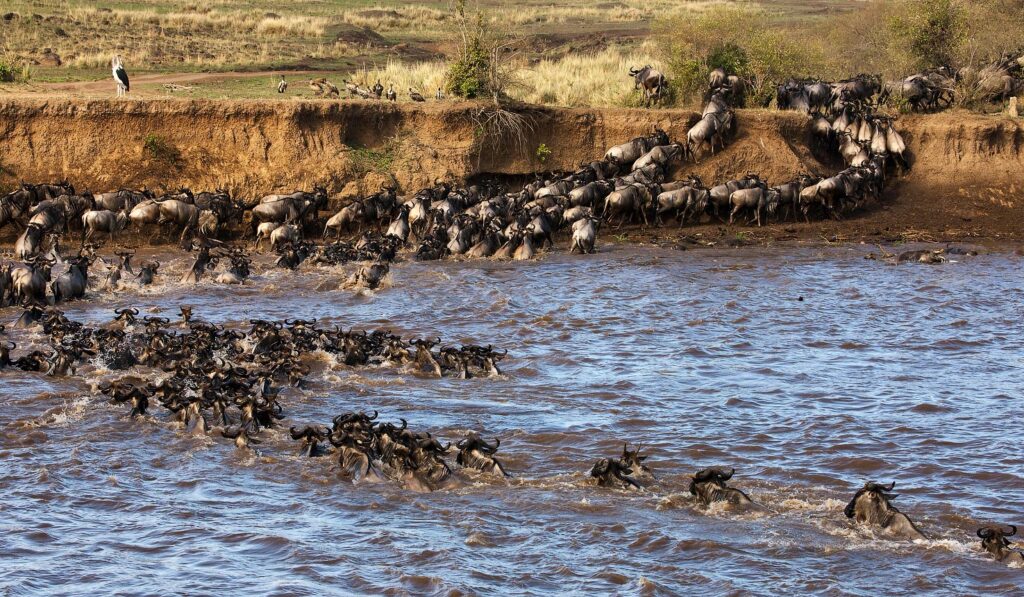
In the Mara, Maasai conservancies protect migration routes for wildebeests and lions. In Tsavo National Park, Maasai communities assist in monitoring elephant movements and reducing human-wildlife conflict.
Woodsly Adventures connects these landscapes through integrated itineraries — allowing travelers to witness how the Maasai way of life and conservation philosophy echo from one region to another.
After days on safari, many visitors end their journey with a Mombasa Beach Retreat or Wasini Island Marine Park Excursion — reflecting on how the same spirit of community and care extends from the savannah to the sea.
9. The Power of Storytelling and Education
Perhaps the most lasting contribution of the Maasai to conservation is storytelling.
Their oral traditions, passed from elders to children, teach lessons about stewardship and respect for life. These stories form the foundation of conservation ethics that the modern world is only now rediscovering.
Woodsly Adventures incorporates this into its safaris through guided storytelling evenings — where travelers sit around a fire listening to Maasai elders share their history, beliefs, and dreams for the future.
It’s a reminder that conservation is not just about protecting animals — it’s about protecting wisdom.
10. Conclusion – Walking Together Toward a Sustainable Future
The Maasai and Amboseli are inseparable. Their culture, their knowledge, and their resilience form the soul of this landscape.
To walk beside them, even for a short time, is to understand what true harmony with nature feels like — not domination, but coexistence.
With Woodsly Adventures, you become part of that harmony. You travel with purpose, knowing your journey supports the people who have cared for this land since time immemorial.
When you leave Amboseli, you’ll carry more than photographs. You’ll carry understanding — of what it means to live with respect, balance, and connection.
Book your Amboseli Elephant Safari today with Woodsly Adventures and discover the deeper heart of Kenya — where culture and conservation walk hand in hand beneath Kilimanjaro’s timeless gaze.