Most travelers picture Amboseli as an endless expanse of golden grasslands, dotted with elephants and framed by the towering presence of Mount Kilimanjaro. But within this vast savannah lies a secret world — a green, breathing heart that sustains everything around it.
These are the wetlands of Amboseli.
Fed by the melting snow from Kilimanjaro’s distant glaciers, these swamps and marshes transform the park into an oasis even during the driest months. Beneath the shimmering surface of the water lies a story of survival, balance, and quiet resilience.
Through Woodsly Adventures, travelers can uncover this hidden side of Amboseli — where elephants wade knee-deep through reeds, hippos surface with gentle grunts, and flocks of birds turn the sky into a living canvas.
The wetlands aren’t just water. They are the soul of Amboseli.
Table of Contents
-
The Origins of Amboseli’s Wetlands
-
The Lifeblood of the Savannah – Kilimanjaro’s Underground Rivers
-
Elephants and the Wetlands – Giants of the Marsh
-
Birdlife Beyond Imagination – A Haven for Ornithologists
-
The Role of Wetlands in Amboseli’s Ecosystem
-
Seasonal Transformations – From Dry Plains to Living Water
-
Exploring the Wetlands with Woodsly Adventures
-
Photography and Reflection – Capturing Life Below the Surface
-
Balancing Conservation and Tourism
-
Conclusion – The Living Heart of Amboseli
1. The Origins of Amboseli’s Wetlands
Amboseli National Park is known for its dramatic contrasts — arid salt plains on one hand and lush swamps on the other. This unique balance exists because of what lies beneath the surface.
Though Amboseli receives little rainfall annually, it thrives thanks to underground streams flowing from Mount Kilimanjaro. These streams emerge as freshwater springs within the park, forming the Enkongo Narok and Ol Tukai swamps — lifelines that never dry up, even in Kenya’s harshest droughts.
The Maasai people, who have lived here for centuries, call Amboseli “Empusal,” meaning “salty, dusty place.” Yet, they’ve always known its secret: beneath the salt and dust lies water — invisible, steady, and sacred.
2. The Lifeblood of the Savannah – Kilimanjaro’s Underground Rivers
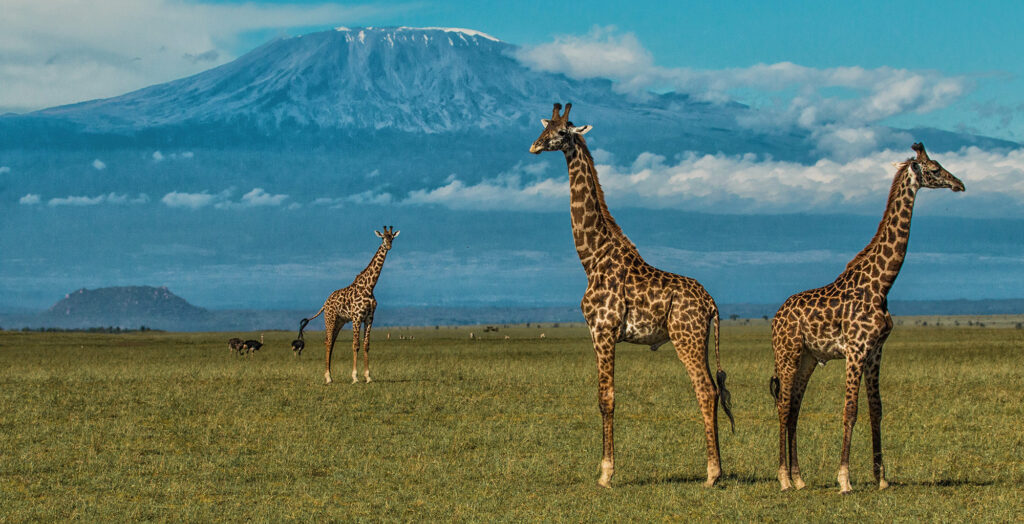
Mount Kilimanjaro stands nearly 6,000 meters high, its snowy crown visible from across Amboseli. But few realize how deeply the mountain and the park are connected.
When Kilimanjaro’s glaciers melt, the water seeps deep into the volcanic rock. From there, it travels underground for many kilometers before emerging as natural springs in Amboseli. These springs feed the park’s wetlands, ensuring that water flows year-round.
The result is a landscape that defies its environment — a semi-arid park that supports one of Africa’s densest populations of large mammals.
Woodsly Adventures guides often explain this hidden hydrology during safaris, helping travelers appreciate the unseen forces that make Amboseli so extraordinary. This is not just a park; it’s a masterpiece of nature’s engineering.
3. Elephants and the Wetlands – Giants of the Marsh
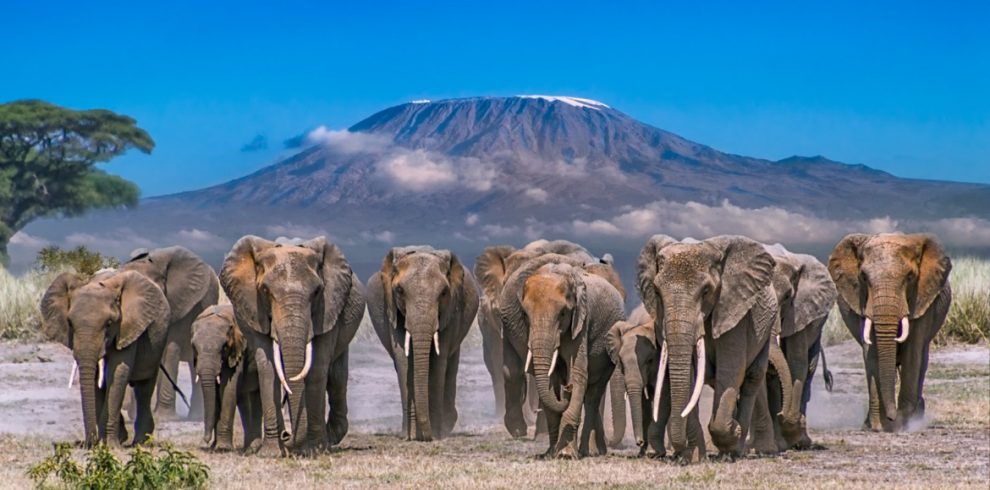
If there is one creature that defines Amboseli, it’s the elephant. Families of these gentle giants spend their days grazing on the green edges of the wetlands, cooling themselves in the shallow pools, and covering their backs in glistening mud.
The water and vegetation here provide a crucial refuge for elephants, especially during Kenya’s long dry seasons. Amboseli’s elephants are among the largest and most studied in Africa, with some families tracing their lineage across generations.
Watching them from a respectful distance is mesmerizing. Mothers lead their calves into the water, flapping their ears as they bathe. Bulls stand still, half-submerged, their reflections rippling in the mirrored surface.
With Woodsly Adventures’ Amboseli Elephant Safari, you can witness this daily ritual up close — safely and ethically. It’s a reminder that beneath every elephant’s footprint lies the lifeblood of the land.
4. Birdlife Beyond Imagination – A Haven for Ornithologists
Amboseli’s wetlands are not just for mammals; they’re a paradise for birds. More than 400 species have been recorded here, making it one of Kenya’s richest birdwatching destinations.
Flocks of pelicans glide gracefully over the pools. Crowned cranes wade elegantly through reeds, while bright pink flamingos add color to the shimmering water. Herons, egrets, and African jacanas move in slow rhythm — each species contributing to the park’s living orchestra.
For photographers and bird lovers, dawn and dusk are golden hours. The light dances across the water, and every wingbeat leaves a reflection.
Woodsly Adventures offers guided birding safaris that bring this hidden world to life. With expert naturalists who know each call and migration pattern, guests learn to see Amboseli not just as a park, but as a delicate symphony of interconnected lives.
5. The Role of Wetlands in Amboseli’s Ecosystem
The wetlands are more than a beautiful sight — they are the foundation of Amboseli’s survival.
They regulate temperature, filter water, and provide food for countless species. Hippos graze at night and rest in the cool shallows by day. Buffalo, gazelles, and zebras gather to drink. Even predators like lions and hyenas rely on the life the wetlands attract.
Without these marshes, Amboseli would be a desert. But because of them, it’s one of the most biologically rich parks in East Africa.
Woodsly Adventures’ guides often refer to the wetlands as “Amboseli’s heartbeat.” They explain how elephants open new channels that refresh water flow, how reeds purify the soil, and how every living thing — from a dragonfly to a buffalo — depends on the same fragile balance.
6. Seasonal Transformations – From Dry Plains to Living Water
Amboseli is a park of changing moods. During the dry season, dust swirls across the plains, and animals converge on the wetlands like pilgrims seeking salvation. But when the rains return, everything transforms.
Grasslands burst into life, and the marshes spread wider, attracting even more wildlife. The air fills with birdsong and the smell of fresh earth. For photographers, this is Amboseli at its most vibrant — a shifting palette of greens, blues, and golds.
Through Woodsly Adventures, travelers can experience Amboseli in different seasons. Whether you visit during the dry months for concentrated wildlife viewing or in the green season for lush landscapes, the wetlands remain the park’s living center — constant, reliable, and endlessly alive.
7. Exploring the Wetlands with Woodsly Adventures
A safari through Amboseli’s wetlands is unlike any other. The experience is calm, intimate, and deeply immersive.
Woodsly Adventures’ guided safaris follow eco-sensitive routes that bring guests close to the water’s edge without disturbing the animals. You might watch elephants drinking under the reflection of Kilimanjaro or spot a fish eagle diving from the sky.
Some safaris include short nature walks near designated areas, where you can see footprints of hippos, hear frogs croak from hidden corners, and feel the cool breeze drifting over the water.
The goal isn’t speed; it’s presence. To move slowly, observe deeply, and let Amboseli reveal itself one ripple at a time.
8. Photography and Reflection – Capturing Life Below the Surface
For photographers, Amboseli’s wetlands are a dream. The mirrored surfaces, changing light, and abundance of wildlife create endless possibilities for creativity.
Mornings offer the best reflections — when the sky is calm and the mountain stands clear in the distance. As the sun rises, the water turns to gold, framing elephants, buffalo, and birds in perfect symmetry.
Evenings bring softer tones. The air cools, herds gather once more, and the mountain glows pink in the distance. For those who love storytelling through photography, this is Africa’s poetry in motion.
Woodsly Adventures ensures that guests reach the best vantage points, whether by vehicle or on guided nature sessions. The company’s philosophy is simple — to help travelers not just capture images, but feel the moment behind them.
9. Balancing Conservation and Tourism
Amboseli’s wetlands are fragile. Climate change, water use, and population growth threaten their balance. That’s why sustainable tourism is not just a goal — it’s a responsibility.
Woodsly Adventures is committed to responsible safaris that protect Amboseli’s natural systems. The company partners with conservation groups and local Maasai communities to ensure tourism supports preservation rather than harm.
Each visit contributes to wildlife monitoring, anti-poaching initiatives, and water conservation efforts. Guests are also encouraged to travel mindfully — using eco-friendly camps, respecting animal space, and learning from local guides.
By choosing Woodsly Adventures, you become part of this cycle of protection — ensuring Amboseli’s wetlands continue to thrive for generations.
10. Conclusion – The Living Heart of Amboseli
The wetlands of Amboseli are more than a landscape — they are a miracle of connection. They hold together water, life, and history in perfect harmony.
Every elephant that wades through the reeds, every bird that takes flight, and every traveler who pauses in awe becomes part of the same story — the story of survival beneath the African sun.
When you stand at the edge of the swamp, the air still and shimmering, you can feel the heartbeat of Amboseli beneath your feet. It’s ancient, eternal, and alive.
With Woodsly Adventures, you can explore this hidden paradise safely, ethically, and meaningfully. Their expert guides reveal not just what you see, but what lies beneath — the unseen world that keeps Amboseli alive.
Book your Amboseli Elephant Safari today and experience the wetlands that sustain the soul of Africa. Because true adventure is not just about where you go, but what you understand along the way.