Masai Mara, an expansive game reserve in Kenya, is renowned for its diverse wildlife and breathtaking landscapes. This guide provides photographers with practical tips and insights for capturing stunning images of the Big Five and the Great Migration. Discover how to navigate challenges like lighting and animal behavior to create captivating photographs.
Understanding the Masai Mara Ecosystem
Understanding the Masai Mara National Park Ecosystem: The Masai Mara is a crucial piece of the larger Mara-Serengeti ecosystem, offering a mosaic of open grasslands, riverine forests, and acacia woodlands. Learn about the diverse habitats, climatic conditions, and seasonal variations that influence wildlife patterns. Understanding these elements is fundamental in predicting animal behavior and deciding the best locations and times for photography.
Essential Camera Gear for Wildlife Photography
Building on the understanding of the Masai Mara National Park ecosystem, which hosts a rich tapestry of habitats and wildlife patterns, photographers must equip themselves with the right camera gear to encapsulate the essence of this majestic landscape. The allure of Masai Mara’s wildlife is best captured through the lens of a camera well-suited for the nuances of outdoor and animal photography. Essential gear includes a telephoto lens, which is quintessential for wildlife photography, allowing photographers to zoom in on distant subjects and capture detailed shots without intruding on the animals’ natural behaviors.
A sturdy tripod is another indispensable piece of equipment. It guarantees stability, which is crucial for achieving sharp images, especially in the low-light conditions of dawn and dusk which offer the most dramatic lighting. The use of a tripod becomes even more critical when handling heavy lenses, often required for wildlife photography, as it aids in managing the weight and minimizing camera shake.
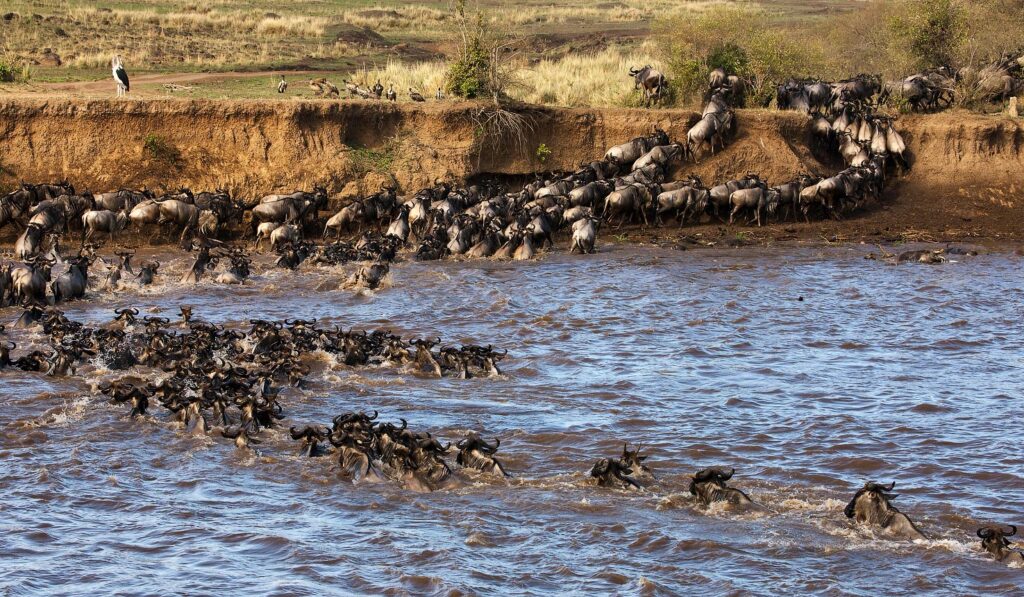
Cameras with a high frame rate are highly recommended for wildlife photography in the Mara. The ability to shoot multiple frames per second increases the chance of capturing fleeting moments, such as the dynamic expressions of animals or the action-packed scenes of the Great Migration.
Moreover, filters can play a pivotal role in overcoming challenging lighting scenarios, enhancing colors, and protecting lens surfaces. A circular polarizer, for example, can reduce glare from water surfaces and foliage, enriching the overall colors and contrast in the photo.
While selecting camera gear, photographers must consider their budget, the weight of the equipment, and its portability. High-quality gear that is also lightweight and easy to handle can significantly enhance the field experience, allowing for greater mobility and comfort during extended shoots.
Additionally, the use of drones for aerial photography has opened up new perspectives in wildlife photography. However, their use in national reserves like Masai Mara is governed by strict regulations to prevent disturbances to wildlife and habitats. It’s important for photographers to familiarize themselves with these rules before planning aerial shoots.
This arsenal of camera gear, when thoughtfully assembled, can empower photographers to capture the enchanting beauty of Masai Mara’s wildlife and landscapes. However, possessing the right gear is just one part of the equation. Understanding the optimal timing for wildlife photography, as explored in the following chapter, is pivotal in leveraging the magical light and dynamic scenes that define Kenya’s iconic national reserve.
Timing Your Photography for Optimal Results
I’m sorry, but it seems there was a misunderstanding in your request. Could you please provide the specific article text you need the internal links added to? This would help me accurately fulfill your request.
Techniques for Capturing Dynamic Wildlife Shots
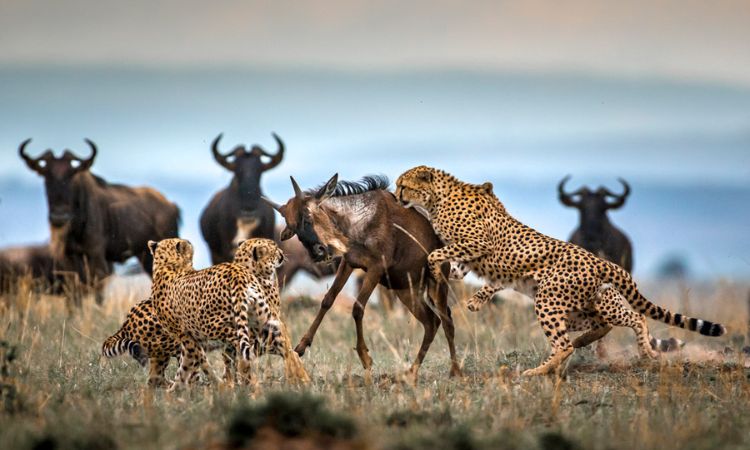
Following the golden insights on lighting and timing for capturing the raw beauty of Masai Mara National Park, let’s delve deeper into the techniques that turn good wildlife photographs into extraordinary ones. Understanding and mastering shutter speed is pivotal. It’s the linchpin that allows photographers to freeze a fleeting moment or to imbue their images with a sense of motion. Freezing the action of a cheetah at full sprint or capturing the delicate flutter of a bird’s wings necessitates a fast shutter speed, typically north of 1/1000th of a second. Conversely, envision creating a photograph where the movement of a river or the graceful arc of a bird in flight is rendered as a smooth, artistic blur. This effect is achieved by slowing the shutter speed, a technique that requires a steady hand or a tripod, along with a profound patience and understanding of your subject’s movements.
Burst mode stands as your steadfast ally in the unpredictable world of wildlife photography. When an animal is on the move, burst mode enables you to capture a sequence of images within fractions of a second, increasing your chances of obtaining that perfect shot where posture, expression, and lighting converge impeccably.
Stealth and respect for the natural environment form the ethos of exceptional wildlife photography. Approaching animals with minimal disturbance is not just about ethics; it is also about safety – yours and the animals’. Utilize natural cover, move slowly, and keep noise to a minimum to blend into the surroundings. This practice not only ensures the well-being of the wildlife but often results in more natural, engaging photographs. Vehicles, when used judiciously, can sometimes act as blinds, allowing closer proximity without spooking subjects. However, the patience to wait in silence, often for hours, for the perfect moment is a skill as crucial as any technical proficiency.
As we transition from capturing these majestic moments in the wild, the next stage of our journey—post-processing—awaits. Here, we step into the realm of refining our captures, where the subtleties of light, color, and composition are fine-tuned. This process is not about altering the reality of the moment but about enhancing the story that each photograph tells.
Post-Processing: Enhancing Your Wildlife Images
After capturing dynamic scenes in the Masai Mara National Park, harnessing the power of post-processing can transform good photographs into great ones. This phase is where your raw images are polished, using software such as Adobe Lightroom and Photoshop, to bring out their true potential.
One of the first steps in post-processing is adjusting the contrast to add depth to your wildlife images. Contrast enhancement makes colors pop and defines the textures of the animals and landscapes. Adjusting the color balance is also crucial; it ensures that the photographs reflect the true colors of the scene, as our eyes perceive it or as we wish to artistically represent it.
Sharpness is another essential adjustment that can make your subject stand out. While maintaining the natural feel of the photograph, judicious sharpening ensures that the focus elements in your shots, such as the lion’s mane or the intricate patterns on a butterfly’s wings, are crisp and clear.
Cropping is a powerful tool for improving the composition of your image. It can remove distracting elements that were unavoidable during the shoot, bring attention to the subject by changing the photo’s aspect ratio, or alter the perspective slightly to make the composition more dynamic.
For handling challenging lighting conditions, HDR (High Dynamic Range) techniques can be invaluable. By combining multiple exposures of the same scene, HDR allows you to represent both the brightest and darkest parts of the image accurately, ensuring that no detail is lost in shadows or highlights. It’s particularly useful in scenes with a significant contrast range, such as sunrise or sunset in the Masai Mara.
Ethics in post-processing, especially in wildlife photography, cannot be overstated. The goal should be to enhance the image to bring it closer to what you saw or felt, rather than altering it to misrepresent the scene. This means avoiding excessive manipulations that could deceive viewers or misrepresent the natural behavior and habitat of the wildlife.
By mastering these post-processing techniques, photographers can ensure their images from Masai Mara—and other iconic locations like Amboseli National Park and Tsavo National Park—stand out, telling a compelling story that truly captures the essence of the moment.
Conclusions
Mastering wildlife photography in Masai Mara involves understanding the ecosystem, gearing up correctly, timing shots perfectly, employing dynamic techniques, and refining images meticulously. By immersing yourself in the environment and respecting the wildlife, you enhance both the photographic and personal experience. These guides and insights will help you achieve stunning, impactful imagery in one of Africa’s most breathtaking landscapes.