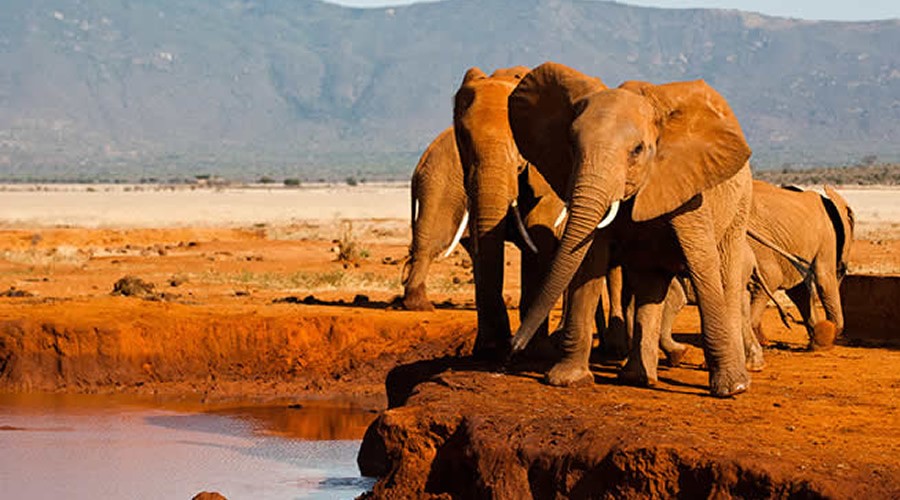
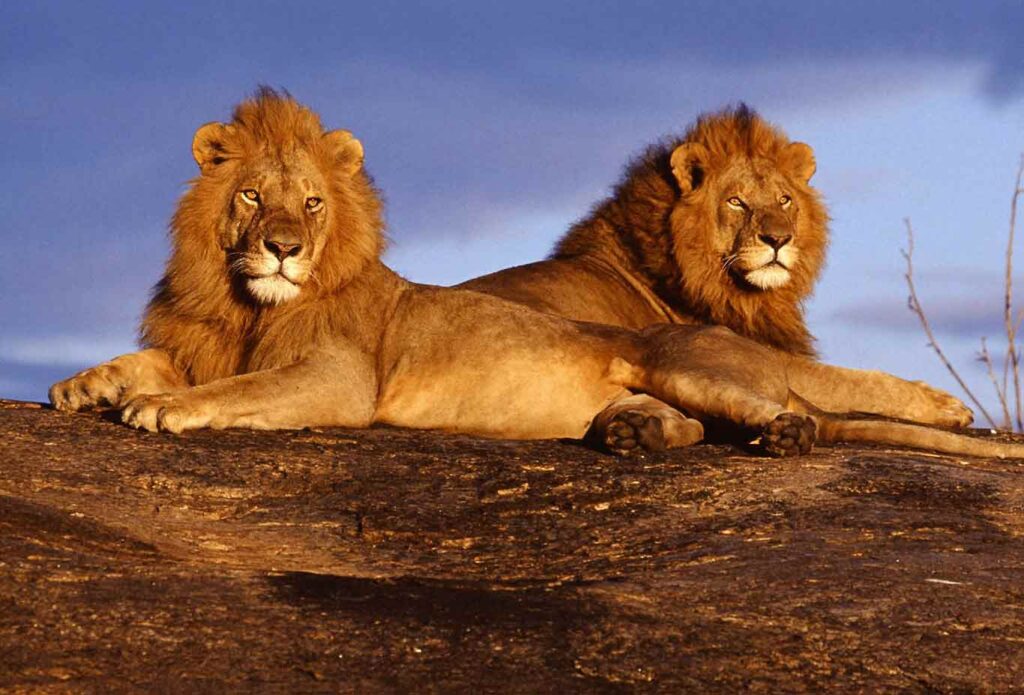
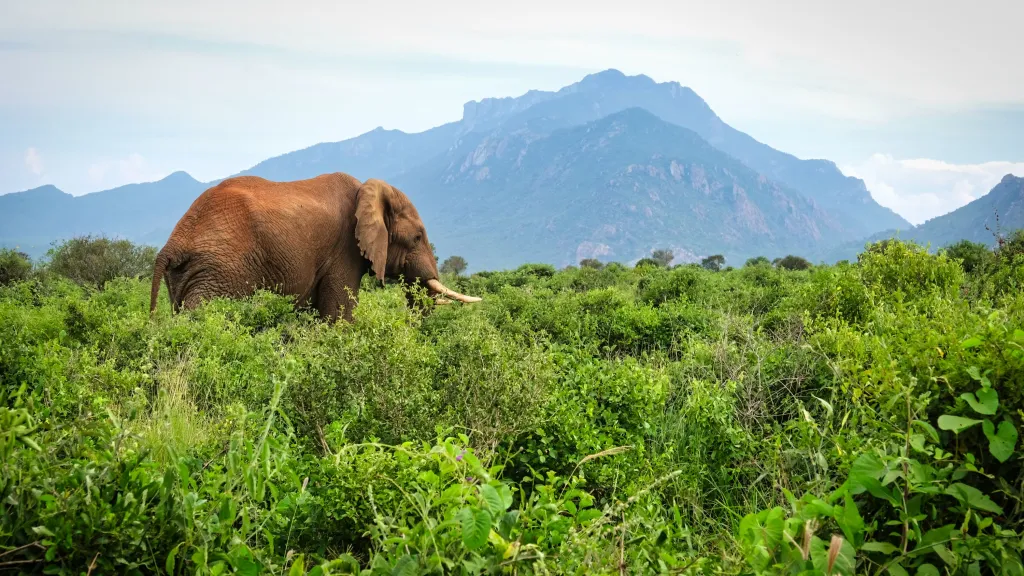
In the wild heart of Tsavo West National Park, hidden among rugged hills and acacia woodlands, lies a place of quiet determination and profound beauty — the Ngulia Rhino Sanctuary.
Here, Kenya’s most endangered species, the black rhinoceros, finds refuge from extinction. This sanctuary represents more than a conservation effort; it is a symbol of Africa’s resilience and the power of protection through purpose.
Through the Tsavo National Park Adventure, Woodsly Adventures invites travelers to witness this living triumph — where ancient species and modern conservation meet beneath the vast skies of Tsavo.
Table of Contents
-
The Story of the Black Rhino
-
The Crisis That Shook Africa
-
The Birth of Ngulia Rhino Sanctuary
-
The Landscape and Setting
-
Life Inside the Sanctuary
-
The Work of the Rangers and Conservation Teams
-
Visitor Experience – What to Expect
-
Best Time to Visit Ngulia Rhino Sanctuary
-
How Woodsly Adventures Supports Conservation
-
Combining Ngulia with Other Tsavo Attractions
-
The Importance of Responsible Tourism
-
The Future of Kenya’s Black Rhinos
-
Final Thoughts – Guardians of the Wild
1. The Story of the Black Rhino
The black rhinoceros, or Diceros bicornis, once roamed across much of Africa — a powerful grazer shaping ecosystems for millennia.
Unlike its larger cousin, the white rhino, the black rhino is smaller, more solitary, and distinguished by its hooked upper lip, perfectly designed for browsing shrubs and trees.
In Kenya, it has long been a symbol of strength and endurance. To see one in the wild is to look into a living relic — a creature that has survived for 50 million years yet teeters on the edge of extinction today.
2. The Crisis That Shook Africa
During the 1970s and 1980s, rampant poaching for rhino horn devastated populations across Africa. In Kenya, numbers plummeted from over 20,000 to fewer than 400 individuals within two decades.
The horn, falsely believed to have medicinal or status value in illegal markets, became the cause of one of the greatest wildlife tragedies in modern history.
By the 1980s, Tsavo’s once-thriving rhino population had nearly vanished. Something had to be done — and that’s how Ngulia Rhino Sanctuary was born.
3. The Birth of Ngulia Rhino Sanctuary
Established in 1986 by the Kenya Wildlife Service (KWS), the Ngulia Rhino Sanctuary was created as a secure refuge to breed and protect black rhinos from extinction.
Enclosed within 90 square kilometers of electric fencing, the sanctuary offers a controlled yet natural habitat. Rangers patrol constantly, supported by surveillance technology, while community partnerships help deter poaching beyond its borders.
The goal is simple but ambitious: to rebuild Tsavo’s black rhino population and eventually reintroduce them to the wider park.
Today, the sanctuary is home to more than 80 black rhinos, representing one of the most successful conservation recoveries in East Africa.
4. The Landscape and Setting
Ngulia lies at the base of the Ngulia Hills in Tsavo West — an area of striking beauty and rugged charm.
The terrain alternates between dense bush, rocky ridges, and open plains, offering perfect cover for the shy rhinos. From the higher slopes, you can see views that stretch across the park toward Mzima Springs and the Shetani Lava Flow, creating a breathtaking panorama.
The sanctuary’s remote atmosphere makes it feel like a world apart — a place where time slows and nature reigns.
5. Life Inside the Sanctuary
Unlike the dramatic herds of elephants or lions often seen on open plains, the black rhino is a master of privacy. Spotting one requires patience, silence, and the guidance of experts.
Yet when you do, the reward is profound. Watching a rhino move through the brush — deliberate, heavy, and regal — feels like seeing prehistory come to life.
Other wildlife you may encounter include:
-
Leopards resting on rocky outcrops.
-
Elephants wandering along the sanctuary boundary.
-
Buffalo, zebra, and eland grazing nearby.
-
Birdlife such as the martial eagle and lilac-breasted roller.
Woodsly Adventures guides are trained to help guests interpret the sanctuary’s ecology — explaining everything from rhino behavior to the plants that sustain them.
6. The Work of the Rangers and Conservation Teams
The unsung heroes of Ngulia are its rangers. Working day and night, they monitor the rhinos, maintain the electric fencing, and patrol for signs of intrusion.
Equipped with GPS systems, drones, and tracking tools, they combine traditional fieldcraft with modern technology. Each rhino is known individually, its habits and movements recorded to ensure its safety.
Guests who visit through Woodsly Adventures often have opportunities to meet rangers and learn firsthand about their daily challenges — from tracking to protecting against poachers. These interactions transform a safari into something more meaningful: a connection to the ongoing fight for wildlife preservation.
7. Visitor Experience – What to Expect
Visiting Ngulia Rhino Sanctuary is an intimate, reflective experience rather than a fast-paced game drive.
Your guided excursion includes:
-
Short interpretive drives through the sanctuary.
-
Briefings from conservation experts.
-
Optional sunrise or sunset observation walks (with park approval).
-
Photography sessions when conditions allow.
Because rhinos are naturally elusive, sightings are never guaranteed — and that’s part of the magic. When one emerges from the shadows, it feels like a gift.
8. Best Time to Visit Ngulia Rhino Sanctuary
The sanctuary is open year-round, but the dry season (June to October) offers the best visibility, as vegetation thins and animals concentrate around water sources.
Wet seasons (March–May and November–December) bring lush scenery and fewer crowds, ideal for photography and quiet reflection.
Early morning and late afternoon drives provide the best lighting and activity levels, while mid-morning visits allow guests to enjoy the landscape in calm solitude.
9. How Woodsly Adventures Supports Conservation
Woodsly Adventures is committed to responsible tourism that sustains, rather than strains, Kenya’s wildlife ecosystems.
Their approach to Ngulia is guided by respect — ensuring minimal disturbance to animals while contributing directly to conservation funding.
Their impact includes:
-
Collaborating with the Kenya Wildlife Service to support rhino monitoring.
-
Promoting awareness of anti-poaching initiatives.
-
Offering eco-friendly tours that minimize waste and emissions.
-
Encouraging guests to donate to local conservation projects.
When you travel with Woodsly Adventures, you become part of the effort to protect the rhino — your safari becomes a force for good.
10. Combining Ngulia with Other Tsavo Attractions
A visit to Ngulia pairs beautifully with other sites in Tsavo West, offering a full picture of the park’s diversity.
Suggested itinerary:
-
Start at Mzima Springs to witness life and water in motion.
-
Continue to the Shetani Lava Flow to explore Tsavo’s volcanic heritage.
-
Spend time at Ngulia Rhino Sanctuary for a conservation experience.
-
End your day at Poacher’s Lookout, a scenic hill with sunset views over the savannah.
Each destination complements the others — from creation to conservation, all connected by Tsavo’s timeless spirit.
11. The Importance of Responsible Tourism
Conservation is not only about protecting animals — it’s about supporting the systems that make protection possible.
Responsible travel ensures that local communities benefit from tourism, that wildlife retains its freedom, and that future generations can inherit a thriving planet.
By choosing ethical operators like Woodsly Adventures, travelers play an active role in shaping a sustainable future for Tsavo and beyond. Every visit is a statement of care — proof that adventure and preservation can walk hand in hand.
12. The Future of Kenya’s Black Rhinos
Thanks to decades of protection, Kenya’s black rhino population now exceeds 900 individuals, making it one of the most successful recovery stories in Africa.
Ngulia continues to play a vital role in this success. Each calf born here is a victory — another step toward restoring balance to the wild.
The future remains fragile, but it is bright. With ongoing conservation, strong enforcement, and responsible tourism, the black giants of Tsavo can continue to walk the land they’ve ruled for millennia.
13. Final Thoughts – Guardians of the Wild
To see a black rhino in Tsavo is to witness history breathing — an animal that has outlasted empires, evolved through ages, and now depends on humanity’s choices for its survival.
At Ngulia, you don’t just see wildlife. You see hope. You see courage. You see the heartbeat of conservation.
Let Woodsly Adventures take you there. Join the Tsavo National Park Adventure and stand face-to-face with Kenya’s black rhinos — the guardians of the wild, the survivors of time, and the living proof that every journey can make a difference.