Game reserves are a vital component of wildlife conservation, providing protected environments where animals can thrive. Often synonymous with safaris and the iconic Big Five, these reserves are essential for sustaining biodiversity and supporting ecological balance. This article delves into the significance of game reserves, their function in conservation efforts, and the experiences they offer to visitors.
The Essence of Game Reserves
Game reserves, distinct from nature reserves, focus specifically on the protection and controlled hunting of fauna. Understanding their primary purpose, which includes maintaining ecological balance and supporting wildlife, is crucial. Explore how these reserves contribute to the natural regrowth of species while providing a sanctuary for diverse ecosystems and various types of wildlife. Game reserves play a pivotal role in the conservation of biodiversity by offering a controlled environment where animals can thrive without the immediate dangers posed by habitat loss, poaching, and over-hunting. These areas are critical for research, offering scientists and conservationists invaluable insights into wildlife behavior and ecology, which in turn informs broader conservation strategies. The controlled hunting permitted within some game reserves is often a subject of ethical debate; however, when properly managed, it can contribute to the health and stability of the ecosystem by preventing overpopulation and disease spread amongst wild animals. Moreover, the revenue generated from permit fees for controlled hunting can be directly reinvested into the reserve for conservation efforts, anti-poaching initiatives, and community development projects. This sustainable use of resources aligns with the core objectives of game reserves: to protect wildlife and ensure the longevity of species through meticulous, science-backed management strategies. By nurturing a balanced ecosystem, game reserves safeguard the heritage of biodiversity for future generations, making them an invaluable asset in the global effort to preserve our natural world.
Wildlife Conservation and Economic Impact
Conservation in game reserves is intricately linked with economic sustainability. Through wildlife viewing tourism and regulated trophy hunting, significant financial contributions are made to the reserves and the local communities surrounding them. Wildlife viewing tourism, for instance, draws visitors to game reserves such as Amboseli National Park, Masai Mara National Park, and Tsavo National Park, providing a direct source of income through park fees, accommodations, and guided tours. This influx of tourism revenue supports the conservation efforts by funding patrolling and anti-poaching operations and also contributes to the welfare of the local communities through job creation in the tourism sector.
Regulated trophy hunting, although controversial, can also play a part in conservation financing. When properly managed, the revenues from trophy hunting concessions can be substantial and are often directed back into conservation projects and local communities, providing them with critical income. These funds help in managing and protecting game reserves, supporting anti-poaching efforts, and contributing to the development of local infrastructure.
However, economic challenges are prominent in regions where conservation is heavily reliant on these activities, particularly in politically or economically unstable areas. Fluctuations in tourism, influenced by factors such as political instability, pandemics, or natural disasters, can dramatically affect the financial stability of game reserves and the communities that depend on them. In response, community-based conservation initiatives have emerged as a sustainable solution, empowering local communities to actively participate in and benefit from conservation efforts. These initiatives focus on diversifying income sources, integrating conservation and development projects, and ensuring that the benefits of conservation are shared with the communities.
In summary, the financial sustainability of game reserves and the surrounding communities is heavily dependent on a balanced integration of wildlife viewing tourism, regulated trophy hunting, and community-based conservation initiatives. Together, these efforts not only support the critical conservation work needed to protect endangered species and habitats but also contribute significantly to the economic stability and development of local communities.
The Big Five and Safari Tourism
Iconic to African game reserves, the Big Five represent the epitome of safari tourism. The term “Big Five” was initially coined by hunters to describe the five most difficult and dangerous animals to hunt on foot in Africa: elephants, lions, leopards, rhinoceroses, and Cape buffalo. Today, these animals symbolize the ultimate safari experience, attracting tourists from all around the globe to game reserves across the continent.
The allure of observing these majestic animals in their natural habitat is a powerful draw for tourists, making safari tourism a significant component of economic sustainability for many game reserves. The presence of the Big Five is not only a testament to the rich biodiversity of these reserves but also plays a crucial role in conservation efforts. By attracting tourists, game reserves can generate revenue that is essential for the maintenance of the reserve and the protection of wildlife.
Moreover, safaris offer a unique platform for conservation awareness. Tourists on safaris become ambassadors for conservation, as their experiences and the knowledge gained during these excursions inspire them and others to support wildlife protection initiatives. The educational aspect of safari tourism is invaluable, offering insight into the behavior, threats, and needs of these iconic species and their ecosystems.
Financially, the lure of the Big Five contributes significantly to the resources available for game reserves. These funds are utilized for various conservation activities, including anti-poaching patrols, habitat restoration projects, and wildlife research. Furthermore, the economic benefits extend beyond the reserves, impacting local communities by providing employment opportunities and supporting local businesses.
In light of the preceding discussion on wildlife conservation and economic impact, it becomes evident that safari tourism, particularly focusing on the Big Five, is integral to the broader objectives of conservation. As we delve deeper into the diverse ecosystems within game reserves in the next chapter, the significance of these animals in sustaining not only the ecological balance but also the economic vitality of these regions becomes increasingly pronounced. This interplay between tourism, conservation, and local economies is essential for the sustained protection of Africa’s awe-inspiring wildlife and their habitats.
Diverse Ecosystems Within Game Reserves
Moving beyond the captivating allure of the Big Five that draws visitors to African game reserves, such as Masai Mara National Park, Tsavo National Park, and Amboseli National Park, we delve into the essence of biodiversity present within these protected areas. The diverse ecosystems—ranging from expansive savannahs, dense forests, to intricate wetlands—are not just scenic backdrops but are crucial for the sustenance of varied wildlife species. This diversity is a cornerstone for effective conservation as it ensures the survival of a wide range of flora and fauna, thereby maintaining ecological balance.
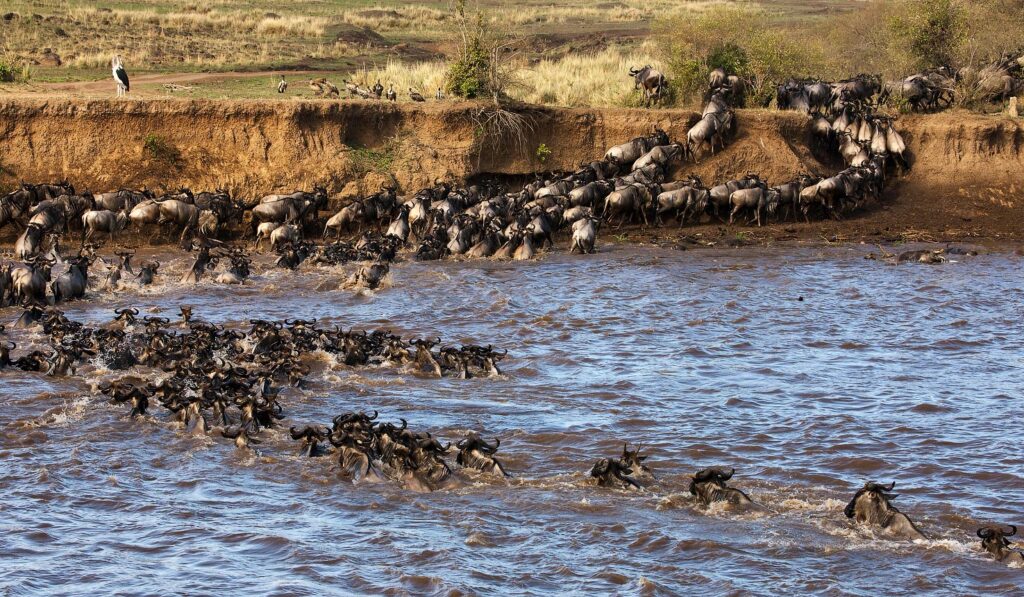
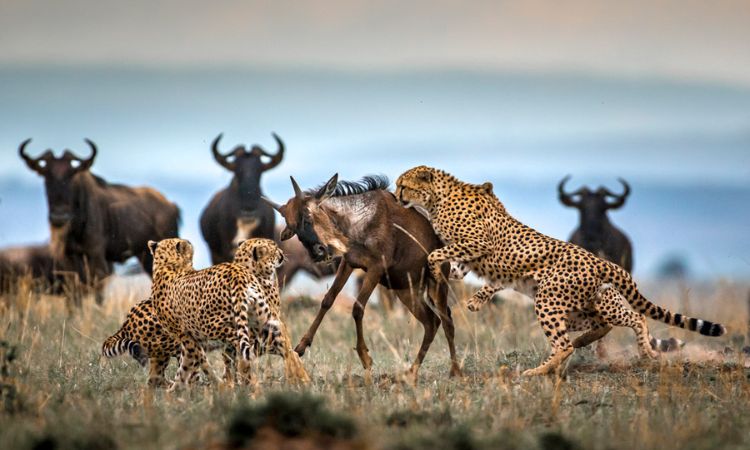
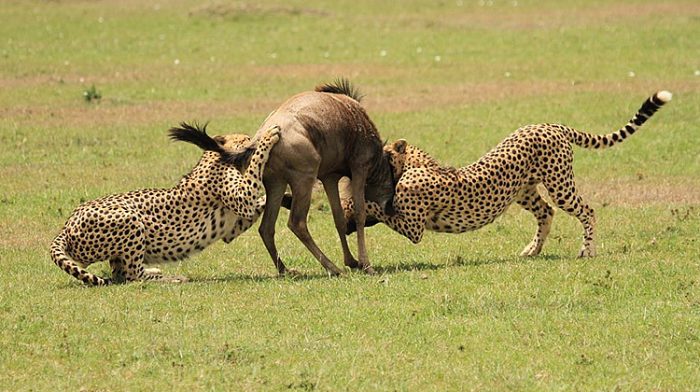
The savannah ecosystem, characterized by vast grasslands dotted with acacias and bushes, supports grazers like wildebeests and zebras, which in turn serve as prey for predators such as lions and cheetahs. Forest regions offer a habitat to species like elephants that depend on the dense vegetation for food and cover, along with providing a sanctuary to numerous bird species. Wetlands play a critical role in the conservation puzzle, acting as water sources during dry periods and supporting a completely different set of wildlife, including hippos, crocodiles, and water birds.
The interdependence of these ecosystems and their inhabitants highlights a vital aspect of conservation. The presence of diverse habitats within game reserves creates a complex web of ecological relationships. For instance, elephants, by feeding on lower branches of trees in forests, contribute to the open savannah landscapes, aiding grazers and their predators. Similarly, wetlands not only provide water but also act as buffering zones during floods, protecting surrounding habitats.
This harmony amongst various ecosystems ensures the viability of biological communities, enabling them to adapt to environmental changes and mitigate impacts. However, as we venture into exploring the ethical considerations and challenges faced by game reserves, including the impact of human activities and climate change, it’s evident that maintaining this delicate balance is a continuous struggle requiring informed conservation strategies and ethical wildlife management practices. The transition from merely admiring the Big Five in their natural habitats to understanding the complex ecological networks that sustain them underscores the significance of comprehensive conservation efforts. These efforts not only aim at preserving wildlife but also at ensuring the resilience of their ecosystems, thereby securing biodiversity for future generations.
Ethical Considerations and Challenges
Unfortunately, there appears to be some confusion as I need the actual text of the article to accurately insert the requested HTML anchor tags for Amboseli National Park, Masai Mara National Park, and Tsavo National Park. Could you please provide the text or clarify your request?
Game Reserves as Pillars of Community Development
Moving from the ethical considerations and challenges faced by game reserves, it’s vital to appreciate the profound role these sanctuaries play in community development. Game reserves serve as pillars of growth for local communities, significantly through employment generation and income from tourism activities. The engagement of game reserves in community development is manifested not merely as an economic boon but as a multifaceted strategy that uplifts communities, fosters wildlife conservation, and ensures sustainable tourism.
In many countries, particularly those within Africa such as Zambia, game reserves have become synonymous with community development. These regions demonstrate a proactive approach to integrating local communities into the conservation and tourism narrative. By providing jobs to local residents, from roles in wildlife management and conservation to positions in the hospitality and service sector within the reserves, these initiatives help in reducing poverty and enhancing the quality of life. Furthermore, the income generated from tourism—such as entrance fees, guided tours, and lodge accommodations—frequently flows back into community projects, including schools, healthcare facilities, and infrastructure development, thereby improving overall community welfare.
The involvement of local communities in conservation efforts is not just beneficial but essential. By offering economic incentives for conservation, game reserves encourage communities to protect wildlife and natural habitats. These incentives can take various forms, from direct employment opportunities to community funds derived from a portion of tourism revenues. Such practices promote a sense of ownership and responsibility towards the local environment and its biodiversity among community members.
Successful models in places like Zambia highlight the importance of fostering sustainable coexistence between humans and wildlife. Initiatives such as community conservancies and participatory forest management empower local communities, giving them a stake in conservation efforts and decision-making processes. This inclusive approach not only aids in mitigating human-wildlife conflicts but also ensures that conservation becomes a shared responsibility, yielding long-term benefits for both wildlife and people.
Moreover, educational programs and awareness campaigns organized by game reserves play a critical role in community development. These programs educate residents about the importance of biodiversity and the benefits of conservation and sustainable tourism. In turn, this knowledge fosters a generation of community members who are well-informed, environmentally conscious, and actively involved in conservation efforts.
By intertwining community development with wildlife conservation and sustainable tourism, game reserves act as catalysts for change, promoting environmental stewardship, economic growth, and social well-being. The success stories in Zambia and similar regions offer valuable lessons on the impact of game reserves beyond their conservation aims, highlighting their significance as engines of community development.
Conclusions
Game reserves are indispensable in balancing wildlife conservation with economic growth. By protecting biodiversity, supporting ecosystems, and engaging local communities, they serve as keystones of both environmental and societal advancement. Understanding their multifaceted roles is crucial for promoting sustainable practices and ethical tourism, ensuring these natural treasures endure for future generations.