Embark on an unforgettable adventure through Kenya’s breathtaking landscapes. From the vast plains of Tsavo to the majestic peaks of Amboseli, and the vibrant ecosystem of Masai Mara, these national parks offer a unique African safari experience. Discover the magnificent wildlife, rich cultures, and stunning scenery that define these iconic destinations.
The History and Essence of the African Safari
The word ‘safari’ originates from the Swahili language, meaning ‘journey’ or ‘expedition’, and has evolved significantly from its early connotations of hunting and exploration to today’s conservation-focused wildlife tours. The transformation of the African safari is a testament to the changing human attitudes towards wildlife and the environment. Initially, safaris were conducted for big-game hunting, with early explorers and hunters venturing into the African wilderness to track and hunt large animals. These expeditions laid the groundwork for the safari industry but were focused on the sporting pursuit rather than appreciation or conservation of wildlife.
Over time, there was a pivotal shift from hunting to conservation, marked by an increasing awareness of the need to protect and preserve Africa’s unique biodiversity. The advent of national parks and protected areas, such as Tsavo National Park, Amboseli National Park, and Masai Mara National Park, played a significant role in this transition. These parks are now sanctuaries for the wildlife that once faced extinction due to overhunting and habitat destruction.
Literature and cinema have also played a part in romanticizing the concept of the safari, presenting it to the global audience as an adventure into the wild and unknown. From Ernest Hemingway’s tales of big-game hunting to the recent popularity of documentaries and films that focus on wildlife conservation, the narrative has shifted to one that emphasizes the beauty and fragility of our natural world.
Today’s safaris focus on eco-tourism and sustainable travel practices, aiming to educate visitors about the importance of conservation while offering them a unique opportunity to witness wildlife in its natural habitat. This evolution reflects a broader societal shift towards environmental stewardship, underscoring the safari’s transformation from a hunting expedition to a journey of discovery and connection with nature. The essence of the African safari now lies in the celebration of wildlife and the wilderness, inspiring a sense of responsibility towards preserving our planet’s precious biodiversity for future generations.
The Enchanting Landscapes of Tsavo National Park
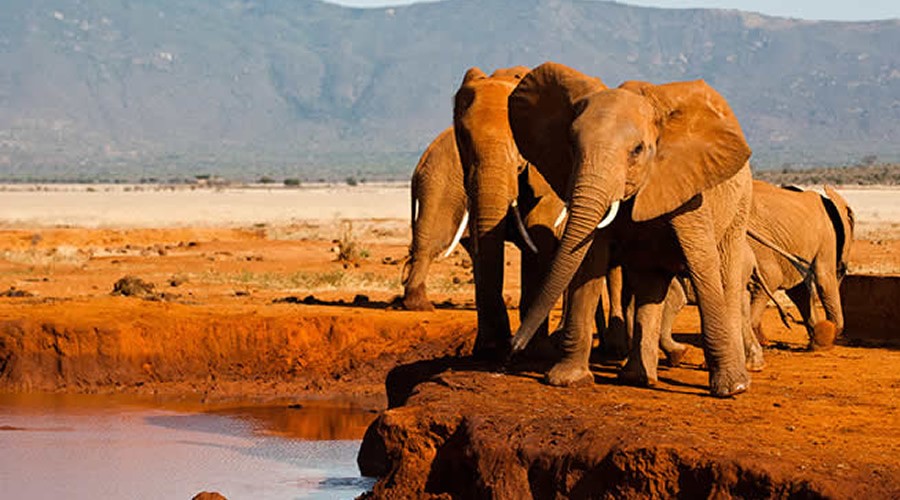
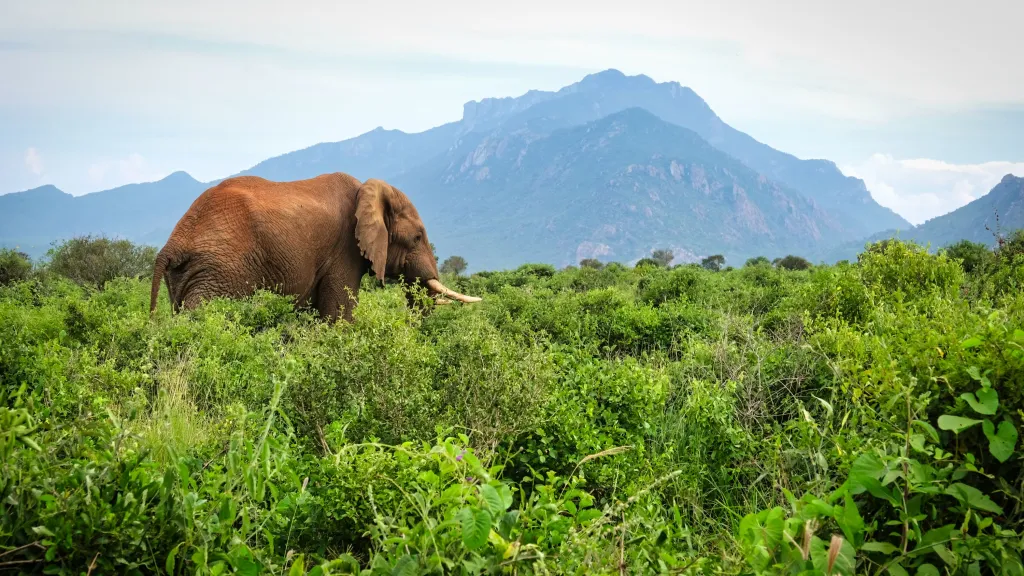
Transitioning from the broader historical context of the African safari, we delve into the heart of Kenya’s wilderness to explore the enchanting landscapes of Tsavo National Park, the nation’s largest and a testament to the country’s commitment to conservation. Spanning an impressive area, Tsavo is uniquely partitioned into Tsavo East and Tsavo West, each offering distinct natural wonders and wildlife spectacles. The park’s vast territories are a sanctuary for one of the most illustrious residents, the elephant, amidst a backdrop of diverse geographical features from the semi-arid plains to the verdant riverine ecosystems.
Central to Tsavo’s allure is the Yatta Plateau, the world’s longest lava flow, stretching over 300 kilometers along the western boundary of Tsavo East, a magnificent geological feature visible from outer space. This ancient flow speaks volumes of the park’s volcanic past, shaping the landscape and giving rise to its rich biodiverse habitats. Alongside this, the Galana River carves its way through the park, forming the mesmerizing Lugard Falls, where water cascades over volcanic rock into rapids and crocodile-infested pools, offering a spectacle of raw natural beauty and a vital lifeline for the park’s inhabitants.
The park’s geological richness extends beyond the surface with the striking inselbergs, isolated hills that rise abruptly from the plains, contributing to Tsavo’s dramatic scenery. These geological formations, along with the rolling Chyulu Hills on its western edge, are remnants of the area’s volcanic activity, creating a landscape that oscillates between rugged terrains, open plains, and dense woodlands.
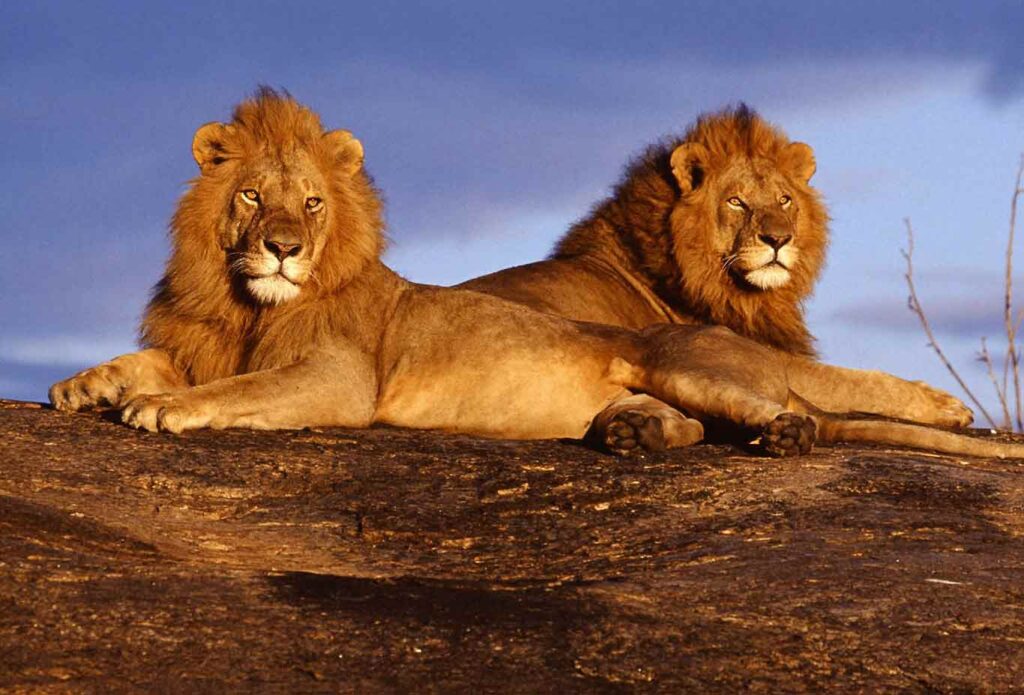
Tsavo’s historical tapestry is equally rich, marked by its role in regional conflicts and the construction of the Kenya-Uganda railway in the early 20th century. The park gained notoriety during the building of the railway when two maneless male lions famously preyed on the workers, an event that underscored the untamable wildness of the African landscape and has been immortalized in literature and film.
The narrative of Tsavo is a compelling chapter in Kenya’s conservation story, illustrating the delicate balance between preserving its unique wilderness and the encroachment of human development. As the next chapter unfolds in Amboseli National Park, the journey through Kenya’s iconic national parks continues, from the vast landscapes of Tsavo to the shadow of Mount Kilimanjaro, where nature’s drama plays out in an entirely different setting.
Amboseli’s Scenic Beauty and Majestic Wildlife
After the enchanting landscapes of Tsavo National Park, the journey continues to Amboseli National Park, a contrasting spectacle of scenic beauty and majestic wildlife. Here, the iconic backdrop of Mount Kilimanjaro, the highest peak in Africa, frames every view, providing a stunning photoshoot with nature’s grandeur at every turn. Amboseli is famed for its diverse habitats, ranging from the wetlands and swamps fed by underground rivers from Kilimanjaro’s ice cap, to its dry plains and acacia woodlands. This mosaic of environments supports a rich variety of wildlife, yet it is the park’s elephants that stand as its crowning jewels.
The elephant populations in Amboseli are among the most studied in Africa, thanks largely to the pioneering research led by Cynthia Moss in the early 1970s. Her work has continued for decades, offering invaluable insights into elephant behavior, social structure, and conservation needs. These gentle giants roam across the park in familial herds, often seen against the backdrop of Kilimanjaro’s snowy summit, creating a spectacle that draws visitors from around the globe.
Recognized as a UNESCO Biosphere Reserve, Amboseli National Park faces ongoing challenges in balancing conservation with the needs of the local communities. Human-wildlife conflicts remain a concern as the park’s ecosystem is pressured by the surrounding agricultural expansions. Efforts to mitigate these conflicts focus on creating sustainable coexistence strategies, ensuring the park remains a sanctuary for its wildlife while supporting the livelihoods of the local Maasai people.
As the next phase of our journey beckons, the spectacular Masai Mara National Park awaits, promising another chapter of awe-inspiring landscapes and the unforgettable drama of the Great Migration.
The Spectacle of Masai Mara and the Great Migration
Transitioning from the serenity and majestic wildlife of Amboseli National Park, our journey continues to another breathtaking facet of Kenya’s wildlife heritage, the Masai Mara National Park. Renowned globally for the Great Migration, an awe-inspiring natural spectacle, Masai Mara offers an immersion into the intricate web of African savannah life.
Witnessing the Great Migration in Masai Mara is akin to watching one of the planet’s greatest wildlife documentaries unfold in real-time. The vast plains become a stage for the dramatic movement of over a million wildebeests, accompanied by hundreds of thousands of zebras, gazelles, and other herbivores, in their relentless quest for fresh grazing grounds. As these herds traverse the Mara River, they face daunting challenges, from surging waters to lurking predators, creating a vivid tableau of life and survival in the wild.
This epic journey of the wildebeests is not only a spectacle for the eyes but also a vital part of the Mara’s ecosystem. It plays a significant role in sustaining the diverse array of species residing within the park. Predators such as lions, leopards, and cheetahs depend on this annual migration for survival, showcasing a raw, unfiltered circle of life. Here, the interdependencies of different species underline the intrinsic balance of nature’s ecosystems.
The Masai Mara is not only about animal migrations and predator-prey dramas. It is also home to the Maasai people, whose culture and way of life have been intricately tied to this landscape for centuries. The coexistence of the Maasai with the wildlife adds a rich cultural layer to the Mara’s natural beauty. Efforts to preserve the wildlife and its habitat often involve the Maasai, highlighting the significance of integrating community-oriented conservation strategies.
Conservation in the Masai Mara is a delicate balance between animal preservation and accommodating the growing numbers of tourists eager to experience this natural wonder. Initiatives such as controlled tourism, community conservancies, and anti-poaching patrols have been instrumental in ensuring the sustainability of the Mara’s wildlife populations. The challenge lies in maintaining this balance, ensuring that the marvels of Masai Mara can be experienced by future generations, while allowing the local communities and wildlife to thrive.
As we reflect on the Masai Mara and its global significance, it sets the stage for deeper discussions on conservation, culture, and the future of safaris. The intersection of technological advancements, sustainable tourism practices, and community engagement presents an evolving frontier for conservation efforts across Kenya’s national parks. This journey through Masai Mara is not just an exploration of wildlife; it is an invitation to engage with the broader questions of how we interact with our planet’s natural wonders and the legacies we leave behind.
Conservation, Culture, and the Future of Safaris
Following the spectacle of the Masai Mara and the Great Migration, it’s pertinent to delve into the Conservation, Culture, and the Future of Safaris. The symbiosis between tourism and conservation in Kenya’s national parks, particularly in Tsavo, Amboseli National Park, and Masai Mara, cannot be understated. These iconic parks face challenges like poaching and habitat loss, threatening their existence and the rich biodiversity they harbor.
The role of local communities, especially the Maasai, in sustainable tourism and wildlife management, is a beacon of hope. These communities have lived in harmony with nature for centuries, and their indigenous knowledge is invaluable in conserving wildlife. Through community-based initiatives, a portion of tourist revenues goes back to these communities, fostering a sense of ownership and responsibility towards conserving their natural heritage. Moreover, this model encourages the Maasai to continue their sustainable practices and to be active participants in anti-poaching campaigns.
Advancements in technology, including the development of eco-lodges and the use of mobile applications, are enhancing the safari experience while promoting conservation. Eco-lodges provide tourists with environmentally friendly accommodation options, minimizing their carbon footprint. Mobile applications offer real-time updates on wildlife sightings, enriching the safari experience and aiding in data collection for conservation purposes.
The future of African safaris in Kenya’s Tsavo, Amboseli, and Tsavo National Park looks promising, with a growing global awareness of environmental conservation. The challenge lies in balancing tourism development with the preservation of these natural habitats. As global citizens, our support for sustainable tourism practices can ensure these parks remain for generations to enjoy, marvel at, and learn from. With sustainable practices, community engagement, and technological innovation, the legacy of Kenya’s national parks as pristine wilderness areas can endure amidst a changing world.
Conclusions
African safaris in Tsavo, Amboseli, and Masai Mara offer unparalleled opportunities to experience wildlife and culture in their natural settings. These parks exemplify conservation efforts amid challenges, blending local traditions with global tourism. As awareness grows, embracing sustainable practices is crucial to preserving these wonders, ensuring future generations can continue to explore and appreciate Africa’s rich natural heritage.