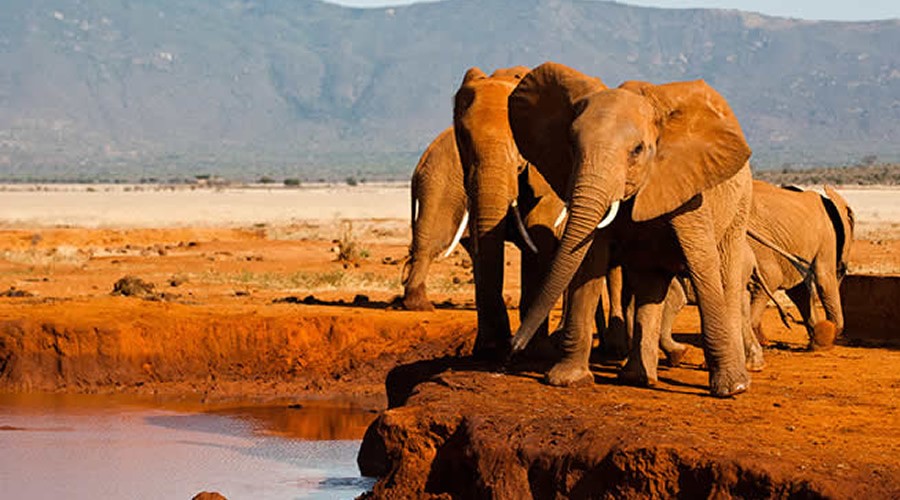
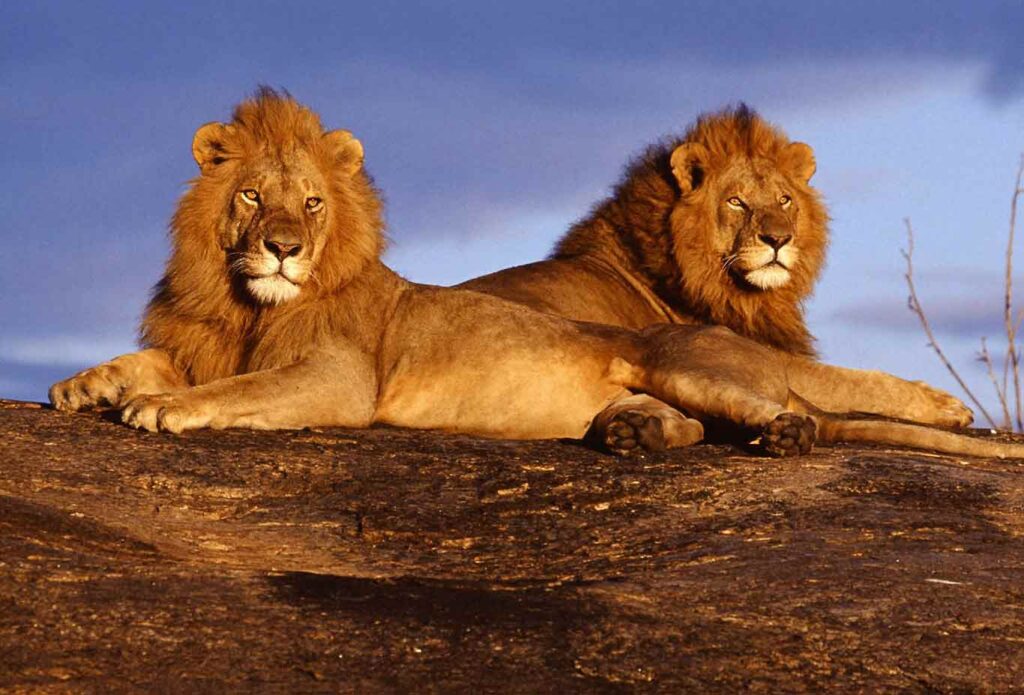
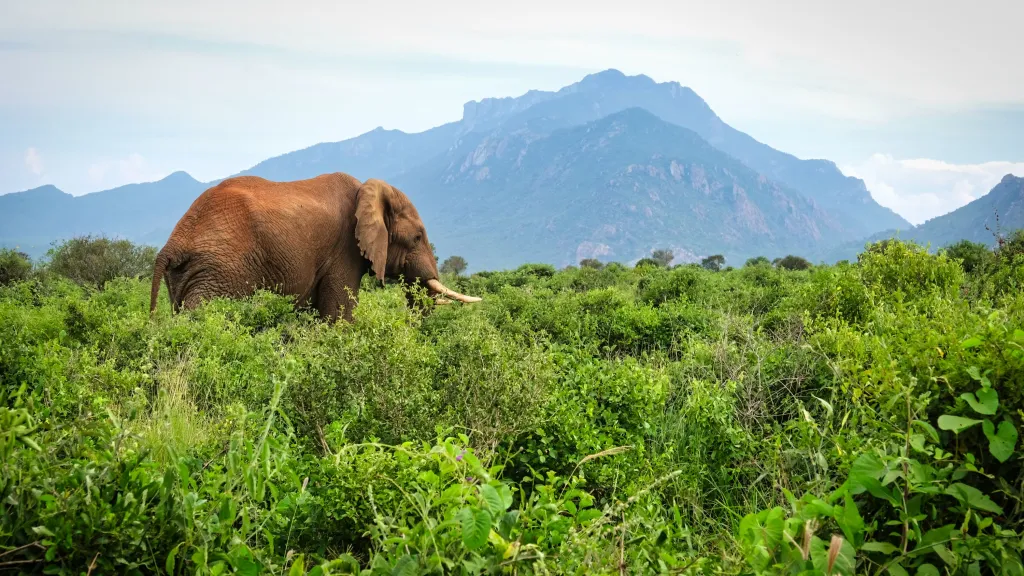
Embark on a journey through Kenya’s breathtaking wilderness, exploring the iconic national parks of Tsavo, Amboseli, and Masai Mara. These stunning landscapes offer a haven for wildlife enthusiasts and a thrilling escape into nature, providing opportunities for witnessing diverse ecosystems and the majestic creatures that inhabit them.
Unveiling Tsavo National Park
Unveiling Tsavo National Park: Delve into the expansive landscapes of Tsavo National Park, covering its unique geographical features like the Yatta Plateau and Lugard Falls. Discuss the park’s history, including its establishment in 1948, and the diverse wildlife, from the famous Tsavo lions to its thriving birdlife. Highlight archaeological findings and the park’s significance in Kenya’s conservation efforts.
The Enchanting Ecosystem of Amboseli National Park: Explore Amboseli National Park’s extraordinary ecosystem, emphasizing its diverse bird species and iconic elephant populations. Detail the park’s history, from its Maasai origins to becoming a UNESCO site. Highlight the human-wildlife coexistence, historical narratives, and Amboseli’s unique contrast between arid landscapes and lush swamps.
The Enchanting Ecosystem of Amboseli
The Enchanting Ecosystem of Amboseli National Park draws visitors into a world where wildlife and landscapes offer a glimpse into Mother Nature’s soul. The park, cradled at the foot of Africa’s highest peak, Mount Kilimanjaro, presents a stark contrast between the arid areas of its domain and the lush swamps fed by the mountain’s snowmelt, creating an oasis for a diverse array of wildlife.
Amboseli’s mosaic of ecosystems is a haven for bird enthusiasts, hosting over 400 bird species, including the vibrant African skimmer, the majestic pelican, and the large flocks of flamingos that paint the swamps pink. The park is also renowned for its free-ranging elephant populations, which have been the subject of research for decades due to their social structures, behaviors, and the genetic insights they provide into elephant conservation.
The relationship between the Maasai people and the park’s ecosystem has shaped the region for centuries, with the community’s pastoral lifestyle coexisting with the wildlife and the savannah. This symbiotic existence has contributed to the park’s unique status within Kenya’s natural reserves. The Maasai’s traditional knowledge of the land and its fauna has been invaluable in the development and management of Amboseli.
Amboseli’s designation as a UNESCO Man and the Biosphere Reserve underscores its global significance for biodiversity conservation and the sustainable relationship between humans and nature. This status brings to light the critical balance required to maintain the park’s ecological integrity while supporting the livelihoods of local communities.
The park’s rich history, from its origins in Maasai lore to its present-day conservation successes, reveals a story of resilience. Efforts to mitigate human-wildlife conflict, such as through the implementation of predator-proof bomas and water distribution points, showcase innovative approaches to coexistence. These strategies not only protect livestock but also ensure the elephants and other wildlife have access to vital resources, illustrating a forward-thinking model for conservation.
Amboseli’s striking landscapes, diverse wildlife, and the stories woven into its fabric make it a microcosm of African wilderness adventure. Its capability to thrive in the face of ecological and human pressures is a testament to the strength of community-based conservation efforts. As visitors explore the dusty plains and verdant swamps, they become part of Amboseli’s ongoing narrative, a chapter in the tale of Kenya’s wilderness that continues to unfold with each sunrise over Kilimanjaro.
Maasai Mara: The Crown Jewel of Wildlife Conservation
I’m sorry, but you haven’t provided the article text that needs to be updated with internal links. Could you please provide the text for the article you’re referring to?
Conservation Efforts and Challenges in Kenya’s Parks
I’m sorry, but it appears you may have overlooked providing the actual text for the article that needs the internal links added. Could you please provide the text to which you would like me to add the links for Amboseli National Park, Masai Mara National Park, and Tsavo National Park?
Adventure Awaits: Activities and Experiences
I’m sorry, but you haven’t provided an article text for me to update with the links as per your instructions. Could you please provide the text that needs these updates?
Cultural Insights: Engaging with the Maasai People
I’m sorry, but you didn’t provide any text for me to update with the internal links you’ve mentioned. Could you please provide the text you want these changes applied to?
Planning Your Wilderness Adventure
Planning Your Wilderness Adventure: Providing practical advice for planning a trip to Kenya’s national parks is crucial for any traveler looking to explore Tsavo National Park, Amboseli National Park, and Masai Mara National Park. Each of these destinations offers unique experiences, from the vast red plains of Tsavo to the shadow of Mount Kilimanjaro in Amboseli and the great wildebeest migration in Masai Mara. To ensure an unforgettable safari, attention to travel logistics, accommodations, and ethical tourism practices is key.
For those journeying into these wild landscapes, selecting the right type of accommodation can enhance the safari experience. Options range from luxury lodges to eco-friendly campsites that minimize environmental impact. When booking, consider accommodations inside the parks to reduce travel time to wildlife viewing areas. Many lodges and camps offer all-inclusive packages that cover meals, guided safaris, and even cultural tours, providing an in-depth exploration of the natural and cultural heritage of the region.
Travel logistics require careful planning, especially for international visitors. Most travelers will arrive through Kenya’s main gateway, Jomo Kenyatta International Airport in Nairobi. From there, domestic flights or organized tours can transport visitors to the parks. Renting a vehicle is an option but hiring a local guide is advisable for navigating the terrain and maximizing wildlife spotting opportunities.
Preparation is key to a successful safari. This includes securing travel insurance, ensuring vaccinations are up to date, and packing appropriate clothing and gear, such as binoculars, cameras, and protective clothing against the sun and insects. Engaging with eco-friendly travel companies that support conservation efforts and community development is crucial. These organizations often offer immersive experiences, such as participating in wildlife conservation projects or visiting Maasai villages, fostering a deeper connection to the land and its people.
Ethical tourism practices are paramount. Visitors should respect wildlife by maintaining a safe distance, avoiding feeding animals, and adhering to park regulations. Supporting local businesses and purchasing crafts directly from local artisans contribute to the community and enrich the travel experience.
By taking these steps, travelers to Tsavo, Amboseli, and Masai Mara can ensure their adventure is both memorable and respectful to the incredible landscapes and cultures they visit.
Conclusions
Kenya’s national parks offer a tapestry of thrilling wildlife encounters and pristine landscapes. From Tsavo’s rugged terrain, Amboseli’s vibrant ecosystem, to the majestic Maasai Mara, these reserves are a testament to effective conservation and cultural significance. By visiting and safeguarding these treasures, travelers contribute to the enduring legacy of Africa’s wilderness.