A safari, originally meaning ‘journey’ in Swahili, is an overland expedition primarily to observe wildlife in their natural habitats. Often associated with East Africa, it offers a unique blend of adventure, wildlife, and cultural heritage, making it a cherished element of travel enthusiasts worldwide.
Origin and Evolution of Safaris
The evolution of safaris from early explorations to the present day represents a fascinating journey through time, highlighting a transition from hunting expeditions to conservation-focused tourism. Initially, safaris were ventures into unexplored territories for hunting and collecting specimens. The term ‘safari’, derived from the Swahili word for ‘journey’, originally referred to these lengthy expeditions undertaken by Europeans and Arabs. As Africa’s wildlife and cultural heritage came to be better understood and appreciated, these expeditions laid the groundwork for the safari experience as we know it today.
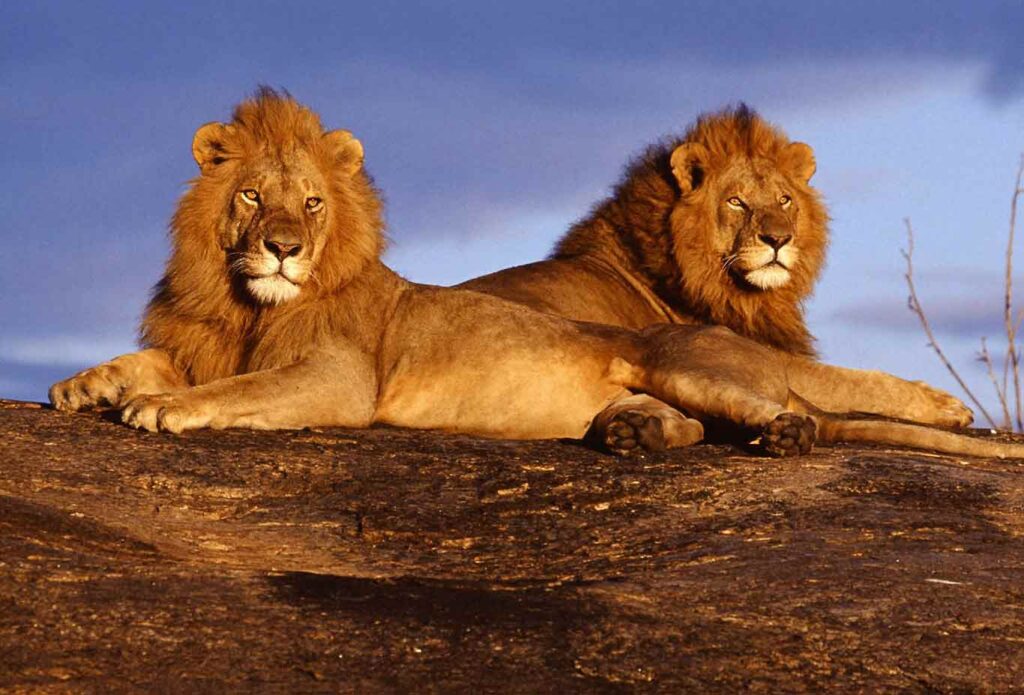
The introduction of photography and the growing awareness of conservation needs shifted the focus of safaris from hunting to observing and appreciating wildlife in their natural habitats. This transformation was significantly influenced by the concept of the ‘Big Five’ – lions, leopards, rhinoceros, elephants, and Cape buffalo. These animals were considered the most desirable trophies by hunters, but today, they symbolize the beauty and diversity of African wildlife and the importance of its conservation.
Safaris have become an essential component of eco-tourism and conservation efforts, providing a sustainable income for many communities and funding for wildlife protection. The experience of a safari has evolved into an opportunity to educate tourists about the importance of conservation, the threats to wildlife, and the efforts being made to protect these magnificent creatures and their habitats. Parks like Amboseli National Park, Masai Mara National Park, and Tsavo National Park offer visitors a chance to witness the majesty of the ‘Big Five’ and many other species in their natural environment, promoting a message of conservation and respect for wildlife.
The transformation from hunting expeditions to conservation-focused tourism reflects a broader change in society’s relationship with nature. It illustrates a growing recognition of the value of biodiversity and the need for sustainable practices to protect our planet’s natural heritage. This change in perspective has ensured that safaris remain a cherished experience, offering intimate encounters with the awe-inspiring landscapes and wildlife of Africa while contributing to their preservation for future generations.
The Big Five and Wildlife Conservation
Transitioning from the early European and Arab explorations, which primarily focused on hunting, the essence of the safari has evolved dramatically. Today, the story of the Big Five – lions, leopards, rhinoceros, elephants, and Cape buffalo – signifies more than just the allure of witnessing these majestic creatures in the wild; it underscores a concerted shift towards wildlife conservation and the pivotal role the safari industry plays in this arena. The Big Five, once the main target for hunters seeking trophies, are now central to conservation efforts that aim to preserve them for future generations. This chapter delves into how the narrative has shifted from hunting to conservation, exploring the complex relationship between safari tourism and wildlife preservation efforts across Africa.
In the past, the safari was often synonymous with big-game hunting, where the Big Five were considered the ultimate trophies. However, as the impacts of hunting and habitat loss became increasingly apparent, a transformation began to take root. Conservation-focused tourism emerged as a sustainable alternative, fundamentally changing the safari experience. Today, safaris are designed to educate tourists about the importance of conservation, offering them a chance to observe these magnificent creatures in their natural habitats, without harm.
The role of protected areas, such as Masai Mara National Park, Amboseli National Park, and Tsavo National Park, has been monumental in the shift towards conservation. These sanctuaries not only provide a safe haven for the Big Five but also serve as research and education centers, where scientists study animal behavior and work on conservation strategies. The entrance fees and donations collected from tourists support these efforts, contributing to anti-poaching patrols, habitat restoration projects, and community education programs. It’s a virtuous cycle where tourism funds conservation, and in turn, well-preserved wildlife attracts more tourists.
Moreover, the safari industry has sparked a deeper appreciation for wildlife, encouraging tourists to become ambassadors for conservation. By witnessing the majesty of the Big Five and understanding their plight, visitors are more likely to support conservation initiatives and advocate for wildlife protection in their own communities. This global awareness and support are crucial for ongoing conservation efforts, highlighting how responsible tourism can make a significant positive impact on wildlife preservation.
As we move towards exploring Safari Experiences and Destinations in the following chapter, it’s important to recognize the transformation of the safari industry from one of exploitation to one of conservation. This shift has not only been vital for the survival of the Big Five but also for the countless other species that share their habitats. The growth of conservation-focused tourism across Africa demonstrates a promising path forward, where both humans and wildlife can thrive together.
Safari Experiences and Destinations
Building on the momentum of wildlife conservation, safari experiences across Africa offer diversity not just in wildlife but also in the form of adventure and luxury. Kenya, Tanzania, and South Africa stand out as beacons of the safari experience, each offering a unique canvas of wildlife, picturesque landscapes, and immersive cultural interactions.
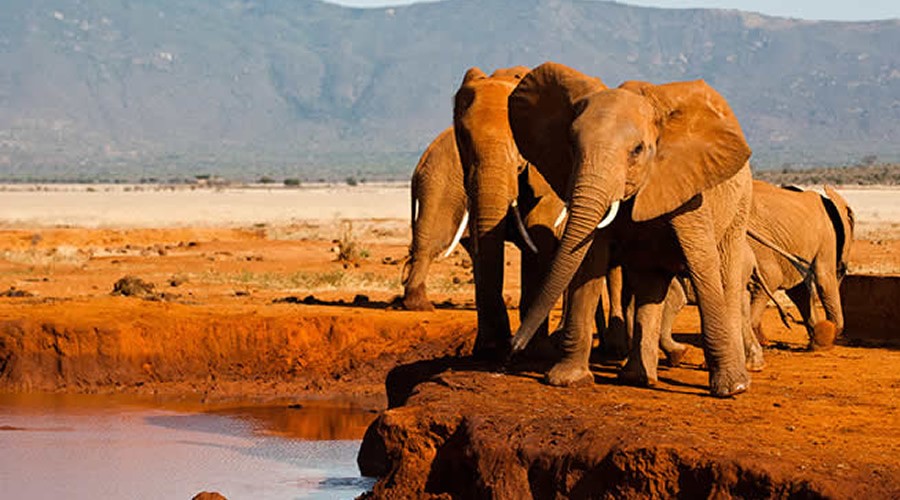
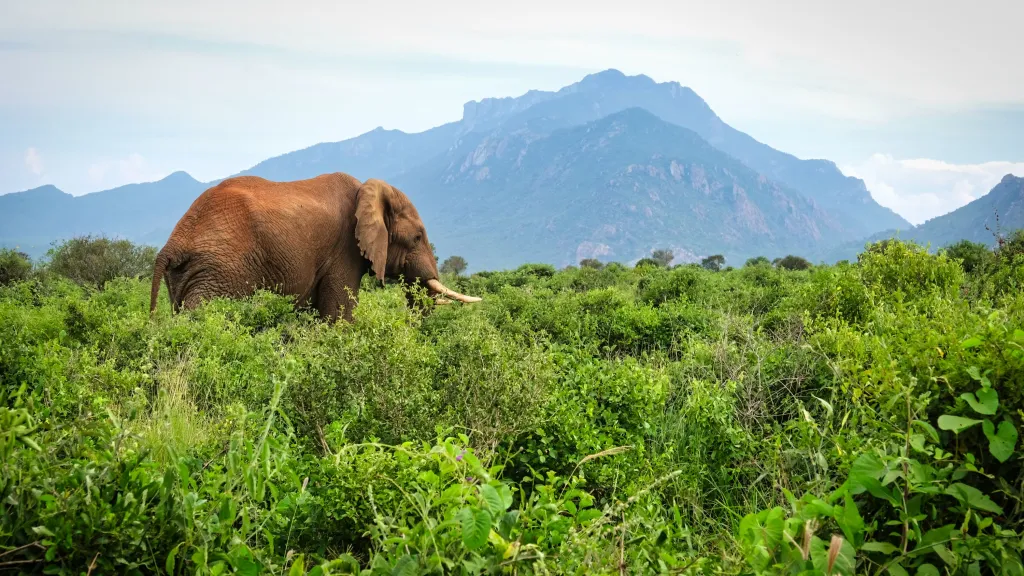
In Kenya, the Masai Mara National Park reigns supreme with its annual wildebeest migration, a spectacle unrivaled anywhere in the world. This event is a key highlight, drawing enthusiasts eager to witness nature’s grandeur firsthand. Beyond the Mara, Kenya’s offerings extend to the Amboseli National Park, famed for its elephant herds and the picturesque backdrop of Mount Kilimanjaro, and the Tsavo National Park, one of the largest conservation areas in the world.
Tanzania competes closely, boasting the vast Serengeti National Park, home to the other half of the wildebeest migration. The Ngorongoro Conservation Area offers a blend of stunning landscapes and rich wildlife within its crater, a natural amphitheater teeming with species. Both these destinations provide an unparalleled safari experience, emphasizing the untouched and raw beauty of the Tanzanian wilderness.
South Africa’s Kruger National Park presents a different safari allure with one of the most diverse game viewing experiences on the continent. Its vast landscapes host an impressive array of wildlife, making it a premier destination for those seeking the Big Five. Moreover, South Africa is renowned for its luxury tented safaris and private reserves, offering exclusive encounters with nature combined with the opulence of world-class accommodations.
Yet, the safari experience is not confined to vehicle-based tours alone. Walking safaris, particularly popular in Zambia and Tanzania, offer the thrill of tracking wildlife on foot, providing a deeply personal and raw connection with the African wilderness. This mode of safari allows guests to appreciate the smaller wonders of the bush, often overlooked from the confines of a vehicle.
The array of safari types caters to diverse preferences, ranging from the luxury tented camps nestled in the heart of wildlife reserves, offering elegance and comfort in the wild, to more rugged, yet equally thrilling, mobile camping safaris that follow the migratory patterns of the animals. Each comes with its unique blend of adventure, relaxation, and immersion in nature, allowing travelers to choose their ideal way to experience the African wilderness.
Flowing seamlessly from the critical role safaris play in wildlife conservation, these experiences also pave the way for a deeper connection with Africa’s cultural heritage. The following chapter delves into the cultural significance of safaris, examining their impact on indigenous communities and how these adventures serve as a bridge between conserving wildlife and preserving the rich tapestry of African traditions and practices.
Cultural Significance and Indigenous Communities
Transitioning from the varied safari experiences offered in iconic destinations like Masai Mara National Park, Amboseli National Park, and Kruger National Park, we dive into the profound synergy between the cultural significance of safaris and the indigenous communities that coexist with Africa’s majestic wildlife. Safaris are not just a means of wildlife observation for visitors but a lifeline for local communities, interweaving their livelihoods, cultural practices, and the conservation efforts that sustain their ancestral lands.
Historically, indigenous peoples have maintained a harmonious relationship with nature, a testament to their rich cultural heritage and practices that have survived generations. This connection underscores the essential role that these communities play in wildlife conservation and the broader safari experience. Their profound knowledge of the environment and wildlife behavior enriches the safari experience, offering insights that go beyond the visual spectacle to touch on survival, coexistence, and the ecological balance that defines the African wilderness.
The involvement of indigenous communities in the safari tourism industry has opened avenues for economic empowerment and the preservation of cultural identity. By participating in the safari value chain – from community-owned lodges to cultural tours and conservation initiatives – these communities secure a livelihood that respects their cultural traditions and the sustainability of the natural environment. Such integration not only enriches the safari experience for tourists but also fosters a responsible tourism model that promotes environmental stewardship, cultural exchange, and economic benefits for local communities.
However, the dynamics of safaris and their impact on indigenous communities and the environment present a complex interplay of benefits and challenges. The rise of safari tourism has necessitated a delicate balance between showcasing the natural and cultural heritage of Africa and ensuring the sustainability of these treasures for future generations. This balance hinges on the commitment to responsible tourism practices, community empowerment, and the preservation of natural habitats – themes that are crucial for the ongoing evolution of safari adventures in the face of environmental changes and the global push towards eco-tourism.
As we look towards the future, the essence of the safari adventure remains intrinsically tied to the lives of indigenous communities and the relentless spirit of conservation that drives the safari industry. By acknowledging and supporting these fundamental aspects, safari tourism can continue to offer a means of preservation and celebration of Africa’s unparalleled wildlife, its rich cultural mosaic, and the natural landscapes that form the backdrop of this remarkable journey.
The Future of Safaris
Building on the cultural and communal backbone detailed in the exploration of safaris’ impact on indigenous communities, the future of safaris beckons with a harmonious blend of tradition, technology, and tenacious conservation efforts. The transformation of safari practices into sustainable ventures represents a critical juncture, at the crossroads of environmental stewardship and cultural preservation. With the rising specter of climate change and habitat loss, coupled with the burgeoning interest in eco-tourism, the tapestry of African safari adventures is being rewoven with threads of modern innovation and age-old wisdom.
In the vanguard of this evolution are the iconic landscapes of the Amboseli National Park, Masai Mara National Park, and Tsavo National Park, each a beacon of wildlife conservation and eco-tourism. These sanctuaries, amidst others, are testaments to the delicate balance of promoting tourism while safeguarding the irreplaceable treasures of wildlife and their habitats.
The burgeoning eco-tourism trend underscores a growing preference for experiences that are not only immersive but also responsible and respectful towards nature. Travelers are increasingly drawn to lodges and tour companies that prioritize sustainability, from the use of renewable energy sources to water conservation practices and beyond. This shift towards eco-conscious travel is propelling safari operators to innovate, integrating green technologies and environmental best practices into their operations. Solar-powered accommodations, wildlife corridors that ensure animal migration routes are preserved, and strict visitor guidelines that minimize human impact are but a few examples of these initiatives.
Moreover, technology’s role in transforming safari experiences cannot be overstated. Advances in digital technology offer virtual safari experiences that transcend geographical boundaries, allowing wildlife enthusiasts to witness the majesty of the African savanna from thousands of miles away. Drones and remote monitoring systems serve dual purposes, offering unique perspectives on wildlife for virtual tourists while bolstering anti-poaching efforts and wildlife research.
Yet, the heart of sustainable safaris beats strongest in the tireless conservation work that underpins these adventures. Community-based conservation projects that engage local communities in the stewardship of wildlife and natural resources ensure not only the preservation of these treasures for future generations but also the continuation of the cultural heritage that shapes the essence of the African safari. Through education, employment opportunities, and empowerment, the safari industry can forge a path toward a future where tourism, conservation, and community development walk hand in hand.
As safari adventures continue to evolve, their future will undoubtedly be marked by a continued commitment to the environment, the fostering of cultural heritage, and the embrace of technological advancements that enhance conservation efforts. In this light, the essence of the safari experience remains immutable – a profound journey through the heart of Africa’s wilderness, guided by the principles of respect, conservation, and sustainable exploration.
Conclusions
Safaris embody a rich blend of adventure, wildlife, and culture, offering transformative experiences for travelers. The evolution of safaris from hunting excursions to conservation-focused tourism highlights the potential for sustainable tourism. As environmental consciousness grows, safaris hold promising futures in eco-tourism, contributing to both conservation efforts and community empowerment.