Introduction – Where the Past Still Breathes
Before skyscrapers and beachfront resorts, there was Old Mombasa — a timeless maze of narrow streets, coral-stone houses, and carved wooden doors that whisper stories of trade, faith, and culture. Walking through Mombasa Old Town is like stepping into a living museum, where every turn reveals centuries of history and the heartbeat of Swahili life.
For travelers who seek meaning behind beauty, this is Mombasa’s soul. With Woodsly Adventures, you can explore it intimately through guided heritage walks that connect you to the heart of Kenya’s coast.
Table of Contents
-
The Soul of the Swahili Coast
-
A Brief History of Mombasa Old Town
-
Fort Jesus – The Sentinel of the Sea
-
The Narrow Streets and Carved Doors
-
Mosques, Churches, and Multicultural Harmony
-
The Spice Markets – Aromas of the Indian Ocean
-
The Old Port – Gateway of Trade and Influence
-
Art, Architecture, and Restoration Efforts
-
Blending Culture and Leisure – Day Tours with Woodsly Adventures
-
Extending Your Journey – From Heritage to Safari and Sea
1. The Soul of the Swahili Coast
Old Town Mombasa is not just a neighborhood; it’s a crossroads of civilizations. For more than 800 years, traders from Arabia, India, Persia, and Africa exchanged not only goods but ideas, beliefs, and artistry.
The result is a culture that feels distinctly Kenyan yet infused with global elegance — evident in everything from the language to the architecture. Walking here, you’ll hear Swahili greetings, the echo of prayer calls, and laughter spilling from shaded courtyards.
It’s this blend of warmth and history that makes Old Town one of the most captivating cultural destinations in East Africa.
2. A Brief History of Mombasa Old Town
Mombasa’s story is one of resilience and renewal. Founded around the 10th century, it became one of the Indian Ocean’s busiest trading ports. Gold, ivory, and spices flowed through its harbor as dhows sailed to Arabia and India.
In the 16th century, the Portuguese built Fort Jesus, a massive fortress that still dominates the coastline. The Omanis later captured it, and for centuries afterward, Mombasa became a focal point of Swahili and Islamic culture under Arab rule.
When you walk through Old Town today, you’re treading paths shaped by all these layers — African, Arab, Indian, and European influences blending into something uniquely Mombasan.
3. Fort Jesus – The Sentinel of the Sea
Every journey through Old Town begins with Fort Jesus, a UNESCO World Heritage Site and the crown jewel of Mombasa’s history. Built in 1593 by the Portuguese, its coral-stone walls have withstood battles, sieges, and centuries of sea winds.
Inside, the fort tells a dramatic story — from the era of colonial conquests to the rise of Swahili civilization. Visitors can explore old prison cells, gun placements, and courtyards lined with ancient cannons.
The small museum within holds ceramics, trade goods, and manuscripts that trace Mombasa’s evolution as a global port. But beyond the exhibits, Fort Jesus offers one of the best ocean views on the Kenyan coast — a reminder of how trade and tides shaped the city’s destiny.
Tip: Book a Woodsly Adventures guided Fort Jesus tour for insider stories and sunset photo opportunities from the ramparts.
4. The Narrow Streets and Carved Doors
Leaving Fort Jesus, you enter a labyrinth of winding lanes no wider than a car. Sunlight filters between coral-stone walls painted in shades of cream, ochre, and turquoise. Balconies lean close enough to touch, and ornate Swahili doors line every corner — masterpieces of artistry carved from teak and mahogany.
Each door tells a story: geometric Islamic patterns, floral Indian influences, and inscriptions in Arabic script that bless the home. Many date back to the 18th century, lovingly preserved by local families.
As you walk, locals greet you with “Karibu!” (welcome). It’s a neighborhood where hospitality is instinctive and time moves to the rhythm of conversation.
5. Mosques, Churches, and Multicultural Harmony
One of the most remarkable aspects of Old Town is how faiths coexist harmoniously. Within a few streets, you’ll find the Mandhry Mosque — one of Kenya’s oldest Islamic houses of worship — standing near the Mombasa Memorial Cathedral, built by the British in the late 19th century.
This peaceful coexistence reflects centuries of cultural exchange. You’ll hear the muezzin’s call blending softly with church bells, and you’ll see locals of all backgrounds sharing tea in shaded cafes.
Religion here isn’t a divider; it’s a bridge — a testament to Mombasa’s enduring tolerance and unity.
6. The Spice Markets – Aromas of the Indian Ocean
Follow your senses, and they’ll lead you straight to the spice markets, where the air is thick with the scent of cloves, cardamom, cinnamon, and dried chilies. Vendors call out cheerfully, offering small samples and sharing family recipes passed down for generations.
Spices were the lifeblood of Mombasa’s trade with Arabia and India, and they still flavor daily life. The markets are the perfect place to buy authentic Swahili blends or taste pilau and biryani, local favorites you can later try during a cooking class organized by Woodsly Adventures.
It’s not just shopping — it’s a sensory journey into Mombasa’s culinary heritage.
7. The Old Port – Gateway of Trade and Influence
At the end of the main street lies the Old Port, once a bustling harbor where ships from Yemen, India, and Zanzibar docked with cargo and stories. Though much quieter now, the port remains symbolic of Mombasa’s link to the wider world.
Standing here, it’s easy to imagine the creak of wooden dhows, the chatter of merchants, and the scent of salt and spice mingling in the air. It’s a powerful reminder that Mombasa was, and still is, a city defined by movement and exchange.
Today, dhow builders still work nearby, crafting vessels by hand in a tradition unchanged for centuries — one more reason to linger a little longer.
8. Art, Architecture, and Restoration Efforts
Old Town is also a living canvas for artists, historians, and conservationists. Restoration projects led by local organizations and UNESCO aim to preserve coral-stone houses, archways, and wooden balconies that define the area’s character.
Small galleries and handicraft shops display traditional Swahili crafts, intricate beadwork, and fine silver jewelry. You might stumble upon artisans restoring doors or painters capturing the play of light on old stone walls.
Woodsly Adventures’ heritage tours include visits to such workshops, offering travelers a deeper connection to the people safeguarding Mombasa’s past for future generations.
9. Blending Culture and Leisure – Day Tours with Woodsly Adventures
Exploring Old Town can easily fill a day, but Woodsly Adventures makes it effortless by combining history, cuisine, and relaxation in one seamless itinerary.
A typical Mombasa Old Town Heritage Tour includes:
-
Guided exploration of Fort Jesus and nearby landmarks.
-
Walk through historic streets and spice markets.
-
Lunch at a Swahili restaurant with ocean views.
-
Optional add-on: a sunset dhow cruise along Tudor Creek.
For travelers combining beach relaxation with cultural immersion, this is the perfect balance. After the walk, return to your Mombasa Beach Retreat resort to unwind — or extend your cultural adventure with a Wasini Island Marine Park Excursion for snorkeling and seafood dining.
10. Extending Your Journey – From Heritage to Safari and Sea
What makes Mombasa truly special is how easily culture connects to nature. After exploring Old Town, you can head inland or along the coast for more adventures.
-
Tsavo National Park Adventure: A few hours’ drive brings you to Kenya’s oldest park — vast, untamed, and home to the legendary red elephants.
-
Amboseli Elephant Safari: Combine culture and wildlife by visiting Amboseli for breathtaking views of elephants against Mount Kilimanjaro.
-
Masai Mara Safari: For the ultimate journey, end your coastal adventure with the savannah spectacle of the Great Migration.
Each combination offers a different expression of Kenya — ancient, wild, and endlessly beautiful.
Conclusion – Walk the Stories, Live the Heritage
Mombasa Old Town isn’t a place you simply see — it’s a place you feel. Its narrow streets hold the whispers of centuries, its doors the marks of artisans long gone, and its people the warmth of a culture that thrives on hospitality.
Exploring it with Woodsly Adventures transforms a simple walk into a journey through time — one where every corner tells a story, every scent stirs a memory, and every smile connects you to the essence of the Swahili coast.
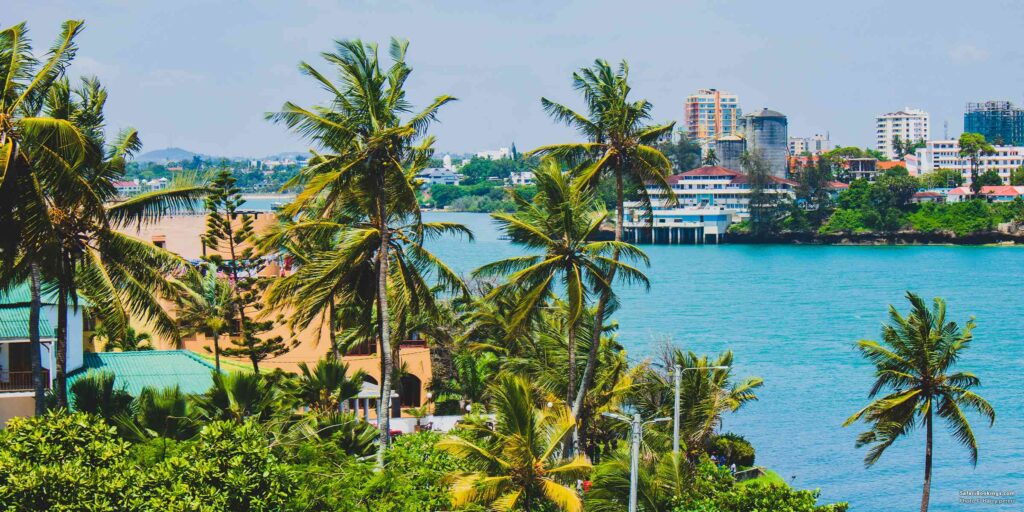
So, next time you find yourself gazing at the turquoise waters of Mombasa, take a day to wander inland — into a world where history still lives, and where adventure begins the moment you start walking.