Kenya, a land renowned for its expansive landscapes and rich wildlife, offers unmatched safari experiences. This article examines whether embarking on a Big Five safari tour in Kenya is truly worth it, spotlighting the iconic Maasai Mara, Tsavo, and Amboseli National Parks. We delve into the thrilling adventures of encountering majestic animals in their natural habitats.
Encountering the Big Five: A Safari Adventure Worth Taking
Encountering the iconic Big Five—lions, leopards, rhinoceroses, elephants, and African buffaloes—is an adventure that taps into the heart of Africa’s untamed majesty. Originating from big-game hunting, the term ‘Big Five’ represents the quintet of animals considered to be the most challenging and dangerous to hunt on foot. Today, this term is synonymous with the wildlife experience of a lifetime, drawing adventurers and conservationists alike to Kenya’s protected reserves. Each animal of the Big Five boasts unique characteristics that distinguish them in the wild: the regal lion, with its powerful roar echoing across the savanna; the elusive leopard, a master of camouflage and agility; the mighty rhinoceros, symbolizing brute force yet threatened into near extinction; the majestic elephant, representing wisdom and social complexity; and the imposing African buffalo, known for its unpredictability and strength. These creatures are more than just tourist attractions; they are vital components of the African ecosystem, playing critical roles in maintaining the ecological balance.
Kenya’s commitment to conservation is evidenced by the thriving populations of these species within its borders, making the country a premier destination for wildlife tourism. The quest to spot the Big Five in their natural habitats offers an unparalleled sense of adventure and accomplishment. However, it is witnessing these magnificent animals living freely under the African sun that provides the most lasting impression, underscoring the importance of preservation efforts. For visitors, the experience is as educational as it is exhilarating, offering insights into the complex interplay of Africa’s ecosystems. The thrill of the safari adventure, combined with the opportunity to observe these icons of the wild, affirms Kenya’s status as a sanctuary for some of the planet’s most awe-inspiring wildlife. Beyond the allure of the Big Five, Kenya’s dedication to their protection highlights the country’s role as a leader in ecological tourism, promising unforgettable adventures for those who embark on this journey.
Exploring Kenya’s Iconic National Parks: Masai Mara, Tsavo, and Amboseli
Following the exploration of the Big Five, Kenya’s safari adventure further unfolds as we venture into its iconic national parks: Masai Mara, Tsavo, and Amboseli. Each park offers a unique tapestry of ecosystems and wildlife spectacles, making Kenya a premier safari destination.
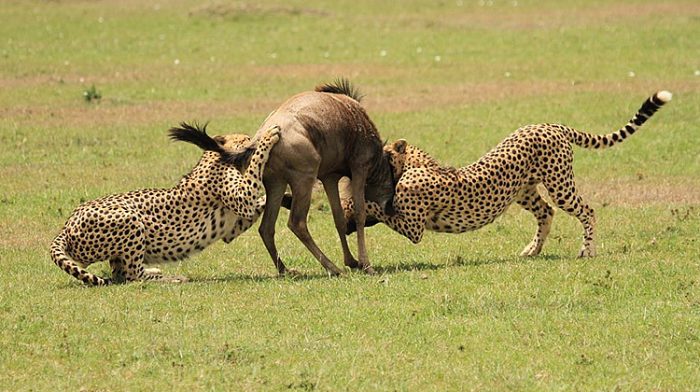
The Maasai Mara is renowned for the Great Migration, a breathtaking natural wonder where millions of wildebeests and zebras traverse the savannas, pursued by predators in a life-and-death drama. This event underscores the rich biodiversity and ecological significance of the Mara ecosystem, vital for conservation and cultural heritage.
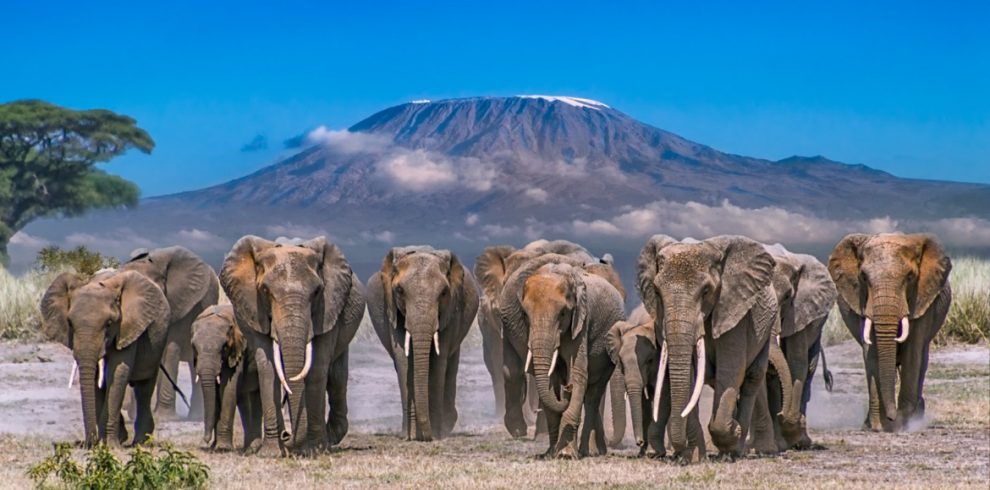
Tsavo National Park, known for its vast landscapes and red-dust elephants, presents a different aspect of Kenya’s wildlife. Its dramatic scenery features diverse habitats, from savannahs to mountains and rivers, harboring a wide array of fauna. Conservation efforts here focus on safeguarding species like elephants and combating poaching, emphasizing the park’s role in biodiversity preservation.
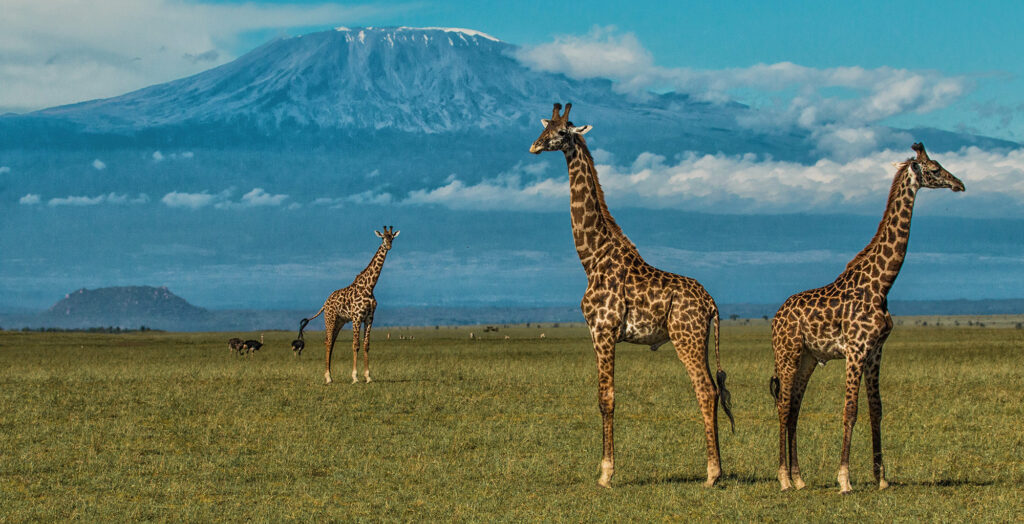
Amboseli National Park offers iconic views of Mount Kilimanjaro, framed by large elephant herds that grace its plains. This park is a testament to the intricate relationship between large mammals and their environments, showcasing the importance of water sources and vegetation in supporting wildlife populations. Conservation in Amboseli targets habitat preservation and mitigating human-wildlife conflicts, essential for sustaining its ecological balance.
These parks highlight the interconnectedness of ecosystems, conservation, and cultural heritage, reflecting the complexity of natural preservation and the necessity of safeguarding these landscapes for future generations. Through careful management and sustainable tourism, Kenya’s national parks continue to be bastions of wilderness and wildlife conservation, offering profound insights into the natural world.
Conclusions
In conclusion, a Kenyan safari tour, packed with thrilling encounters with the Big Five and the rich offerings of Masai Mara, Tsavo, and Amboseli parks, provides an exhilarating and educational adventure. These experiences highlight the natural beauty and wildlife diversity of Kenya, making such tours not only memorable but also invaluable for wildlife conservation and cultural appreciation.