Kenya, a jewel in Africa’s crown, offers a spectacular array of wildlife and breathtaking landscapes. This article delves into the lives of Tsavo elephants and the enchanting ecosystems of Masai Mara, Tsavo National Park, and Amboseli National Park, unveiling the unique beauty and challenges these ecosystems face.
The Majestic Tsavo Elephants
The Tsavo elephants, residing within the expansive Tsavo National Park, are among Africa’s most iconic wildlife, celebrated for their immense tusks, some reaching the ground. Among these giants was Satao, a titan known for his enormous tusks, symbolizing the park’s natural heritage. Tragically, Satao fell victim to poachers in 2014, a grim reminder of the relentless threat poaching poses, driven by the lucrative ivory trade. Elephants play a crucial ecological role in Tsavo, shaping the landscape by facilitating seed dispersal and creating water access points for other animals during dry periods. Efforts to protect these majestic creatures are ongoing, with anti-poaching patrols and technology like aerial surveillance being employed to safeguard them from the constant danger posed by poachers, ensuring the legacy of the Tsavo elephants endures for future generations.
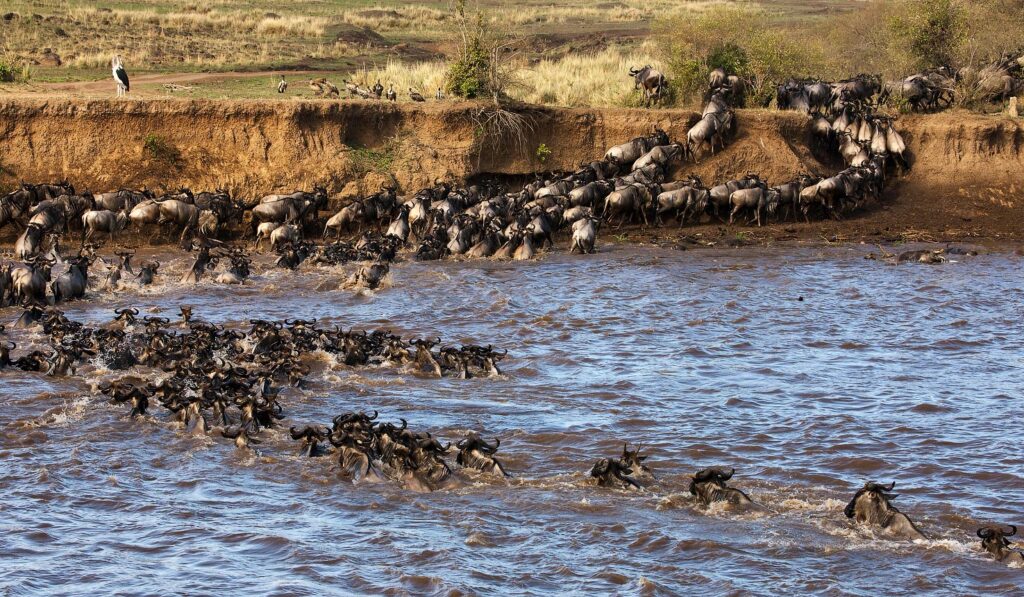
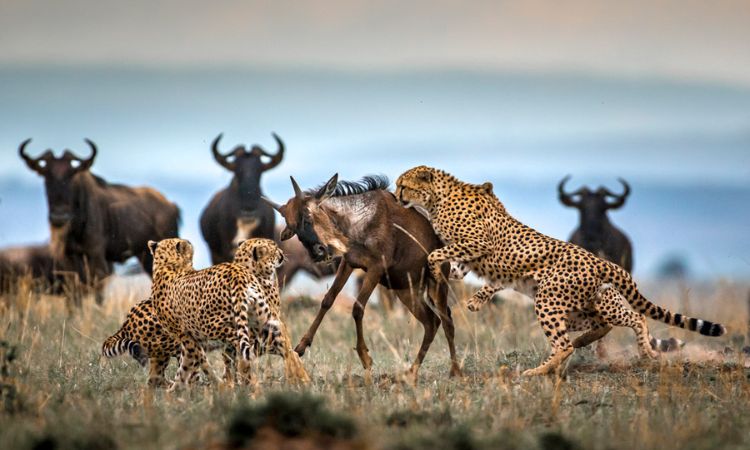
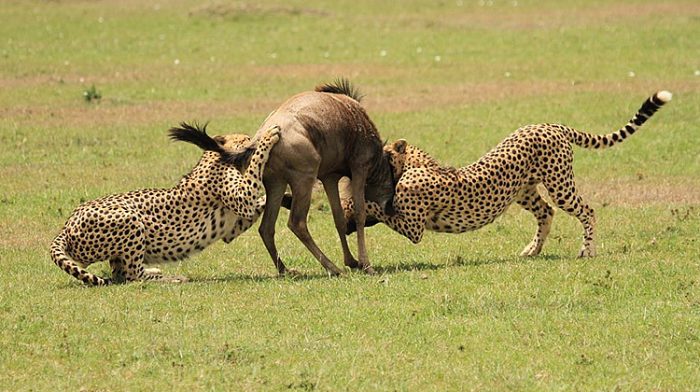
Transitioning from the dry, rugged landscapes of Tsavo, the Masai Mara National Park offers a stark contrast with its vibrant, wildlife-rich plains. Beyond the shadow of Tsavo’s elephants, the Mara is a testament to the diversity and abundance of African wildlife, hosting creatures from the mighty lions to the elusive cheetahs. However, the Mara is perhaps best known for the annual Great Migration, an awe-inspiring spectacle of life and survival as over a million wildebeest, accompanied by hundreds of thousands of zebras and antelopes, traverse its expanses in search of fresh pasture. This event not only underscores the richness of the Mara’s biodiversity but also highlights the intricate balance and interdependence within this ecosystem. The relationship between the Maasai people and the wildlife of Mara, rooted in centuries of coexistence, reflects a deeper understanding and respect for nature, embodying conservation practices that are key to sustaining this unique ecosystem for generations to come.
Linking these iconic destinations are the elephants of Amboseli National Park, known for their remarkable social structures and the backdrop of Mount Kilimanjaro. Amboseli offers another facet of Kenya’s diverse wildlife tapestry, emphasizing the interconnectedness of these ecosystems and the collective efforts required to protect them.
The Wonders of Masai Mara
The Wonders of Masai Mara: Delve into the rich biodiversity of Masai Mara, a renowned game reserve known for its abundant wildlife including lions, cheetahs, and the annual Great Migration of wildebeest. This unique event is a defining feature of the Mara, drawing spectators from around the globe to witness over two million wildebeest, zebra, and gazelles journey from the Serengeti in Tanzania to the lush grasslands of Kenya. Beyond its natural wonders, the reserve holds deep cultural significance through the enduring presence of the Maasai people. Their traditional nomadic lifestyle has coexisted with the region’s wildlife for centuries, offering a living example of how humans can live in harmony with nature. Integral to this symbiosis are community-led conservation efforts that not only protect the iconic species inhabiting the area but also sustain the Maasai’s ancestral lands and way of life. These practices, from safeguarding migration corridors to mitigating human-wildlife conflicts, are vital in preserving the balance of this vibrant ecosystem.
Amboseli and Tsavo National Parks
Following the vibrant explorations in the Masai Mara, the journey through Kenya’s natural heritage leads us into the distinct landscapes and profound conservation stories of Amboseli and Tsavo National Parks. Amboseli National Park, renowned for its serene beauty and stunning views of Mount Kilimanjaro, presents an ecosystem rich in biodiversity, especially known for its abundant birdlife and large herds of elephants. The park’s compact size belies the vastness of its panoramic horizons, dominated by the towering magnificence of Kilimanjaro. This juxtaposition of the snowy peak against the acacia-dotted plains offers one of Africa’s most iconic landscapes.
Contrastingly, Tsavo National Park, Kenya’s largest national park, unfolds in a vast exhibition of geological diversity. From the sprawling savannahs to the rugged terrain of the Yatta Plateau and the lush greenery surrounding the Galana River, Tsavo offers an unparalleled spectrum of ecosystems. This diversity supports a wide array of wildlife, including the legendary “man-eaters of Tsavo,” a testament to the park’s wild and untamed nature.
The conservation challenges in both parks, although varied, underscore the critical importance of preserving these landscapes as a part of Kenya’s natural heritage. In Amboseli, human-wildlife conflict and climate variability threaten the delicate balance that has existed for centuries. Meanwhile, Tsavo’s vastness and its location amidst human settlements pose significant anti-poaching and human-wildlife conflict management challenges. Addressing these issues requires innovative conservation strategies and community involvement, ensuring the survival of not only the elephants, famed for their impressive tusks, but the entirety of biodiversity within these parks. The interconnectedness of ecosystems, such as between Amboseli and Tsavo, highlights the necessity for comprehensive conservation efforts that go beyond park borders, preserving the natural heritage of Kenya for generations to come.
Conclusions
Kenya’s national parks provide an extraordinary glimpse into the diverse and vibrant ecosystems of East Africa. From the iconic Tsavo elephants to the rich biodiversity of Masai Mara and Amboseli, these parks are crucial for wildlife conservation. Continual efforts to combat poaching and support local communities are essential to preserving these natural wonders for future generations.