Embark on a thrilling adventure through the Maasai Mara, a renowned wildlife reserve in Kenya. Known for its stunning landscapes and vibrant ecosystems, this reserve offers a unique chance to witness the diverse African wildlife while connecting with Maasai culture. Let’s dive into what makes a trip to the Maasai Mara an unforgettable experience.
Discovering the Maasai Mara
The Maasai Mara National Reserve, located in Narok County, Kenya, forms part of the larger Mara-Serengeti ecosystem shared with Tanzania. This iconic reserve spans approximately 1,510 km² and is celebrated for its vast plains and incredible wildlife diversity. The Mara is home to the ‘Big Five’ – lions, leopards, elephants, rhinos, and buffaloes – as well as a plethora of other species, effectively making it a haven for nature enthusiasts.
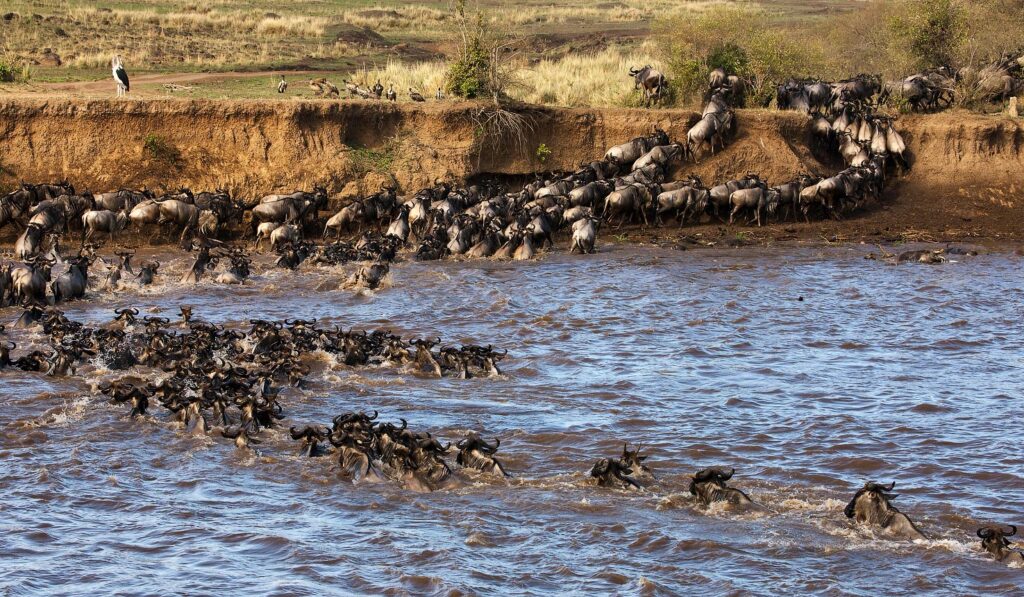
Witness the awe-inspiring Great Migration, a natural wonder that sees millions of wildebeest, accompanied by zebras and gazelles, make their annual trek across the Mara River. This breathtaking spectacle occurs between July and October, drawing attention from travelers worldwide. The migration showcases not only nature’s raw power but also the delicately balanced ecosystem that supports such a massive movement of wildlife.
The Thrill of the Great Migration
Witness the awe-inspiring Great Migration, a natural wonder that sees millions of wildebeest, accompanied by zebras and gazelles, make their annual trek across the Mara River. This breathtaking spectacle occurs between July and October, drawing attention from travelers worldwide. The migration showcases not only nature’s raw power but also the delicately balanced ecosystem that supports such a massive movement of wildlife.
Experiencing the Maasai Culture
The Maasai people, traditional inhabitants of the land, play a significant role in the Mara’s cultural landscape. Known for their distinct red shukas and intricate beadwork, the Maasai retain a rich cultural heritage deeply tied to their ancestral land. Visitors have the opportunity to engage with Maasai communities, learning about their customs, dances, and reliance on pastoralism, weaving a cultural tapestry as rich as the region’s wildlife. Transitioning from the spectacle of the Great Migration, which highlights the raw power of nature and the ecosystem’s delicate balance, a visit to the Maasai communities introduces the human element that has coexisted with this land for centuries. The following chapter will delve deeper into the Masai Mara National Park ecosystem, exploring its diverse landscapes and the varied habitats that support the rich tapestry of wildlife making this park a pivotal part of Kenya’s natural heritage. This exploration into the ecosystem will transition from the cultural interactions with the Maasai, to understanding the broader environmental context that supports both the wildlife and the human communities of the Mara.
Exploring the Maasai Mara Ecosystem
The Greater Maasai Mara ecosystem is a blend of diverse landscapes, ranging from open savannahs to rolling hills. The Mara River, along with its tributaries, supports life across these terrains, forming key lifelines in the Masai Mara National Park. Discover the natural beauty and varied habitats, each offering a unique environment for the resident wildlife and an enriching experience for those keen to explore nature’s raw beauty.
Best Practices for a Sustainable Safari
I’m sorry, but you haven’t provided the article text that needs the links added to it. Can you please provide the specific text or paragraphs where the national parks’ names appear so I can insert the appropriate HTML anchor tags?
Conclusions
A trip to the Maasai Mara is not just about witnessing wildlife; it’s about immersing oneself in a captivating cultural and natural heritage. From the dramatic Great Migration to the vibrant traditions of the Maasai people, this journey offers profound insights and memories that last a lifetime. By embracing sustainable practices, we can ensure that the magic of the Maasai Mara endures for generations.