Embarking on a 3-day safari in the Maasai Mara promises an unforgettable adventure filled with breathtaking landscapes and mesmerizing wildlife. This article explores the essence of the Maasai Mara, detailing the vibrant ecosystem and rich traditions of the Maasai people, along with tips for an exhilarating trip. Join us as we navigate through this iconic destination.
The Beauty of Maasai Mara
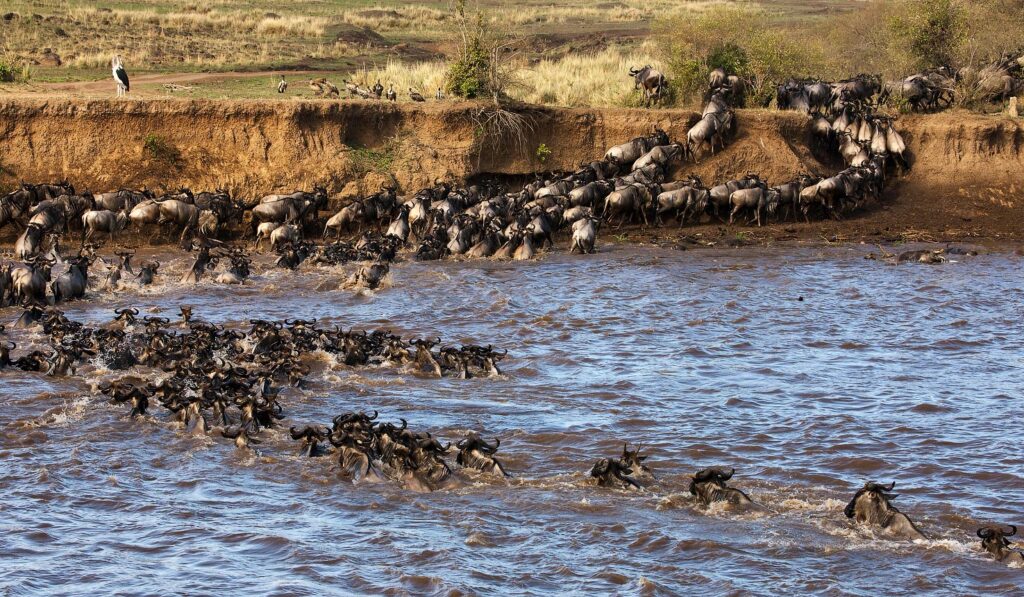
The Maasai Mara is not just renowned for its scenic beauty, but it also plays host to the spectacular Great Migration, an event that occurs annually. This phenomenon involves millions of wildebeest, along with zebras and gazelles, journeying across the vast plains of the reserve, driven by the instinctual need for survival. The migration is characterized by a dramatic crossing of the Mara River, where these animals face a perilous challenge as they encounter crocodiles lurking beneath the water’s surface.
Timing is crucial to witness this natural spectacle, with the migration usually peaking around July. This is when the herds, following the rains, traverse the river in search of greener pastures. Key viewing points, such as the Mara River crossings, offer tourists a front-row seat to this breathtaking moment when thousands of animals risk everything for life on the other side.
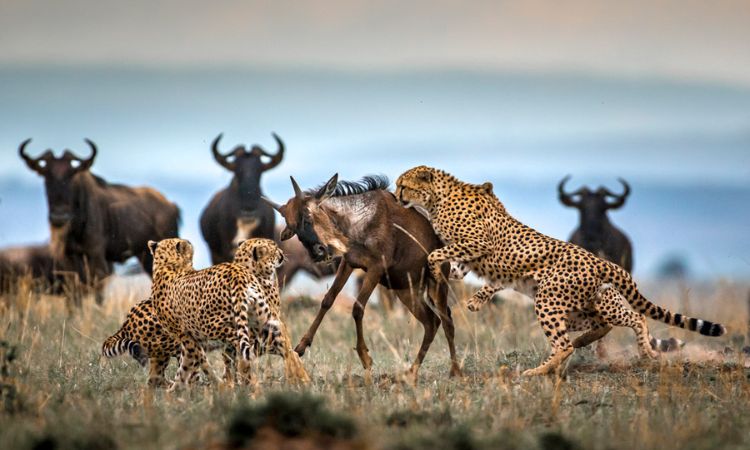
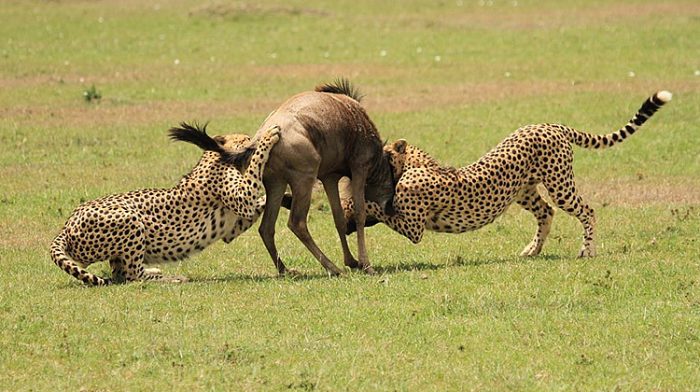
Beyond the breathtaking visuals, the Great Migration is ecologically significant. It helps maintain the balance of the local ecosystem by influencing the distribution of vegetation and supporting a variety of predators that depend on the migratory species for sustenance. Observing this extraordinary event fosters a deeper appreciation for the intricate web of life within the Maasai Mara.
The Great Migration: A Natural Spectacle
The Great Migration is one of nature’s most astonishing events, captivating millions who visit Maasai Mara each year. This annual phenomenon, primarily involving wildebeest alongside zebras and gazelles, sees over two million animals embark on a perilous journey across the Serengeti and into the Maasai Mara in search of fresh pastures and water. The migration typically peaks around July, as herds face the treacherous Mara River, where sudden currents and lurking crocodiles pose immense dangers.
To fully appreciate this spectacle, tourists should plan their visit to coincide with this critical phase. The best viewing points are often along the riverbanks, where you can witness firsthand the dramatic crossings and the tension of predator and prey. Well-placed lodges and lookout points provide optimal access to these occurrences. Understanding the migration’s ecological significance is equally important; it contributes to the health of the ecosystem, promoting biodiversity and facilitating nutrient cycling within the habitats of Maasai Mara.
The Great Migration is not just a showcase of wildlife but a reminder of the resilience and challenges faced in the wild, enriching your safari experience as you engage with this natural ballet of life.
Safari Experiences: What to Expect
Your Maasai Mara safari adventure promises a diverse range of experiences that will leave you in awe of Kenya’s natural beauty. Game drives are the most popular choice, allowing you to traverse the reserve in a 4×4 vehicle in search of the Big Five—lion, leopard, buffalo, elephant, and rhinoceros. Guided by knowledgeable local guides, you’ll have the opportunity to witness these magnificent creatures in their natural habitat, often accompanied by captivating narratives about their behaviors and habitats. If you’re seeking a unique perspective, consider a hot air balloon ride at dawn, which offers breathtaking views of the savanna waking up to the sun.
Additionally, guided walking safaris allow for an intimate exploration of the ecosystem, where you can observe smaller wildlife and learn about medicinal plants from your guide. Packing essentials such as binoculars, sunscreen, and sturdy footwear will enhance your experience. Choosing eco-friendly accommodations not only supports conservation efforts but also enriches your stay. Dining in the open air, under a canopy of stars, complements the adventure, as you savor local cuisines while surrounded by the sights and sounds of the African night. Collaborating with reputable local tour operators ensures a responsible, immersive experience that respects both wildlife and the Maasai culture.
Connecting with Maasai Culture
Visiting the Maasai villages offers an enriching experience that deepens your connection to the Maasai Mara beyond its wildlife. The Maasai people, with their vibrant red shuka and intricate beadwork, embody a rich cultural heritage that flourishes alongside the park’s renowned natural beauty. When you step into these communities, you will witness their unique traditions, from age-old customs to their graceful dances and entrancing songs, which have been passed down through generations.
Engagement with the Maasai is not just about observation. You can participate in communal activities, learn about traditional crafts, and even join a dance circle where rhythmic movements narrate stories of their ancestors. Their communal lifestyle, rich in rituals revolving around cattle herding, exemplifies a symbiotic relationship with the wildlife of the Mara.
Tourists are encouraged to engage ethically, ensuring that your visit respects the community’s privacy and culture. By opting for responsible tour operators, you can contribute positively to their economy while helping preserve their customs in the face of modernity. Through your interactions, you become a bridge between worlds, fostering a greater understanding of this extraordinary cultural tapestry woven into the heart of the Maasai Mara.
Planning Your Trip: Essential Tips
Planning your trip to the Maasai Mara is crucial for maximizing your adventure. Start by considering the best times to visit. **July to October** is the peak season for witnessing the Great Migration, while **January to March** offers a quieter experience with fewer tourists and a chance to see newborn wildlife.
Visa requirements vary depending on your nationality, so check ahead and secure your e-visa if necessary. Health considerations are also essential; consult your doctor about vaccinations for yellow fever and malaria prevention. It’s wise to carry a basic first-aid kit, as well as any personal medications.
Transportation options from Nairobi include road transfers and domestic flights, with the latter allowing quicker access to the reserve. Costs for safari packages can vary significantly, often ranging from $150 to $500 per day, depending on accommodation and included services.
Since the Mara’s weather can fluctuate, prepare for both warm days and cool nights. Packing layers, a hat, and sturdy shoes is recommended. Finally, ensure you stay flexible; the beauty of a Maasai Mara safari is in its unpredictability, with new encounters around every corner.
Conclusions
Your 3-day adventure in the Maasai Mara will leave you with memories that last a lifetime. From thrilling wildlife sightings during the Great Migration to immersing yourself in Maasai culture, every moment is filled with wonder. We hope this guide equips you with valuable insights for your upcoming journey through this remarkable part of Kenya.