Embarking on a safari in Maasai Mara is a dream for many wildlife enthusiasts. This article delves into the optimal times to visit this Kenyan reserve, ensuring travelers can witness the majestic beauty and natural phenomena exclusive to the region.
The Maasai Mara Ecosystem
The Maasai Mara Ecosystem: Explore the diverse and expansive ecosystem of the Maasai Mara, detailing its geography, native flora and fauna, and the intricate relationships that make it a unique wildlife habitat.
Nestled in the heart of Kenya, the Maasai Mara National Park is a biodiversity hotspot, playing host to some of the most spectacular wildlife spectacles on the planet. Its vast grasslands, dotted with acacia trees, create an iconic East African landscape that supports a rich tapestry of life. Home to the famed Big Five – lions, leopards, elephants, buffalo, and rhinoceros – the Maasai Mara offers unparalleled opportunities to observe these magnificent animals in their natural habitat.
Beyond its megafauna, the Maasai Mara ecosystem is a complex web of interdependent organisms. From the smallest insects to the towering giraffes, every life form plays a crucial role in maintaining the health and balance of the ecosystem. The annual Great Migration, a phenomenon involving over two million wildebeest, zebras, and antelopes traveling between the Maasai Mara and the Serengeti, is a powerful testament to the interconnectedness of this ecosystem. This migration not only shapes the landscape and biodiversity of the region but also supports the Maasai communities that have coexisted with these wild animals for centuries.
The region’s flora is equally diverse, offering sustenance and shelter to its fauna. The grasslands, which undergo a dramatic transformation with the seasons, are punctuated by riverine forests and shrublands, providing a variety of habitats. This diversity of plant life not only supports the vast numbers of herbivores but also contributes to the Mara’s scenic beauty.
A visit to the Maasai Mara is a journey into the heart of Africa’s wildlife, offering a window into the complexities of ecological relationships and the beauty of life in one of the world’s most untamed landscapes.
Weather Patterns and Seasons
Understanding the climatic conditions of Maasai Mara is crucial for planning the ultimate wildlife experience. Maasai Mara enjoys a moderate climate year-round, but it’s the rainfall that dictates the rhythm of life here. The reserve has two main rainy seasons: the long rains from late March to May, and the short rains from October to December.
During the long rains, the reserve transforms into a lush, green landscape, offering fresh grazing for herbivores and spectacular scenes of new life. However, this period can challenge travel as roads become muddy and difficult to navigate. The heavy downpours also disperse wildlife, which can make animal sightings more sporadic and unpredictable.
Conversely, the short rains bring a balance between accessibility and abundant wildlife viewing. Post-rain showers leave the grasslands vibrant and water sources replenished, attracting a variety of animals and birthing seasons for many species.
These seasonal patterns directly influence the timing of the Great Migration, a pivotal event discussed in the following chapter. Travelers seeking to witness the legendary spectacle of thousands of wildebeest, zebra, and gazelles traversing the Mara River must consider these weather cycles, as the migration’s movement is intricately tied to the availability of fresh grazing and water. The dry season, which falls between the long and short rains, offers the most reliable opportunities for witnessing this astonishing natural wonder in full swing. During these months, the reserve’s iconic savannahs provide not just the stage for the migration, but also exceptional game viewing, as predators and prey navigate the harsh, dry landscape.
The Great Migration – A Phenomenal Journey
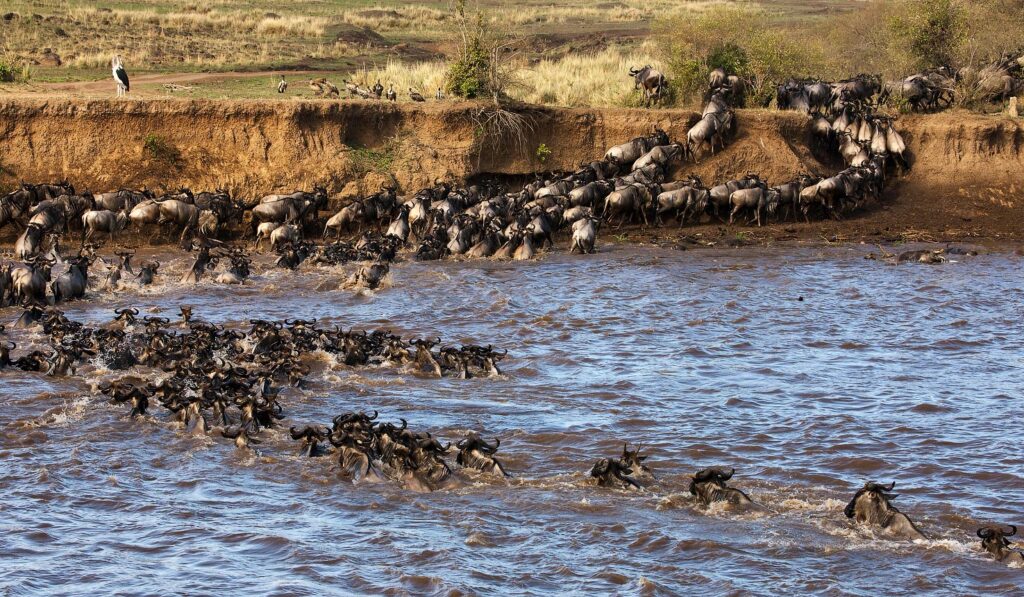
Following the analysis of climatic conditions, it becomes clear that the dry seasons offer a distinct viewpoint into the lifecycle of Maasai Mara’s ecosystem, particularly during the Great Migration – a world-renowned event that defines the essence of the African wild. This spectacular phenomenon typically unfolds between July and October, when over a million wildebeest, zebra, and gazelle traverse the treacherous waters of the Mara River in search of greener pastures.
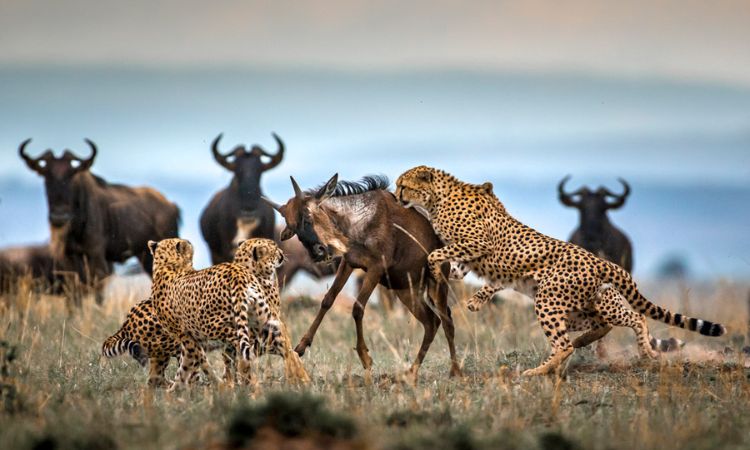
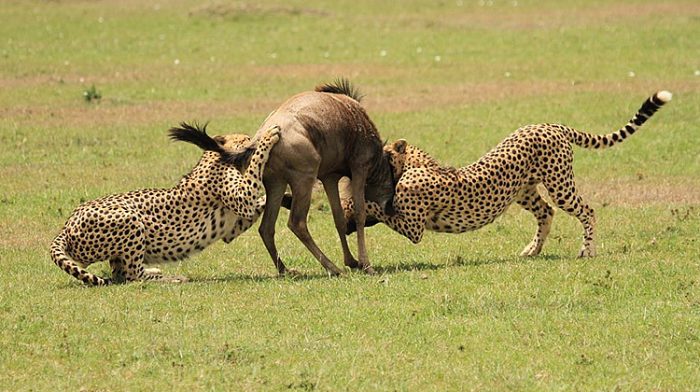
This annual journey not only highlights the resilience and instinctual migrations of these species but also significantly impacts the resident predator populations. Lions, leopards, cheetahs, and crocodiles particularly benefit, marking this period as a dramatic spectacle of survival.
For visitors, the Mara River crossing points offer the best vantage spots to witness this natural marvel. Detailed knowledge of the migration patterns and timing can enhance the viewing experience, allowing observers to capture moments of intense action and raw natural beauty. Engaging with experienced guides, perhaps through the Masai Mara National Park Safari, can provide invaluable insights into the migration’s dynamics and ensure the best positions for observation within the vast landscapes of the Mara. This period unmistakably represents the pinnacle of wildlife viewing in the reserve, seamlessly connecting to the broader dynamics of predator-prey interactions and the overall biodiversity of the region.
Wildlife Watching Opportunities
Beyond the Great Migration, the Maasai Mara National Park offers unparalleled wildlife watching opportunities year-round. The park’s abundant big cats, including lions, leopards, and cheetahs, are observed throughout the year, engaging in their natural behaviors, from hunting to nurturing their young. Bird enthusiasts will revel in the diversity of species present, with over 470 varieties, including migrants and residents, ensuring a rich birding experience in all seasons.
The wildlife dynamics in Maasai Mara change with the seasons. Post the migration period, the plains dwellers such as the zebras and wildebeests, which are spread out during the migration, concentrate around water sources, making for excellent game viewing. The dry season, from June to October, is particularly favorable for watching the big cats in action, as the sparse vegetation provides less cover for their prey. Conversely, the green season, from November to May, brings about a transformation in the landscape, with abundant vegetation and newborn animals, offering a different yet equally mesmerizing experience. Despite the overarching presence of the migration spectacle, Maasai Mara’s constant flux of natural events promises a unique adventure across the calendar.
Crowd Dynamics and Travel Peaks
Following the exploration of the year-round wildlife watching opportunities in Masai Mara National Park, understanding the dynamics of crowd patterns plays a pivotal role in planning the safari experience. Masai Mara witnesses varying visitor patterns throughout the year, significantly influenced by the Great Migration between July and October, marking the peak season. During this time, lodges are at full capacity, and safari vehicles crowd popular river crossing sites, offering a mix of exhilarating wildlife spectacle and bustling tourist activity.
Conversely, the off-peak seasons, particularly November to June, offer a distinctly different experience. With fewer tourists, these periods allow for more intimate wildlife encounters and personalized safari experiences. The lush landscape post-rains and abundant resident wildlife, including the big cats and diverse bird species, remain a draw. Off-peak visits also offer the advantage of competitive rates and serene landscapes, providing a contrast to the peak season’s vibrancy.
Strategically selecting the timing of a visit, therefore, hinges not only on the wildlife spectacle desired but also on the preference for crowd sizes and the type of safari experience sought. This consideration seamlessly leads into the next topic of accommodation options, where choices may be influenced by seasonal variations and desired experiences within and around Masai Mara.
Accommodation Options
Understanding the visitor dynamics and how seasons affect crowd density is crucial when planning your stay in the Maasai Mara National Park. As discussed, peak seasons bring in more visitors, impacting accommodation availability and pricing. In contrast, during the off-peak seasons, one can enjoy more tranquility, often at a lower cost.
The Maasai Mara offers a broad spectrum of accommodation options, from luxury tented camps to budget-friendly lodges, each providing a unique way to experience the wilderness. In peak seasons, like during the Great Migration from July to October, securing a spot in these exclusive lodges or camps requires early booking, sometimes a year in advance, due to high demand. Visitors during this time are eager to witness the spectacular wildlife events, thus accommodations close to the Mara River, where the dramatic river crossings occur, are particularly sought after.
However, in the off-peak seasons, such as from March to May, one may have the luxury of choice and even negotiate better rates. The accommodation ambiance also changes with the seasons; the rainy season brings lush, vibrant landscapes, making it a perfect backdrop for lodges that blend into nature. During this quieter time, guests enjoy more personalized services, and some lodges offer special activities or discounts.
Choosing the right accommodation is also influenced by the type of experience you seek. For instance, those focusing on photographic expeditions may prefer camps that offer professional photography guides and vehicles equipped for the best shooting angles, which is pertinent to the following discussion on planning photographic safaris in the Maasai Mara. The seasonal aspect is essential here as well, as different lighting conditions and wildlife behaviors are pivotal for capturing the perfect shot.
Photographic Expeditions
Following an exploration of accommodation options that enhance your stay during different seasons, turning our focus towards photographic expeditions reveals another lens through which the dynamic landscape and wildlife of Maasai Mara can be appreciated uniquely. To capture the essence of Maasai Mara through photography, understanding the interplay between light, landscape, and wildlife across varying seasons is vital. The golden hours of sunrise and sunset, offering softer, warmer hues, are universally acclaimed among photographers. Yet, in Maasai Mara, these moments also coincide with active wildlife behaviors, especially during the cooler dry season from June to October. This period not only promises clear skies and minimal rainfall but also the Great Migration, a time when the Mara becomes a pulsating stage for one of the world’s most spectacular wildlife events. On the flip side, the wet season brings about a rejuvenation of the landscape, where new life flourishes, and the lush greenery creates a vibrant backdrop, ideal for photographers keen on landscapes and intimate wildlife portraits. This season challenges photographers to capture the essence of renewal and abundance in the Mara ecosystem. Considering the preceding discussion on accommodations, choosing a stay that offers proximity for early rises or late evening shoots during these prime photography months can significantly enhance the logistical ease of photographic expeditions. Next, aligning photographic pursuits with conservation and sustainable tourism efforts not only elevates the purpose of your visit but also ensures that the beauty of Maasai Mara is preserved for future generations to witness and admire.
Conservation and Sustainable Tourism
Following a detailed exploration of the best seasons for photographic safaris, focusing particularly on the Maasai Mara’s unique lighting and wildlife activity, it becomes crucial to delve into the aspect of conservation and sustainable tourism within the Maasai Mara National Reserve. Conservation efforts in Maasai Mara are paramount, not only for the preservation of its diverse ecosystems but also for ensuring the continuity of the natural phenomena that draw visitors from around the globe.
Integrating sustainable tourism practices is at the heart of Maasai Mara’s management. These initiatives are designed to minimize the environmental impact of tourism, protect wildlife, and support local communities. Visitors are encouraged to engage with these conservation efforts through controlled visitation schedules, eco-friendly accommodations, and participation in community outreach programs. Understanding that the Maasai Mara is a fragile environment, the reserve’s management works tirelessly to strike a balance between allowing visitors to experience its wonders and preserving it for future generations.
The best times to engage with conservation initiatives in Maasai Mara intertwine closely with the timing of the annual wildebeest migration, typically from July to October. This period not only showcases the reserve’s wildlife spectacles but also emphasizes the importance of conserving an ecosystem that supports one of the world’s most awe-inspiring natural events. Outside of these peak months, the green season, from November to June, offers a different perspective on the reserve’s biodiversity and is a critical time for conservation activities focused on habitat restoration and anti-poaching efforts.
Engaging with Maasai Mara’s conservation and sustainable tourism efforts offers an enriching extension to the photographic journeys described previously. It provides a deeper understanding of the delicate balance between mankind and nature. As we transition into the following chapter, the focus shifts from the land and its wildlife to the people who have called it home for centuries—the Maasai. Visitors’ interactions with the Maasai community offer another layer of richness to the experience, highlighting the cultural significance of this community, their deep connection to the land, and how to engage respectfully with them throughout the year.
Cultural Interactions with the Maasai
Building upon the ethos of conservation and sustainable tourism in Masai Mara National Park, understanding and respecting the indigenous Maasai culture is integral for every visitor. The Maasai have maintained a symbiotic relationship with this land for centuries, their lifestyle and survival deeply intertwined with the conservation of the Mara ecosystem. Visitors have the unique opportunity to engage with the Maasai people, gaining insights into their traditional practices, values, and knowledge about the wildlife and natural resources.
Engaging with the Maasai is about more than mere observation; it’s about participation and respect. Schedule visits to local villages or manyattas are coordinated to ensure minimal disruption, allowing for immersive experiences such as learning the art of beadwork, understanding the significance of cattle in their culture, and even partaking in traditional dances. These interactions provide a deeper understanding of how the Maasai’s practices have evolved to support conservation efforts.
Timing your visit can enhance this cultural exchange. During the dry season, when wildlife viewing is at its peak, the Maasai’s ceremonies, including the Eunoto ceremony which marks the transition of warriors to elder status, may coincide with your visit. Participating or witnessing such events can be a profoundly moving experience, offering unparalleled insight into the fabric of Maasai life.
Beyond cultural immersion, your visit supports the Maasai community directly. Many safari tours include community fees that fund local projects – from schools to healthcare facilities. This symbiotic relationship between visitors, conservation, and community welfare exemplifies sustainable tourism in action.
As we segue into practical advice on preparing for your safari, it’s crucial to carry this understanding and respect for the Maasai culture with you. Understanding the significant cultural heritage of the area enriches your safari experience, turning an ordinary trip into a profound journey of discovery.
Preparing for Your Safari
After immersing yourself in the rich cultural tapestry of the Maasai people and gaining insights into their profound connection with the land, your next step is preparing for an unforgettable safari experience in the Maasai Mara National Park. To ensure a seamless adventure, meticulous preparation is key.
Packing essentials should include lightweight, breathable clothing for the daytime and warmer layers for cooler evenings. Opt for neutral colors that blend with the natural environment. Don’t forget a sturdy pair of walking shoes, a wide-brimmed hat, sunglasses, and a high-factor sunscreen to protect against the equatorial sun. Given the dusty terrain, consider bringing a dust-resistant bag for cameras and electronic devices. Binoculars will enhance your game-viewing experience, allowing close-up views of wildlife from a safe distance.
Health considerations are paramount. Consult with a travel health clinic or your physician regarding vaccinations and antimalarials well in advance of your trip. The CDC recommends vaccinations against hepatitis A, typhoid, and yellow fever for travelers to Kenya. Ensure your routine vaccinations, such as influenza, measles, and tetanus, are up to date. Malaria prophylaxis is advised for all travelers to the Maasai Mara region. Bring a supply of insect repellent with DEET and consider treating clothing with permethrin to repel insects.
Understanding the seasonality and choosing the right time for your visit can significantly impact your safari experience. The Maasai Mara is globally renowned for the Great Migration, a spectacular annual event where vast herds of wildebeest and zebra traverse the plains in search of fresh pasture. Peak migration season, from July to October, offers dramatic river crossings and is a prime time for wildlife viewing. However, the “green season” months, November to June, also offer unique opportunities for bird watching, fewer crowds, and lower rates.
Navigating through the Maasai Mara requires respect for both the wildlife and the local Maasai communities. Adhering to park rules, maintaining a safe distance from animals, and minimizing environmental impact ensures a responsible and enriching safari experience. Engaging with local guides not only enhances your understanding of the ecosystem but also supports the local economy.
In preparation for your journey to the Maasai Mara, blending cultural respect, environmental awareness, and thorough travel planning will pave the way for a safari adventure of a lifetime.
Conclusions
In conclusion, the Maasai Mara offers unparalleled wildlife spectacles throughout the year. By choosing the right time for your visit, you can experience the grandeur of the Great Migration, encounter a plethora of wildlife, and enjoy comfortable safari conditions.