Embark on a journey to discover the majestic wildlife and breathtaking landscapes of Amboseli National Park. This introduction will guide you through the essential steps of organizing the perfect safari, turning your dream African adventure into reality.
Understanding Amboseli National Park
Understanding Amboseli National Park: Delve into the history and ecological significance of Amboseli National Park. This chapter will explore the park’s creation, habitat diversity, local Maasai culture, and its renowned elephant population, particularly the story of Echo, the most researched elephant.
Best Time to Visit Amboseli
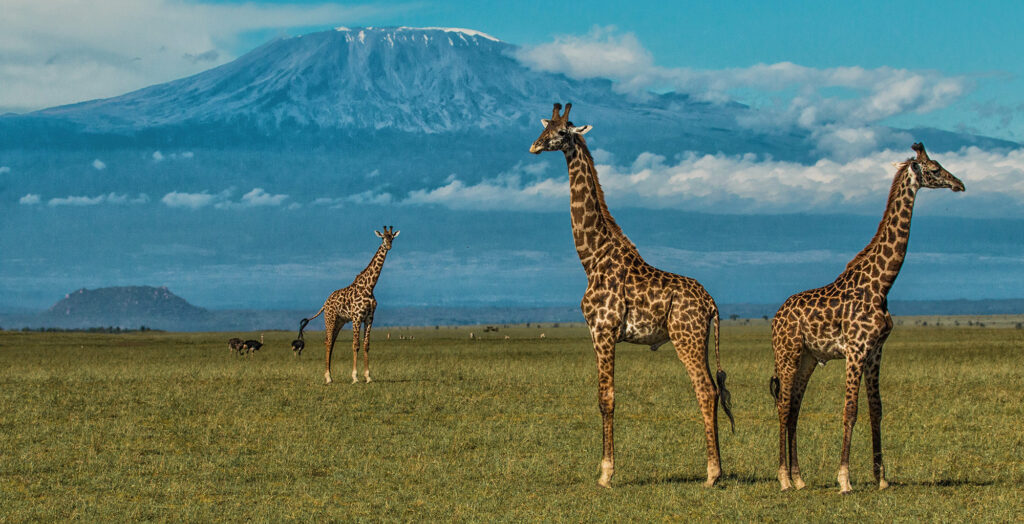
Understanding the seasonal dynamics of Amboseli National Park is crucial for planning your dream safari. The park experiences two distinct seasons: dry and wet. During the dry season, spanning from June to October and January to February, wildlife congregates around the remaining water sources, making them easier to spot. This period offers clear skies and excellent conditions for photography, with Mount Kilimanjaro often visible in the background. Conversely, the wet season, from March to May and November to December, transforms the landscape into a lush paradise, attracting migratory birds and resulting in dramatic scenery. However, accessibility can be challenging due to the rains. For those keen on witnessing large herds and predator action, the dry season is recommended. If bird watching and enjoying the park’s flora are your primary interests, the wet season will be ideal. Balancing your preferences with these seasonal dynamics will enhance your Amboseli safari experience.
Choosing Your Safari Package
Choosing Your Safari Package:
Determining the right safari package for your visit to Amboseli National Park is essential for creating your dream trip. Amboseli offers a variety of safari options catering to different budgets, preferences, and adventure levels. The main types of packages include lodge safaris, camping trips, and luxury tours.
Lodge safaris offer a comfortable and often luxurious stay in well-appointed lodges or tented camps within or near the park. These packages are ideal for those who wish to enjoy the wilderness without sacrificing comfort. Catering to a range of budgets, lodge safaris vary from moderately priced accommodations to high-end luxury options.
For the more adventurous traveler, camping trips provide an up-close and personal experience with nature. These packages range from basic where you pitch your tent in designated areas to more sophisticated setups with mobile camps equipped with necessary amenities. Camping is a less expensive option and allows for a deeper connection with the wild.
Luxury tours are designed for those seeking an exclusive and indulgent experience. These tours often include stays in top-tier lodges or luxury tented camps, private game drives with experienced guides, gourmet meals, and sometimes even spa treatments. Luxury tours offer personalized experiences tailored to the client’s desires but come at a premium price.
When selecting a safari package, consider your personal preferences for comfort, adventure level, and budget. Understanding the seasonal changes in Amboseli, as discussed in the previous chapter, can also help decide the type of package that would offer the best experience. Following this, preparation for the safari is crucial. This includes travel insurance, vaccinations, and packing appropriately for the weather and activities, as outlined in the next chapter. Choosing the right package ensures a memorable and fulfilling Amboseli safari experience.
Pre-Safari Preparation
Once you’ve chosen your safari package, focusing on whether a lodge safari, a camping trip, or a luxury tour within Amboseli National Park best meets your adventure and comfort needs, it’s time to turn your attention to the vital pre-safari preparations. This phase is crucial to ensure that your trip is not just memorable, but also safe and comfortable.
First and foremost, securing comprehensive travel insurance is indispensable. Look for a policy that covers medical emergencies, trip cancellations, baggage loss, and, importantly, any activities deemed as high risk, which may include your safari adventure. This is not just a bureaucratic necessity; it’s peace of mind allowing you to fully immerse in the wonders of Amboseli without lingering worries.
Vaccinations are the next critical step. Consult with a travel health clinic or your physician well in advance of your trip regarding the recommended or required vaccinations for Kenya. These might include Yellow Fever, Typhoid, Hepatitis A and B, and Diphtheria. Malaria prophylaxis may also be advised due to the presence of mosquitoes in the region.
Your packing list will greatly depend on the time of year you’re visiting Amboseli. Lightweight, breathable clothing is essential for the warm days, while evenings can be surprisingly cool, necessitating a warm jacket or fleece. Opt for neutral colors that blend with the natural environment, which is especially important for walking safaris. Don’t forget a hat, sunglasses, and sunscreen for protection against the equatorial sun. A good pair of binoculars and a camera with a zoom lens will enhance your experience, allowing you to view and capture wildlife from a safe distance.
Considering your environmental impact and the cultural considerations when interacting with local communities and wildlife is paramount. Respect for local customs and traditions should guide your interactions. Ask permission before taking photographs of people, and consider supporting local economies by purchasing authentic handmade goods as souvenirs. Adhering to park rules, especially those designed to protect wildlife, ensures that your visit contributes positively to the conservation efforts in Amboseli.
As you move on to the next chapter, exploring the accommodation options within and around Amboseli National Park will further aid in fine-tuning your planning, ensuring that your safari experience is everything you’ve dreamed of and more. Whether you’re leaning towards a budget-friendly campsite or an opulent lodge, understanding what each type of accommodation has to offer will help you make the most informed decision for your incredible adventure ahead.
Accommodation Options in Amboseli
Following the comprehensive pre-safari preparations, selecting the right accommodation is crucial for an immersive Amboseli National Park experience. The choices range broadly from the rustic charm of budget-friendly campsites, ideal for those wanting to connect with nature under the African sky, to the unparalleled luxury of opulent lodges, offering stunning vistas of Mount Kilimanjaro. Each accommodation type promises a distinctive facet of safari life, deeply influencing the texture of your journey. Picking between the simplicity of tents and the indulgence of a lodge can pivot the adventure from a raw, close-to-nature escapade to a serene, comfortable retreat. Integrating seamlessly with the upcoming wildlife spotting adventures, where the essence of Amboseli unfolds, your stay can magnificently complement the wild explorations ahead. Lodges often offer guided tours and expansive views, enriching your safari with comfortable vantage points for photography and wildlife observation, bridging the gap to the next chapter of this grand adventure.
Wildlife Spotting in Amboseli
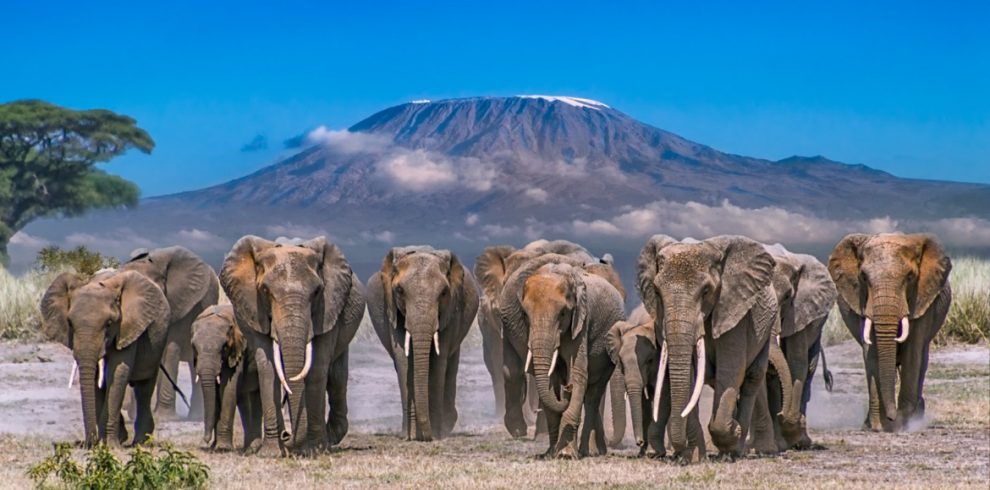
After selecting the perfect accommodation in or around Amboseli National Park, it’s time to focus on what truly draws adventurers to this part of Kenya: wildlife spotting. Amboseli is renowned for its large elephant herds, with the majestic Kilimanjaro providing a breathtaking backdrop for photography. To ensure the best animal sightings, especially of the ‘Big Five’ – elephants, lions, leopards, buffalos, and rhinos – early morning or late afternoon game drives are recommended. These times offer softer light for photography and a higher activity level among most species.
Opting for guided tours enriches the experience, as local guides possess unrivalled knowledge of the terrain and animal behavior, enhancing the chances of witnessing spectacular scenes. Key hotspots include the observation hill, which offers panoramic views of the park, including the wetlands where hippos and various bird species thrive.
Photographers, whether amateurs or professionals, will find Amboseli a haven for capturing wildlife in its natural habitat. For the best shots, consider investing in a good zoom lens to maintain a respectful distance. Remember to follow the park’s guidelines to minimize disturbances to the animals.
Ethically interacting with wildlife means keeping a safe distance, avoiding feeding the animals, and respecting their natural behaviors. It’s this respectful observation that ensures the preservation of Amboseli’s vibrant ecosystems for future generations. Following your wildlife adventures, the journey continues with cultural immersion, engaging with the Maasai people to understand their traditions and the impacts of tourism on their way of life.
Cultural Experiences and Maasai Interaction
Transitioning from the remarkable wildlife spotting in Amboseli National Park, a visit also offers an enriching opportunity to dive into cultural experiences, notably the interaction with the Maasai community. This integral part of your dream trip goes beyond the conventional safari, providing a gateway to understanding the symbiotic relationship between wildlife and human inhabitants of the region.
Engaging with the Maasai people during your Amboseli safari introduces you to a culture that has maintained a harmonious existence with nature for centuries. Community visits are curated to respect both the visitors and the hosts, ensuring a genuine insight into the Maasai way of life. You might find yourself welcomed with traditional dances, a vibrant expression of their rich heritage and a celebration of life. These performances offer a glimpse into the deep-rooted customs, beliefs, and social structures of the Maasai people.
However, the impact of tourism on their traditional way of life is multifaceted. On one hand, it has provided the Maasai community with an alternative income source, reducing the reliance on livestock and enabling improvements in local infrastructure, healthcare, and education. On the other, it poses challenges to cultural preservation, with increased contact with the outside world influencing changes in traditional practices.
The responsibility lies on both the visitors and the tour operators to ensure that these cultural exchanges promote respect, understanding, and sustainability. By choosing ethical safari packages that support local communities, tourists can contribute to a positive impact, aiding in the conservation of both the natural and cultural heritage of the Amboseli region.
Conservation Efforts in Amboseli
Building on the enriching cultural experiences with the Maasai, the journey through Amboseli National Park transitions into understanding and participating in the vital conservation efforts safeguarding this ecosystem. The Amboseli Elephant Research Project, a cornerstone in elephant conservation, plays a pivotal role in understanding elephant behavior and ecology, contributing significantly to the sustainable coexistence of wildlife and human communities within and around the park. This project, alongside collaborations with local and international organizations, focuses on anti-poaching measures, habitat restoration, and community-based conservation strategies that ensure the elephants and other species thrive. These initiatives not only help in preserving Amboseli’s wildlife but also enhance the visitor experience, offering insights into the importance of conservation and the ways tourists can contribute to these efforts. Engaging in such conversations and understanding the delicate balance of Amboseli’s ecosystem encourages responsible tourism and highlights the critical need to protect these natural treasures for future generations. Transitioning from the immersive cultural interactions to the heart of Amboseli’s wilderness, the journey continues to unfold, guiding you through the meticulously planned day-to-day activities that make up the safari experience.
Day-to-Day Safari Itinerary
Building on the conservation efforts in Amboseli, planning your dream trip through Amboseli National Park requires a deep dive into what a day entails in this breathtaking part of Kenya. Beginning pre-dawn, guests are awakened to the harmonious sounds of the African bush, starting their day with a light breakfast before embarking on the first game drive. As the sun rises, casting a golden hue over the savannah, you’ll find yourself in the midst of elephants, lions, and a myriad of wildlife, making for an electrifying start to the day.
Mid-morning welcomes back adventurers with a substantial brunch, providing an opportunity to share exciting sightings and stories. The post-brunch hours allow for relaxation at camp, perhaps a dip in the pool or a wildlife photography session led by expert guides. As the afternoon cools, a second game drive takes place, uncovering the nocturnal creatures beginning their night’s work and offering a new perspective on the park’s ecosystem.
Dinner is an affair of its own, served under the stars with the sounds of the wild as your background music. Post-dinner experiences such as Maasai storytelling or campfire gatherings encapsulate the essence of safari, providing insights into local cultures and communities.
This rhythm, from dawn drives in Amboseli to evening reflections around the fire, creates a profound connection to nature and the majestic wildlife of Kenya. It’s within these experiences that guests not only witness conservation efforts firsthand but become part of Amboseli’s story. Transitioning from this, guests often look to extend their adventure, exploring beyond the confines of Amboseli to discover other gems within Kenya like Masai Mara National Park, Tsavo National Park, or engaging in cultural exchanges and climatic escapades, blending the conservation and adventure narrative into a single, unforgettable journey.
Extending the Adventure Beyond Amboseli
After the immersive experience in Amboseli National Park, the journey through Kenya’s spectacular landscapes doesn’t have to end. Extend your adventure by exploring more of what Kenya has to offer. A visit to the famous Masai Mara National Park should be next on your list, where the annual wildebeest migration is a sight beyond comparison. For those captivated by the allure of coastal vistas, Diani Beach offers a serene retreat with its white sands and turquoise waters. Adventure seekers can challenge themselves with a climb up Mount Kenya, encountering diverse ecosystems from rainforests to alpine meadows. For a taste of culture and history, the ancient ruins of Gedi, near Malindi, provide a fascinating glimpse into a vanished Swahili civilization. Lastly, don’t miss the opportunity to explore the vast landscapes of Tsavo National Park, split into Tsavo East and West, each offering unique terrains, from savanna to mountain ranges, and an incredible array of wildlife. Adding these destinations to your itinerary rounds out an epic African journey, rich in diversity and filled with unforgettable experiences.
Conclusions
Your dream Amboseli safari awaits. With the right planning, you can experience the grandeur of Africa’s wildlife and create memories that will last a lifetime. Embrace the journey, savor the adventure, and carry home the spirit of the savannah.