Introduction – The Mountain That Defines the Safari
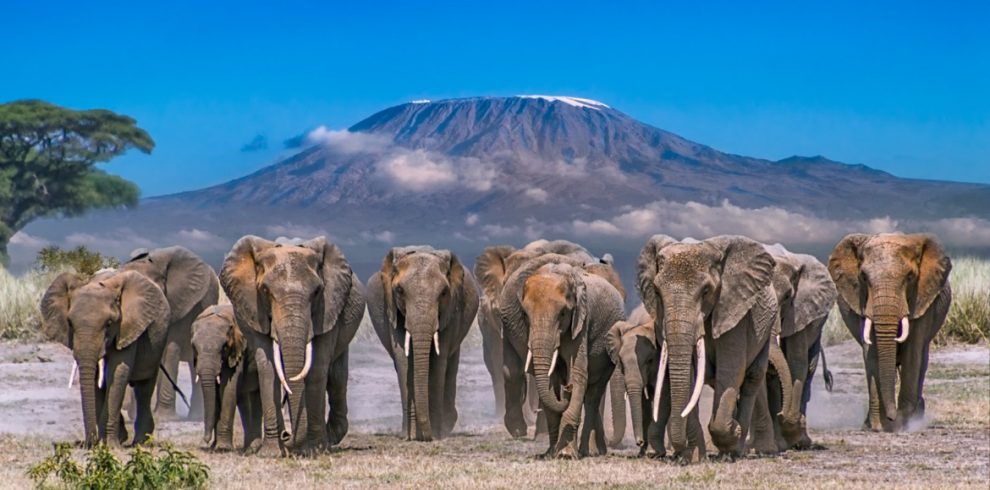
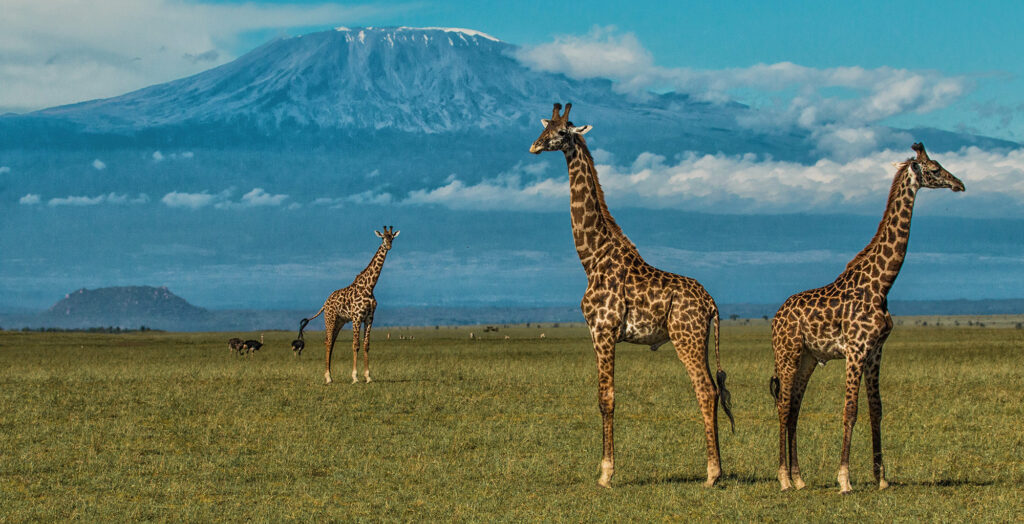
Few sights in the world compare to the majesty of Mount Kilimanjaro rising above the plains of Amboseli National Park. The snow-capped peak towers over the savannah like a guardian, its silent presence watching over elephants, lions, and herds of zebra that graze below.
This is the image that has defined Kenyan safaris for decades — a perfect balance of mountain, light, and wildlife. Amboseli is not just a park; it’s a photographer’s dream. Whether you’re capturing your first sunrise or chasing the golden glow at dusk, every frame here tells a story.
With Woodsly Adventures, you can experience Amboseli through the eyes of those who know its rhythms best — guides who understand light, wildlife, and the patience it takes to capture moments that become memories for a lifetime.
The Magic of Kilimanjaro in Amboseli
Mount Kilimanjaro lies across the border in Tanzania, but Kenya’s Amboseli National Park offers the most spectacular views of it. The contrast between the towering mountain and the open savannah below is one of Africa’s most recognizable images.
What makes Amboseli so special is how dynamic those views are. Kilimanjaro changes mood throughout the day — hidden behind morning mist, glowing at sunrise, and fully revealed in the golden light of late afternoon.
For travelers who love landscape photography, this variety offers endless creative possibilities. And when you add Amboseli’s elephants into the frame, you get a visual masterpiece that captures the essence of Africa itself.
Book your Amboseli Elephant Safari with Woodsly Adventures to stand at the best vantage points and photograph these timeless scenes with expert guidance.
Best Times and Spots for Photography
To capture Kilimanjaro at its finest, timing is everything. The mountain is most visible early in the morning and late in the afternoon, when the air is clear and the light is soft.
Top Locations in Amboseli for Mountain Views
1. Observation Hill
This is one of the park’s highest viewpoints. From here, you can see sweeping views of the entire park — from the dusty plains to the lush swamps and, when the skies are clear, the full peak of Kilimanjaro. It’s perfect for panoramic shots and sunset photography.
2. Enkongo Narok Swamp
This area attracts large herds of elephants, especially during dry months. Photographing them with Kilimanjaro in the background creates that quintessential Amboseli image that has graced countless travel magazines.
3. Ol Tukai Area
Located near some of the best lodges, this region offers constant wildlife activity and stunning backdrops. The soft morning light here gives photos a painterly quality.
4. Amboseli Airstrip Area
If you’re arriving by flight, don’t pack your camera away. As you approach Amboseli by air, Kilimanjaro often appears above the clouds — a breathtaking welcome to the park.
Wildlife and Light – The Photographer’s Perfect Combination
Amboseli isn’t just about landscapes. It’s about the way life moves across those landscapes. Herds of elephants, zebras, giraffes, and buffalo fill the plains, while birds skim across the wetlands in graceful arcs.
The light here is unlike anywhere else in Africa. Morning light is golden and clean, while late afternoons offer deep contrasts that highlight the rich colors of the earth and sky.
Woodsly Adventures guides understand these conditions intimately. They’ll position you for perfect angles and moments — whether it’s a lion framed against the mountain, a family of elephants crossing the salt flats, or a sunrise illuminating the marshes.
For a broader safari photography experience, pair your Amboseli trip with the Tsavo National Park Adventure for dramatic volcanic landscapes or the Masai Mara Safari for fast-paced predator action.
Understanding Amboseli’s Light and Weather
Amboseli’s climate plays a key role in its photographic charm.
-
Dry Season (June – October, January – February): Clear skies, visible Kilimanjaro, and great wildlife visibility.
-
Green Season (November – December, March – May): Lush landscapes, dramatic clouds, and more bird activity.
The dry season is best for classic Kilimanjaro photos, but the green season rewards photographers with unique light and texture. The rain brings reflections, rainbows, and softer contrasts that make images pop.
If you’re planning to combine Amboseli with coastal photography, the Mombasa Beach Retreat offers white-sand horizons, while the Wasini Island Marine Park Excursion captures marine life and ocean color that perfectly complements Amboseli’s earthy tones.
The People Behind the Lens – Maasai and Culture
The Maasai people of Amboseli live in harmony with the land, their traditions rooted deeply in the rhythms of nature. Photographers often find inspiration not only in the wildlife but also in the vibrant culture that surrounds it.
Woodsly Adventures can arrange visits to Maasai villages where you can photograph traditional dances, beadwork, and daily life with respect and understanding. These interactions add depth to your Amboseli story — reminding you that Kenya’s beauty is not just in its landscapes but also in its people.
Ethical Photography and Conservation
Amboseli’s beauty carries a responsibility. Every photograph should tell a story of respect — for the wildlife, the communities, and the land itself.
Woodsly Adventures promotes responsible photography practices. Our guides ensure that animals are never disturbed, that distances are maintained, and that natural behavior remains untouched. The best images come from patience, not intrusion.
Your safari also supports conservation. Through your visit, you contribute to the preservation of Amboseli’s elephants and to sustainable livelihoods for the Maasai communities who protect this land.
Beyond Amboseli – Expand Your Visual Journey
If you’re inspired by Amboseli’s landscapes, Kenya offers even more to explore:
-
Tsavo National Park Adventure: Red-dust elephants, volcanic hills, and ancient baobabs — a photographer’s dream of texture and color.
-
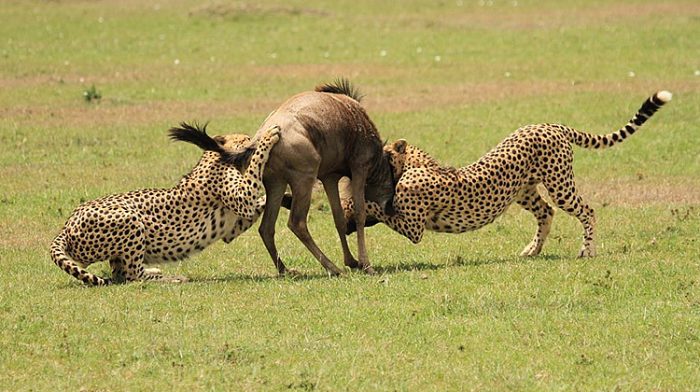
Masai Mara Safari: Home to the Great Migration and unmatched predator action.
-
Wasini Island Marine Park Excursion: For underwater and coastal photography that complements your safari.
Together, these destinations create a visual story that spans from mountains to sea — the full spectrum of Kenya’s natural beauty.
Practical Tips for Photographers
-
Use a telephoto lens (200mm–400mm) for close-ups of wildlife with Kilimanjaro in the background.
-
A wide-angle lens (24mm–70mm) captures sweeping landscapes and herds.
-
Always carry extra batteries and memory cards — Amboseli’s light changes fast, and you’ll want to shoot continuously.
-
Keep your camera ready at all times. Wildlife moves unpredictably, and often the best moments last only seconds.
-
Respect the rhythm of nature. Avoid flash photography and sudden movements near animals.
The Amboseli Experience with Woodsly Adventures
A safari in Amboseli is more than just sightseeing — it’s a journey of emotion and artistry. Every sunrise reveals a new scene, every drive a new composition. Woodsly Adventures designs safaris that align with these rhythms, ensuring you experience the park at its most magical moments.
Whether you’re an amateur with a phone camera or a professional with a full kit, Amboseli will test your eye and reward your patience. And with local experts guiding you to the right places at the right times, you’ll come home not just with photographs but with a deeper appreciation for Africa’s natural harmony.
Book your Amboseli Elephant Safari today with Woodsly Adventures and capture the essence of Africa — elephants in golden light beneath the shadow of Mount Kilimanjaro.