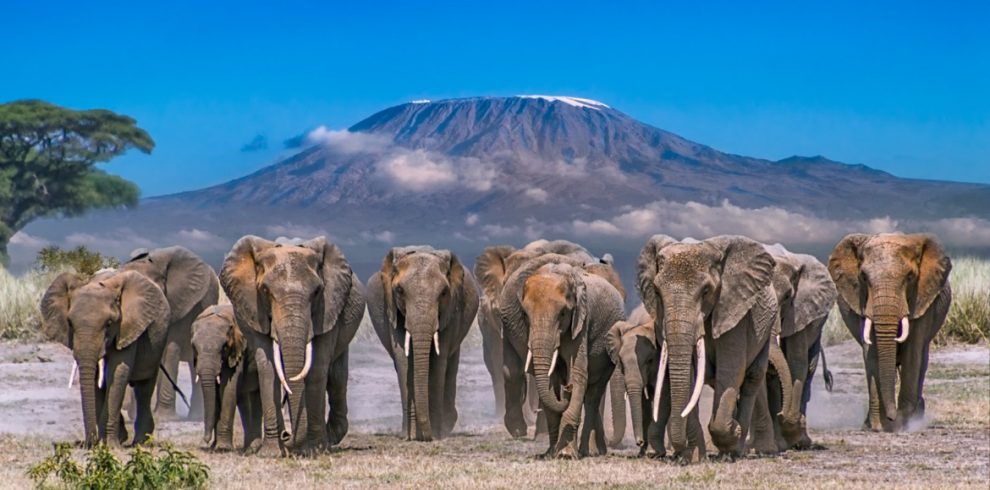
While Amboseli National Park is famous for its majestic elephants, the park is also home to a stunning variety of other wildlife. From predators like lions and cheetahs to colorful birds and unique herbivores, Amboseli offers a rich tapestry of biodiversity that makes it a must-visit for any wildlife enthusiast.
The Predators: Kings and Queens of the Savanna
In Amboseli National Park, the presence of large predators like lions and cheetahs plays a crucial role in maintaining the ecological balance. The lions, often regarded as the kings of the savanna, exhibit a complex social structure and hunting technique that relies on the collective effort of the pride. Their preference for larger prey such as zebra and wildebeest necessitates a methodical approach, often involving stalking their prey in dense cover before launching a collaborative attack.
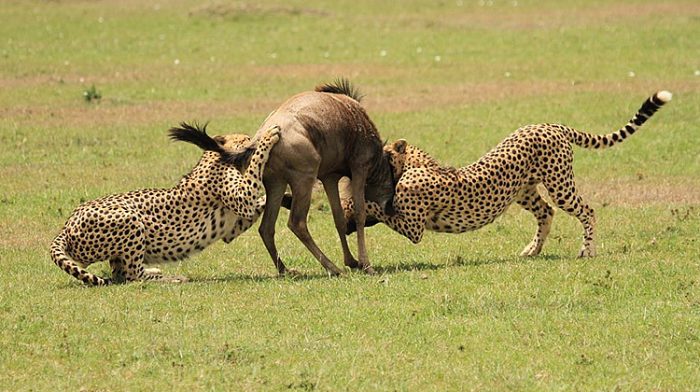
Cheetahs, on the other hand, bring a different dynamic to predator-prey interactions within the park. Known for their unparalleled speed, cheetahs typically hunt during the day, relying on their acceleration and maneuverability to catch smaller prey like impalas. Unlike lions, cheetahs are solitary hunters, and their success relies on the element of surprise and a short, explosive chase.
The interactions among different predator species, particularly between lions, cheetahs, and hyenas, are a testament to the complex web of predator relationships in Amboseli. Lions and hyenas often find themselves in conflict over carcasses, with hyenas scavenging from lion kills or lions stealing from hyenas. Cheetahs, being lower down the hierarchy, usually avoid confrontations with these stronger predators.
Habitat loss poses a significant threat to the predator populations in Amboseli, impacting their natural hunting grounds and prey. The encroachment of human settlements and agricultural lands has not only reduced their habitat but also led to conflicts with humans, particularly in the case of lions preying on livestock.
Conservation efforts in Amboseli are vital for the protection of these predators. Initiatives such as community conservation programs aim to mitigate human-wildlife conflicts, while habitat restoration projects work to preserve the natural environment for these species. These efforts are crucial for ensuring the survival of Amboseli’s iconic predators and maintaining the ecological balance within the park.
Birds of Amboseli: A Paradise for Avian Enthusiasts
Transitioning from the majestic predators that roam the Amboseli National Park, another spectacle that captures the heart of nature lovers is the vibrant avian world. Amboseli National Park, renowned for its picturesque landscapes adorned with free-roaming elephants, holds a lesser-known treasure trove of birdlife, making it a paradise for avian enthusiasts. The park’s diverse habitats, ranging from the wetlands and woodlands to the Savannah plains, provide an ideal environment for over 400 species of birds, offering a vivid tableau of colors and melodies that echo across the plains.
Among the myriad of bird species, the pink-hued flamingos are a sight to behold as they grace the park’s wetlands. These iconic birds, known for their striking color and social behavior, create a mesmerizing spectacle as they feed and wade through the shallow waters. The wetlands also serve as a haven for a variety of waders, including the avocet and the black-winged stilt, showcasing the rich biodiversity Amboseli boasts beneath its towering landmarks.
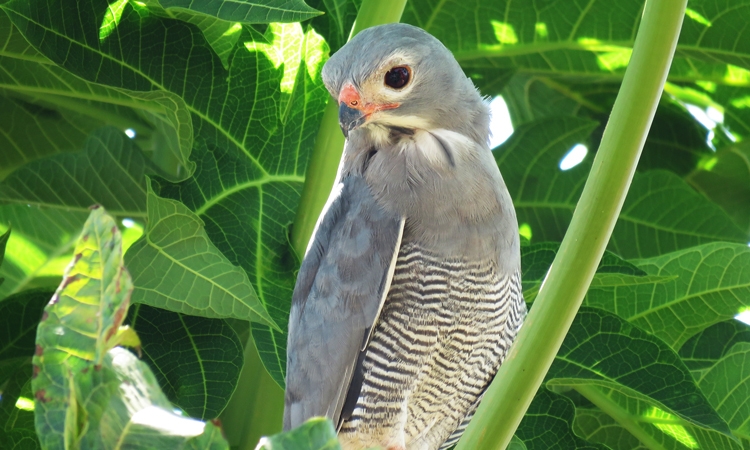
Equally impressive are the raptors that patrol the skies of Amboseli. The martial eagle, with its formidable size and keen eyesight, stands as a testament to the park’s thriving ecosystem. These majestic birds of prey can often be spotted perched high above the canopy or soaring in search of their next meal, offering a thrilling sight for birdwatchers. The park’s diverse avian population also includes other notable raptors such as the tawny eagle and the bateleur eagle, each adding to the allure of Amboseli’s avian world.
For those keen on birdwatching, Amboseli provides a plethora of spots that offer prime viewing opportunities. The Observation Hill, with its panoramic views of the park, enables visitors to spot a variety of birds against the backdrop of the majestic Mount Kilimanjaro. The swamps, fed by the underground rivers from Kilimanjaro’s ice cap, attract numerous bird species, providing an idyllic setting for photography and observation. Whether it’s the vibrant bee-eaters, the melodious larks, or the graceful cranes, each bird species contributes to the park’s ecological tapestry, creating a symphony of colors, sounds, and life that resonates across the plains.
This chapter seamlessly transitions into the next, where the focus shifts to “The Grazers: Coexisting in Abundance”, exploring the symbiotic relationships and the intricate web of life that sustains the ungulates and other grazers, their vital role in the park’s ecosystem, and their fascinating interactions with the predators discussed previously. The diverse habitats of Amboseli not only support the vibrant avian population but also provide the stage for the dramatic play of life and survival amongst its larger inhabitants, highlighting the interconnectedness of all species within this magnificent ecosystem.
The Grazers: Coexisting in Abundance
Transitioning from the exquisite avian diversity of Amboseli National Park, the plains reveal a different dimension of wilderness, dominated by the grazers that form an integral part of its ecosystem. Among them, the Cape buffalo, impala, giraffes, zebras, and wildebeests capture the essence of Amboseli’s terrestrial diversity, each contributing uniquely to the ecological ballet.
Cape buffalo move in formidable herds, grazing on the lush grasses, their path often dictated by the availability of water. Acting as the park’s landscapers, they trim the grass, enabling new growth that sustains other species. Impalas, with their graceful leaps and fleet-footed movements, browse on lower shrubs and grasses, showcasing a different aspect of the park’s flora. Their presence in large numbers reflects the rich biodiversity and balanced ecosystem.
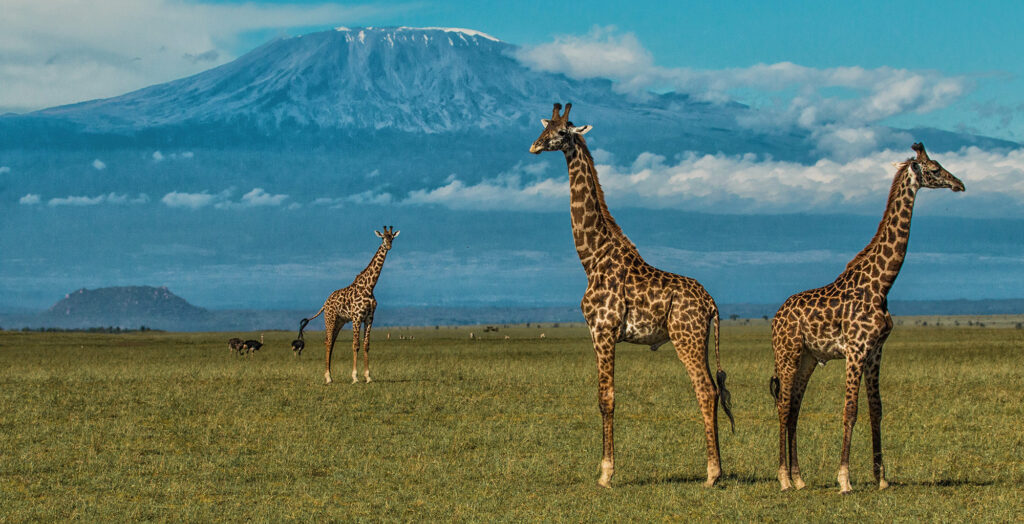
Giraffes, towering above the savanna, select leaves from the taller acacia trees, showcasing a remarkable adaptation to coexist. Their height not only facilitates a unique feeding strategy but also allows them to spot predators from afar, serving as sentinels for the grazers. Zebras, with their striking black-and-white stripes, roam the plains in large herds, their migratory patterns dictated by the search for fresh grazing lands. These migrations are a spectacle, demonstrating the dynamic nature of Amboseli’s ecosystem.
Wildebeests, known for their dramatic migrations in search of water and green pastures, play a pivotal role in the park’s ecological balance. Their movements help disperse seeds, contributing to the regeneration of the grasslands. This cyclical migration ensures the sustainability of the grazing communities.
Predatory interactions are a key aspect of life for these ungulates. Lions, cheetahs, and hyenas are constant threats, yet these grazers have developed various survival strategies, from the buffalo’s protective circle to the impala’s swift escape tactics.
Seasonal changes dramatically impact the populations and behaviors of Amboseli’s grazers. The dry seasons see congregations around water sources, a time when predator-prey interactions are most intense. Conversely, the rainy seasons bring a bounty of food, allowing for population growth and the rejuvenation of the grasslands.
Thus, the grazers of Amboseli, through their varied grazing patterns and migration behaviors, not only contribute to the park’s ecological complexity but also to its allure as a wildlife sanctuary. Their coexistence and interactions underscore the delicate balance inherent in Amboseli’s ecosystem, a theme that seamlessly connects to the broader challenges of conservation in the following chapter.
Conservation Challenges and Successes
Beyond the remarkable herds of ungulates, Amboseli National Park faces significant conservation challenges, notably human-wildlife conflict, poaching, and the looming threat of climate change. While these issues pose a risk to the park’s biodiversity, concerted conservation efforts and community involvement have marked notable successes. Initiatives such as the implementation of wildlife corridors and fences have mitigated human-wildlife conflict, creating a balance between local communities and the park’s fauna. Anti-poaching units and advanced technology have curbed poaching, protecting species vulnerable to illegal wildlife trade.
Equally important, collaborations between international NGOs, local communities, and government bodies have played a pivotal role in sustaining Amboseli’s ecosystem. Climate change mitigation efforts, including water conservation projects and habitat restoration, count among the successes. These initiatives ensure the preservation of Amboseli’s diverse habitats, crucial for the survival of both well-known giants like elephants and less conspicuous but equally vital inhabitants.
The future of Amboseli hinges on the continuation and expansion of such collaborative efforts. Ongoing research, monitoring, and adaptive management strategies are critical to understanding the impacts of climate change and human activities on the park’s wildlife and ecosystem. By fostering an inclusive approach that values the contributions of indigenous knowledge and prioritizes community benefits, conservation in Amboseli can maintain its trajectory towards sustainability, preserving this iconic landscape for future generations.
Conclusions
Amboseli National Park is more than just a showcase for elephants; it’s a vibrant ecosystem teeming with diverse wildlife. From fearsome predators to fluttering birds and resilient grazers, the park offers a unique window into nature’s abundance. Preserving this treasure requires continued effort, blending conservation with community engagement to maintain Amboseli’s ecological harmony.