Every season in Tsavo tells a different story. There are months when the plains shimmer with golden grass and herds gather at waterholes, and others when the land turns green, alive with birdlife and new beginnings. The secret to planning an unforgettable Tsavo safari lies in knowing when to go — and what to expect.
Whether you’re chasing the perfect wildlife photographs, a quiet off-season adventure, or a balanced mix of both, Tsavo National Park never disappoints. With Woodsly Adventures, your Tsavo National Park Adventure is tailored not only to your schedule but also to the rhythm of the wild.
Let’s explore the best time to visit Tsavo, how each season shapes the park, and what makes every month worth discovering.
Table of Contents
-
Understanding Tsavo’s Climate and Seasons
-
The Dry Season (June to October) – The Classic Safari Experience
-
The Short Rain Season (November to December) – Green, Quiet, and Beautiful
-
The Long Rain Season (March to May) – For Solitude and Photography
-
Month-by-Month Guide to Tsavo’s Weather
-
When Wildlife Viewing Is at Its Best
-
When to Go for Birdwatching
-
When to Go for Photography and Landscapes
-
When to Combine Tsavo with Kenya’s Other Parks
-
Tips for Choosing the Right Time for You
-
Why Travel with Woodsly Adventures in Any Season
-
Final Thoughts – The Timeless Beauty of Tsavo
1. Understanding Tsavo’s Climate and Seasons
Tsavo’s vast size — stretching across southeastern Kenya — gives it a semi-arid climate with hot days and cooler nights. Unlike northern Kenya, where weather can be extreme, Tsavo enjoys year-round accessibility thanks to its relatively stable conditions.
The park experiences two main dry periods and two rainy seasons:
-
Long Dry Season: June to October
-
Short Rains: November to December
-
Long Rains: March to May
-
Short Dry Spell: January to February
Even during the rains, Tsavo remains open and rewarding, though the landscape and wildlife behavior shift noticeably. Knowing how these changes affect your safari experience helps you make the most of every moment.
2. The Dry Season (June to October) – The Classic Safari Experience
If your goal is to see as many animals as possible, the dry season is unbeatable. This is when Tsavo offers its most dramatic game-viewing moments.
Why it’s the best time:
-
Vegetation thins out, making it easier to spot animals.
-
Wildlife gathers around waterholes and rivers, such as the Galana River and Aruba Dam.
-
Roads are dry and accessible, perfect for long game drives.
-
The skies are clear, offering incredible photography light.
What you’ll see:
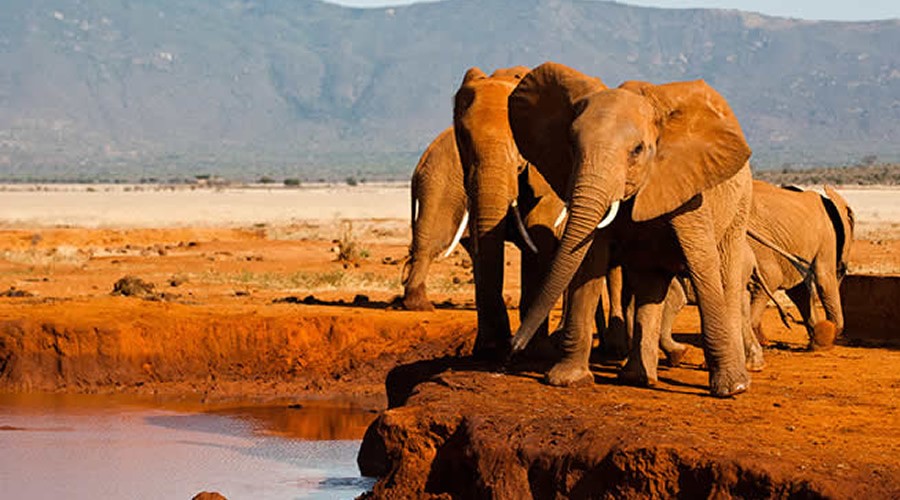
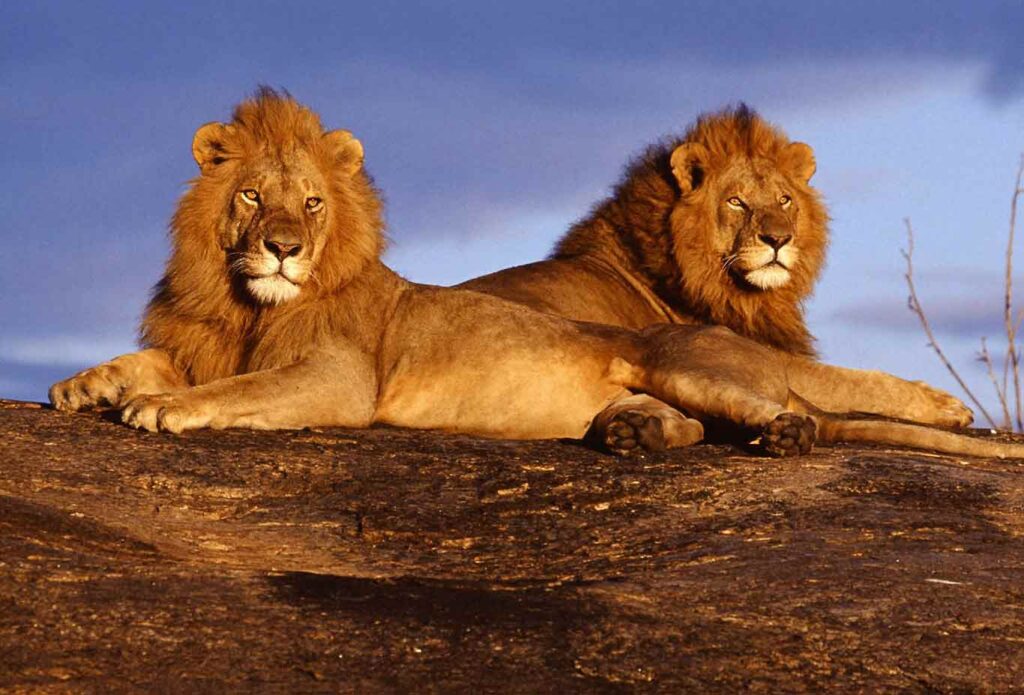
Expect large herds of elephants coated in Tsavo’s signature red dust, prides of lions resting under acacias, buffaloes moving in their hundreds, and giraffes silhouetted against crimson sunsets. Predators are more visible during this season as they stay close to prey-rich areas.
Traveler profile:
Ideal for first-time safari-goers, families, and wildlife photographers.
Suggested pairing:
Combine your trip with Amboseli National Park for elephant sightings beneath Mount Kilimanjaro, or extend it to the coast for a Mombasa Beach Retreat after your adventure.
3. The Short Rain Season (November to December) – Green, Quiet, and Beautiful
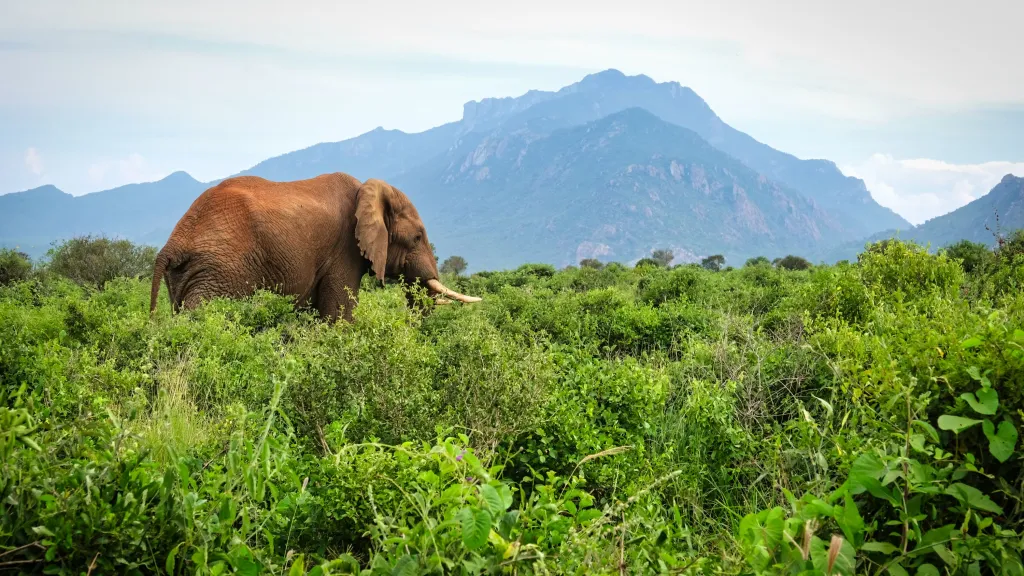
The short rains transform Tsavo into a vibrant, green paradise. Grasses return, wildflowers bloom, and migratory birds arrive in dazzling numbers.
Why it’s special:
-
The landscape becomes lush and photogenic.
-
Fewer visitors mean quieter parks and more personal experiences.
-
Excellent time for birdwatching.
-
Young animals are born, adding charm to game drives.
Conditions:
Rains come as short afternoon showers, rarely disrupting safaris. Roads remain passable, and temperatures stay comfortable.
Traveler profile:
Perfect for couples, photographers, and those seeking serenity without crowds.
4. The Long Rain Season (March to May) – For Solitude and Photography
This is Tsavo’s greenest period, when life returns in abundance. The long rains bring dramatic skies and mirror-like reflections in waterholes.
Why go during this season:
-
Spectacular cloud formations and landscapes for photographers.
-
Newborn wildlife, including elephants and zebras.
-
Birdlife at its peak, with thousands of migratory species.
-
Lower accommodation rates and private experiences.
Conditions:
While some remote roads may become muddy, Woodsly Adventures ensures all itineraries are adjusted for comfort and safety. Safari vehicles are equipped for wet conditions, and guides are experienced in navigating seasonal routes.
Traveler profile:
Great for nature photographers, bird enthusiasts, and travelers seeking an off-peak experience.
5. Month-by-Month Guide to Tsavo’s Weather
| Month | Season | Average Temperature | Highlights |
|---|---|---|---|
| January – February | Short dry spell | 25–32°C | Great for wildlife and clear skies |
| March – May | Long rains | 22–28°C | Lush scenery, dramatic skies, fewer tourists |
| June – July | Dry season | 20–28°C | Cool mornings, active wildlife |
| August – October | Peak dry season | 24–30°C | Best game viewing and photography |
| November – December | Short rains | 22–29°C | Green landscapes, bird migration, young animals |
This guide helps travelers choose the month that aligns best with their safari goals.
6. When Wildlife Viewing Is at Its Best
Peak wildlife visibility: June to October
Why: Animals cluster around permanent water sources, and shorter vegetation improves visibility.
During this period, you’ll likely see the Big Five — elephants, lions, leopards, buffalo, and rhinos — as well as cheetahs, giraffes, zebras, and antelope.
Morning and late afternoon drives are particularly rewarding, when temperatures are cooler, and animals are most active.
7. When to Go for Birdwatching
Bird enthusiasts will find Tsavo at its richest between October and April, when migratory birds from Europe and Asia arrive.
Species like the Eurasian roller, steppe eagle, and white stork mix with Tsavo’s residents — lilac-breasted rollers, kingfishers, and kori bustards.
The Mzima Springs area in Tsavo West and Aruba Dam in Tsavo East are prime birding spots. Woodsly Adventures offers tailored birding safaris led by expert naturalists who understand migration cycles and vocal patterns.
8. When to Go for Photography and Landscapes
If photography is your focus, every season in Tsavo brings its own charm.
-
Dry Season: Crisp light, dramatic dust trails, and animal congregations.
-
Short Rains: Rich color contrast and softer light.
-
Long Rains: Stormy skies and reflection shots — ideal for dramatic compositions.
Woodsly Adventures’ guides position travelers for the best angles and golden-hour light, ensuring breathtaking shots of wildlife and scenery alike.
9. When to Combine Tsavo with Kenya’s Other Parks
One of Tsavo’s greatest advantages is its location between Nairobi and the coast. This makes it ideal for combination safaris.
Recommended pairings:
-
Tsavo + Amboseli: Perfect for elephant lovers and mountain views.
-
Tsavo + Wasini Island: For those who want to transition from savannah to sea — explore the Wasini Island Marine Park Excursion after your safari.
-
Tsavo + Mombasa Beach: A relaxing finish to your adventure — enjoy sun, sand, and sea with a Mombasa Beach Retreat.
Each combination offers a balanced experience of Kenya’s natural diversity — from the dry savannahs to turquoise ocean waters.
10. Tips for Choosing the Right Time for You
1. Define your goals:
If you want maximum wildlife, go in the dry season. If you prefer solitude and scenery, the green season is perfect.
2. Consider comfort:
Temperatures are highest in February and lowest in July. Choose accordingly based on your tolerance for heat.
3. Think about photography:
Light quality changes dramatically between seasons. The soft tones of the rains are excellent for creative photography.
4. Plan early:
June to October is peak season; booking early with Woodsly Adventures ensures availability at top lodges.
5. Balance cost and experience:
Off-peak seasons offer discounted rates and quieter parks — a great value without sacrificing quality.
11. Why Travel with Woodsly Adventures in Any Season
Choosing the right operator makes all the difference — and Woodsly Adventures understands Tsavo’s rhythms like few others.
Here’s why travelers trust Woodsly Adventures year-round:
-
Expert local guides: Deep knowledge of animal behavior and weather patterns.
-
Flexible itineraries: Adjusted for conditions and interests — from wildlife to photography to birding.
-
Comfort-first logistics: Reliable 4×4 safari vehicles, well-chosen lodges, and seamless transfers.
-
Responsible tourism: Eco-conscious travel that supports conservation and local communities.
-
Custom combinations: Extend your Tsavo trip to Amboseli, Wasini Island, or Mombasa Beach for a complete Kenyan experience.
Whether under the golden skies of August or the emerald shades of April, Woodsly Adventures ensures your safari is immersive, safe, and unforgettable.
12. Final Thoughts – The Timeless Beauty of Tsavo
Tsavo doesn’t have one “best” time to visit — it has many. Each season carries its own magic: the dry heat that gathers herds by the river, the rains that paint the land green, the quiet moments when a single birdcall echoes across the plains.
What matters most is how you experience it — and who guides you through it.
With Woodsly Adventures, your journey through Tsavo is more than a trip; it’s a story told through light, sound, and discovery. From sunrise drives to starlit evenings, every day reveals a new side of Kenya’s wild heart.
So whether you come for the elephants, the birds, or the peace that only nature provides, Tsavo will welcome you — in every season.
Start planning your Tsavo National Park Adventure today with Woodsly Adventures and let Kenya’s timeless wilderness reveal itself at the perfect moment for you.